
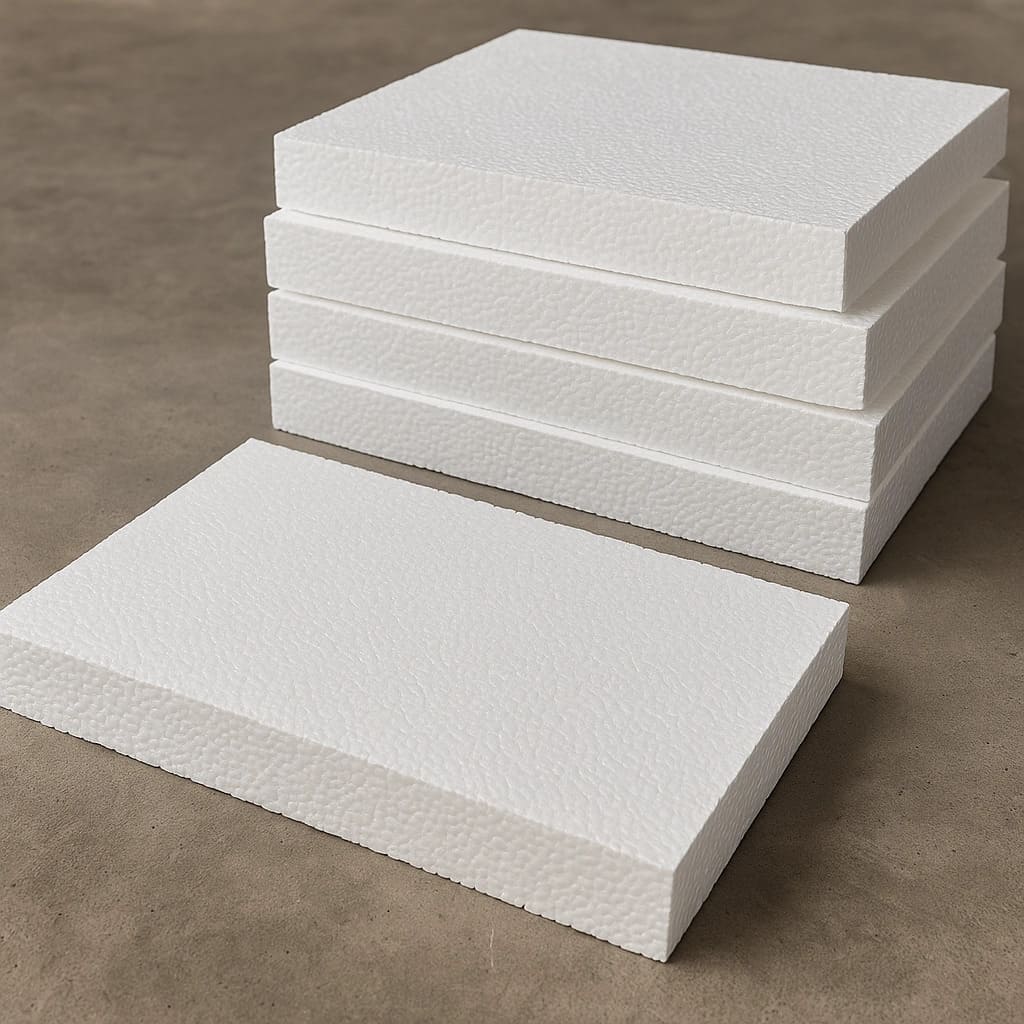
People pick EPS sheets for keeping buildings warm because they work so well. These sheets have tiny closed pockets full of air that stop heat from moving through walls, roofs, and floors. They keep the house cozy in winter and cool in summer. EPS is light, does not soak up water, and stays strong for many years. It costs less than many other materials and is simple to put up. HUASHENG makes special kinds with carbon inside (called FGE) that block heat even better and are safer around fire. All this makes eps thermal insulation a smart, long-lasting, and earth-friendly choice for almost any job.
How EPS Sheets Function as Effective Thermal Insulation
The Closed-Cell Structure and Its Role in Thermal Performance
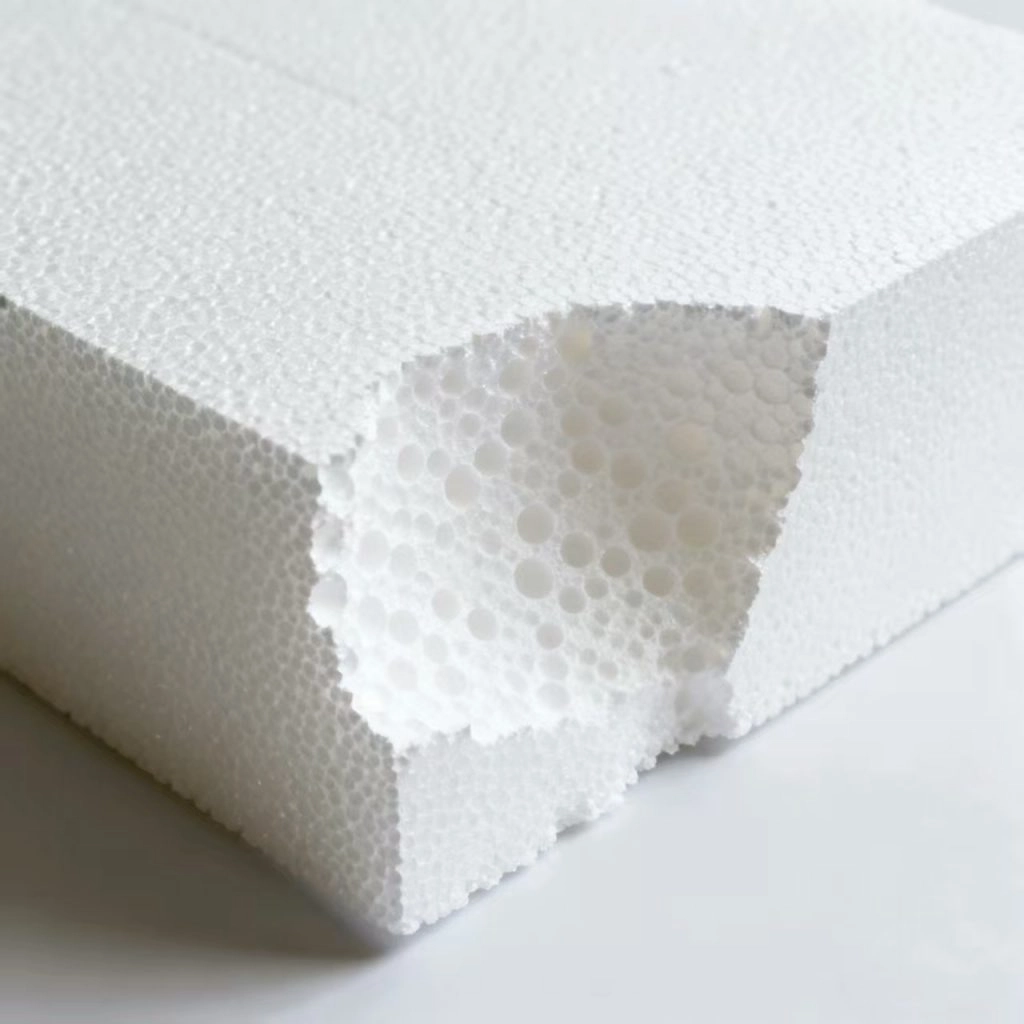
EPS is made of hard foam with millions of tiny closed bubbles. Almost all of it – about 98% – is just still air trapped inside those little pockets. Still air is one of the best things at stopping heat from traveling. So the sheets slow down heat in every way it tries to move: through touch, through air currents, or through invisible rays.
Each bubble is sealed tight. That means air cannot sneak around inside the sheet. Heat stays where you want it. The sheets also stop cold or hot spots from forming where walls meet floors or windows. This steady performance works the same whether it is freezing outside or boiling hot.
Seasonal Benefits of EPS Insulation
EPS helps all year long. In winter, warmth from your heater stays inside instead of leaking out. Your rooms feel snug and the heater does not run as much. In summer, hot air from outside cannot push its way in easily. The house stays cooler without turning the air-con up high.
Because of this, the temperature inside feels nice and even no matter what the weather does. Families feel better, kids play on the floor happily, and energy bills drop every month.
Core Advantages of EPS for Thermal Insulation Applications
Superior Thermal Efficiency and Energy Savings
EPS beats many common materials at keeping heat in or out. Its number for heat flow can be as low as 0.030 W/m·K. That is really good! Less heat sneaks through, so you do not need the heater or cooler running all the time.
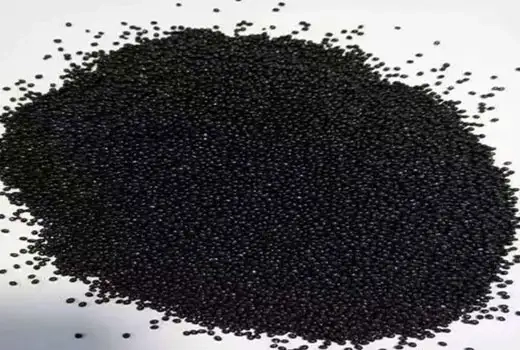
HUASHENG’s low thermal conductivity carbon polystyrene FGE material (suspension method) is adds tiny bits of carbon. Those bits bounce heat rays back like little mirrors. The sheet works up to 20% better than plain white EPS. Over the years, that saves a lot of money on power bills.
Lightweight and Installation-Friendly Characteristics
One person can carry a big EPS sheet without breaking a sweat. They are light and easy to move around the building site. You can cut them with a normal knife or saw. No fancy tools needed.
Workers can fit them into tricky corners or strange shapes fast. The sheets work with all kinds of building ways – outside walls, inside cavities, under roofs, anywhere. They do not make the walls heavier, so the building frame stays happy.
Moisture Resistance and Long-Term Durability
Water is the enemy of most insulation, but not EPS. Because every bubble is closed, water cannot soak in. Even if the wall gets damp, the sheet still keeps its warmth power. No mold grows on it either.
HUASHENG’s European standard flame retardant grade-FSH adds fire-safe stuff but still keeps the water out. The sheets stay the same shape and strength for decades. You put them in once and forget about them.
Cost Efficiency Across the Project Lifecycle
EPS costs less to buy than many fancy foams. It also saves money every year on heating and cooling. After a few years, the savings pay back the cost of the sheets – and then it is pure profit. Most other materials never do that.
Performance Comparison: EPS Versus Alternative Insulation Materials
EPS does better than fiberglass by resisting moisture and sagging, and offers better cost efficiency than polyurethane foam. It provides high-quality insulation without harmful gases, which ensures long-term thermal performance, structural integrity, and environmental safety.
EPS vs Fiberglass and Mineral Wool
Performance Stability Under Moisture Exposure
Fiberglass and rock wool soak up water like a sponge when they get wet. Once that happens, they lose a lot of their warmth power. EPS does not. It stays dry inside and keeps working perfectly even in rainy climates or leaky basements.
Mechanical Integrity Over Time
Fiberglass can sag or pack down after years in a wall. That leaves cold gaps. EPS never sags or settles. It stays fluffy and full forever.
EPS vs Polyurethane Foam (PUR/PIR)
Cost-to-Efficiency Balance
PUR foam is a little better at blocking heat, but it costs way more money. For most homes and buildings, EPS gives almost the same warmth for much less cash.
Safety and Environmental Considerations
Some old foams used bad gases that hurt the air. HUASHENG eps thermal insulation never uses those. It is safe for workers to touch and safe for the planet.
Versatile Applications Across Building Systems and Environments
There are a wide range of applications of EPS, such as building envelopes (walls, roofs, floors) and specialized uses. Its lightweight, high-strength properties provide effective thermal protection in construction, cold storage, and protective packaging, ensuring energy efficiency and product safety.
Building Envelope Integration: Walls, Roofs, Floors, Foundations
Wall Insulation Systems (EIFS / Cavity Wall)
EPS is perfect on the outside of walls or inside the gaps. It is light, so it does not push hard on the bricks or blocks.
Roofing Solutions
Stronger EPS boards go under flat roofs or green roofs. People and plants can walk on top and the sheets never squash.
Floor Slabs and Foundations
Put high-strength EPS under concrete floors or around foundations. It keeps the warmth in and the cold ground out.
Industrial & Specialized Uses: Cold Storage, Packaging & More
Cold Chain Infrastructure
Big cold rooms and freezer warehouses use thick EPS to keep food frozen without huge electric bills.
Protective Thermal Packaging
Companies cut EPS into boxes to ship medicine or chocolate so it stays the right temperature on the truck.
Environmental Responsibility and Sustainability Benefits of EPS Sheets
Recyclability and Clean Manufacturing Processes
EPS does not hurt the ozone layer when it is made. When a building is torn down, the sheets can be melted and turned into new ones again.
Contribution to Energy-Efficient Building Standards
HUASHENG’s best grades help buildings win green awards like LEED because they save so much energy.
Lifecycle Energy Reduction & Carbon Emissions Impact
A house with good eps thermal insulation uses far less oil or electricity over 50 years. That means way less smoke in the sky.
Recommended HUASHENG EPS Products for High Performance Insulation Needs
Low Thermal Conductivity Carbon Polystyrene – FGE Grade
The highlights of this product is that HUASHENG adds carbon bits that bounce heat back. You get great warmth even with thinner sheets.
It it better to apply it into the outside wall systems and big freezer rooms that need the best cold-blocking power
European Standard Flame Retardant Grade – FSH Grade
The highlights of this product is that it meets tough European fire rules and still keeps water out and warmth in.
It it the ideal to be applied into schools and offices where fire safety matters more greatly, and floor and walls of any house or factory.
FAQs
Q: Why is carbon-enhanced EPS like HUASHENG’s FGE more effective than standard white EPS?
Carbon bits inside act like tiny mirrors for heat rays. They can cut heat flow by up to 20% compared to plain white sheets.
Q: Can HUASHENG’s flame-retardant FSH grade be used in residential buildings?
Yes! It passes strict European fire tests, so it is safe and welcome in homes, apartments, shops, anywhere.
Q: How does moisture affect the long-term performance of HUASHENG’s EPS products?
It hardly affects them at all. The closed bubbles stop water getting in, so the sheets keep working great even in damp walls or underground.






 English
  German
  Spanish
  French
  Arabic