
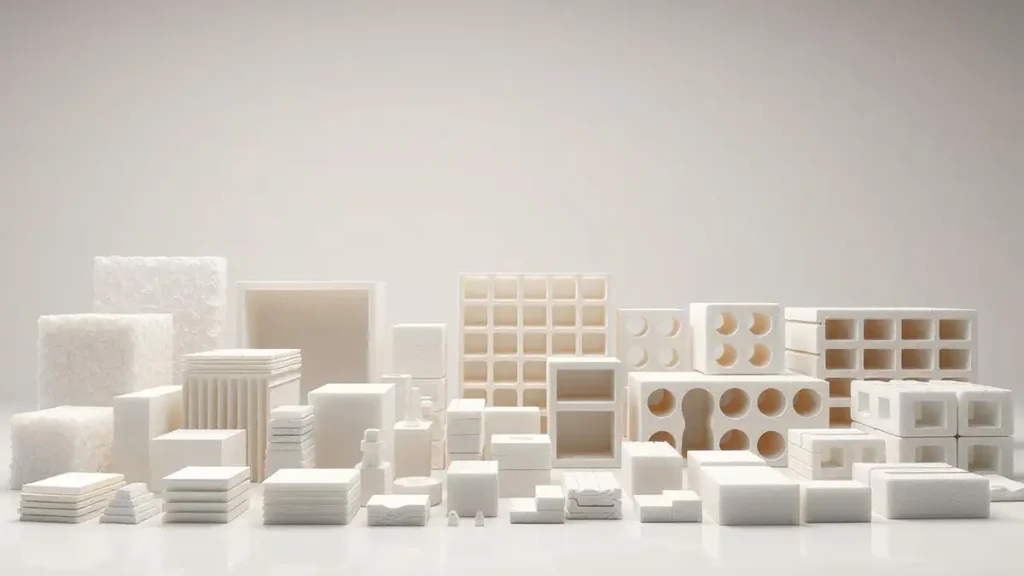
Expanded polystyrene panels are drawing more interest as building projects in 2026 emphasize energy savings, lighter options, and quicker setup. Their mix of good insulation, budget control, and design options makes them a smart pick for homes, offices, and factories.
The Growing Popularity of Expanded Polystyrene Panels in Modern Construction
The building field is shifting quickly to materials that blend efficiency, eco-friendliness, and strong results. In this group, expanded polystyrene panels have turned into a top pick for designers and builders planning work for 2026 and later. These panels are light in weight. They also give great heat protection and money-saving perks over the full life of a structure.
What Is Expanded Polystyrene (EPS) Technology and How Does It Work?
Expanded polystyrene (EPS) is a light material. It forms when polystyrene beads expand with gas. Then, they go into molds to make firm items often used for packing, building, and food service. This method creates a build that holds about 98% air and 2% plastic. It offers fine insulation while staying light.
EPS foam, also called expanded polystyrene foam, is a light, firm, and flexible material. It serves widely in many fields for heat protection, packing, and building needs. Its flexibility stems from the way it molds into various shapes and strengths based on what a job requires.
When you compare it to other foams like polyurethane or extruded polystyrene (XPS), EPS shines for its low cost and chance to recycle. Expanded polystyrene, often known as EPS, is a kind of foam from polystyrene beads. These beads expand and join to form a solid, light material. This joining process keeps the build strong while holding down manufacturing costs.
Why Are EPS Panels Gaining Attention for 2026 Projects?
As world-building rules move toward energy savings and eco-friendliness, EPS panels earn praise for fitting green building aims. The need for light materials that cut transport expenses and boost energy results keeps rising. Builders seek items that help with LEED or BREEAM approvals. EPS does well here because of its heat protection skills and recycle options.
A key player in this change is HUASHENG, a firm focused on advanced foam polystyrene methods. HUASHENG blends new ideas with care for the environment to supply high-quality expanded polystyrene panels made for today’s designs. Their exact making process guarantees steady size, water resistance, and lasting strength. These traits matter for big office projects ready for 2026 rules.
Core Advantages of Expanded Polystyrene Panels in Business and Commercial Projects
Today’s office settings need materials that match strong work with real-world use. EPS panels bring several perks, from energy cuts to build flexibility. Thus, they suit office buildings well.
How Do EPS Panels Deliver Superior Thermal Insulation Performance?
Heat control is a main part of green design. EPS acts as a heat protector made by swelling polystyrene beads to build a setup with 2% plastic and 98% caught air. This caught air serves as a natural block against heat moves. It helps keep steady inside temperatures no matter the outside weather.
By cutting heat loss or gain through walls and roofs, you can lower HVAC needs a lot. This cuts running energy costs over time. HUASHENG’s exact-shaped foam polystyrene answers boost this by using even cell build and managed strength spread. As a result, they ensure top heat protection in all uses, like cold rooms, office buildings, or factory sites.
Why Is Lightweight Structure Important Yet Strong Enough?
The special strength-to-weight balance of EPS fits projects that need build efficiency without heavy load needs. EPS foam forms by swelling polystyrene beads with steam.
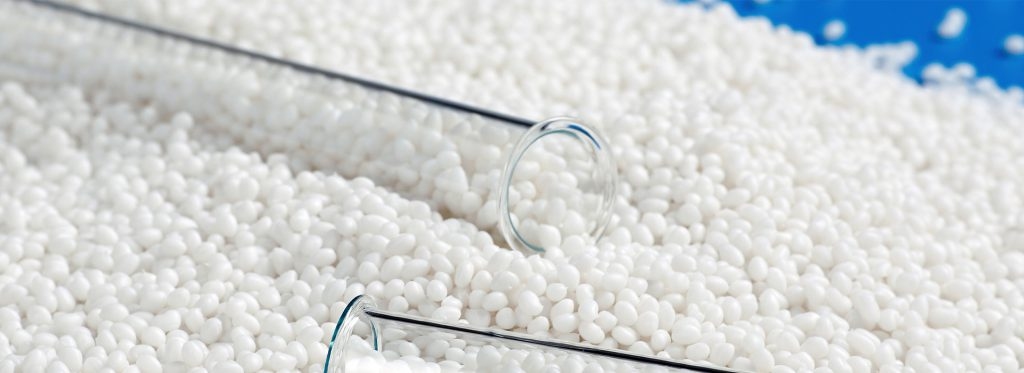
Then, the swelled beads mold into wanted shapes and sizes. This way makes panels easy to move and set up. At the same time, they hold firmness under force.
For big office builds or pre-made structures, this leads to faster put-together times and lower worker costs. And it does so without losing safety or steadiness. HUASHENG’s planned systems make sure of exact sizes that fit well into pre-made build plans.
How Does Cost Efficiency Extend Across the Project Lifecycle?
From buying to upkeep, EPS panels show as a wise money choice. They use fewer base items than old stone systems. Yet, they give better heat work per layer thickness. Plus, their lasting nature cuts fixed needs over many years.
HUASHENG’s making efficiency adds to cost watch by best using supplies in production. It brings fairly priced answers fit for large orders in world markets.
Sustainability and Environmental Benefits of EPS Panels
Care for the environment now sits at the heart of company growth plans around the world. EPS methods back this move with clear eco perks.
How Do EPS Panels Improve Energy Efficiency While Reducing Carbon Footprint?
By lowering heat and cool needs in buildings, EPS helps cut carbon output tied to energy use. Also, expanded polystyrene foam, often called EPS foam or Styrofoam, can recycle in a technical way. This lets it return to making cycles instead of adding to dump waste.
HUASHENG’s green-focused way stresses clean making steps aimed at cutting waste made. It backs round economy ideas in every part of production.
Can EPS Products Comply with Global Green Building Standards?
Yes. High-quality expanded polystyrene panels match world marks like LEED or BREEAM. They do so due to checked heat values and recycle proofs. HUASHENG shapes each product set to follow changing eco rules set for 2026 plans.
Design Flexibility and Application Versatility of Foam Polystyrene Panels
The fitting nature of EPS lets designers have more room for ideas without losing work measures.
How Can Foam Polystyrene Adapt to Various Architectural Designs?
EPS can be made in many strengths, layers, or face types based on what works best. This applies whether for front covers or inside dividers. It blends well into roof setups or pre-made units because of its changeable side.
HUASHENG offers custom design help services. These make sure each panel fits job needs for load holding or look/finish quality.
Are Foam Polystyrene Panels Compatible with Other Building Materials?
These panels join well with concrete frames or metal supports in mixed systems. They boost both heat work and sound comfort inside buildings. HUASHENG’s research team runs match tests over different bases to promise the best blend during setup steps.
Future Outlook: Why Expanded Polystyrene Panels Will Shape 2026 Construction Trends
The coming wave of office setups will rely much on wise materials that meet tougher eco-codes without losing real use.
Which Technological Innovations Will Drive Material Performance Forward?
Current studies aim at bettering fire block levels. They also work on stronger water hold through added-item methods. At the same time, digital making tools now allow exact cuts that cut waste in making steps. This further betters supply use rates across chains.
HUASHENG keeps putting big funds into material study aimed at pushing these fields. And it holds steady quality checks across world markets.
What Is the Strategic Value of Partnering with HUASHENG for Future Projects?
Working with HUASHENG gives sure access to solid move networks that back multi-country builds from idea to end. Their tech teams offer ongoing advice from early design talks through site setup steps. This ensures a smooth blend in your job flow.
With years of shown skill in giving high-work expanded polystyrene panels, HUASHENG is set to help firms ready sites that match the newest energy-saving rules planned for 2026 building trends.
FAQ
Q1: Are expanded polystyrene panels safe for long-term building use?
A1: Yes. When set up right by maker guides, they keep build strength over many years. They also hold steady heat work without chemical breakdown.
Q2: Can EPS be recycled after demolition or renovation projects?
A2: Yes. Many recycle plans take clean EPS waste. It can be remade into new heat boards or packed items based on the local setup.
Q3: Do foam polystyrene panels require special maintenance procedures?
A3: No special upkeep is needed past normal cleaning. Their shut-cell makeup stops water from taking on mold or growing through time of use.
 English
  German
  Spanish
  French
  Arabic