
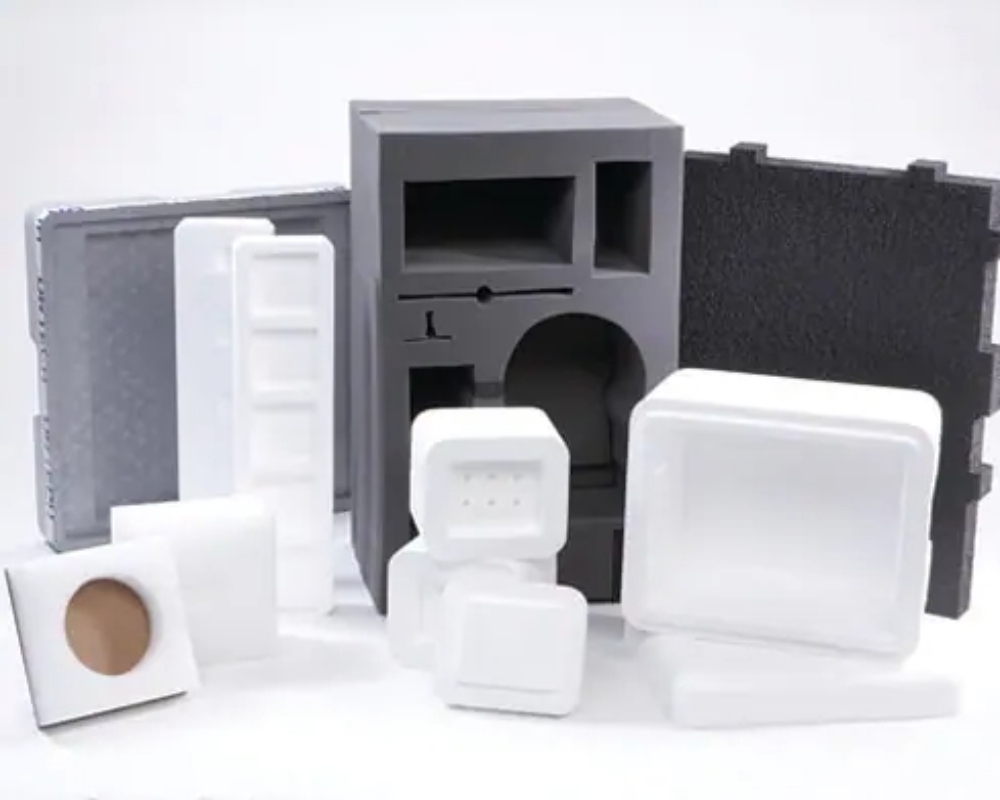
Foam shipping materials are changing quickly as companies seek better protection, less waste, and improved results in e-commerce and industrial shipping. By 2026, the emphasis goes beyond just cushioning power. Shoppers also weigh recyclability, lightness, affordability, and how each option works in automated packing processes.
Emerging Trends in Foam Shipping Materials for 2026
The foam shipping material sector is shifting fast as green practices and tech blend to reshape packing rules. Firms like HUASHENG lead this change with fresh ideas and eco-smart production methods.
The Growing Importance of Sustainable Packaging Solutions
Ecological demands and buyer hopes are altering the foam packing scene. Rules on single-use plastics are getting stricter from governments, and companies want options that match their environmental, social, and governance (ESG) aims.
Lanzhou Huasheng New Materials Co., Ltd. is a tech-focused business that handles research, making, and selling expandable polystyrene (EPS) foam. Located in the Northwest and reaching nationwide, the firm follows “innovation-driven, green intelligent manufacturing” as its main growth idea. This approach shows how makers are putting big funds into breakable-down and reusable swaps for old foams.
Circular economy ideas now run through the whole chain—from getting raw stuff to final reuse. HUASHENG reuses 300,000 tons of EPS each year, which cuts 1,500,000 tons of crude oil and 1,200,000 tons of carbon dioxide. These results prove that green foam setups can greatly lower harm to nature while keeping strong shielding.
Technological Advancements Influencing Foam Packaging Design
Tech is creating wiser packing fixes made for certain shipping needs. Smart foams with changing cushion traits are being built for costly or delicate items like gadgets and health tools. Digital tools for modeling now help fine-tune foam thickness to mix shielding with smart use of materials. Today, HUASHENG runs a digital twin lab that includes material gene stores and process mock-up systems. This setup aids high-level modeling that sharpens product plans before making starts.
Automation helps a lot in boosting steadiness and cutting waste. Robots for cutting and shaping foam give exact work at large scale, and they lower mistakes by people—a key plus for worldwide supply lines that want quality checks and cost savings.
Common Types of Foam Used in Shipping Applications
Foam shipping materials differ a lot by makeup and use needs. Options like EPS, polyethylene (PE), polyurethane (PU), and expanded polyethylene (EPE) stay top picks because of their wide uses.
Expanded Polystyrene (EPS) Packaging
EPS keeps being a top choice for packing material foam because it gives great jolt soaking at cheap prices. For the packing and transport field, the company supplies light but tough EPS foam fixes. These fixes offer top shielding for items in travel, guarding against harm from bumps, shakes, and hits. Yet, old EPS gets flak for reuse troubles—an area fixed by new reuse plans, like closed-loop making.
HUASHENG’s F Material Flame-Retardant Type REPS – Building Material Thermal Insulation shows cutting-edge EPS progress with better safety and green rules. By 2026, it will set up a world-top carbon-neutral demo plant, hitting over an 85% drop in carbon output across the full chain.
Polyethylene (PE) Foam as a Versatile Packing Material
PE foam brings bendiness and water resistance, perfect for gadgets or car parts that need shape cutting. Linked PE foams boost toughness for items reused or sent far where presses happen often.
Polyurethane (PU) Foam for Custom Protection Needs
PU foams shine for fitting odd forms through cut-to-shape or pour-mold ways. Their bounce-back aids returnable packing setups used by online sellers or factory providers who aim to shrink one-time waste flows.
EPE (Expanded Polyethylene) Foam in Modern Logistics
EPE mixes low weight with fine shake-soaking traits, good for exact tools or home devices. Its reuse fits well with current green rules that stress less trash in dumps.
Innovations Shaping the Future of Foam Shipping Materials
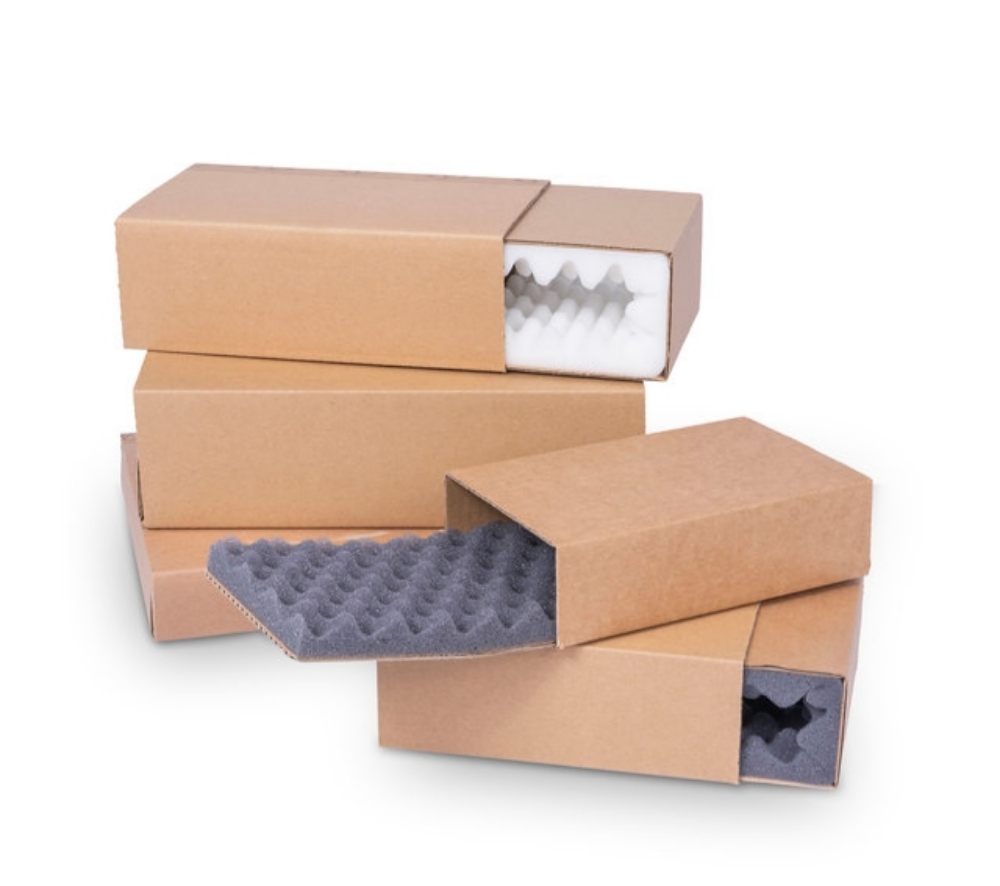
The coming edge in foam shipping material studies eyes renewability and mixing—balancing power with ease of breakdown.
Bio-Based and Compostable Foam Alternatives
Experts are checking starch-based plastics and mushroom mixes as stand-ins for oil-based foams. These nature-based stuff breaks down on its own after use, without letting bad leftovers into surroundings. HUASHENG truly gets the value of green growth and handles its nature and social duties with care. The growth of such new ideas relies on price fights and meeting world rules like EU Packaging Directive 94/62/EC.
Hybrid Foams with Multi-Layer Protection Systems
Hybrid foams blend usual plastics with paper or plant-plastic layers to get multi-task shielding while cutting the overall plastic amount. Mixed warmth panels using reused EPS with aerogel tech show how stacked builds can give both heat blocking and force strength well. These mixed setups also help with marking by showing firm promise to green packing plans—a rising edge among world shipping givers.
Selecting the Right Foam Material for Specific Packaging Needs
Picking a fitting foam shipping material means weighing work stats against green aims. Item break-risk, travel length, weather states, rule limits, and reuse setups all decide key points.
Factors Influencing Material Choice in 2026 Packaging Design
Firms now check not just cushion work but also full-life effects when picking stuff. Teamwork between sellers like HUASHENG and packing makers makes sure each fix hits tech needs and ESG hopes. Tailored making can happen based on exact items, sharpening work and grain size.
Plus, groups using circular economy ways gain from local making perks that cut travel gases—adding more to green marks in worldwide chains.
Integrating Foam Materials into Advanced Packaging Systems
Current shipping leans more on block designs that allow easy swaps among foam kinds based on load types or end rules. Data-based checks guess harm chances from past paths or load break scores; these notes steer stuff picks in real time.
Ongoing tests check fit with shifting world rules, like the ISO 14067:2018 cert got by HUASHENG’s reused EPS masterbatch, showing just 719 kg CO₂e per ton made—a mark for low-carbon making skills. The company’s S Material Graphite Grade highlight how advanced graphite-changed EPS boosts heat blocking while meeting B1-level fire safety under GB8624-2012 rules—great for export packing needing warmth and steadiness in changing weather.
FAQ
Q1: What makes EPS one of the most common foam packing material options?
A1: EPS delivers strong shock absorption at small weight and cost, and it holds shape well during far trips; fresh ideas like REPS types boost reuse rates a lot.
Q2: How do hybrid foams contribute to sustainable logistics?
A2: Hybrid foams mix reusable plastics with natural layers like paper or bioplastics to cut total plastic without losing cushion power or lasting strength in the world’s landfills.
Q3: Why is HUASHENG considered an industry leader?
A3: The company pairs tech front-running—such as nano-closed-pore new ideas—with eco-making that hits over a 95% waste reuse rate and aims for an 85% carbon cut across its chain by 2026.
 English
  German
  Spanish
  French
  Arabic