
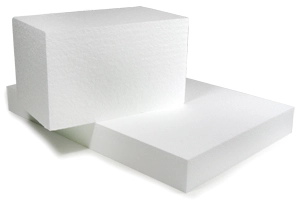
Expanded polystyrene (EPS) has turned into a popular choice in today’s insulation setups because it mixes good heat control, low costs, and easy shaping options. As rules for buildings keep changing, knowing how EPS works can help you pick smarter ways to save energy and get strong insulation that lasts.
What Defines EPS Technology in Modern Insulation?
EPS is a firm, closed-cell foam created from polystyrene beads that grow with steam and a special gas. This makes a light but tough item that gives great heat blocking and water resistance. In terms of makeup, EPS holds 98% air inside a web of polystyrene, which is why it weighs so little and works well to keep heat in or out.
In the making process, beads that have grown first get shaped into blocks or sheets using heat to join them. This method not only builds strength but also lets it fit into many sizes for building uses. When you look at it next to things like mineral wool or polyurethane foam, EPS gives a good mix of how well it works and how cheap it is, leading to better energy use at a smaller cost.
Why Are EPS Panels Vital in Contemporary Architecture?
Current building styles need items that join energy saving with care for the planet. EPS panels help reach these goals by cutting down on heat moving through the outer parts of buildings. Their small heat flow rate keeps inside spaces comfy and cuts back on the use of air systems for heating or cooling.
EPS also backs green building ways by helping lower carbon from daily running and fitting with top eco-labels like LEED or BREEAM. More than just working well, EPS panels fit smoothly into pretty designs, such as on outer walls, roofs, or ready-made walls, giving builders both new ideas and solid support.
If you want top insulation choices that match today’s building needs, HUASHENG shows up as a reliable maker focused on strong expanded polystyrene panels. With many years in plastic tech and exact building methods, HUASHENG offers made-to-order insulation setups that mix good use, planet care, and new ideas.
What Material Properties Make Expanded Polystyrene Panels So Effective?
How Does Thermal Performance Enhance Energy Efficiency?
EPS panels show very low heat flow,, which turns them into solid stops against losing or gaining heat. This feature keeps inside warmth steady through different times of year, so you need less machine help for warming or cooling rooms.
For jobs that call for steady heat setups, HUASHENG’s EPS panels are built to hold even heat, blocking it even when outside weather changes a lot. By cutting energy needs over the whole time a building stands, they help lower running costs directly and boost measures for lasting good practices.
Why Are Mechanical Strength and Durability Critical?
Even though they weigh little, EPS panels have good strength against pressing, which fits for holding weight in places like floors or roofs. Their closed-cell build fights off water taking in, stopping mold from growing or breaking down as time goes on.
HUASHENG boosts these built-in perks with better shaping ways that raise steady size and long-term strength in handling forces, so your building keeps its good work year after year with no extra fixes needed.
How Does Lightweight Nature Support Design Flexibility?
The small weight of expanded polystyrene makes it super simple to move, slice, and set up at the work site. Builders like this easy handling when dealing with tricky shapes or bent outer walls where exact fits matter a lot.
With HUASHENG’s special making services, you can pick sheet thicknesses, weights, and outer looks made just for your job’s needs, which makes setup faster while keeping the main plan in place.
Where Are Expanded Polystyrene Panels Applied in Construction?
External Wall Insulation Systems (EWIS)
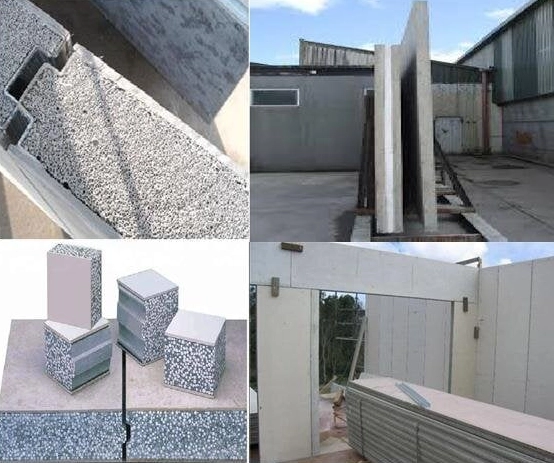
In outer wall setups like EIFS (External Insulation Finishing Systems), EPS panels act as the main heat block layer stuck to outside bases. Their even face makes sure full heat stops without weak spots for heat. HUASHENG’s exact-cut panels improve how well they stick and line up right over big outer walls.
Roof and Floor Insulation Solutions
EPS works just as well under flat or sloped roofs, where it cuts extra heat in warm months and stops heat from leaving in cold ones. When added into floor bases, it boosts comfy warmth without extra load on the structure, which makes it perfect for homes in apartments or big business spots.
Cold Storage Facilities and Refrigeration Units
In work settings like cold food transport or chilled storage buildings, thicker EPS types give top, steady cold keeping. HUASHENG makes special mixes aimed to work well in very cold spots while holding up against forces.
Road Construction and Civil Engineering Uses
Outside of homes and offices, EPS blocks find use in big projects as light fill for raised ground or steadying slopes because of their float help and strength against pressing. These planned fixes cut risks of sinking while bettering water flow in road and ground works.
How Do Expanded Polystyrene Panels Support Environmental Responsibility?
What Makes EPS Sustainable Through Material Efficiency?
One big plus for the earth with EPS comes from how well it uses stuff in making it: just a bit of base polystyrene grows up to 50 times bigger when turned into foam. This big growth rate cuts down on what you use while giving lots of heat block from each bit of stuff.
HUASHENG pushes green ways more with loops that reuse old EPS scraps into fresh items, which lessens trash piles and helps ideas for using things over again.
How Do Energy Savings Extend Across the Building Lifespan?
Over many years of use, spots with EPS insulation use way less power for warming or cooling than those with old stuff. Checks over full lifetimes always point to good returns on energy put in, thanks to fewer gases from running, which matters a ton for hitting goals of no net energy waste in new builds.
How Can You Integrate HUASHENG Expanded Polystyrene Panels Into Design Strategies?
How Compatible Are They with Other Building Materials?
EPS panels stick well to concrete, metal frames, wood builds, or mixed outer layers using glues that HUASHENG experts suggest. You can add outer paints to make them safer from fire or sun without hurting heat-blocking power.
How Does Customization Foster Architectural Innovation?
Prefabricated Modular Systems Using EPS Panels
Making parts ahead is changing how fast building happens around the world, and EPS fits right in. Light, ready-made walls from HUASHENG expanded polystyrene panels make moving easier while keeping steady quality checked at the plant. This way speeds up schedules for ready-home jobs while holding top heat-block levels.
Acoustic Enhancement Through Composite Layering Techniques
When mixed with wall boards or sound block sheets, EPS adds not just heat control but also quiet making in inside areas. Such mixed builds let makers reach walls that do two jobs well, are set for ease in work spots, stay places, or school buildings.
What Future Trends Will Shape Expanded Polystyrene Panel Development?
New tech keeps changing what expanded polystyrene can do in green building. Fresh adds to stop fires better and help meet rules for safety without losing earth-friendly ways. At the same time, studies on smart heat blocks bring in built-in watchers that check heat changes or water in walls right away.
Makers like HUASHENG Put big money into study work aimed at cleaner making tech, from steam with low waste to plant-based plastic choices, setting it up as help for builders set on green plan growth in many fields.
FAQ
Q: Are expanded polystyrene panels safe for indoor use?
A: Yes. Modern EPS panels meet strict fire safety rules when used with the right paints or blocks and give off no bad gases in everyday running.
Q: Can I recycle old expanded polystyrene insulation?
A: Absolutely. Most makers run programs to take back old sheets that get turned into new ones using ways to reuse them by machine.
Q: Do EPS panels lose their insulating properties over time?
A: No big drop happens in normal setups; their closed-cell build keeps steady work through the whole time the building lasts if set up right and kept from sun rays.
 English
  German
  Spanish
  French
  Arabic