
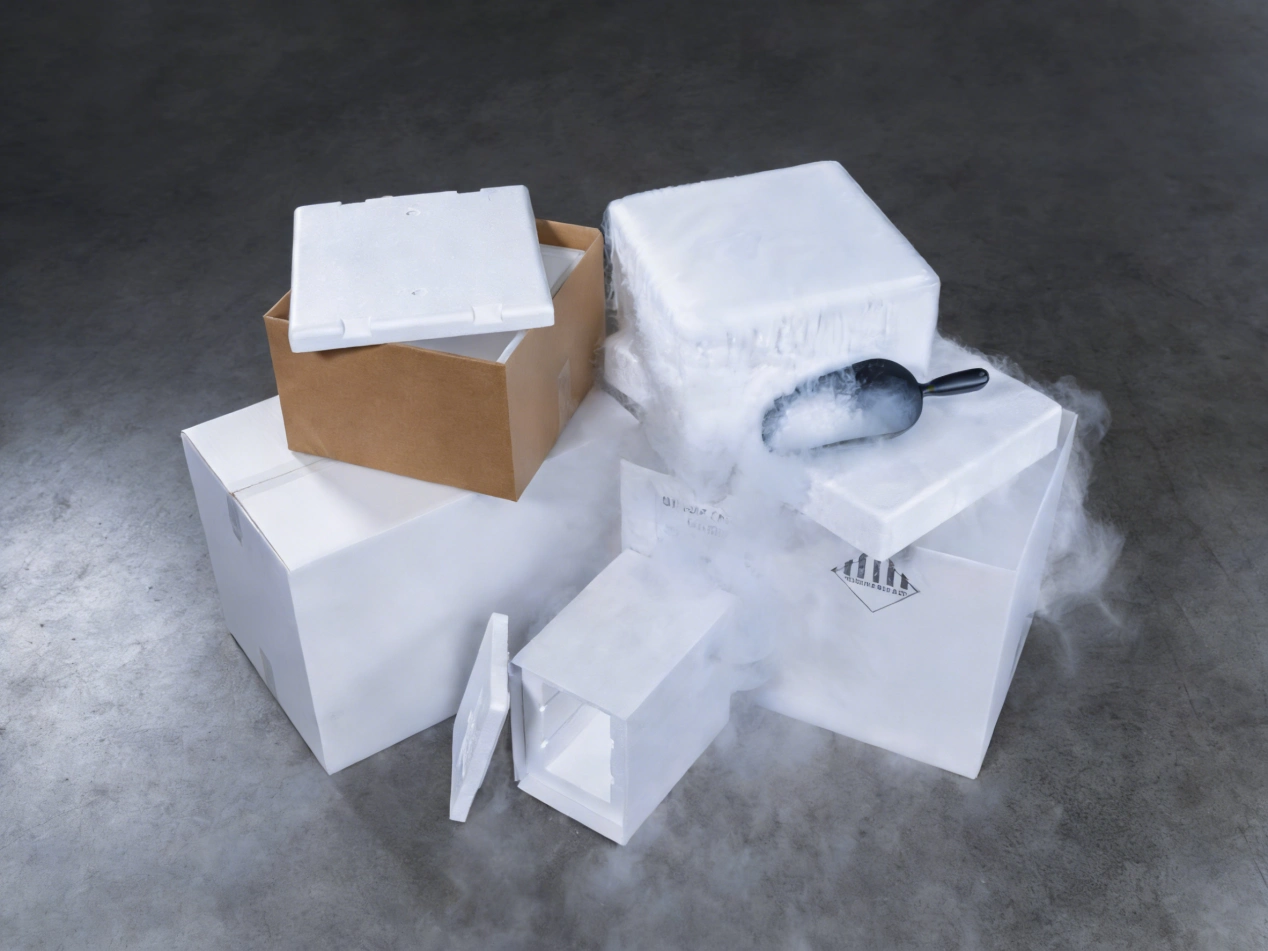
Did you see all the boxes that showed up at your door last week? Or maybe you passed by a building site in a busy place like Shanghai or Mumbai. There, workers fit those white pieces into the walls. We spot this stuff daily. Yet, we seldom consider what makes it work. This item weighs little. It looks white. And it steadily supports two main drivers of the Asian economy. Those are creating urban areas and shopping on the web. The focus here is on EPS foam.
The global spotlight often lands on steel or concrete. However, Expanded Polystyrene (EPS) serves as the quiet support for current setups and shipping in the Asia-Pacific area. It helps keep homes cool during hot summer days. It also makes sure a new TV reaches safely after a rough trip through the countryside roads in India. The need for this product rises fast. For companies aiming to join or grow in this field, grasping this rise matters a lot. It goes beyond curiosity. It helps ensure they stay afloat. Let us examine what fuels this strong want for EPS. We can also see how buyers from abroad can take wise steps.
The Construction Surge: Why Asian Cities Are Wrapped in Foam
Everyone knows Asia changes to city life quicker than any other spot on the planet. But the point is not only to construct additional structures. It involves making them stronger. Officials set stricter limits on power use. As a result, insulation shifts from an optional feature to a must-follow rule. This change opens a wide space between what is available and what people need. It focuses on solid insulation items that pass tough safety checks. And they do so without costing too much.
This leads right to the EPS insulation demand. In the past, building ways, walls simply used bricks and cement. Now, new designs in China and Southeast Asia form layered setups. These hold in the warmth or cool. EPS fits perfectly here. It provides a top balance of cost and effectiveness for heat control. Still, picking the correct supply proves challenging. Safety rules have altered the whole setup.
Fire Safety Regulations Are Driving Quality
Ten years ago, you might have been able to use generic foam boards for construction. That is not the case anymore. Following several high-profile fire incidents in urban high-rises, countries like China have implemented rigorous fire safety codes (such as the GB 8624 standard). Builders cannot just use any foam; they need material that resists combustion.
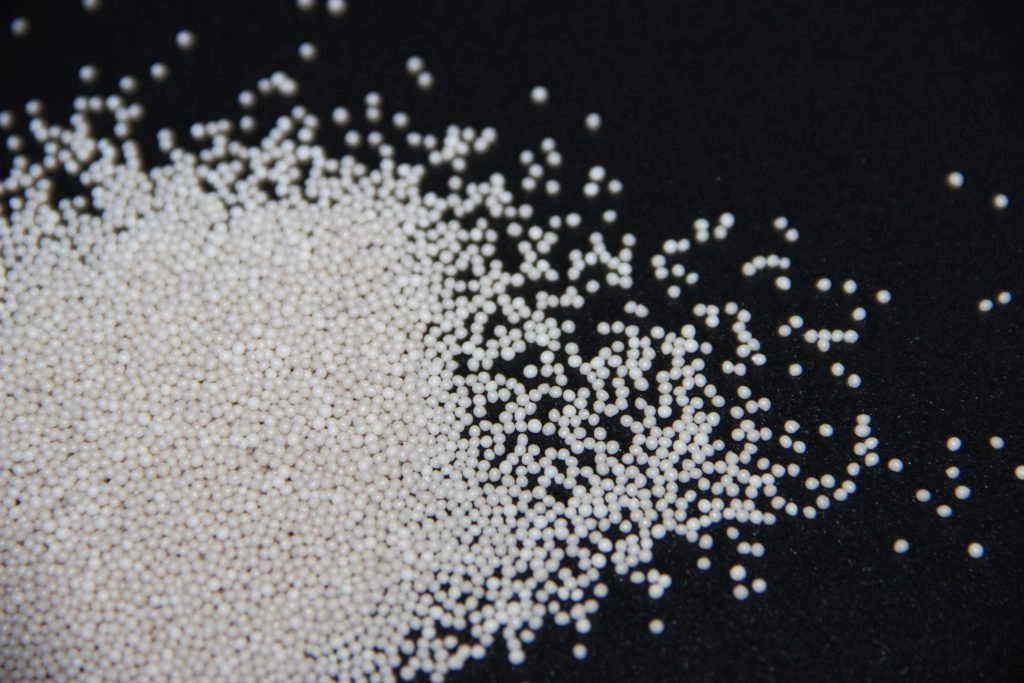
This is where the distinction in raw materials becomes critical. Construction projects now exclusively demand the Flame Retardant Grade EPS. This material contains specialized additives that self-extinguish when the flame source is removed. For an EPS foam manufacturer, producing this grade requires precise chemical engineering. If you are sourcing for construction, verifying the oxygen index (LOI) of your beads is the first step. You aren’t just buying plastic; you are buying compliance and safety.
Geofoam in Civil Engineering
Beyond buildings, there is heavy demand beneath our feet. As India and Vietnam rush to build highways and bridges over soft, unstable soil, engineers are turning to EPS Geofoam. It is incredibly light—about 1% the weight of soil—but strong enough to support roads. It prevents the ground from settling and cracking the pavement above. This application requires huge volumes of high-density blocks, creating a steady, bulk-order market for manufacturers who can deliver consistent quality.
The Digital Shopping Cart: Packaging That Survives the Journey
Construction forms the outer frame. E-commerce puts items inside it. The number of boxes traveling the Asia-Pacific shipping paths stuns. Billions move each year. As big web stores reach smaller towns and country spots, trips for packages grow longer and bumpier. This shipping truth makes E-commerce foam packaging a key need.
The main issue is balancing guard against heaviness. Ship fees are based on mass and space. Sellers dislike added pounds in wraps. But they dislike broken goods coming back far more. EPS consists of 98% empty space. So, it adds almost no extra load to fees. At the same time, it gives bump protection that paper boxes fail to provide.
Protecting Electronics and Appliances
Consider the journey of a refrigerator bought online. It moves from a factory to a central warehouse, then to a regional hub, then onto a smaller delivery truck, and finally, it might be carried up three flights of stairs. At every transfer point, there is a risk of impact.
For these items, manufacturers rely on Common Grade EPS. This type of resin offers excellent expandability and mechanical strength. It can be molded into custom shapes that fit the corners of a TV or the body of a washing machine perfectly. The cushioning properties prevent the product from moving inside the box. For buyers, the sourcing priority here is finding EPS beads that expand consistently (fast expansion speed) to keep production cycles short and costs low.
The Rise of “Unboxing” Aesthetics
It is worth noting that packaging is no longer just about safety; it is part of the customer experience. Brands are looking for EPS with a smooth finish and bright white color. Dirty or unevenly fused foam looks cheap and hurts the brand image. This puts pressure on suppliers to provide high-quality raw beads that result in a clean, professional final look.
The Cold Chain Critical Link: Freshness Across Miles
If you think shipping a TV is hard, try shipping fresh fish or insulin. The rapid growth of online grocery shopping and the expansion of healthcare networks have birthed a massive sub-industry: cold chain logistics. This sector is arguably the most demanding in terms of material performance because failure doesn’t just mean a broken product; it means spoiled food or ruined medicine.
Cold chain EPS packaging is the hero of this story. It is the reason you can order seafood online and have it arrive frozen 24 hours later. The thermal resistance of EPS is unmatched at its price point. But in this sector, density matters more than anything else.
Food Preservation and Safety
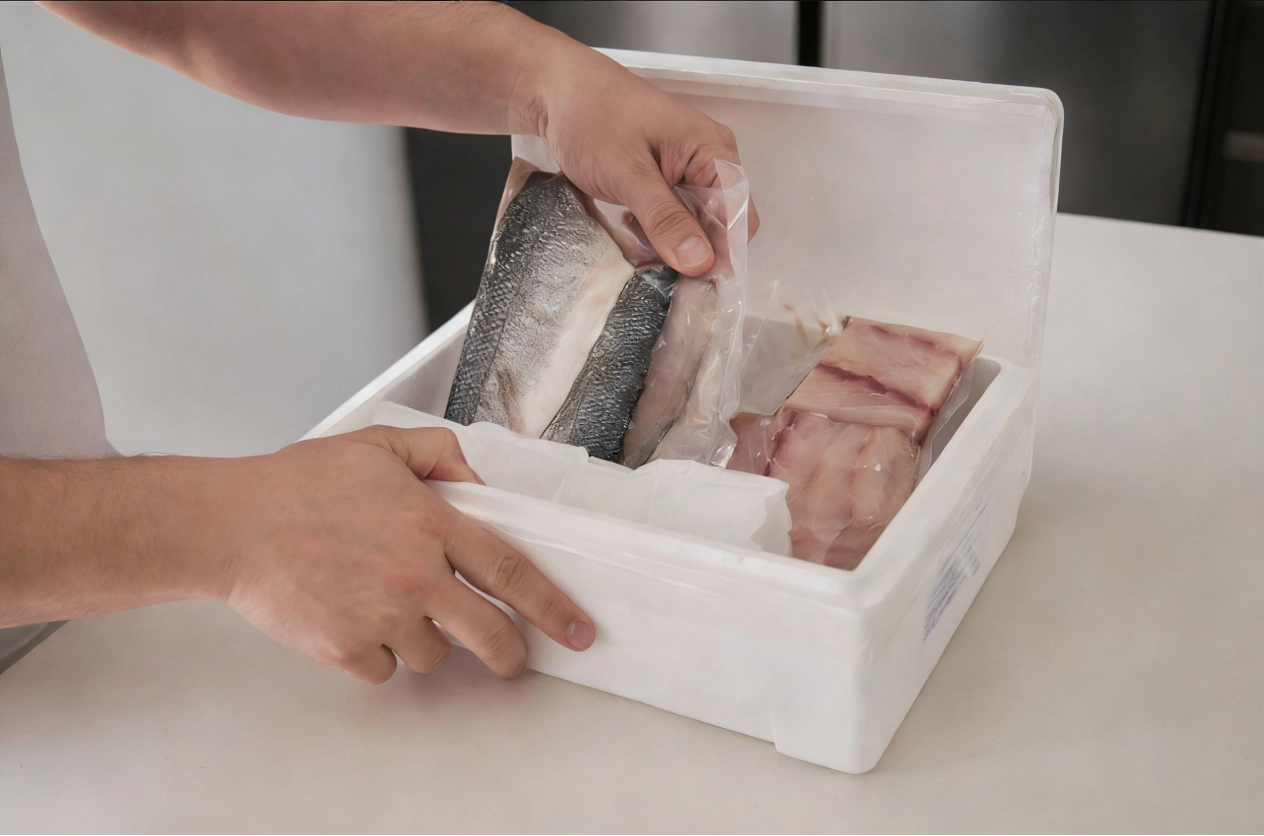
In the fresh food market, the EPS holder does two jobs. It blocks heat. It stops drips too. The small bits must join tightly in shaping. Gaps let meltwater escape. Or heat air slips through.
Fine EPS resin makes a “close join.” This forms a waterproof wall vital for sea and meat moves. Also, the stuff stays steady in mixes. It suits touch with food, direct or not. Buyers here want clean base items. No dirt, only pure, top polystyrene.
Pharmaceutical Reliability
The stakes are even higher for pharma. Vaccines and temperature-sensitive drugs need to stay within a strict temperature range (often 2°C to 8°C). Specialized high-density EPS boxes are used here. The walls are thicker, and the beads are molded under higher pressure. Sourcing for this niche means looking for suppliers who can guarantee strict consistency in bead size and density control. A variation of even 10% in density can alter the insulation properties, which is a risk pharmaceutical companies will not take.
Navigating the Supply Chain: How to Choose Your Partner
We have established that the demand is huge. But for international buyers, actually getting the material can be a headache. The chemical market is volatile. Prices for Styrene Monomer (the main ingredient in EPS) fluctuate based on oil prices. Supply chains get disrupted. Quality varies wildly between suppliers. Developing a solid EPS material sourcing strategy is not just about finding the lowest price tag; it is about finding stability.
If you are sourcing from or for the Asia-Pacific market, you need a partner, not just a vendor. You need an EPS foam manufacturer who understands the difference between a board meant for a wall and a box meant for a fish.
- Look for Capacity and Consistency: Small factories might offer a lower price today, but can they deliver 50 containers next month when your production spikes? You need a supplier with significant production capacity.
- Check the Specs: Do not rely on generic terms like “good quality.” Ask for data. What is the blowing agent content? What is the sieving specification? A professional supplier will have datasheets ready for their Flame Retardant and Common grades.
- Logistics Expertise: EPS resin has a shelf life. It contains a blowing agent (pentane) that can escape over time if not stored properly. A good supplier knows how to pack and ship the resin so that when it arrives at your factory, it is still fresh and ready to expand.
The market is full of traders who never see the product they sell. Working directly with established manufacturers ensures you have technical support when things go wrong—because in manufacturing, eventually, something always needs adjusting.
Conclusion
The numbers don’t lie. The Asia-Pacific region is building more and buying more than anywhere else, and EPS foam is the material making it possible. Whether it is the EPS insulation demand driven by green policies in China or the cold chain EPS packaging keeping food fresh across the continent, the opportunities are massive. However, capitalizing on this boom requires more than just showing up. It requires choosing the right grade of material—be it Flame Retardant for safety or Common Grade for versatility—and partnering with a manufacturer who values quality as much as you do.
Don’t let supply chain uncertainties hold your business back. If you are looking for a reliable source of high-quality EPS resin that meets international standards, it is time to talk to the experts. Contact HUASHENG today at info@r-eps.com to discuss your specific needs, get a quote, and secure your supply chain for the future.






 English
  German
  Spanish
  French
  Arabic