
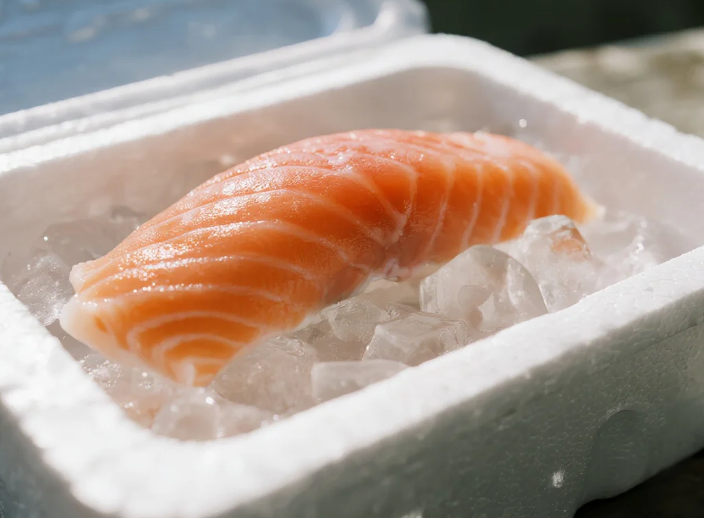
A fresh, high-quality salmon caught in the cold waters of Norway travels across Europe to finally reach a restaurant’s plate. Its freshness, flavor, and safety rely completely on one key element: the cold chain. Products such as seafood, vaccines, and fragile electronics all require constant temperatures while in transit. However, many traditional materials no longer meet the needs. As supply chains grow longer, the need for improved choices increases. Demand for better options rises as supply chains stretch further. This article explores how Graphite EPS (Expanded Polystyrene), a substance well-known in building, is becoming a vital player in the demanding area of cold chain logistics and packaging. It provides wiser ways to maintain our perishable items and delicate products in perfect condition.
Key Challenges in Cold Chain Logistics
Cold chain logistics keep products at the right temperature from start to finish. But hurdles pop up often, making it tough for businesses to deliver without issues. These problems hit costs, safety, and even the planet. Let’s break them down to see why new materials like graphite EPS are gaining ground.
Costly Temperature Fluctuations
Fluctuations in temperature can spoil entire loads. For example, if a truck carrying vaccines hits a warm spot, the whole batch might go bad. Studies show that in the pharmaceutical world, temperature slips cause losses up to $35 billion each year worldwide. Traditional foams sometimes fail under heat stress, letting cold air escape. This means higher energy use for cooling systems, pushing up bills. Shippers end up paying more for fuel and repairs. Graphite EPS steps in here, offering steady performance that cuts these risks. But first, consider how even small changes add up over long hauls.
Moving from costs tied to heat loss, another big worry involves physical harm and moisture buildup during transit. These factors not only damage goods but also create hidden expenses that build over time. Understanding them helps highlight why materials need to do more than just insulate.
Risks of Damage and Condensation
Goods in transit face bumps, drops, and humidity shifts. Condensation inside packages cause mold or corrosion, especially for electronics or foods. Information from shipping reports shows that damage requests hit 15% in certain fields because of weak packaging. Expanded polystyrene foam helps cushion items, but without added features, it might absorb water and weaken. This leads to breaks or spoilage. Custom EPS foam from reliable EPS foam manufacturers can tailor shapes to fit products snugly, reducing movement. Yet, when moisture sneaks in, even strong setups falter. Addressing this calls for materials that resist water while staying tough.
Beyond immediate threats like damage, the push for greener practices adds another layer. Companies now face rules and customer demands for eco-friendly choices. This shift influences every part of the chain, from materials to waste management.
Pressure for Sustainable Logistics
Sustainability isn’t just a buzzword; it’s a must. Regulations like Europe’s Green Deal aim to cut emissions by 55% by 2030, affecting transport heavily. Old packaging often ends up in landfills, contributing to plastic waste that totals 350 million tons yearly globally. Firms seek options that recycle well or use less material. Expanded polystyrene packaging can be part of this if made right, but many types aren’t efficient. Graphite enhanced EPS brings better insulation with less bulk, meaning fewer resources are used overall. This helps meet goals without sacrificing quality. As pressures mount, innovative materials become key to staying compliant and competitive.
Core Advantages of Graphite EPS for Cold Chain
Graphite EPS builds on standard expanded polystyrene foam by adding graphite particles. This mix boosts properties, making it ideal for demanding logistics. From better heat control to durability, it tackles common pain points. Let’s examine what sets it apart, showing why it’s a go-to for modern supply chains.
Superior Insulation Performance
Insulation is the heart of cold chain success. Graphite EPS insulation board reflects heat better than plain EPS, with thermal conductivity as low as 0.030 W/mK. This means containers stay cooler longer, even in hot climates. Tests reveal it holds temperatures 20-30% better in extended trials. For shippers, this translates to less reliance on active cooling, saving energy. EPS polystyrene beads infused with graphite create a uniform structure that traps air effectively. Unlike some alternatives, it doesn’t degrade quickly under UV light. This edge makes graphite EPS a smart pick for long-distance hauls.
Shifting focus from heat control, weight and strength play big roles too. Lighter materials ease handling, while strong ones protect against impacts. Graphite EPS balances both, offering practical benefits for daily operations.
Lightweight and High Strength
At densities around 15-30 kg/m³, graphite EPS is feather-light yet sturdy. It can withstand compression up to 150 kPa, guarding contents from shocks. In packaging, this means custom EPS foam shapes that fit perfectly without adding extra weight to shipments. Lower weight cuts fuel costs—trucks use about 0.3% less fuel per 100 kg reduced, per industry stats. This reliability helps avoid failures that plague heavier materials. Overall, it’s a win for efficiency and safety.
With insulation and strength covered, stability in wet conditions seals the deal. Moisture can ruin many insulators, but graphite EPS holds up well. This feature rounds out its advantages for varied environments.
Moisture Resistance and Stability
Water exposure is a common foe in logistics. Graphite EPS repels moisture with absorption rates under 2%, far better than some foams that soak up 10% or more. This keeps insulation effective and prevents mold. In humid routes, like Asia’s monsoon areas, it maintains shape without swelling. Expanded polystyrene packaging made with graphite stays stable across -40°C to 80°C. Such a range suits global needs. Plus, it’s non-toxic, adding safety for food contact. These traits make it versatile for tough conditions.
Innovative Applications in Key Industries
Graphite EPS isn’t stuck in one niche; it adapts across sectors. Its blend of insulation and protection opens doors in food, pharma, and beyond. Real examples show how it solves specific problems, inspiring businesses to rethink their approaches.
Food and Pharmaceutical Freshness
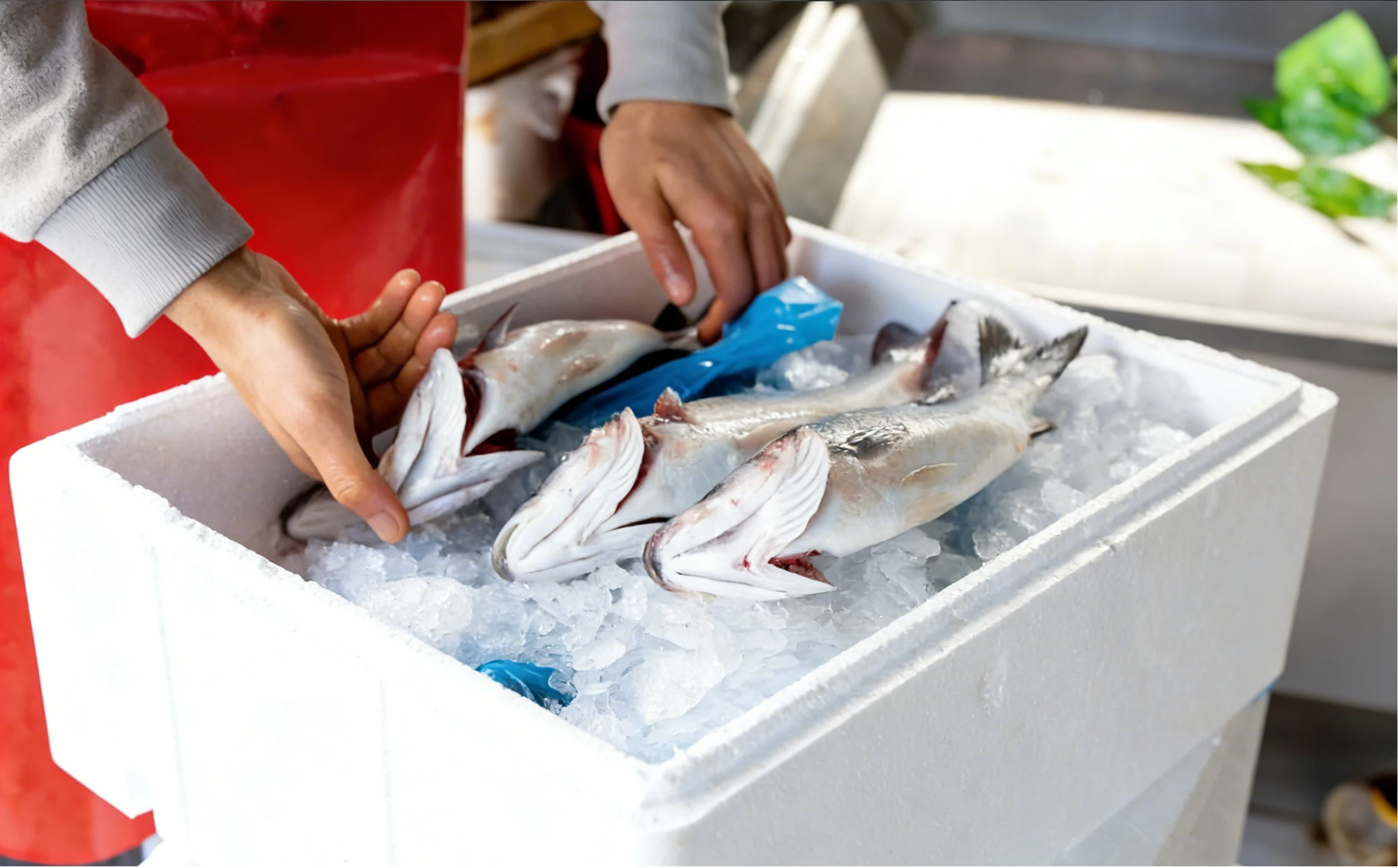
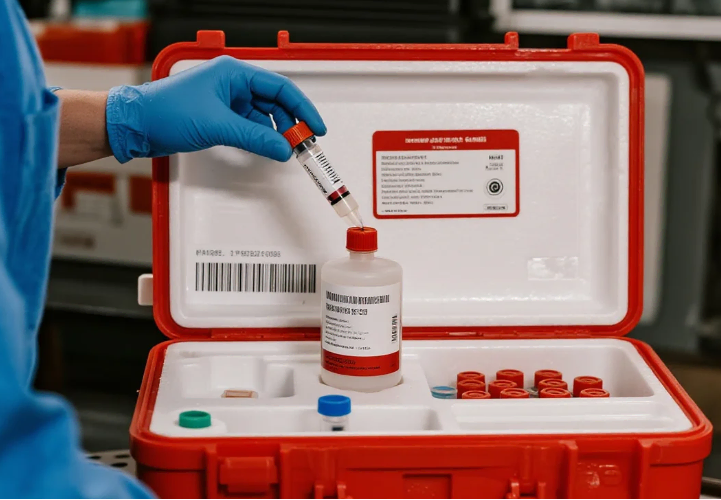
In Europe’s fish trade, graphite EPS keeps salmon at 0-4°C during 48-hour trips from Norway to France. Containers lined with graphite EPS insulation board reduce ice melt by 25%, per case studies. This extends shelf life for high-end produce like berries or ice cream. For vaccines, it maintains -70°C in dry ice setups, crucial for biologics. Expanded polystyrene foam beads form custom shapes for vials, preventing shifts. In one trial, shipments using graphite-enhanced EPS saw zero spoilage versus 5% in standard packs.
Protective Packaging for Sensitive Goods
Precision instruments, like lab gear, need shock absorption. Custom EPS foam molds from EPS foam manufacturers cradle items, cutting vibration damage by 40%. For chemicals, graphite EPS packaging resists leaks and temperature swings, ideal for hazardous materials. Electronics, sensitive to heat, stay cool in graphite-enhanced EPS boxes during air freight. Expanded polystyrene packaging adapts to odd shapes, ensuring full coverage. These applications prove their worth in safeguarding valuables.
Analyzing Long-Term Investment Returns
Switching to graphite EPS involves upfront costs, but payoffs build over time. By crunching numbers on savings and durability, companies see the value. This section weighs the economics, helping decide if it’s worth the shift.
Calculating Total Cost Savings
Initial outlay for graphite EPS might run 10-20% higher than basic foams. Yet, savings kick in fast. Energy costs drop 15-25% due to better insulation, based on logistics data. Fewer spoilage claims save thousands— one firm reported $50,000 yearly reductions. Recycling graphite EPS cuts waste fees; it’s 100% recyclable in many places. Over five years, ROI hits 200% for high-volume users. EPS polystyrene beads in custom forms add efficiency, trimming labor too.
Beyond immediate savings, longevity matters. Materials that last reduce replacements, locking in value. Graphite EPS delivers on this, supporting sustained operations.
Ensuring Long-Term Performance Stability
Durability tests show graphite EPS retains 95% insulation after 10 years, unlike some that lose 20%. In harsh conditions, it withstands cycles without cracking. This means fewer repacks and repairs. Expanded polystyrene foam from top makers holds certifications for longevity. Businesses report 30% longer service life in field use. Such stability builds trust, aiding compliance with standards like ISO 22000 for food safety. Investing here pays off in reliable chains.
Conclusion
Graphite EPS goes beyond typical uses, proving itself as a flexible powerhouse in logistics. Its strong insulation, light build, and water resistance redefine how we handle temperature-sensitive goods. For companies in food, drugs, or transport, turning to this material strengthens supply lines against disruptions. It also aligns with green targets, cutting waste and energy. Now, contact HUASHENG at info@r-eps.com for customized solutions to enhance your company’s resilience and efficiency in meeting future challenges.






 English
  German
  Spanish
  French
  Arabic