
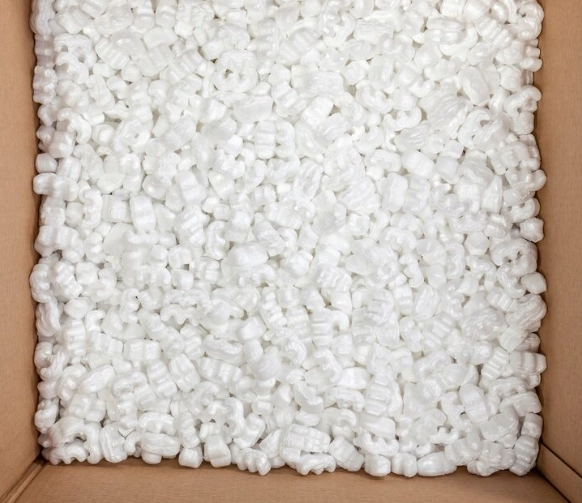
EPS foam stands out for being light in weight, good at keeping heat inside, and able to stay dry even in wet places. Its abilities change mostly because of how dense it is and how it is made. Low-density kinds work great for keeping things warm and for packing items safely. High-density kinds give much stronger support when things press down on them. People use them in building work and road projects. Important points include how well it handles heat, how it cushions shocks, and how little it costs. You can also buy special kinds that do not catch fire easily. The right choice depends on what your project really needs.
Understanding EPS Foam Types for Industrial Applications
Overview of Expanded Polystyrene (EPS) Foam
Expanded polystyrene, or EPS, is a light yet stiff material that lasts long. People like it because it keeps heat from moving and can be used in many ways. Workers make it from tiny polystyrene beads. They add steam, and the beads grow big. The final foam is almost all air – about 95%. This design gives great warmth protection, keeps water out, and stands up well to bumps. Factories and building sites love EPS foam types for their strength and low price.
When you compare it to extruded polystyrene (XPS), EPS comes from beads. This lets makers change the shape and thickness easily. That is why people pick it for packing goods, keeping buildings warm, or filling big spaces under roads.
Key Differences Between EPS and Similar Materials
EPS and XPS both start from polystyrene, but the way they are built is very different. For EPS, steam makes the beads grow, then they are pressed together in molds. XPS comes out as one long flat sheet. Because of this, XPS usually feels smoother.
At the same weight, XPS can usually hold more pressure. However, EPS lets air and water move through a little better. It stays light, hard, and dry. These things make EPS perfect for packing, warmth panels, or light fill under concrete. The bead style also makes EPS simpler to recycle than XPS.
The Manufacturing Process of EPS Foam
Pre-expansion Stage
Everything starts with small polystyrene beads. Inside them is a gas called pentane. Workers put the beads in a big tank and add steam. Heat makes the beads blow up – sometimes forty times bigger than before. Now they are light and fluffy.
Aging and Stabilization
Next, people move the puffy beads to big open containers. They stay there for hours or even days. Air goes in and out. Pressure inside each bead becomes the same as outside. Water inside them becomes even. This step is very important. It helps the final product stay strong and even.
Molding into Final Forms
When the beads are ready, workers put them inside molds. Steam comes again. The outside of each bead gets soft and sticky. Beads join together perfectly. Workers can make big blocks, flat sheets, or special shapes. How hot and how much pressure they use decides how heavy and strong the finished piece will be.
How Density Influences the Performance of EPS Foam?
Characteristics of Low-Density EPS Foam
Low-density EPS usually weighs 10 to 15 kilograms per cubic meter. It keeps heat inside very well but cannot carry heavy things. People use it to fill empty spaces, protect items in boxes, or keep rooms warm when no one walks on it.
Characteristics of High-Density EPS Foam
High-density EPS weighs 20 to 40 kilograms or even more per cubic meter. It stays in shape even when heavy things sit on it. This kind is perfect for roads built on soft ground, under concrete floors, or anywhere big weight will press down.
HUASHENG Product Highlight: Standard Grade-E
HUASHENG’s Standard Grade-E works well for many normal jobs. Buyers can pick different thicknesses. It fits packing work, warmth boards, and pretty shapes inside buildings. This grade can go back into the recycling machine easily. That helps the planet.
Performance Characteristics of EPS Foam in Industrial Applications
Thermal Insulation Properties
Builders love EPS because it stops heat from escaping. Its warmth number stays around 0.035 W/m·K. The tiny closed pockets keep the warmth protection steady for years. That is why new houses and cold-storage trucks use it a lot.
Lightweight and Easy Handling Benefits
EPS weighs very little. Workers can carry it without heavy machines. Trucks do not spend much fuel to move it. On building sites, time and money get saved.
Shock Absorption and Impact Resistance
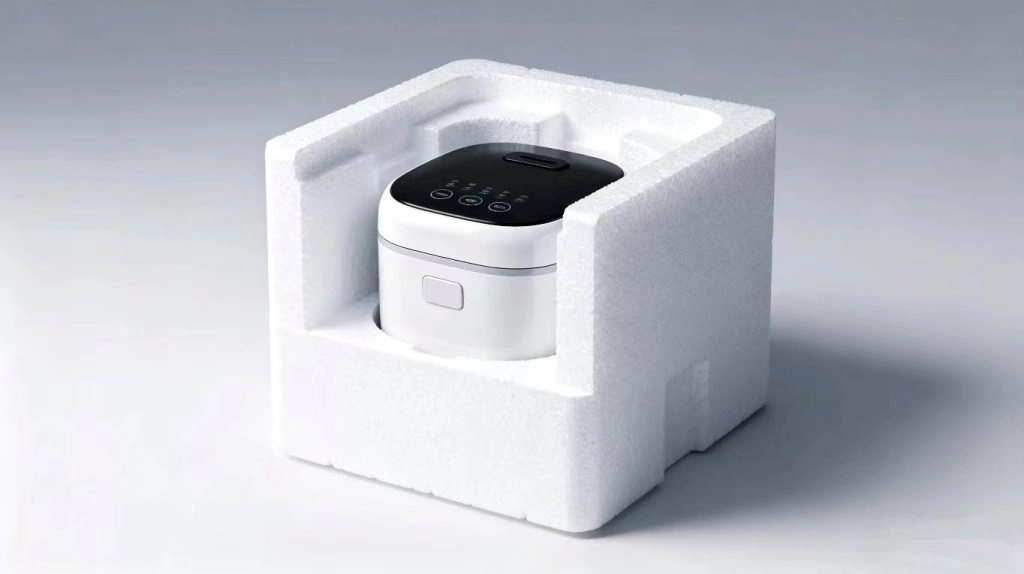
When things fall or bump, EPS takes the hit and keeps the product safe. Companies that send computers or machines trust EPS packing inserts and corner guards.
Moisture Resistance and Chemical Stability
Water almost never soaks into EPS because every little pocket is closed. Rain or wet ground does not hurt it. Most chemicals in factories do not damage it either.
Customizability for Specialized Applications
Factories can cut or shape EPS any way they need. Computers guide the knives. The foam turns into fancy wall decorations or exact parts for machines without breaking.
Economic Efficiency Compared to Alternatives
Among warmth materials, EPS usually costs the least money for the same area. Picking the right thickness saves cash both now and later.
Recyclability Considerations in Industrial Use Cases
EPS can become new things again. Machines crush it and make new blocks or mix it with plastic for benches and frames. HUASHENG helps by making grades that recycle without trouble.
Common Industrial Applications of EPS Foam
EPS foam is used for building insulation, lightweight geofoam fill, protective packaging for fragile and cold items, road/railway stabilization, and custom architectural or theatrical components, with fire-retardant grades available for safety.
Building Insulation Systems
Wall Panels, Roof Decks & Floor Slabs
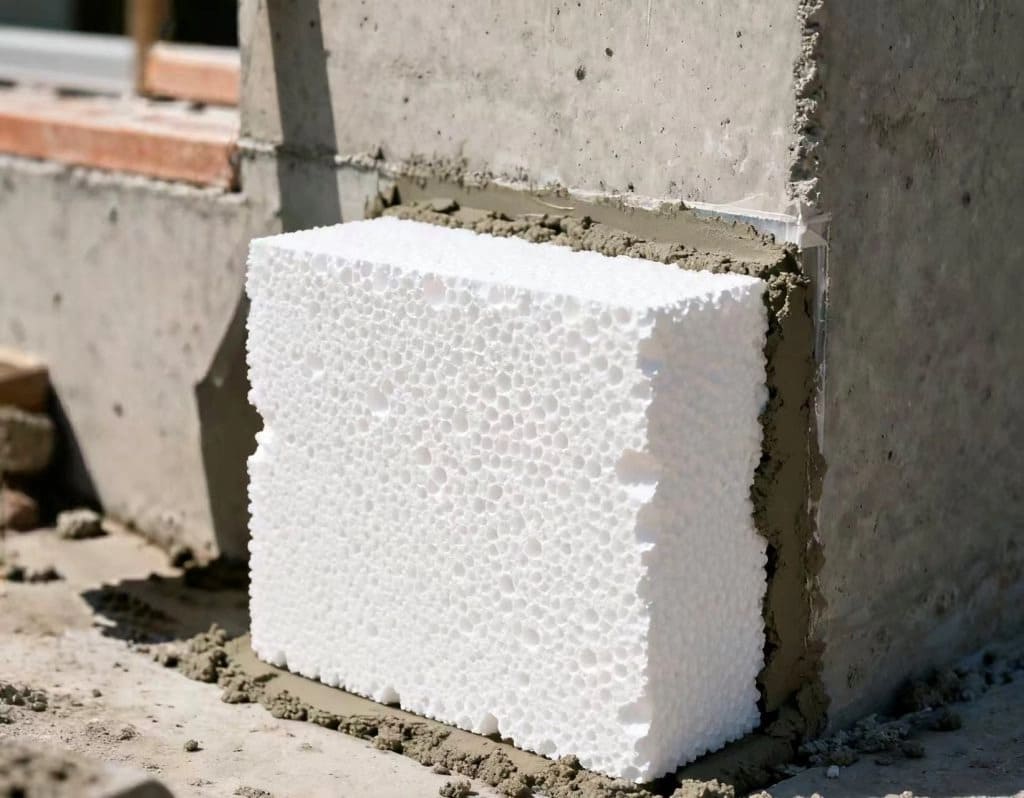
EPS comes as big boards or blocks. They stop cold or heat from moving through walls, roofs, and floors. Warmth stays steady all year.
Foundation & Geofoam Fill
Under houses or roads, soft dirt can sink. Big EPS blocks act like strong but light dirt. They stop the ground from dropping too much.
HUASHENG Product Highlight: Flame Retardant Grade-F
HUASHENG’s Flame Retardant Grade-F passes tough fire tests. It still keeps heat out very well. Builders pick it when rules say fire safety matters most.
Protective Packaging Solutions
Electronics & Fragile Goods
Custom shapes hug the product. If the box falls, the foam eats the shock. Screens and parts arrive without scratches.
Temperature-Controlled Packaging
Fish, medicine, or ice cream stay cold inside EPS boxes for many hours. The thick walls keep outside heat away.
Civil Engineering & Infrastructure Projects
Road Embankments & Bridge Abutments
On hills or soft dirt, EPS blocks make the ground stronger. Cars and trucks drive safely without the road sinking.
Railways & Airport Runways
Planes and trains are very heavy. EPS under the concrete spreads the weight. The runway stays flat for years.
Custom Fabrication & Decorative Components
Architectural Moldings & Signage
Artists and builders carve beautiful curves and letters from EPS. Paint sticks well, and the pieces weigh almost nothing.
Theater Props & Exhibition Structures
Stage designers build giant shapes fast. The props look real but one person can lift them. Trade-show booths go up and come down quickly.
Limitations and Considerations When Using EPS
Temperature Resistance Limitations
EPS starts to get soft near 75–80 °C. Keep it away from very hot pipes or factory ovens. Sometimes a metal cover is needed.
Fire Safety Concerns Without Additives
Normal EPS can burn. Most city rules ask for fire-safe kinds. Choose HUASHENG Flame Retardant Grade – F when fire rules are strict.
Environmental Impact and Disposal Challenges
EPS can be recycled, but not every town has the machines. Throw it away the wrong way and tiny pieces can hurt nature. Always look for the right recycling place.
FAQs
Q: What type of HUASHENG EPS foam is suitable for building insulation with fire safety requirements?
A: HUASHENG’s Flame Retardant Grade–F is made exactly for jobs that need strong warmth protection plus strict fire rules.
Q: How do I choose the right density of EPS foam for my industrial project?
A: Use 10–15 kg/m³ when you only need warmth or light packing. Pick 20–40+ kg/m³ when heavy things will sit on it, like roads or floors. HUASHENG can make whatever thickness your job needs.
Q: Is HUASHENG’s Standard Grade-E recyclable?
A: Yes. People can grind it up and turn it into new foam or other plastic items again and again.






 English
  German
  Spanish
  French
  Arabic