
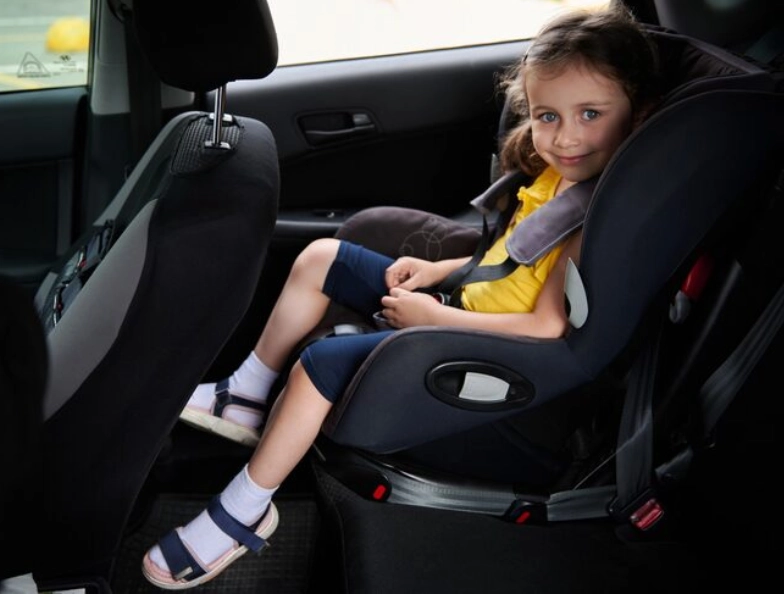
Safety features in child car seats have evolved far beyond the simple fixed roles into comprehensive protective systems. With rising vehicle speeds and more varied collision patterns, designers face the task of combining strong impact defense, light weight, user comfort, and efficient production. The choice of materials now plays a direct part in determining how well a seat handles crash forces and preserves its framework during accidents. In this context, expanded polystyrene (EPS) stands out as a fundamental element for safety, working not merely as basic padding but as a carefully crafted component designed to alleviate impact in modern child restraint systems.
Why Has EPS Become Essential in Child Car Seat Protection Systems?
Before exploring specific design methods, it helps to understand the reasons EPS has largely replaced conventional foam types in critical safety roles for child seating products.
How Does EPS Absorb Impact Energy Efficiently?
The material features a closed-cell structure of beads that undergo steady, gradual compression under force. During a crash, EPS deforms in a permanent way instead of springing back, thereby transforming kinetic energy into internal structural changes. Such behavior lowers peak acceleration reaching the child’s head and body. In contrast to soft padding that recovers swiftly, EPS spreads out the slowing process across a long period, which is important to reduce injury risk in head-on and side collisions.
Why Does Lightweight Structure Improve Overall Seat Safety?
Weight exerts considerable influence upon impact behavior. Seats with lower mass produce reduced inertial loads when abrupt slowing occurs. EPS delivers excellent energy dispersion despite its minimal density, enabling engineers to lighten the seat weight while maintaining defensive capabilities. The lightweight feature helps more accurate installation by caregivers, which in turn lowers mistakes during everyday installation and boosts real-world protection levels.
How Does Particle Structure Influence Impact Performance?
Bead dimensions and their evenness determine the uniform spread of stresses throughout the foam body. Small and even bead patterns promote reliable compressing processes, while density gradients allow different zones of the seat to respond according to expected impact loads. This adjustable quality makes EPS well-suited for zone-specific protection strategies.
How Do Engineers Optimize EPS for Different Crash Scenarios?
Collision incidents differ widely in angle, speed, and duration. EPS permits customization of defensive features to address these variations instead of relying on identical padding everywhere.
How Is Side Impact Protection Enhanced?
Lateral crashes frequently create substantial rotational forces around the head area. EPS blocks near the headrest and shoulders feature greater thickness and adjusted density to counteract lateral loads. The material crushes inward, thereby decreasing rotational speeds while keeping the head properly aligned inside the protective shell.
Why Must Head Protection Use Specialized Foam Density?
The human skull withstands far lower acceleration limits compared with the trunk region. For that reason, EPS density gets fine-tuned in zones contacting the head to postpone forceful transfer and avoid deep penetration. Layered density configurations provide gentle beginning compression that shifts toward stronger opposition as collapse advances, thereby diminishing risks in intense crashes.
How Does EPS Help Reduce Rebound Motion After Impact?
Since EPS experiences lasting shape change, it spreads energy without retaining it for elastic return. This trait restricts movement after the initial event, assists the restraint harness in staying properly adjusted, and helps avoid additional injuries from sudden seat snap-back.
How Does Manufacturing Accuracy Affect Seat Safety Performance?
Merely possessing suitable material traits falls short of ensuring reliable safety results. Accurate production processes ensure that EPS behaves stably throughout high-volume output.
How Does Particle Expansion Consistency Affect Strength?
Uniform pre-expansion creates beads with similar internal pressure and cellular structure. Such consistency strengthens fusion during molding and removes potential weak spots that might weaken crash behavior. Stable mechanical traits remain crucial for passing approval tests and long-term durability over time.
Why Does Molded Shape Accuracy Matter?
EPS components need to fit precisely in the seat frame to distribute forces along proper routes. Inaccurate sizing risks focal stress concentrations or gaps that impair energy absorption capacity. Precise molding ensures that impact forces spread through designated structural paths.
How Does Rapid Prototyping Improve Design Validation?
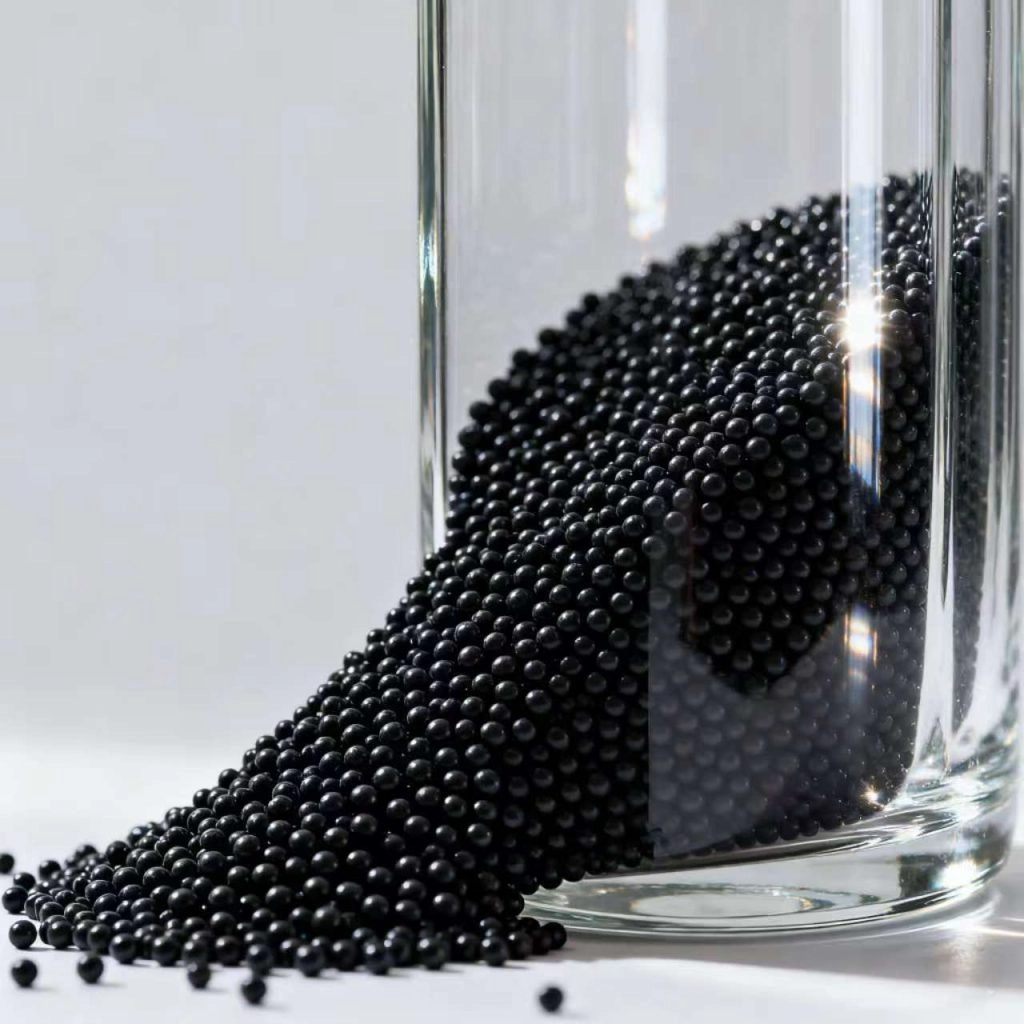
Shorter development periods increasingly rely on swift testing loops. In preliminary phases, teams frequently employ materials like rapid prototyping grade–B material to assess form, density placement, and component interactions promptly, which accelerates confirmation stages while retaining the real mechanical performance suitable for evaluation.
Where Does Material Innovation Support Future Seat Safety Improvements?
Apart from collision protection, child seats also need to consider comfort, weather exposure, and long-term service life.
How Does Graphite-Enhanced EPS Improve Thermal Comfort?
EPS modified with graphite boosts heat insulation through reflection and absorption of infrared radiation. Applied in child seats, this capability moderates surface temperature under extreme climatic conditions and reduces discomfort from overly hot or chilled seated components. Materials such as special grade–G filling material support both structural filling and thermal management without heavy weight.
rapid prototyping grade-B material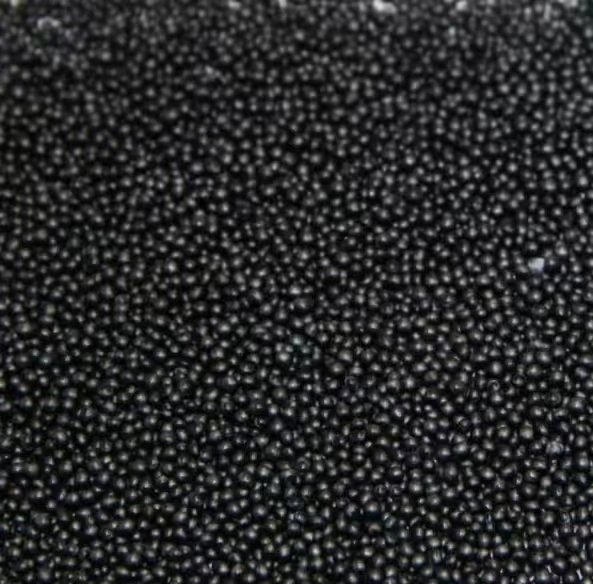
How Does Recyclable EPS Support Sustainable Product Development?
Properly processed EPS undergoes recycling and reprocessing with only slight reductions in quality. Rising demands for eco-friendly practices allow recyclable foam designs to cut ecological footprints while preserving required safety levels. Adopting circular approaches also strengthens material availability in the long run.
Can EPS Structures Adapt to Smart Safety Systems?
Future child seating products increasingly feature embedded sensors and adaptable protective elements. EPS suits these advancements due to its forming flexibility and size stability, permitting internal spaces or pathways for wiring and sensing units without compromising load-bearing ability.
How Do Advanced Manufacturing Partners Support Safety-Oriented Seat Development?
High-performance EPS applications rely on stable manufacturing environments and technical cooperation.
Why Does Production Stability Matter for Safety Materials?
Steady raw material quality ensures every molded component aligns with engineering expectations. Changes in bead sizes or density can alter energy absorption and influence certification. However, reliable supply chains help minimize such risks.
How Can Technical Support Improve Product Optimization?
Material customization often requires close collaboration between seat engineers and manufacturing experts. Modifications to procedures, density adjustments, and mold optimization benefit from shared technical expertise.
What Role Does Industrial Innovation Play in Future Safety Products?
With the increasing demands for consistent energy absorption, density control, and long-term stability in child safety seats, HUASHENG leverages the mature EPS foaming control system, refined particle size management, and multi-level material solutions to provide a stable and replicable material foundation for safety seat manufacturing. Our experience in engineering-grade EPS applications ensures that material performance is consistently translated into structural safety, rather than remaining merely at the level of experimental data.
Conclusion
Expanded polystyrene occupies a critical position in contemporary child car seat protection due to its combination of light weight and controlled energy absorption. Continuous advancements hinge on exact density control, improved production accuracy, and compatibility with emerging protective technologies. When material progress aligns with stable industrial production systems, EPS will keep supporting safer, lighter, and more environmentally friendly child restraint solutions.
FAQs
Q: Does EPS lose protective performance after one crash event?
A: Indeed. Because EPS manages energy via irreversible deformation, affected sections require replacement following any significant collision.
Q: Why are multi-density EPS structures used in premium child seats?
A: Various impact regions demand distinct energy-handling characteristics, rendering density differences necessary for well-rounded defense.
Q: Can recycled EPS be used in child seat safety components?
A: Under stringent quality oversight during processing, recycled EPS achieves necessary structural standards, although implementation remains subject to regulatory clearance and thorough design confirmation.






 English
  German
  Spanish
  French
  Arabic