
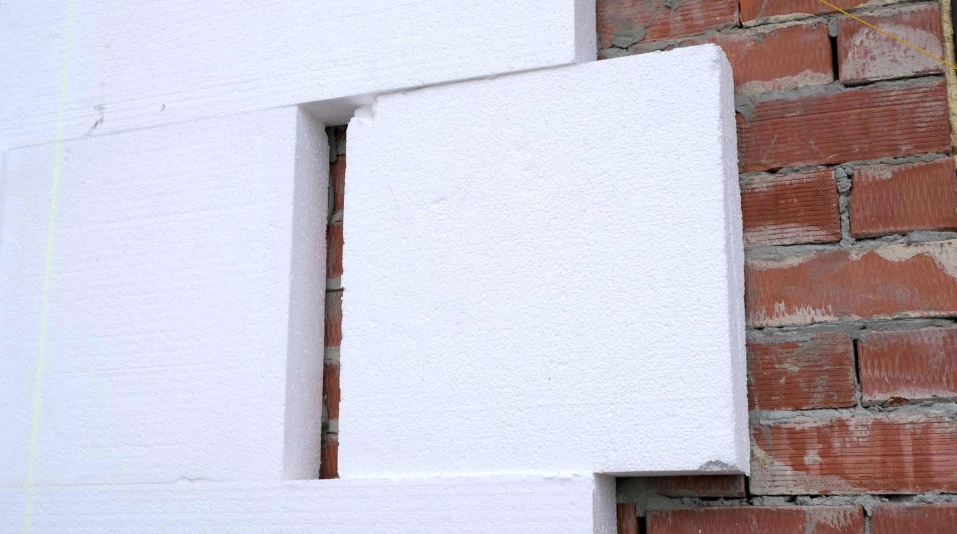
Structural Insulated Panels (SIPs) now occupy a major place among high-efficiency building shells due to their ability to merge structural support with continuous insulation layers. Stricter energy regulations and rising utility expenses place greater emphasis on the core material’s capacity to control thermal behavior across the entire structure. Effective insulation must restrict thermal transfer, maintain its size stability over many years, and integrate seamlessly with the facing to maintain airtight conditions. Against this backdrop, expanded polystyrene (EPS) emerges as a widely used core material that successfully balances strong thermal resistance with practical assembly, safety, and long-term reliability.
Why Do SIPs Rely on EPS as a Primary Insulation Core?
Before exploring enhanced materials, understanding the reasons for which EPS is established as the standard option for many SIP structures is useful.
How Does EPS Reduce Heat Transfer Inside Panels?
EPS is closed-cell foam that is filled with air trapped in a regular bead structure. Since still air conducts heat poorly, immobilizing it inside tiny cells markedly slows conductive transfer. Positioned as the continuous middle layer in SIPs, EPS reduces linear thermal bridges that commonly occur in framed assemblies. This continuity helps maintain steady indoor climate conditions and decreases peak heating and cooling loads across seasons.
Why Does Lightweight Insulation Improve Panel Efficiency?
Panel weight influences both construction efficiency and overall thermal effectiveness. EPS supplies high insulating capability despite its minimal weight, thereby permitting sizable panels to undergo transport and positioning using limited mechanical assistance. Lighter panels reduce stress applied to base structures and connection points, opening possibilities for more adaptable architectural layouts. From a thermal perspective, easier installation also diminishes the risk of unintended voids or over-compression that can degrade the insulating performance.
How Does Foam Density Influence Thermal Stability?
Choosing appropriate density involves finding a balance between insulating effectiveness and load-bearing capacity. Excessively sparse material risks gradual thickness reduction under sustained pressure, while overly dense formulations sacrifice thermal resistance. Well-controlled EPS fabrication ensures even bead development, preserving uniform density throughout each panel area. Such uniformity enables SIPs to deliver dependable resistance to heat passage during their full operational lifespan.
How Do Advanced EPS Formulations Improve SIP Thermal Efficiency?
Although conventional EPS already achieves solid results, specially adjusted compositions enhance thermal capability further while leaving panel sizes stable.
How Do Graphite or Carbon Additives Improve Insulation?
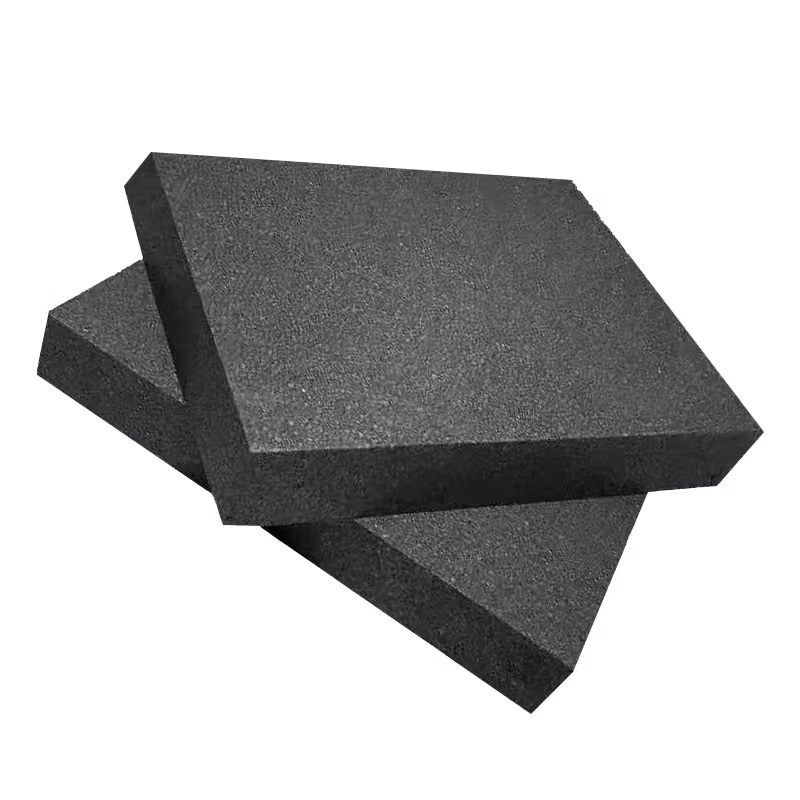
Incorporating graphite particles into EPS introduces elements that capture and reflect infrared radiation in the cellular structure. This mechanism noticeably curtails radiative heat passage between cell walls. Consequently, overall heat transfer rates fall below those in standard white varieties. In fixed-thickness SIP wall applications, options like black polystyrene FGE material (by suspension method) enable designers to attain higher R-values without modifying load-bearing structures. The suspension polymerization technique also ensures uniform distribution of these additives, promoting reliable thermal behavior across large production batches.
Can Improved Foam Structure Reduce Panel Thickness?
Lower thermal conductivity permits equivalent insulating performance in thinner profiles. Thinner designs reduce additional interior areas and streamline the building details of doors, windows, and other penetrations. Low thickness also reduces raw material consumption and shipping bulk, thereby gaining more profit from the general project while satisfying strict energy performance standards.
How Does EPS Improve Structural Stability in SIP Panels?
Excellent thermal performance must coexist with great mechanical strength, particularly in load-carrying panel systems.
How Does EPS Support Load Distribution Inside Panels?
EPS cores adhere firmly to stiff outer layers, forming integrated composite elements. The foam effectively conveys shear stresses across facing surfaces and spreads applied forces uniformly, thereby avoiding localized pressure accumulation. The combination of elastic and plastic characteristics enables absorption of slight size changes without fracturing, thus preserving both load-carrying ability and thermal continuity.
Why Is Dimensional Stability Important for SIP Longevity?
Unnecessary size changes can undermine airtight sealing and insulating effectiveness. EPS has minimal water absorption and maintains a stable shape under ordinary indoor and outdoor environments. Correctly specified grades can resist contraction and distortion, helping panels in preserving stable seams and thermal behavior over time.
How Does Manufacturing Precision Influence Panel Quality?
Consistent bead sizes paired with strictly controlled expansion processes produce reliable particle fusion, which can strengthen resistance to compression and enhance bonding strength to close panel surfaces, thereby reducing performance differences of individual panels. Dependable manufacturing practices directly contribute to predictable thermal and structural performance during field installation.
How Do Fire and Safety Requirements Affect SIP Core Material Choices?
Insulating capability represents only one aspect of suitability. Fire resistance characteristics increasingly become the core factors in determining the material selection of building envelopes.
How Does Flame-Retardant EPS Improve Panel Safety?
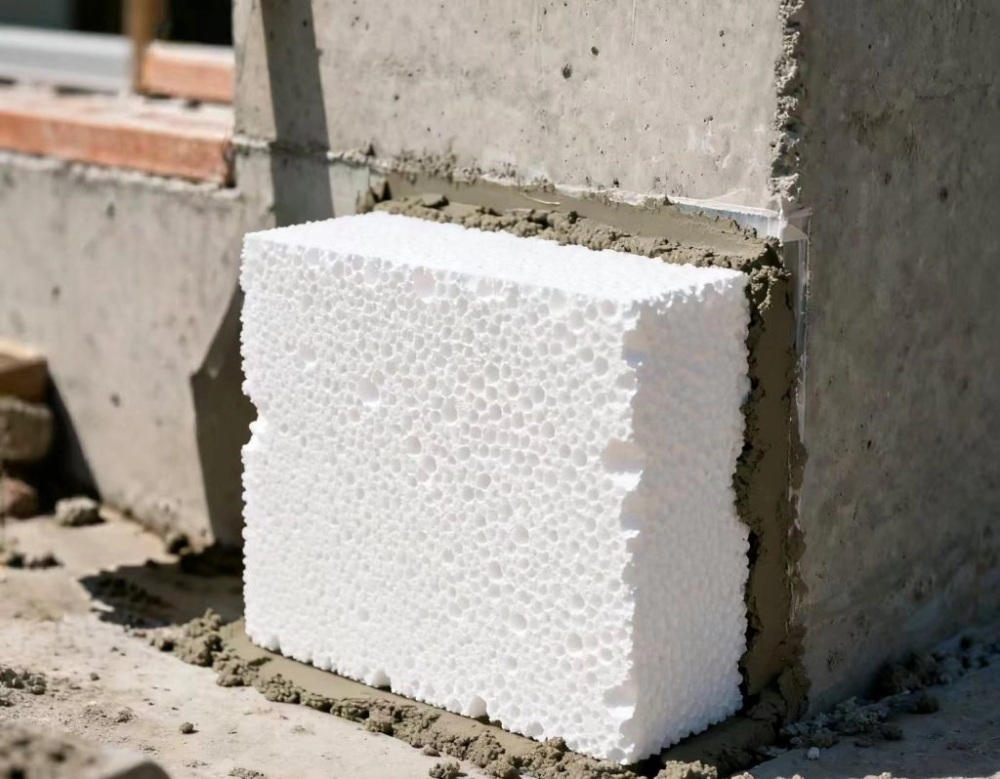
Modern EPS formulations include flame-retardant additives that delay ignition and restrict flame spread. In SIPs, such features promote a safer behavior during exposure to high temperatures. For projects demanding superior fire resistance and effective insulation, F-flame-retardant grade EPS material demonstrates successful reconciliation of thermal conductivity requirements with recognized building material fire classifications. Appropriate aging and processing maintain the alignment between actual fire protection performance and regulatory expectations.
Does Panel Design Also Influence Fire Safety?
Combustion behavior arises from the entire panel system rather than the core alone. Protective surface layers, joint sealing methods, and installation quality collectively shape outcomes. EPS cores achieve optimal results when incorporated in carefully engineered systems that restrict direct flame contact and regulate heat transmission routes.
How Do Advanced Manufacturers Support High-Performance SIP Insulation?
Achieving consistent SIP quality at project scale depends upon both material properties and robust fabrication support.
Why Does Manufacturing Consistency Matter for SIP Projects?
Large-scale SIP projects tend to produce thousands of units consistent in thermal and mechanical attributes. Inconsistencies in density distribution or bead fusion may generate uneven insulating levels and increase the difficulty of verification. Steady manufacturing operations reduce these uncertainties and contribute to meeting the specified performance standards.
How Does Industrial Innovation Improve Insulation Performance?
HUASHENG has developed the EPS products by automated production systems, precise density regulation, and continuous improvement of manufacturing methods. With the advanced foaming technology, continuous quality assessment monitoring, and large-scale material recovery infrastructure, we provide EPS products featuring reliable thermal insulation capacity and dependable compressive stability.
Guided by principles of sustainability and intelligent production, our operations successfully integrate recycled raw material with strict performance control. This framework is especially valuable in building insulation and prefabricated construction sectors where SIP production requires predictable material behavior. Continued commitment to process simulation and material development reinforces both thermal consistency and sustainability in contemporary SIP applications.
What Future Developments Will Further Improve SIP Thermal Performance?
Continued achievements in insulation technology proceed in parallel with broader sustainability objectives and emerging digital building practices.
How Will Low-Carbon Materials Shape Panel Development?
Utilizing recycled EPS reduces the embodied carbon content while preserving its essential insulating capacity. With lifecycle evaluation gaining routine acceptance, core materials that balance thermal effectiveness and diminished environmental footprint will increasingly receive preference across SIP projects.
Can Smart Materials Improve Energy Efficiency Further?
Emerging SIP concepts may incorporate EPS cores and integrated sensing elements, as well as composite insulation strategies. Such innovations could deliver immediate information about actual thermal conditions, facilitating more adaptive facility management while retaining the advantages of easy installation that distinguish SIP construction.
Conclusion
EPS insulation materials exert considerable influence on the thermal effectiveness of SIP sandwich panels through their combination of restricted heat conduction, shape retention, and compatibility with structural components. Enhanced compositions boost insulating capability without expanding panel depth, while flame-resistant variants satisfy necessary safety considerations. When supported by accurate fabrication processes and well-considered panel engineering, EPS cores enable SIP systems capable of addressing contemporary demands related to energy conservation, structural endurance, and responsible resource use.
FAQs
Q: Why is EPS commonly used instead of other foams in SIP panels?
A: EPS provides a well-rounded mix of thermal resistance, reduced weight, shape consistency, and economical production suitable for widespread panel manufacturing.
Q: Do graphite-enhanced EPS cores significantly improve SIP insulation values?
A: Certainly. Additives capable of capturing infrared radiation decrease radiative heat movement, thereby reducing overall thermal transmission rates while panel thickness remains unchanged.
Q: Can EPS-core SIPs meet current fire safety requirements?
A: Through the utilization of flame-resistant formulations and appropriately engineered panel configurations, EPS-based SIPs demonstrate compliance with prevailing building safety regulations.
 English
  German
  Spanish
  French
  Arabic