
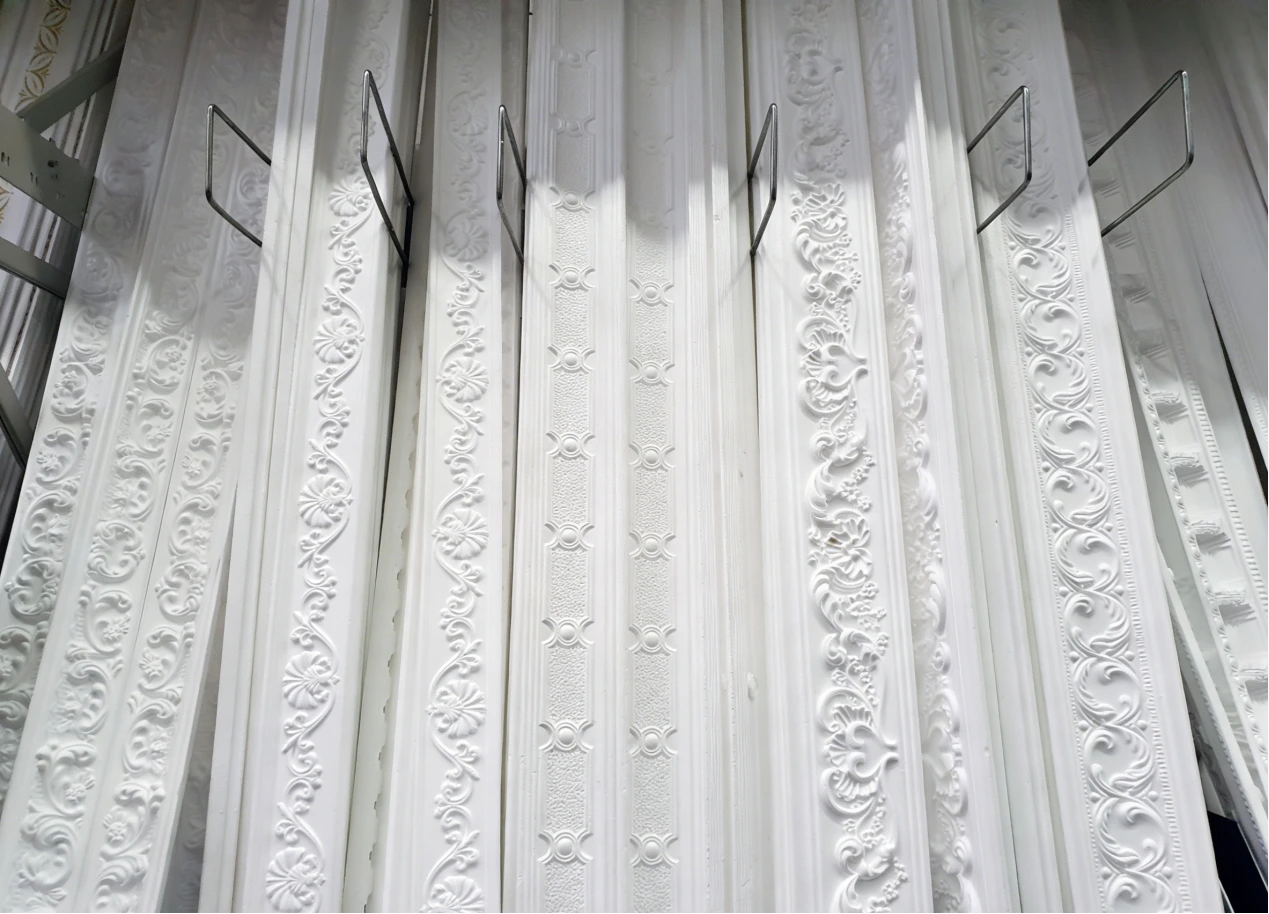
Construction costs reached historical highs recently, forcing real estate developers to completely rethink how they build. With interest rates squeezing project budgets and skilled labor becoming much harder to find, builders are quickly abandoning old, expensive habits. They desperately need materials that look premium from the street but install without a massive payroll. That is exactly why EPS decorative mouldings are taking over the commercial and residential construction markets. For centuries, architects relied heavily on traditional wood plaster to create striking facades and elegant rooflines. But the modern world demands better physical performance. Rain ruins expensive wood. Plaster cracks when the temperature drops. Today’s property owners want smarter building choices. They want products that survive harsh weather, require zero maintenance, and do not need a rented crane to lift. Expanded polystyrene foam solves these exact problems. It delivers the luxurious look of carved stone without the massive price tag.
The Hidden Costs of Classic Architectural Details
Contractors used to accept the serious physical flaws of classic building elements because there were simply no better options available on the market. People loved the classic look of heavy window trims and thick rooflines. But the hidden expenses attached to these old-school methods are silently destroying modern project profit margins.
The massive weight problem on job sites
Working with traditional wood plaster is incredibly heavy, and weight is the enemy of any construction budget. When you design a large commercial building, every single pound matters. Heavy trims require reinforced walls, stronger framing, and sometimes extra steel lintels just to hold the decorations in place safely. A standard precast concrete or solid plaster cornice can easily weigh over 30 pounds per linear foot. If you are wrapping an entire building, that adds tons of dead load to the structure.
You also need highly specialized equipment just to lift these pieces into place on a third-story window. Renting cranes, heavy-duty telehandlers, and reinforced scaffolding adds thousands of dollars to the daily operating budget. Furthermore, plaster is very fragile before it cures completely. A simple bump against scaffolding during transport can destroy a custom-made piece, pushing your timeline back by days or even weeks while a replacement is cast and dried.
Water damage and the endless repair cycle
Wood rots. Plaster absorbs water and cracks. It is a simple fact of building science. If you use these natural or porous materials on the outside of a building, you are signing up for endless maintenance. Rainwater naturally finds its way into tiny joints. During the winter, this trapped water freezes and expands, literally breaking the material apart from the inside out. This is known as the freeze-thaw cycle, and it destroys beautiful traditional facades in just a few short years.
Building owners then have to pay for regular scraping, painting, sealing, and patching. Wood requires harsh chemical treatments just to delay the inevitable termite damage or fungal rot. Over a ten-year period, the upkeep costs easily surpass the initial purchase price of the materials. Builders are tired of getting call-backs from angry clients about rotting window sills, which is driving the massive shift toward synthetic alternatives.
A Smarter Approach to Modern Facade Design
The construction industry needed a substitute that looked identical to historical materials but behaved like modern technology. Chemical engineers focused on cellular plastics to solve both the weight and the water issues simultaneously. This development completely changed how architects plan building exteriors, allowing for massive architectural freedom without the structural headaches.
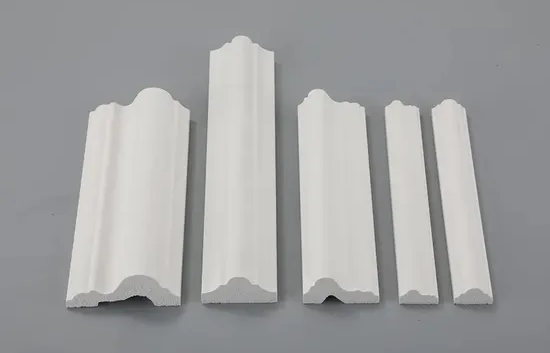
Defying gravity with lightweight building materials
Adopting light supplies alters the full process and security setup at a build location. Expanded polystyrene consists of nearly 98% atmosphere, locked steadily in a solid plastic grid. Thanks to this clever design, current EPS decorative mouldings carry about 80% less mass than their concrete or plaster matches. A big border that mimics a dense rock unit may weigh only four or five pounds.
No crane or lift truck is necessary to shift them across the area. A pair of laborers can handle large 10-foot lengths up an ordinary ladder with ease. This sharp weight reduction also lightens the structure’s overall fixed load. Designers skip costly, robust frame elements meant solely for outer borders. It benefits the frame expert. It also aids the site leader who oversees crew protection greatly.
Fighting off the elements with moisture-resistant moulding
Weather like showers, flakes, or damp air proves unavoidable. However, you can select what faces wetness on your structure. Foam ignores liquid entirely. A solid moisture-resistant moulding avoids decay, twisting, curving, or supporting dark fungus. The sealed-cell feature of the plastic stops liquid from reaching the item’s center.
Naturally, producers never expose the plain foam to direct light. They cover the foam base with a durable glass-fiber net. Then, they apply a bendable acrylic polymer under layer. This forms a firm, shielded cover. Once complete, these units withstand icy Canadian winters and intense, moist Florida summers. They do so without swelling or shrinking like real timber. Such strong weather resistance positions them as the top pick for outer wall ornaments on luxury residences and office buildings.
Slashing Project Timelines and Construction Budgets
Getting a project done on time is the hardest part of any real estate development. Weather delays and waiting for wet materials to dry often ruin the schedule. By moving away from wet plaster and heavy cutting, contractors gain total, predictable control over their timeline and their expensive labor costs.
Here is how the actual numbers break down when developers make the switch on a busy job site:
- Speeding up the installation clock: Working with easy installation cornices means your framing and siding crews work significantly faster. Instead of hiring specialized masons or master carpenters, your regular exterior crew can handle the job easily. They cut the foam with standard miter saws or hot wire cutters right there on the grass. You stick them directly to the wall using professional-grade construction adhesives and a few simple mechanical fasteners. A decorative trim job that takes three weeks with old plaster usually takes about four or five days with foam.
- Slashing the raw material and freight bill: EPS is fundamentally cheaper to produce than carving custom hardwood or pouring heavy architectural concrete. If you want cost-effective ornaments that still look like a million bucks from the street, this is your best answer. You get the exact same visual depth, sharp shadow lines, and grand scale for a fraction of the price. Furthermore, shipping is incredibly cheap. You are essentially paying to ship air. A single flatbed truck can carry enough trim to cover an entire neighborhood.
- Eliminating job site waste: Wood naturally comes with knots, bows, or splits. Carpenters often throw away 15% to 20% of the wood they buy just to find straight, usable pieces. EPS is manufactured perfectly straight and ships pre-cut to your exact architectural dimensions. You only pay for what actually goes on the wall. This keeps the dumpsters empty, saves on trash removal fees, and keeps the job site safe.
Choosing the Right Foundation for Your Facade
Anyone can cut a piece of cheap packaging foam and stick it to a wall. But the longevity and beauty of an architectural piece depend entirely on the chemical makeup of the raw beads. Sourcing the absolute best base product is the most critical decision a builder or manufacturer can make today.
Why the raw material grade dictates the final quality
The physical strength of any foam molding comes directly from how tightly the individual plastic beads bond together inside the steam mold. If a manufacturer starts with low-quality, inconsistent raw materials, the final decorative product will have hidden weak spots. It might snap during transport, dent easily when hit by a ladder, or fail to hold the exterior coating properly. That is why serious building suppliers only source premium raw chemical components.
For example, using a highly controlled base material like the HUASHENG Standard Grade E creates a tight, beautifully smooth, and incredibly strong final shape. These specific beads offer a fantastic expansion ratio while maintaining excellent particle bondability. This means the surface of the foam stays perfectly smooth. A smooth surface is absolutely critical in construction because it takes the final acrylic hard-coat much better, creating a flawless, stone-like finish that high-paying clients demand.
Scaling up for massive commercial success
Big business tasks demand dependable providers with vast output ability. For a 300-unit high-end housing development, waiting for a modest nearby outlet to shape timber is not an option. You require large amounts of supplies arriving on a tight, reliable timetable. Teaming with a broad-scale, expert supply maker lets builders obtain just what they require, precisely when needed.
Through reviewing full product selections, current builders locate targeted supply thicknesses suited to varied structure sections. You could apply a thick, strike-proof foam for base-level borders near walkways. For broad roof accents far above, an extra-light version fits best. Options like standard, fire-safe, and even green reused REPS equip designers with needed instruments. A proper supply maker converts a likely transport challenge into a soundly gaining achievement.
Conclusion
The construction industry is finally moving past the serious limitations of traditional wood plaster. By adopting EPS decorative mouldings, smart builders eliminate the biggest headaches on their job sites: excessive weight, constant water damage, and unpredictable labor costs. You get the exact same classic architectural look, but the installation is faster, the building stays dry, and the project budget stays safely in the green. It is a highly practical upgrade for any exterior wall decoration project. If you want to produce the highest quality architectural shapes, you need the best raw materials. Contact HUASHENG aujourd'hui à info@r-eps.com to learn how our premium EPS and REPS materials can make your next commercial project a complete success.
 French
  English
  German
  Spanish
  Arabic