
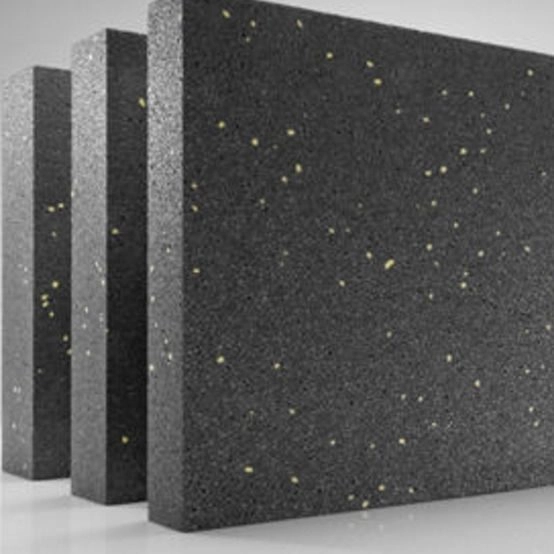
Modern infrastructure often faces opposing demands. Engineers need to construct on less stable soils, lower ecological effects, speed up building processes, and ensure long-term durability in shifting climate conditions. Conventional fill materials like soil, gravel, or concrete typically add considerable weight, thus increasing the risk of subsidence and structural stress.
Expanded polystyrene (EPS) geofoam introduces an alternative approach in engineering. Unlike resisting loads through mass, it decreases loads through precisely controlled lightweight volume. This change transforms the ways employed for designing embankments, roadways, and zones where structures transition.
Currently, EPS geofoam not only works as insulation but also as a structural geotechnical material. Its consistent density, stable performance, and easy installation enable projects to gain stability in situations where traditional plans are expensive or impractical.
Why Has EPS Geofoam Become Important in Modern Civil Engineering?
Before reviewing its uses, it is helpful to explore the reasons standard fill materials face growing difficulties in satisfying current infrastructure needs.
What Limits Traditional Soil Fill?
Naturally occurring soils display broad differences in compactness, water levels, and ability to compress. Employed as load-bearing fill, they exert substantial downward pressures onto bases. On unstable terrain, such conditions result in prolonged sinking and ongoing upkeep issues. The need for thorough compaction further delays progress and raises workforce expenses.
How Does Lightweight Fill Change Design Strategy?
EPS geofoam sharply lowers vertical forces since its density usually stays below one percent of ordinary soil. Reduced pressure allows foundations to bear hardly any extra burden. Consequently, planners can proceed with construction across soft or easily compressed areas without major removal and substitution of soil.
Such a method streamlines technical computations and abbreviates overall schedules for completion.
Why Is Predictability Critical in Infrastructure Projects?
Factory-produced geofoam blocks deliver consistent physical traits. In contrast to natural materials, their response under compression remains quantifiable and reproducible. Reliable outcomes diminish doubts throughout the planning and building stages, thereby enhancing lasting dependability.
Where Is EPS Geofoam Commonly Used Today?
Wider acceptance stems from the capacity of one substance to tackle various technical difficulties simultaneously.
Why Is Geofoam Used in Road and Highway Embankments?
Highway embankments constructed atop soft clay or organic peat commonly experience sinking that harms surface layers. Geofoam substitutes dense soil fill, thereby cutting downward force while preserving the intended shape. Consequently, road surfaces stay even, and periods between repairs lengthen.
How Does Geofoam Support Bridge Abutments?
Entries to bridges regularly exhibit uneven sinking between solid elements and adaptable road sections. The low-weight geofoam limits force transmission close to abutments, thereby decreasing the development of irregularities that endanger vehicle safety.
Why Is Geofoam Effective for Slope Stabilization?
Instabilities on inclines typically arise whenever downward pulls surpass the holding capacity of the soil. Substituting dense materials with low-weight blocks substantially lowers those pulling forces. This technique reinforces inclines without requiring extensive digging or massive support walls.
How Does EPS Geofoam Improve Urban Construction Projects?
City-based building efforts present confined spaces and clashes with buried utilities, situations that gain advantages from low-density materials.
Why Is It Used Beneath Buildings and Plazas?
Geofoam permits height modifications without adding pressure to supporting bases. Planners can form outdoor areas, open squares, and stepped levels while safeguarding underlying constructions.
How Does Geofoam Help Underground Infrastructure?
Conduits and passages need safeguarding against overwhelming earth pressure. Geofoam functions as a deliberately yielding stratum that takes in forces and lowers the likelihood of shape changes amid soil shifts or earthquake events.
Why Is Installation Faster Than Traditional Fill?
Prefabricated blocks require no densification effort. Placement depends far less on climatic factors, permitting initiatives to adhere to timetables despite difficult settings.
What Material Properties Make EPS Geofoam Suitable for Structural Applications?
Key benefits arise from the deliberately crafted cellular makeup instead of merely minimal weight.
How Does Density Control Structural Behavior?
The density of EPS governs resistance to compression and alteration patterns. Producers adjust density ranges to satisfy specific loading demands while preserving the lightweight advantage.
Why Does Closed-Cell Structure Matter?
Sealed cells restrict moisture uptake and sustain physical integrity through repeated freezing and thawing. Such features ensure prolonged resilience in covered placements subject to dampness and temperature swings.
How Is Fire Performance Addressed in Geofoam Applications?
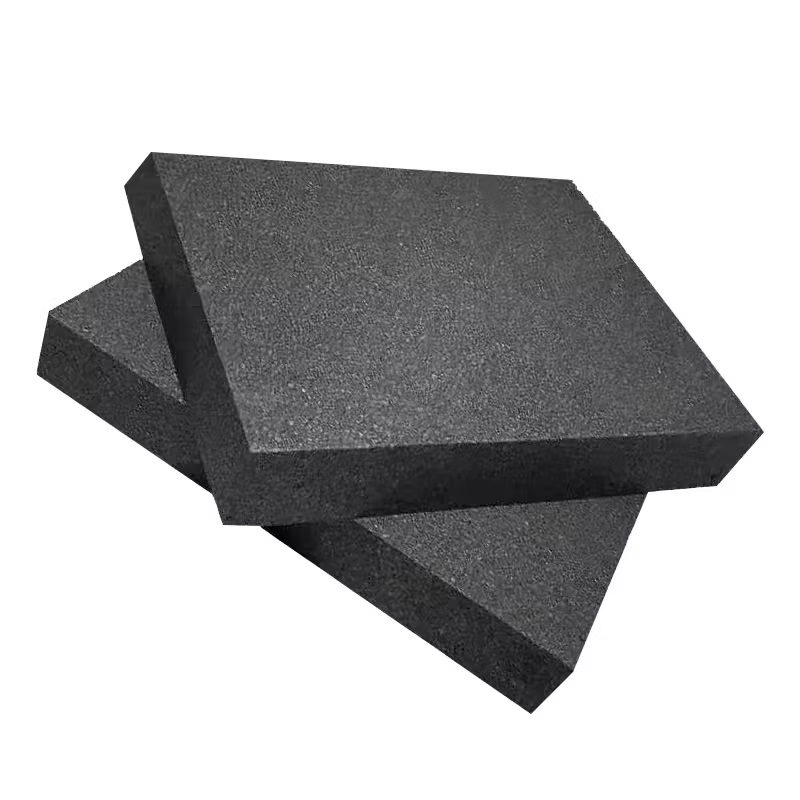
Projects close to buildings or transportation hubs require controlled combustion performance. Materials like F flame-retardant grade EPS material have uniform particle structure, stable bonding, and reliable flame-retardant performance, making them suitable for building insulation and load-bearing applications. By proper processing and maturation, relevant products can reach the B2 building material standards while retaining a stable shape.
Why Does Thermal Performance Matter Even in Geotechnical Uses?
While geofoam gains recognition mainly for lessening loads, its heat-related qualities also affect the endurance of infrastructure.
How Does Thermal Stability Protect Pavement Structures?
Fluctuations in heat below roadways may trigger frost uplift and repeated swelling. Geofoam curbs thermal flow, thereby steadying ground temperatures and cutting distortions that produce fractures.
Why Are Graphite-Enhanced Materials Increasingly Used?
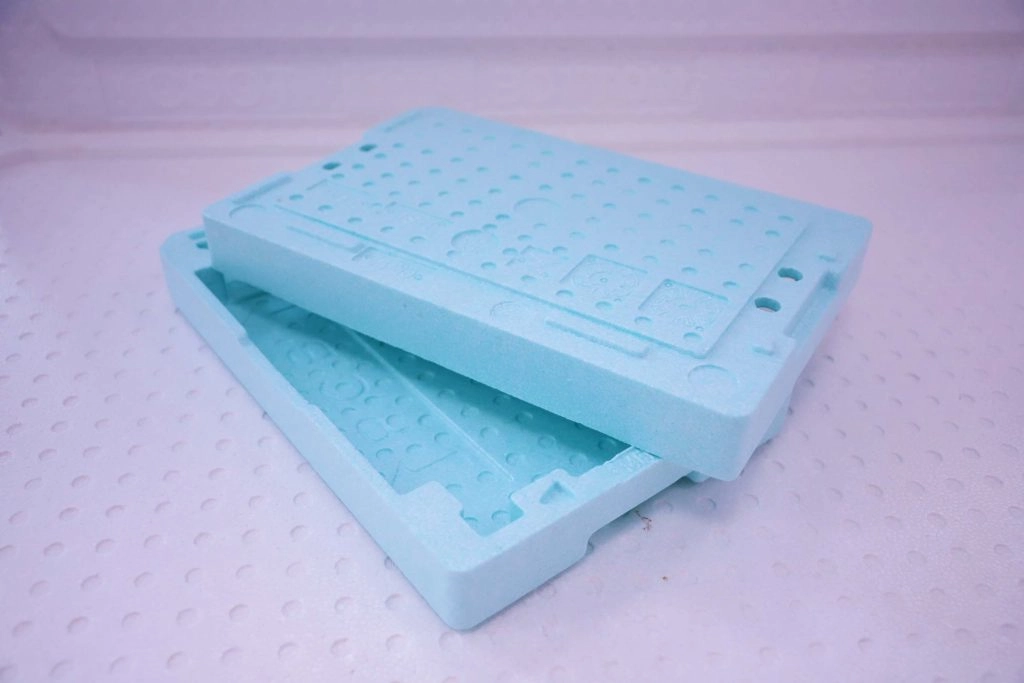
Advanced materials such as graphite grade–S flame-retardant EPS foam integrate particles that capture infrared energy, thereby lowering thermal conductivity to about 0.033 W/(m·K), which boosts insulation performance by over 20% compared with common EPS, and maintains B1 fire resistance.
How Does Thermal Control Extend Infrastructure Life?
Through the maintenance of even temperature differences, geofoam diminishes repetitive stress patterns inside road surfaces and supporting components. Consequently, operational duration lengthens, and repair occurrences diminish.
How Are Advanced Manufacturing Technologies Improving Geofoam Performance?
Ongoing advancements in materials continue to broaden the potential of EPS beyond earlier limits.
How Do Modern EPS Producers Improve Material Reliability?
With the progress in expanded polystyrene materials, the development of this industry is accompanied by companies that emphasize engineering precision and sustainable production.
HUASHENG is a high-tech enterprise specializing in developing expandable polystyrene through intelligent production technologies. Based on innovation-driven and green manufacturing principles, we integrate cutting-edge foaming technologies, precise testing equipment, and digital simulation platforms to enhance density consistency, compressive strength, and insulation performance. Our nano closed-pore structure technology enhances material strength by about 40%, and our smart production lines achieve waste recycling rates over 95% and reduce energy consumption by around 30%.
Such progresses allow EPS materials to meet strict requirements in fields such as building insulation, infrastructure engineering, and lightweight structural systems, while supporting global sustainability goals.
Why Does EPS Geofoam Matter More Today Than in the Past?
Requirements for infrastructure keep changing because of ecological and financial constraints.
How Does It Support Sustainable Construction?
Low-weight geofoam decreases energy spent on hauling and overall resource use. Techniques for reuse additionally cut emissions across the entire lifespan, matching projects to current ecological aims.
Why Is Climate Adaptation Increasing Demand?
Defenses against flooding, shoreline strengthening, and adaptable city growth call for materials that merge firmness with quick application. Geofoam facilitates speedy placement while limiting disruption to the environment.
What Makes Geofoam a Future-Oriented Solution?
Dependable technical responses, streamlined placement, and alignment with environmentally responsible building approaches establish EPS geofoam as a durable infrastructure choice instead of a short-lived substitute.
Conclusion
Expanded polystyrene geofoam represents a fundamental change in technical thinking—rather than relying on heavier materials to resist pressures, relevant problems are addressed by reducing loads at source. The lightweight structure, thermal stability, and adaptable performance enable infrastructures to gain higher resilience and a lower ecological impact. With building challenges increasingly intricate, geofoam steadily progresses from a specialized option to an essential element in today’s civil engineering.
Questions fréquentes
Q1: Is EPS geofoam strong enough for long-term infrastructure projects?
A: Yes. Carefully designed density ranges deliver reliable resistance to compression and steady alteration patterns suitable for embankments, bridge entries, and load-supporting fills.
Q2: Why is geofoam preferred over traditional soil in weak ground areas?
A: The exceptionally minimal weight cuts subsidence and limits pressure exerted on lower soils while preserving the required structural form.
Q3: Does EPS geofoam contribute to sustainability goals?
A: Efficient hauling due to low weight, capacity for reuse, and lowered emissions throughout its service period render it well-suited to modern eco-friendly building methods.






 French
  English
  German
  Spanish
  Arabic