

Comprendre comment la mousse EPS manipule l'eau est crucial pour son utilisation réussie. Cette connaissance a un impact direct sur ses performances et sa longévité dans des situations réelles. En 2025, les applications exigent des matériaux capables de résister à diverses conditions d’humidité. L'EPS est souvent choisi pour sa résistance notable à l'eau. Sa structure à cellules fermées joue un rôle clé dans ce domaine. Cependant, ses performances peuvent varier en fonction des conditions spécifiques et de la qualité du produit. Les fabricants comme HUASHENG ont beaucoup investi pour améliorer cet aspect. Ils développent des formulations EPS spécialisées qui offrent une durabilité améliorée dans des environnements humides ou humides. Cela rend leurs produits fiables pour des projets difficiles où l'humidité est une préoccupation constante.
Définition du polystyrène expansé (EPS) en termes techniques
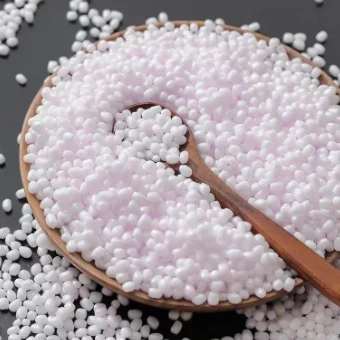
Le polystyrène expansé (EPS) est une mousse légère, rigide et à cellules fermées, principalement fabriquée à partir de perles de polystyrène. Les travailleurs élargissent ces perles avec de la vapeur et un agent de soufflage. La mousse’ La structure cellulaire de S contient environ 98% d'air et seulement 2% de polymère solide. Cette configuration le permet de flotter bien et d'isoler la chaleur. Les usines créent cette structure par des méthodes telles que le moulage en blocs ou le moulage en forme. Ces procédés permettent aux fabricants d'ajuster la densité et la résistance pour répondre à différents besoins.
L'EPS possède des caractéristiques physiques flexibles. Ainsi, il sert bien de nombreux domaines, y compris l'isolation thermique, l'emballage et les remplissements structurels légers. Les gens apprécient sa personnalisation simple, son faible coût et ses performances constantes. En conséquence, il reste un matériau clé dans aujourd'hui’ des installations de construction et d'expédition.
Si vous avez besoin d'options EPS solides pour des paramètres difficiles, regardez l'ingénierie soigneuse de HUASHENG. L’entreprise a consacré des décennies à de nouvelles idées et à des contrôles de qualité rigoureux. Ainsi, HUASHENG fournit des articles EPS personnalisés pour les toitures, les murs, les projets civils et l'expédition de stockage froid dans le monde entier.
Mécanismes d'exposition à l'eau dans les applications EPS
L'EPS est souvent confronté à différents niveaux d'humidité en fonction de son utilisation. Cela peut inclure la vapeur d'eau dans l'air humide, l'eau liquide de la pluie ou des déversements, ou l'immersion complète dans les zones sujettes aux inondations.
Bien qu'il ait des cellules fermées, l'EPS n'est pas entièrement scellé contre l'eau. Des petits morceaux d'eau peuvent s'infiltrer par diffusion ou de petites tractions entre les perles. Mais cela se produit lentement et en petites quantités. La raison est les bords de perles séparés et aucun chemin continu dans sa construction. Un court contact provoque généralement peu de dommages. Cependant, l'immersion complète au fil du temps nécessite un examen approfondi lors de la planification.
Structure cellulaire fermée et son rôle dans la répulsion à l'eau
La forme spéciale de l'EPS comprend des millions de cellules fermées remplies d'air. Cela agit comme le bouclier principal contre l'entrée d'eau. La configuration à cellule fermée réduit considérablement l'eau liquide entrant à l'intérieur du matériau. Les mousses à cellules ouvertes absorbent rapidement l'eau à travers des trous liés. En revanche, l'EPS lutte contre le trempage en raison de ses parois cellulaires séparées.
En comparaison avec des choix tels que XPS ou mousse de polyuréthane, EPS montre souvent moins de traction d'eau au fil du temps. Cependant, il pourrait prendre un peu plus au début sous la force en raison des joints de perles. Cependant, sa qualité hydrophobe reste ferme pour la plupart des travaux d'isolation ou d'emballage. Cela est vrai lorsqu'il est recouvert ou revêtu à droite.
Metriques de performance pour EPS dans des conditions d'humidité
Les experts mesurent comment l'eau affecte l'EPS avec des tests standard. Un test clé est ASTM C272, qui vérifie l'absorption d'eau par immersion complète. L'EPS absorbe généralement moins de 2% en volume après une longue trempage. Cette petite prise maintient son isolation thermique forte même après contact avec l'eau.
Une autre mesure importante est la stabilité de taille. L'EPS conserve sa forme et sa taille dans des zones d'humidité élevée ou humides sans beaucoup de croissance ou de rétrécissement. Son débit thermique, d'environ 0,035 W/m·K, change peu même avec un peu d'entrée d'eau. Par conséquent, il conserve des économies d'énergie dans les couvertures de bâtiment.
Impact de l’eau sur l’intégrité mécanique de l’EPS
Dans les endroits humides, EPS’ Les traits de force restent assez stables. La puissance de compression pourrait chuter un peu si trempé complètement pendant une longue période. Cependant, par temps normal ou pendant de courtes périodes humides, il résiste bien sous charges.
Pour les cycles de gel-dégel, EPS montre une bonne résistance. Son côté hydrophobe et son air intérieur aident ici. Comme il contient peu d'eau, la glace à l'intérieur reste faible. Cela évite les pauses ou l'usure au fil du temps. Donc, il fonctionne bien dans les endroits où les saisons changent et les moments froids.
Enveloppes de construction et de bâtiment (panneaux isolants)
Conseil d'isolation de toit HUASHENG
Le Grade retardant à la flamme – F – Isolation thermique du matériau de construction Il est conçu pour les usages de toiture. Là, l'isolation constante sous les conditions météorologiques changeantes est la plus importante. La faible consommation d'eau augmente la durée de l'isolation dans les installations de toit. De cette façon, la résistance à la chaleur ne s’affaiblit pas au fil des ans.
De plus, sa construction à cellule fermée réduit les chances de moisissure en évitant de longues retenues d'eau. Ce facteur aide à maintenir la résistance du toit et l'air intérieur propre.
Conseil d'isolation murale HUASHENG
Dans les espaces muraux où l'humidité s'accumule derrière les couches extérieures, le panneau mural R-EPS® assure un travail thermique fiable et maintient le flux de chaleur stable dans les espaces muraux humides. Cela permet des murs économiques d'énergie qui luttent contre la propagation de la vapeur. En même temps, il laisse passer un peu d'air à travers le couvercle.
Il s'associe bien avec les blocs de vapeur communs. Cela renforce la lutte contre l'eau sans nuire au contrôle de la chaleur.
Projets de génie civil et d'infrastructure
HUASHENG Geofoam pour les applications de remplissage léger
Dans des projets tels que les routes, les banques de terre ou les zones de lutte contre les inondations, le R-EPS® Geofoam offre des choix de remplissage léger. Ceux-ci manipulent le sol humide et les tables d'eau en mouvement. Il reste ferme sous l'évolution des niveaux d'eau ou des risques d'inondation. En outre, il ne libère pas de mauvaises choses dans la saleté ou les sources d'eau à proximité.
Même pendant de longues périodes sous-marines, la géospume conserve sa résistance à la construction. Il ne casse pas ou ne change pas ses traits de force. Cela répond aux besoins de conception verte dans les endroits sensibles.
Solutions de logistique et d'emballage de la chaîne froide
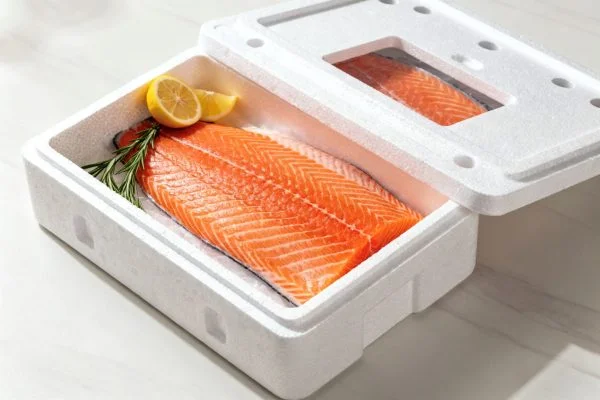
HUASHENG EPS Produits d'emballage
Les boîtes EPS aident beaucoup dans l'expédition fraîche pour des articles tels que le poisson et les légumes frais. La boîte à poissons R-EPS® et la boîte à légumes R-EPS® conservent leur forme ferme même avec la rosée provoquée par la fonte de la glace ou les déplacements d'humidité dans les camions.
Leur surface propre et non réactive ignore le contact avec l'eau. Cela répond aux règles de sécurité alimentaire. En même temps, il protège la nouveauté de l'article pendant les tours de voyage.
Durabilité à long terme des produits HUASHENG EPS dans des environnements humides
Résistance au vieillissement dans les climats à haute humidité
Les tests et les données d'utilisation réelle prouvent EPS’ puissance hydrorépulsive durable. Les tests d'âge rapides et les dossiers de terrain le montrent. Les années passées sur la plage ou dans les zones humides chaudes ne révèlent aucune baisse importante du travail. Cette résistance durable signifie que vos dépenses restent utiles même avec des pluies régulières ou des répétitions de rosée.
Placés derrière les murs extérieurs ou sous les couches de toit, ces objets continuent de fonctionner bien au fil de leur temps. Ils n'ont pas besoin d'échange en raison des dommages causés par l'eau.
Compatibilité avec les revêtements protecteurs et les systèmes de stratification
Pour améliorer le blocage de l'eau, les feuilles EPS peuvent se joindre à des couvercles en plastique ou des boucliers à vapeur. Ces couches extérieures non seulement soulèvent le repoussement de l'eau, mais ajoutent également une protection contre les frottements et les poinçons.
Les panneaux mixtes avec centres et couches EPS sont plus utilisés dans les camions frais et les maisons prêtes à construire. Ils offrent des avantages de protection contre la chaleur jointe et de poignée d'eau.
Considérations environnementales liées à l'interaction entre l'EPS et l'humidité
Prévention de la croissance des moisissures et qualité de l'air intérieur
EPS’ Le maquillage non actif en fait un mauvais endroit pour la croissance des germes. Même dans les zones humides derrière les murs ou sous les planchers, la moisissure peut’ Lorsqu'il est équipé d'un bon débit d'air et de guides de vapeur, l'EPS aide l'air intérieur à rester propre. Il réduit les risques de croissance vivante.
Aspects de durabilité dans des conditions humides
L'EPS reste ouvert à la réutilisation même après contact d'eau. Contrairement aux produits à base de plantes qui se décomposent lorsque les déchets végétaux sont mouillés ou déversés dans le sol, l'EPS maintient son maquillage stable tout au long de sa vie.
Il n'envoie pas de mauvais déversements dans les eaux souterraines lorsqu'il est enterré ou trempé longtemps. Cela soutient la construction verte près des rivières ou des zones humides de la ville.
Pourquoi choisir HUASHENG EPS pour les applications sujettes à l'humidité?
Ingénierie de produits éprouvée dans divers secteurs
Pour un toit thermiquement intelligent ou une banque de terre inondative, HUASHENG fournit des mélanges EPS personnalisés pour chaque type de travail. Leurs R-EPSLa ligne® répond à des besoins spéciaux. De l'eau basse prendre pour les toits à flotter stabilité pour les ensembles de géo-mousse.
Chaque article est livré avec des contrôles extérieurs qui confirment la lutte contre l'eau et la tenue de la taille sous des règles d'essai rigoureuses.
Précision et fabrication Contrôle de qualité chez HUASHENG
Les façons modernes de façonnement assurent une dispersion uniforme de la densité dans toutes les feuilles. Cela est important pour la force constante et le travail attendu dans les shifts humide-sec. Les laboratoires d'essai internes vérifient chaque groupe par rapport aux normes de terrain pour la retenue d'eau avant l'envoi.
Cette montre à pas renforce la confiance que votre isolation ou boîte choisie fera comme prévu. Même en cas de mauvais temps.
Support complet de HUASHENG
Offres de service technique
L’équipe de construction de HUASHENG fournit une aide individuelle pour les emplois dans les endroits touchables à l’eau. Cela pourrait signifier calculer les vitesses de propagation de l'eau dans les groupes de murs ou choisir la meilleure épaisseur de feuille pour une base de camion froide. Leur savoir-faire aide à choisir des plans intelligents.
Les visites sur le site sont ouvertes pour affiner les moyens d'installation qui réduisent l'entrée d'eau. En même temps, ils stimulent l'économie d'énergie.
Informations de contact pour la collaboration de projet
Rejoignez les experts du travail de HUASHENG en demandant des chemins sur leur siteLeurs aides nettes du navire mondial envoient rapidement aux zones. Cela maintient vos plans sur la bonne voie. Il assure également que les choses sont prêtes à chaque étape de construction ou de déploiement.
FAQ (questions fréquentes)
Q: L'EPS est-il complètement imperméable à l'eau?
R: Aucun matériau ne bloque l'eau dans tous les cas. Mais sa construction à cellule fermée permet à l'EPS de bien combattre l'absorption d'eau. Il conserve une résistance à l'isolation lorsqu'il est correctement installé.
Q: L'EPS peut-il être utilisé en dessous de la qualité ou sous l'eau?
R : Oui. Des types spéciaux de géo-mousse sont conçus pour les taches souterraines ou trempées. Ils évitent les pertes de construction ou les mauvais déversements.
Q: L'EPS poussera-t-il de la moisissure s'il devient mouillé?
R: Non. L'EPS reste inactif et bloque la propagation des germes même avec de l'eau. Il reste en sécurité à l'intérieur lorsqu'il est bien utilisé.






 French
  English
  German
  Spanish
  Arabic