
As building rules keep getting stricter, picking the right materials turns into a big part of making sure safety works well overall. Builders and experts now look at ways to add protection right into the building’s frame. To get a better grasp on this idea, we need to look closely at how fire-retardant foam sheets help with building safety.
img.Exploring Fire-Retardant Foam Sheets in Building Safety.webp
How Do Fire-Retardant Foam Sheets Enhance Building Safety?
Fire safety in today’s buildings no longer stops at alarms and sprinklers, because it also reaches into the basic materials that make up a building’s outer layer. Fire-retardant foam sheets play an important part in this progress, as they combine warmth-keeping, strong build, and fire-stopping in one useful item.
What Are Fire-Retardant Foam Sheets?
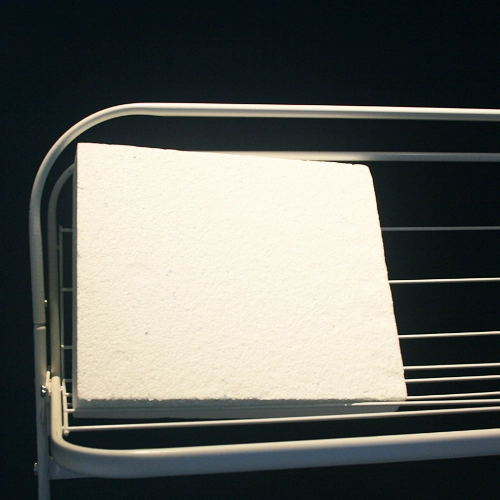
Fire-retardant foam sheets are special materials built to fight off starting fires and slow down how flames move. They usually come from changed expandable polystyrene (EPS) or similar polymers mixed with fire-stopping extras. These extras work when heat hits them. They make a shield-like char coat that keeps the base material safe and stops air from helping the fire grow.
Next to old materials like mineral wool or fiberglass, fire-retardant foam sheets give less weight, simple putting in place, and better fight against wetness. Their shut-cell setup also brings great warmth while cutting down smoke made during burning.
Why Choose Fire-Retardant Foam Sheets for Insulation?
If you pick these foam sheets for keeping warmth, you get more than just a fire guard—you boost your building’s power saving and green side. The tiny-cell setup holds air in many small spots, which cuts heat moving by a large amount and helps keep inside temperatures steady through the year. At the same time, it lowers heating and cooling costs.
In the area of building warmth keeping, Mousse EPS de HUASHENG items stand out well. These items have very good skills at keeping warmth, which helps cut down energy use in buildings quite well. By giving a solid warmth block, they lessen the need for air systems, and they also help lower gases that warm the earth.
Over a long time, saving money is another plus. Unlike string-like warmth keepers that break down as time passes or take in water, EPS-based fire retardant sheets keep their form and work for many years. Their strong build means fewer changes and lower fixing costs over a building’s full life.
How Do EPS Panels Contribute to Fire Safety?
EPS panels get used a lot in building work. They help not just with keeping warmth but also with making the structure tougher in bad weather.
What Makes EPS Panels Effective in Fire Prevention?
What works well in EPS panels comes from their makeup and careful making. When high heat touches these panels, they do not turn soft right away; instead, they begin to turn to carbon bit by bit, which helps limit how fire spreads. Their low heat moving rate also slows the passing of heat between rooms.
On top of that, new EPS panels fit well with other safety setups like firewalls or swelling paints. When mixed with non-burning outer layers or plaster sheets, they build many-layer guard systems. These can meet hard B1 or B2 fire levels as set by GB8624-2012 rules.
How Are EPS Panels Manufactured for Optimal Safety?
Making sure a steady firefight starts at the making step, where makers use hanging mix or push-out ways. In these steps, helpful items like graphite or carbon black get added to polystyrene links, and these extras bounce back shining heat while boosting self-stop burning action.
During the hanging mix way to build the polymer, the helpful item graphite got added. This made the polystyrene polymer have helpful traits. As a result, it cuts the heat moving rate of the polystyrene warmth board and boosts its warmth-keeping work. Checking quality looks at things like bit size spread, growth rate, and oxygen index. This makes sure they follow ISO-checked safety marks.
New ideas like tiny-shut-hole setups raise safety even more, because they improve push strength by up to 40 percent. At the same time, they cut heat moving by almost half when compared with usual EPS items.
Can Polystyrene Foam Insulation Be Trusted for Building Safety?
Polystyrene foam warmth keeping has grown a lot in the last many years. People once pointed out its fire-start worries. But now, today’s mixes use new fire-stop tech that makes them safe and green picks for current building jobs.
What Are the Advantages of Polystyrene Foam Insulation?
Polystyrene foam gives a great mix of lightweight, strong pull, and earth-tough build. It fights taking in water—stopping mold from growing—while keeping steady size traits even with heat changes. Its closed-cell setup brings sound-cutting and energy-saving perks.
Besides fire guards, these foams make people inside more comfy. They cut wind leaks and keep inside air steady—main parts in getting LEED or BREEAM green building stamps.
How Does Polystyrene Foam Compare with Other Insulation Types?
When set against mineral wool or polyurethane boards, polystyrene foams give better weight-to-work matches. Putting them in goes quicker because of easy cut and shape skills. In places with high wet or freeze-melt times, they do better than string choices. They fight water getting in that could hurt warmth work.
Real examples show clear gains: Energy save rates went up by 14 percent in big green-city jobs. These used fire-stop EPS bits with weights around 22 kg/m³. Results got checked through free LEED Gold Stamp checks.
For jobs needing higher rules, like no-heat homes or factory spots asking for Class B1-rated parts under GB8624-2012 needs, better graphite-changed types like S Material Graphite Grade-Flame-Retardant Panels give both stronger warmth keeping (λ = 0.033 W/m·K) and self-stop burning work.
Why Consider HUASHENG Products for Building Safety?
Picking sure sellers is key when naming must-have parts like fire-retardant foam sheets or EPS panels. One firm shows up worldwide for its new-idea way: HUASHENG.
How Does HUASHENG Stand Out in the Market?
HUASHENG is a top-tech firm focused on the study, making, and selling of expandable polystyrene (EPS) foam. With “innovation-driven green smart making” as its main thought, it leads steps in green polymer knowledge across building areas around the world.
The company runs smart plants with digital twin labs, which copy small builds through quantum math models and allow exact watch over even density and fire-stop traits. Its closed circle makes for an over 95 percent waste take-back rate, while it also cuts energy use by 30 percent. This set marks that match ISO 14067:2018 earth mark rules at 719 kg CO₂e per ton.
By 2026, it plans to finish a no-carbon show plant. This will cut 85 percent across its work chain—like growing almost two city tree parks each year through saved air waste alone.
What Products Does HUASHENG Offer That Enhance Safety?
HUASHENG gives a wide set of items made for different building wants: from normal-grade boards for everyday use to better no-HBCD green mixes that follow EU REACH and ROHS rules. Among its top fixes are fire-stop kinds like F-series REPS made just for building stuff; warmth uses needing oxygen numbers over 30; and great stick steadiness at low heat moving rates.
Its graphite-boosted S-series panels bring two gains—a better heat shield mixed with Class B1-level self-stop skill—making them perfect for no-heat home covers or factory outer walls needing a long, strong build under strict safety codes.
FAQ (questions fréquentes)
Q: Can fire-retardant foam sheets be used in residential buildings?
A: Yes. They fit both home and work uses because their checked fire-stop makeup meets world safety rules. At the same time, they offer great warmth perks.
Q: Are there environmental concerns associated with using EPS panels?
A: New EPS panels get made with earth-kind ways. These have closed-circle take-back systems with over 95 percent get-back rates. So, they cut earth harm without losing safety work.
Q: How often should polystyrene foam insulation be inspected?
A: Plan checks every few years or after big weather hits. This makes sure stick strength and best energy work over your building’s full time.






 French
  English
  German
  Spanish
  Arabic