
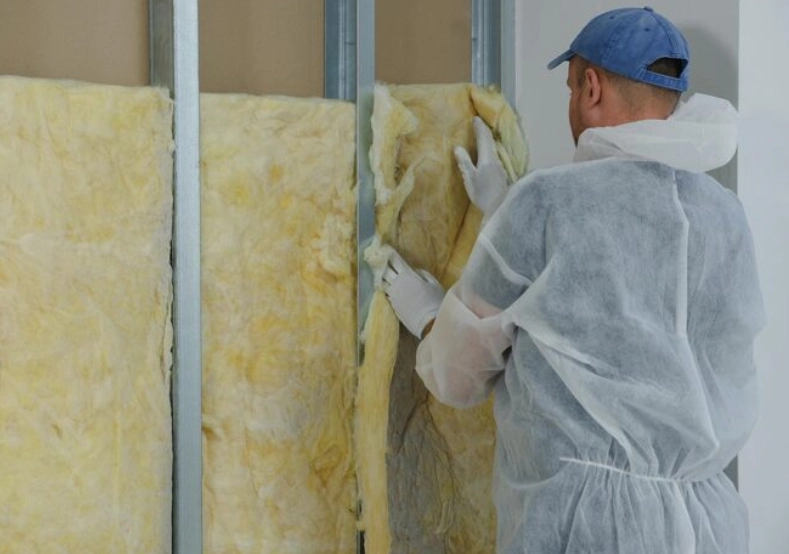
Les frais d'isolation EPS dans les grands projets de construction découlent de la composition des matériaux, des niveaux d'épaisseur, de la taille du projet, de la difficulté de mise en page et des approches de montage. Les panneaux avec une plus grande épaisseur, des additions de graphite ou des caractéristiques résistantes au feu ont des prix initiaux plus élevés, mais ils fournissent une résistance structurale améliorée, une protection incendie améliorée et des réductions énergétiques durables. Les panneaux lumineux réduisent l'effort du travailleur et la durée de mise en place. En même temps, une mauvaise installation peut entraîner des réparations coûteuses. La valeur globale dépend de la qualité durable, du contrôle constant de la chaleur et du choix approprié des articles adaptés à la construction. Sélectionner des fournisseurs vérifiés avec un soutien solide et adapter les types EPS aux besoins réels aide à équilibrer les dépenses totales et les gains au fil du temps.
Quel est le coût de l'isolation EPS dans les projets à grande échelle?
Comment la composition et la densité des matériaux influent sur les structures de prix
Le prix de l'isolation EPS est lié à sa teneur en matériau et à sa densité. Les choix de substances de base, que ce soit des perles de polystyrène de base ou des versions améliorées avec des extras tels que le graphite ou les bloquants d'incendie, influent directement sur le taux par mètre cube. Une densité plus élevée de panneaux EPS offre une meilleure résistance à la pression, ce qui est essentiel pour les murs porteurs de charge ou les zones de toit fréquentées, mais ces panneaux nécessitent des coûts plus élevés pour une utilisation accrue des matières premières.
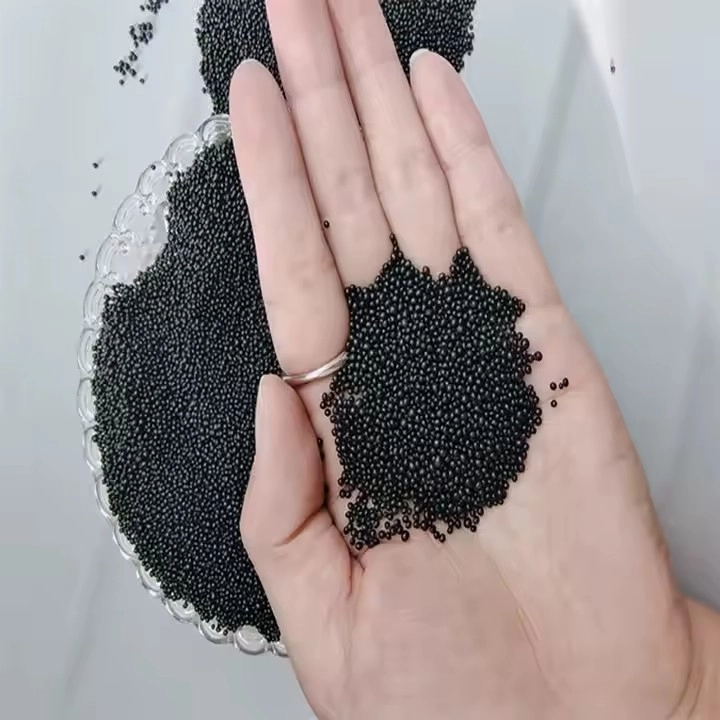
Par exemple, EPS amélioré au graphite comme celui de HUASHENG FGE-Graphite polystyrène (méthode de suspension) montre une résistance thermique avancée et des capacités. Lorsque le polymère a été synthétisé par polymérisation en suspension, le matériau fonctionnel graphite a été ajouté pour donner au polymère de polystyrène des propriétés fonctionnelles. Cette amélioration réduit non seulement le passage de chaleur et offre des avantages antistatiques, mais augmente également les dépenses en raison des étapes de production détaillées et des intrants coûteux.
De même, des panneaux comme le Grade retardant de flamme FSqui utilisent des retardants de flamme composites pour atteindre des taux de combustion B1, ont un prix plus élevé que l'EPS standard mais offrent des performances de sécurité supérieures. Le produit a une haute résistance et une taille stable; En utilisant des retardants à la flamme composés, la retardance à la flamme des produits peut rapidement atteindre le niveau B1.
Pourquoi l'échelle du projet et la complexité de la conception affectent les dépenses totales EPS
Les projets à grande échelle bénéficient souvent d'avantages massifs. Les grandes commandes réduisent généralement les taux par unité grâce à des cycles de fabrication plus lisses et des frais d'expédition moins chers. Cependant, la difficulté de conception peut compenser ces gains. Des formes personnalisées, des tailles détaillées ou des configurations d'isolation en couches nécessitent des pièces EPS préformées ou à section. Des mises en page compliquées peuvent nécessiter des panneaux en forme personnalisée, ce qui soulève les travailleurs’ perte de temps et de matériel.
De plus, les facteurs de livraison tels que les arrivées échelonnées ou le stockage limité sur le site ajoutent aux frais de transport et de planification. Ces aspects doivent être inclus dans les plans budgétaires complets des grandes installations de l'EPS. Les problèmes, les limites de stockage sur le site ou les fournitures en étape façonnent également le budget final.
Comment évaluer les économies à long terme de l'isolation EPS?
Comment l’EPS contribue-t-il à l’efficacité énergétique au fil du temps?
L'isolation EPS contribue grandement à réduire les dépenses énergétiques à long terme des bâtiments d'entreprise et d'usine. Il réduit les ponts thermiques, ce qui réduit les besoins de chauffage et de refroidissement tout au long de l'année. Le matériau maintient des valeurs R constantes sur de nombreuses années, assurant que la résistance thermique ne se dégrade pas avec le temps. Les valeurs R cohérentes assurent des résultats cohérents sur de longues périodes sans perte.
Cette fiabilité permet aux propriétaires de bénéficier de factures de chauffage et de refroidissement plus faibles pendant le bâtiment’ La vie pleine. Au fur et à mesure que les taux énergétiques augmentent, cet avantage accélère également le cycle de retour sur investissement, ce qui entraîne un retour sur investissement plus rapide dans les bâtiments commerciaux et industriels.
Quel rôle joue la durabilité dans la gestion des coûts du cycle de vie ?
Les panneaux EPS sont conçus pour la longévité. Leur construction à cellule fermée offre une forte défense contre l'absorption d'eau, ce qui est crucial pour arrêter la moisissure et protéger la résistance du bâtiment. Les panneaux EPS résistent à l'absorption d'humidité, ce qui réduit les dangers de moisissure ou de décomposition structurelle. La durabilité réduit le nombre de cycles de remplacement et de réparation.
En outre, des variantes avancées comme Panneaux Graphite Grade-S mélanger la résistance au feu avec des résultats d'isolation exceptionnels. Les choix résistants au feu, tels que les panneaux Graphite Grade-S, améliorent la sécurité sans compromettre l'efficacité de l'isolation. Leur capacité à maintenir la forme et à travailler dans des conditions difficiles améliore encore l'efficacité des coûts pendant toute la durée de vie.
Où les méthodes d'installation influent-elles sur l'efficacité totale des coûts?
Comment les exigences de travail varient-elles avec les différentes spécifications du panneau EPS?
Les panneaux EPS restent naturellement légers par rapport à d'autres choix d'isolation, ce qui peut réduire sensiblement le temps d'installation et les coûts de main-d'œuvre. En outre, les panneaux légers réduisent le temps de manutention et simplifient la logistique d'installation. Produits de la section de HUASHENG - comme leur Matériel P-extra léger— sont particulièrement utiles dans le travail de grands panneaux puisqu'ils permettent une coupe et un placement simples avec peu d'effort. Le matériau P-extra léger sert comme EPS commun, adapté aux machines à vide automatiques, aux presses hydrauliques standard et à divers équipements à plaques grandes.
Les formats préformés ou en sections permettent un placement plus rapide sur de hauts extérieurs ou de grands systèmes de toits. Les styles préformés ou en section accélèrent le travail sur de grands extérieurs ou toits. En outre, par rapport aux matériaux plus lourds tels que la laine minérale, l'EPS nécessite moins de fixations mécaniques, réduisant ainsi encore plus les heures de travail manuel.
Y a-t-il des coûts cachés dans une installation incorrecte ou des systèmes incompatibles?
Une configuration erronée peut sérieusement affaiblir les performances thermiques des panneaux EPS. Si les connexions manquent d'étanchéité ou d'alignement appropriés pendant le placement, des fuites de chaleur peuvent se former. Un mauvais étanchéité ou un mauvais alignement peuvent produire des fuites de chaleur, ce qui abaisse l'isolation’ S valeur. De même, les adhésifs ou ancres qui ne correspondent pas chimiquement à l'EPS peuvent provoquer la séparation ou la perte de panneaux au fil des ans. Des adhésifs ou ancres mal adaptés entraînent une séparation des panneaux au fil du temps. De telles erreurs entraînent un retravail, un processus coûteux à la fois en matière de débris et de temps de travail, ce qui augmentera les débris et les heures de travail.
Pourquoi considérer la qualité des produits lors de la comparaison des fournisseurs?
Comment les certifications de performance et les normes d'essai influent-elles sur la fiabilité?
Les certifications sont essentielles lors de l’obtention d’isolation EPS pour les grands projets. Les panneaux conformes aux normes mondiales donnent confiance en la sécurité incendie, la résistance à la pression et la résistance à la chaleur. Les produits certifiés répondent aux marques mondiales de résistance à la chaleur et de sécurité incendie. Les contrôles externes assurent une qualité constante entre les groupes, un facteur essentiel dans les stratégies d'achat pour les projets en plusieurs étapes.
Les données de performance vérifiées peuvent également aider les projets à respecter les codes locaux de construction tout en évitant la conception excessive et les coûts de matériaux inutiles.
Qu'est-ce qui fait de HUASHENG un choix stratégique pour les projets à haut enjeu?
HUASHENG émerge comme une entreprise leader avec une vaste connaissance des réponses EPS conçues pour des applications difficiles. Avec de nombreuses années de compétence dans l'élaboration de réponses EPS, HUASHENG fournit des panneaux fabriqués avec précision conçus pour des couvertures de bâtiment solides. Nos lignes de fabrication modernes assurent une excellente gestion de la densité et même des résultats thermiques sur tous les articles.
Des premières étapes à l'aide après installation, HUASHENG fournit une assistance technique complète. Que vous travailliez sur des façades de grande hauteur ou des installations de stockage froid industriel, HUASHENG offre un soutien de planification à des contrôles post-installation, en gardant les projets dans le budget et en livrant les résultats attendus pendant des années.
Comment pouvez-vous optimiser votre processus de spécification pour un ROI maximum?
Pourquoi l'alignement de la sélection EPS avec la fonction de bâtiment est important pour la maîtrise des coûts?
Chaque type de bâtiment a des exigences d'isolation uniques en fonction de son cas d'utilisation. Les zones industrielles exigent des panneaux plus résistants à la compression qui résistent aux charges mécaniques, tandis que les projets résidentiels donnent la priorité à des options légères et économiques. Les installations industrielles peuvent nécessiter une résistance à la compression plus élevée que les bâtiments résidentiels.
Les installations de stockage à froid bénéficient d'éléments à très faible passage thermique comme la série S-32 en polystyrène graphite (< 0,032W/m·K), créée pour les règles de la maison passive. La conductivité thermique du S-32 reste inférieure à 0,032 W/M·K, tandis que l'EPS standard atteint 0,039 W/M·K, ce qui montre que le S-32 augmente les performances d'isolation thermique de plus de 25%. En associant précisément les performances des produits aux besoins opérationnels, on peut éviter les dépenses inutiles sur des matériaux trop conçus. Associer la qualité du panneau aux besoins réels en matière de performance évite de dépenser trop sur des fonctionnalités inutiles.
Quels outils vous aident à modéliser les périodes de remboursement en fonction des choix d'isolation?
Les programmes de simulation énergétique permettent aux chefs de projet de prévoir les économies annuelles d'énergie en fonction du type d'isolation, de l'épaisseur du panneau et des détails météorologiques locaux. Les outils d’analyse des coûts du cycle de vie comparent ensuite l’investissement initial aux économies projetées au fil des décennies. Les outils d’analyse des coûts du cycle de vie peuvent comparer l’investissement initial avec les économies d’énergie au cours des décennies. En outre, les subventions gouvernementales ou les certifications vertes telles que LEED peuvent encore améliorer les indicateurs du ROI.
Questions fréquentes
Q: L'EPS enrichi de graphite dépasse-t-il considérablement l'EPS blanc standard en matière d'économies d'énergie?
Oui, les pièces en graphite reflètent mieux la chaleur rayonnante, augmentant la résistance à la chaleur jusqu'à 20%. Cela le rend adapté aux couvertures haute performance.
Q: L'EPS ignifuge est-il nécessaire pour tous les types de projets de construction?
Cela varie selon les règles locales sur les incendies et le type de bâtiment. Cependant, les panneaux ignifuges comme le Graphite Grade-S offrent une sécurité supplémentaire avec une légère augmentation des coûts.
Q: Le stockage incorrect des panneaux EPS peut-il affecter leurs performances à long terme avant l'installation?
Certes, le contact avec la lumière UV ou l'eau avant l'installation peut nuire à la qualité de la surface et réduire l'efficacité thermique au fil du temps si la protection du site est manquante.






 French
  English
  German
  Spanish
  Arabic