
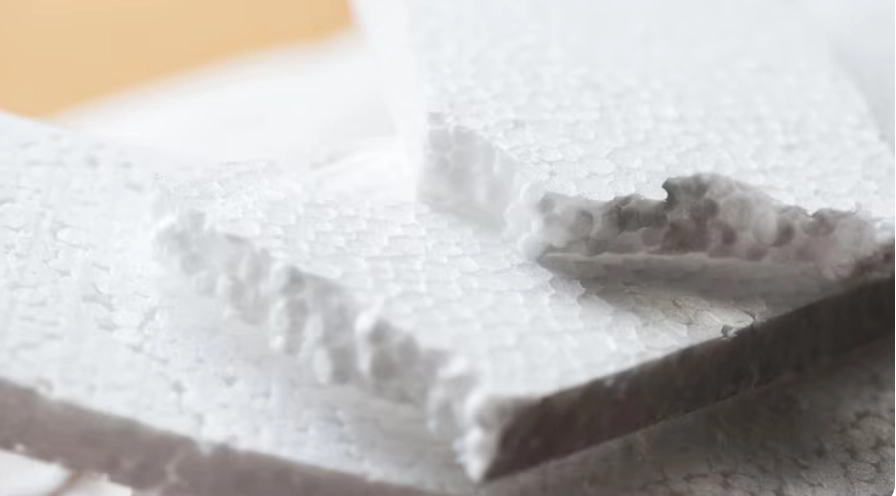
La mousse EPS est vraiment bonne pour garder l'eau dehors. Il a de minuscules bulles fermées et déteste l'eau parce qu'elle est faite de plastique. Oui, un peu d'eau peut s'infiltrer à travers de très petits écarts entre les perles. Mais ce n'est qu'un petit peu. Même s'il est mouillé, la mousse EPS sèche à nouveau et reste forte. La valeur R peut diminuer légèrement si elle reste trempée pendant longtemps ou si elle gèle et fondt plusieurs fois. Cependant, la mousse EPS normale continue de fonctionner bien. Si vous choisissez des types plus forts comme FGH-N-HBCD ou Extrusion Customized REPS de HUASHENG, l'eau ne pénètre guère du tout. Cela rend la mousse EPS idéale pour les murs, les boîtes et même les travaux souterrains lorsque vous la posez de la bonne manière.
Comprendre la résistance à l'humidité de la mousse EPS
Préoccupations communes concernant la mousse EPS et l'exposition à l'eau
Les gens qui construisent des maisons et font des choses posent toujours la même question. La mousse EPS peut-elle se mouiller ? L'eau va-t-elle ruiner ? Ils s’inquiètent si la pluie ou le sol humide nuiront au travail de la mousse de garder la chaleur à l’intérieur.
La mousse EPS est très populaire car elle est bon marché, légère et garde les maisons chaudes. Mais tout le monde veut savoir comment il agit quand l'eau le touche.
Composition et propriétés de la mousse EPS
En quoi est faite la mousse EPS?
La mousse EPS commence comme de minuscules perles de plastique. Les travailleurs utilisent de la vapeur chaude pour les faire gonfler. Les perles deviennent douces et grandissent parce que l'air à l'intérieur pousse à l'extérieur. Ensuite, ils pressent toutes les grandes perles ensemble en blocs ou formes. À l'intérieur, c'est presque tout de l'air - environ 98% d'air et seulement 2% de plastique. C'est pourquoi il est si léger et empêche la chaleur de bouger.
Applications principales dans toutes les industries
Vous voyez la mousse EPS dans une large gamme de champs.
– Les constructeurs le mettent dans les murs, les toits et sous les planchers pour arrêter le froid.
– Les usines l'utilisent pour garder les boîtes en sécurité lorsque les choses sont expédiées loin.
– Les grands projets routiers l'utilisent pour remplir le sol parce qu'il ne pèse presque rien.
Caractéristiques structurelles qui influencent le comportement de l'humidité
Structure à cellule fermée de perles EPS
Chaque petite perle est comme une petite boule fermée. L'eau ne peut pas pénétrer dans la perle elle-même. Chaque perle dit « non » à l’eau.
Points de fusion et micro-écarts entre les perles
Lorsque les perles collaient ensemble, de minuscules écarts restent entre elles. L'eau peut se glisser dans ces petits espaces, mais seulement un peu. Elle se déplace lentement, comme l'eau grimpe sur une serviette en papier.
Impact de la densité sur l'absorption d'eau
La mousse EPS lourde et épaisse a moins d'espaces. Moins d'eau peut s'infiltrer. La mousse légère et moelleuse a plus d'espaces. Il peut contenir un peu plus d'eau. Donc, lorsque le travail est beaucoup mouillé, choisissez le type lourd.
Comment la mousse EPS répond-elle à l'exposition à l'eau ?
La mousse EPS absorbe-t-elle l'eau ?
Oui, un peu. Mais pas beaucoup. L'eau ne passe que dans les petits écarts entre les perles. La plupart des tests montrent que moins de 4% d'eau pénètre. Le plastique lui-même n'absorbe jamais d'eau.
Nature hydrophobe du polystyrène
Le plastique déteste l’eau. Il repousse l'eau. Cela aide la mousse à rester sèche à l'intérieur même quand il pleut.
Implications des performances lorsque l'EPS est mouillé
Changements de conductivité thermique en raison de l'entrée d'humidité
Si l'eau comble quelques lacunes, la chaleur peut se déplacer un peu plus facilement. La mousse n'est plus aussi chaude. La valeur R diminue un peu. Mais ce n'est qu'une petite goutte à moins que la mousse ne reste trempée pendant des mois.
Durabilité à long terme dans des conditions humides
La mousse EPS peut respirer. La mousse sèche à nouveau lorsque le soleil ou l'air aident. Il revient à la normale la plupart du temps.
Considérations du cycle de gel-dégel dans les climats froids
En hiver, l'eau à l'intérieur des lacunes peut geler. La glace pousse et pousse les perles. Faites cela plusieurs fois et la mousse peut obtenir de minuscules fissures. Mais cela reste ensemble.
Risques biologiques liés aux environnements humides
Potentiel de croissance des moisissures sur ou autour de l'EPS
La moisissure ne peut pas manger de la mousse EPS. Il n’y a pas de nourriture dans le plastique. Ainsi, la moisissure ne pousse jamais sur la mousse elle-même.
Attraction pour les parasites
Les taches humides près de mauvais phoques peuvent apporter des insectes ou des souris. Gardez tout scellé et sec. Alors aucun parasite ne vient.
Choisir le bon type d'EPS pour les applications sujettes à l'humidité
Importance des spécifications de haute densité pour la résistance à l'humidité
La mousse EPS plus épaisse et plus lourde ne laisse presque aucune eau entrer. Utilisez-la sous terre ou dans les murs extérieurs. Il reste fort et chaud pendant des années.
Performances améliorées avec du graphite ou des additifs retardants de flamme
Avantages de l'utilisation du grade FGH-N-HBCD de HUASHENG
de HUASHENG FGH-N-HBCD a de petits morceaux brillants qui rebondissent la chaleur. Il garde les maisons plus chaudes même si un peu d'eau s'approche. Il est également à l'abri du feu. Parfait quand vous avez besoin du meilleur.
Vous pouvez acheter de grandes quantités de HUASHENG et obtenir de la mousse supérieure qui lutte contre l'eau et maintient la chaleur à l'intérieur.
Rôle de la technologie d'extrusion dans l'amélioration de la résistance à l'humidité
Avantages de l'extrusion de HUASHENG REPS personnalisé
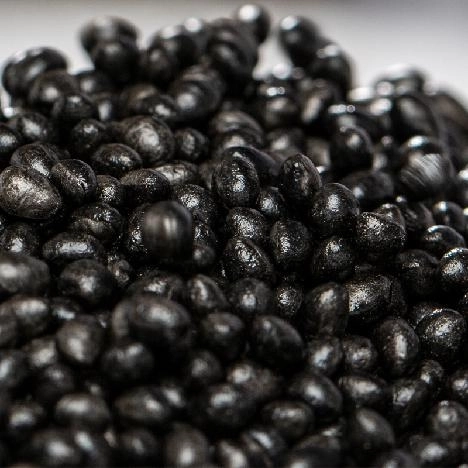
HUASHENG produit Extrusion REPS personnalisé en poussant le plastique ensemble. Il n'y a presque aucune lacune. L'eau ne peut pas entrer. Vous pouvez commander exactement ce dont votre travail a besoin.
Recommandations pour les pratiques d'installation et d'entretien
L'installation et l'entretien appropriés aident à maintenir la mousse EPS forte et sèche. Fermez tous les bords avec des membranes ou du ruban pour bloquer l'eau et assurez-vous d'un bon drainage afin que l'humidité s'éloigne au lieu de se regrouper. Vérifiez régulièrement la mousse pour détecter des taches humides ou des dommages hivernaux, et remplacez toutes les sections qui restent humides ou se déforment pour maintenir les performances d'isolation.
Techniques d'installation qui limitent les risques d'exposition à l'eau
Des stratégies d'étanchéité appropriées
Mettez des feuilles de plastique ou du ruban spécial tout autour de la mousse. Couvrez chaque bord et trou. L'eau reste dehors.
Considérations de drainage
Assurez-vous que la pluie et l'eau souterraine s'éloignent rapidement. Incline la saleté. Ajoutez des tuyaux si vous en avez besoin. Ne laissez jamais l'eau s'asseoir à côté de la mousse.
Conseils d'entretien pour préserver l'intégrité structurelle au fil du temps
Lignes directrices pour les inspections périodiques
Regardez la mousse parfois. Vérifiez les points humides ou les petites fissures de l'hiver. Résolvez rapidement les problèmes.
Critères de remplacement
Si la mousse est mal écrasée ou reste trop longuement mouillée, changez cette partie. La nouvelle mousse maintient la maison à nouveau chaude.
Questions fréquentes
Q: L'EPS standard de qualité de construction peut-il être utilisé en dessous de la qualité où il peut entrer en contact avec les eaux souterraines?
A: Il peut, mais il est plus intelligent de choisir les types lourds ou les REPS personnalisés de HUASHENG. Ils arrêtent l'eau beaucoup mieux pendant de nombreuses années.
Q: L'humidification temporaire pendant l'installation compromettra-t-elle définitivement les performances d'isolation?
R: Non. Un peu de pluie pendant la construction est OK. La mousse EPS sèche rapidement et revient à la normale.
Q: Comment le FGH-N-HBCD de HUASHENG se compare-t-il au EPS conventionnel dans les environnements humides?
R: Il reste plus chaud même si un peu d'eau le touche. De plus, il est plus sûr avec le feu. Le meilleur choix lorsque les choses peuvent devenir humides.






 French
  English
  German
  Spanish
  Arabic