
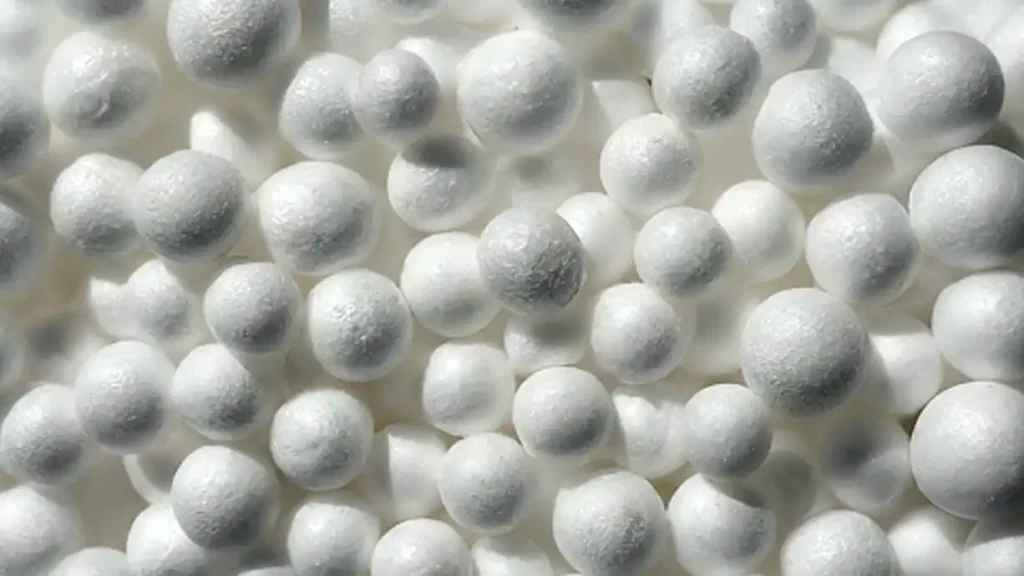
Choisir la plaque de polystyrène expansé appropriée ne se résume pas aux dimensions ou au coût. En 2026, les équipes travaillant sur des projets se concentrent davantage sur la qualité de l'isolation, la résistance à la pression, la facilité de découpe, la résistance à l'humidité et la durabilité. EPS Les blocs se généralisent dans le bâtiment, l'emballage, la signalétique et la confection sur mesure ; comprendre ces éléments aide les acheteurs à choisir des matériaux adaptés à la fois aux exigences de performance et aux limites budgétaires.
Le rôle croissant des blocs EPS dans les projets de 2026
Tendances émergentes en 2026
Les projets futurs privilégient les matériaux légers, adaptables et faciles à transformer. Dans le bâtiment, les blocs de polystyrène expansé (PSE) contribuent à l'isolation et à la réduction du poids. Dans l'emballage et la logistique, ils protègent les produits et assurent la stabilité de la température. En signalétique, en stand d'exposition et en fabrication sur mesure, ils peuvent être découpés ou façonnés de différentes manières, générant ainsi moins de déchets. Cette utilisation élargie démontre que les blocs de PSE ne sont plus seulement des matériaux de construction, mais des matériaux polyvalents pour de nombreuses applications dès 2026.
Pourquoi les blocs EPS gagnent en popularité
Les blocs de polystyrène expansé (PSE) gagnent en popularité grâce à leur polyvalence, qui leur permet de répondre à de nombreux besoins, au-delà du simple bâtiment. Leur légèreté, leur faible coût, leurs performances d'isolation et leur facilité de découpe les rendent idéaux pour l'isolation des bâtiments, les emballages de protection, le transport frigorifique, la signalétique, les accessoires d'exposition, le modélisme et la fabrication de pièces industrielles sur mesure. Plus faciles à façonner, à transporter et à transformer que de nombreux matériaux traditionnels, les blocs de PSE contribuent à réduire la pénibilité du travail et les coûts des projets. Ils se prêtent également parfaitement à la découpe numérique, au façonnage CNC et aux méthodes de conception modulaire, permettant ainsi aux équipes de créer des formes personnalisées sans ralentir la production.
Comprendre la mousse EPS et ses propriétés fondamentales
La technologie de moulage de la mousse EPS est au cœur de la création de systèmes d'isolation fiables qui allient robustesse et légèreté.
Composition et fabrication du moulage de mousse EPS
Composée de billes de polystyrène qui se dilatent et fusionnent sous l'effet de la chaleur et de la pression, la mousse EPS est moulée avec précision, ce qui permet d'adapter sa densité et sa forme. Ainsi, les fabricants peuvent produire des articles allant des emballages très légers aux plaques isolantes robustes.
Caractéristiques mécaniques et thermiques du polystyrène expansé
La mousse EPS présente une excellente résistance à la compression malgré sa légèreté. Elle est donc idéale pour les constructions où la réduction du poids est primordiale. Son isolation thermique performante limite les transferts de chaleur, contribuant ainsi aux bâtiments à faible consommation énergétique. De plus, son imperméabilité à l'humidité renforce sa robustesse face aux intempéries. Elle garantit des performances constantes dans le temps, même dans les zones humides ou les endroits frais sujets à la rosée.
Évaluation de l'influence des blocs EPS sur la performance du projet
Efficacité structurelle et gestion des charges
Leur légèreté permet aux blocs EPS de réduire les contraintes de poids de la structure. Parallèlement, ils facilitent la manutention lors des différentes étapes de construction. Ils offrent aux concepteurs une plus grande liberté créative, permettant ainsi de réaliser des formes complexes sans alourdir ni engendrer de coûts supplémentaires importants. FSH - Norme européenne de retardement de flamme Ces exemples montrent comment des mélanges améliorés peuvent atteindre une résistance à la compression jusqu'à 20 % supérieure aux mélanges classiques. Ils conservent néanmoins une excellente résistance au feu, un point essentiel pour le respect des normes de sécurité dans un contexte d'expansion urbaine. Le matériau ignifuge FSH, conforme à la norme européenne, convient à l'isolation thermique dans le bâtiment et l'industrie, ainsi qu'à l'isolation passive des pièces. Il offre une dilatation uniforme et une prise rapide, avec un rendement supérieur au type B1 standard. Sa résistance à la compression surpasse de plus de 20 % celle des autres matériaux.
Efficacité énergétique et impact environnemental
Les blocs de polystyrène expansé (PSE) réduisent considérablement les besoins en chauffage et en climatisation. Grâce à leurs excellentes propriétés d'isolation, ils contribuent à l'obtention de certifications énergétiques nettes nulles pour les bâtiments. Ils permettent d'obtenir des certifications de construction écologique telles que LEED ou BREEAM, en réduisant les émissions de carbone liées à leur utilisation quotidienne sur plusieurs années. De plus, leur capacité à être recyclés est un enjeu majeur des plans 2026 visant à réduire les déchets tout au long du cycle de vie des matériaux. HUASHENG recycle 300 000 tonnes de PSE chaque année, ce qui permet d'économiser 1 500 000 tonnes de pétrole brut et 1 200 000 tonnes de dioxyde de carbone. Ces résultats démontrent que la production écologique s'inscrit pleinement dans les objectifs mondiaux de réduction des émissions de carbone. Par ailleurs, elle préserve l'intégrité du produit grâce à de nombreux cycles de recyclage.
Choisir la feuille EPS adaptée aux besoins spécifiques d'un projet
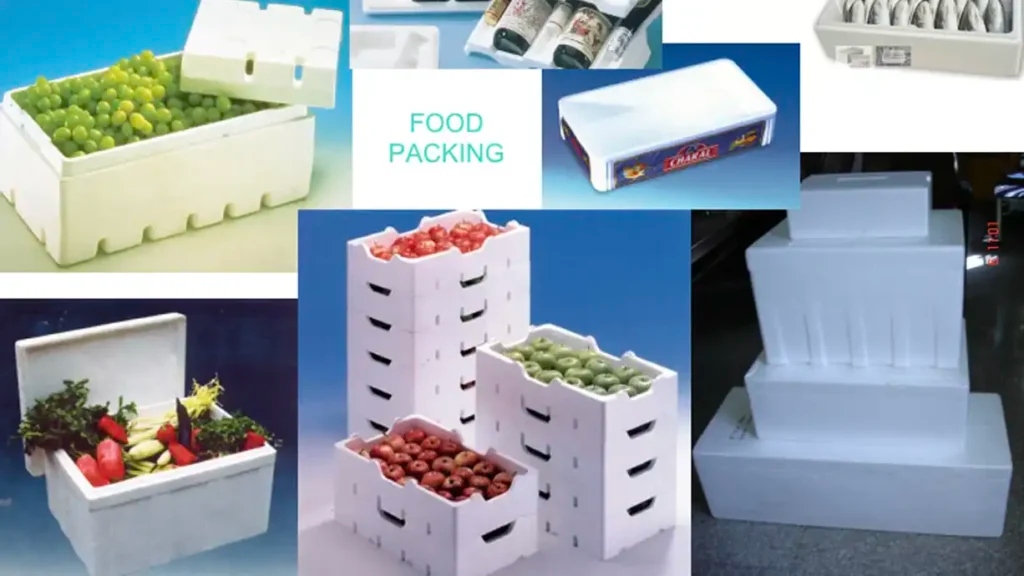
Le choix du type de plaque EPS le plus adapté dépend de la pondération de la densité, de l'épaisseur, des conditions météorologiques et des besoins de production prévus.
Détermination des niveaux optimaux de densité et d'épaisseur
Les panneaux à faible densité sont parfaitement adaptés aux applications d'isolation. Dans ce cas, la légèreté prime sur la capacité de charge : ils sont idéaux pour les murs extérieurs ou les toitures par temps doux. Les panneaux à densité moyenne conviennent aux sections de murs ou aux dalles de plancher nécessitant une résistance adéquate et une bonne isolation thermique. Les panneaux à haute densité sont privilégiés pour la construction ou les zones de forte charge, comme par exemple les fondations ou les dalles sandwich mixtes sur les chantiers industriels.
Facteurs influençant les critères de sélection des feuilles EPS
Conditions climatiques et exigences thermiques
Par temps chaud, on peut avoir besoin de couches d'isolation plus fines et moins denses. Celles-ci empêchent la chaleur excessive sans nécessiter une quantité importante de matériaux. En revanche, dans les régions froides, il est préférable d'opter pour des isolants plus épais avec un meilleur coefficient R. Ces solutions permettent de maintenir une température intérieure constante même pendant les périodes de forte chaleur.
Échelle du projet et type d'application
Les projets de rénovation mettent souvent l'accent sur la facilité d'utilisation et le faible coût. Ainsi, les types de base comme Fiches de matériel électronique offrir un bon compromis entre économies et production stable. Pour les bâtiments commerciaux ou industriels qui privilégient la robustesse sous contrainte continue, comme les plateformes logistiques ou les centres médicaux, une structure plus résistante est nécessaire. types ignifuges offrir une meilleure et plus longue vie.
Perspectives d'avenir : Innovation dans les matériaux EPS pour une conception durable
La prochaine vague de fournitures en polystyrène expansé (PSE) alliera des méthodes de fabrication écologiques à des utilisations intelligentes adaptées à l'évolution des normes environnementales.
Progrès dans la production de PSE écologique
La production de polystyrène expansé (PSE) écologique s'améliore grâce à une consommation d'énergie réduite, une diminution des déchets et de meilleures méthodes de recyclage. Ces progrès permettent au PSE de rester léger, abordable et performant en isolation, tout en favorisant des projets de construction et de conception plus durables.
HUASHENG a investi des centaines de millions de yuans dans la création de la première ligne de production intelligente au monde de polystyrène à partir de matières premières entièrement recyclées. Cette innovation permet d'atteindre un taux de recyclage supérieur à 95 %. Parallèlement, la consommation d'énergie est réduite de près d'un tiers par rapport aux installations classiques.
Applications potentielles au-delà des utilisations traditionnelles dans le secteur de la construction
En dehors des murs et des toitures, les nouvelles solutions en polystyrène expansé (PSE) trouvent des applications dans les infrastructures telles que les routes, les ponts et les berges. Dans ces domaines, les matériaux de remplissage légers améliorent la résistance aux chocs et accélèrent la mise en œuvre. Cette même flexibilité s'étend à l'emballage et à l'expédition – où le polystyrène expansé moulé avec précision assure une protection contre les chocs – et même à la conception de produits. Ces derniers recherchent des bases sur mesure et recyclables, compatibles avec les machines de moulage automatique.
FAQ (questions fréquentes)
Q1 : Comment déterminer le niveau de densité de la feuille EPS qui convient à mon projet ?
A1 : Choisissez la densité des plaques de polystyrène expansé (PSE) en fonction de l’utilisation prévue. Le PSE basse densité convient aux emballages légers, aux travaux manuels et à la protection temporaire. Le PSE moyenne densité est plus adapté à l’isolation des murs, des toitures et des sols. Le PSE haute densité ou les blocs de PSE sont plus appropriés aux projets porteurs, aux chambres froides, aux fondations ou à la construction de routes nécessitant une résistance à la compression plus élevée.
Q2 : Existe-t-il des options ignifuges respectueuses de l'environnement ?
A2 : Oui, les produits comme le FHE-N-HBCD, classés comme retardateur de flamme, sont conformes à la réglementation européenne REACH. Ils utilisent des additifs sans HBCD qui garantissent la sécurité incendie sans nuire à l’environnement.
Q3 : Où puis-je me procurer des matériaux EPS modifiés au graphite haute performance ?
A3 : Pour les conceptions de pointe nécessitant un meilleur bloc de refroidissement, pensez à vous procurer chez HUASHENG. Leur FGE-polystyrène graphite (méthode de suspension) s'avère stable dans toutes les applications.
 French
  English
  German
  Spanish
  Arabic