
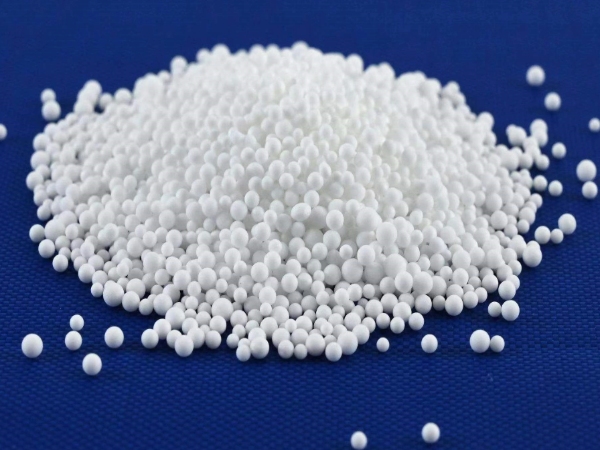
Les matériaux de mousse industrielle ne servent plus uniquement de couches d'amortissement ou d'isolation de base. Dans les processus de production actuels, ces matériaux influent sur l’efficacité thermique, la résistance mécanique, les coûts d’expédition et l’impact écologique. Le choix du bon type de mousse est maintenant une décision technique plutôt qu'une simple préférence de matériau.
La mousse de polystyrène expansé (EPS), la mousse de polyuréthane (PU), la mousse de polyéthylène (PE) et la mousse EVA jouent un rôle basé sur différents mécanismes physiques. Certains matériaux mettent l'accent sur la flexibilité, tandis que d'autres mettent l'accent sur la durabilité ou l'isolation. Pour déterminer la meilleure option, il faut considérer de manière exhaustive le contrôle de la densité, le comportement de traitement, le coût du cycle de vie et la stabilité de l'application.
L'article compare l'EPS et d'autres mousses industrielles du point de vue de l'utilisation pratique plutôt que des attributs purement théoriques, et montre les domaines spécifiques où l'EPS offre des avantages clairs.
Qu'est-ce qui définit la performance de la mousse industrielle dans les applications modernes?
Avant de comparer directement différents matériaux, il faut clarifier les principaux critères d'évaluation.
Pourquoi la densité compte-t-elle ?
La densité détermine la réponse de la mousse aux forces appliquées. Les matériaux à densité élevée offrent une plus grande résistance mais ajoutent un poids élevé et augmentent les frais de transport. Les mousses possédant une densité plus faible réduisent la charge structurelle globale tout en conservant les propriétés essentielles de résistance. L'EPS permet une modification précise de la densité en ajustant les ratios d'expansion, assurant ainsi des performances fiables dans divers domaines.
Comment la structure cellulaire affecte-t-elle les performances?
Les différences de mousse varient principalement dans leur disposition cellulaire. Les structures à cellules fermées peuvent limiter l'absorption d'humidité et améliorer la stabilité à long terme de l'isolation. Les structures à cellules ouvertes ou partiellement ouvertes favorisent une plus grande adaptabilité mais compromettent la stabilité de la forme. L'EPS possède une structure stable à cellule fermée qui capte efficacement l'air, améliorant ainsi les capacités d'isolation et d'amortissement.
Pourquoi la compatibilité du traitement est-elle importante?
Une production industrielle fiable dépend fortement de résultats cohérents. Les matériaux exigeant des procédures de durcissement complexes ou des procédés chimiques complexes introduisent de plus grandes incohérences de production. La mise en forme EPS dépend de la pré-mousse soigneusement gérée et de la croissance à base de vapeur, favorisant des cycles de mise en forme cohérents et une compatibilité élevée avec l'automatisation.
Comment la mousse de polystyrène expansé diffère-t-elle de la mousse de polyuréthane?
La mousse de polyuréthane apparaît souvent dans des situations nécessitant une flexibilité ou une capacité d'isolation élevée, mais ses performances diffèrent nettement de celles de l'EPS.
Quelles différences mécaniques existent-elles ?
La mousse PU peut présenter des qualités rigides ou pliables en fonction de sa composition. La variante flexible gère efficacement la dissipation d'énergie mais a du mal à conserver sa forme sous des charges à long terme. En revanche, l'EPS conserve une configuration structurale solide, ce qui le rend approprié pour les tâches impliquant la répartition de charges, y compris les éléments de support dans les emballages et les panneaux d'isolation.
Quels sont les meilleurs dans l’isolation thermique ?
Le PU rigide offre d'excellents taux de transmission de chaleur bas, mais cela entraîne des dépenses élevées et des étapes de fabrication plus élaborées. EPS offre une isolation fiable grâce à des poches d'air immobilisées tout en préservant des processus de fabrication adaptés et efficaces.
Où l’EPS apporte-t-il des avantages pratiques ?
L'EPS démontre une efficacité particulière dans les scénarios nécessitant des quantités importantes, tels que :
- systèmes d'isolation des bâtiments
- emballage protecteur
- charges structurelles légères
Les caractéristiques d’expansion fiables du matériau réduisent les variations pendant la production.
Comment l'EPS se compare-t-il à la mousse de polyéthylène?
La mousse de polyéthylène se concentre sur la résilience et la capacité de récupération après la compression répétée au lieu de l'optimisation structurelle.
Pourquoi la mousse PE est-elle utilisée pour la protection contre les chocs?
La mousse de PE supporte de multiples distorsions sans déformation durable, ce qui la convient pour les conteneurs réutilisables ou les équipements de sécurité sportive.
Quand l’EPS est-il plus efficace ?
L'EPS est plus bénéfique lorsque les priorités sont centrées sur le poids minimal et la valeur économique plutôt que sur la tolérance à la flexion répétée. Les emballages jetables et les unités d'expédition isolées bénéficient de l'EPS puisqu'il fournit une protection robuste en utilisant très peu de volume de matériau.
Comment l’efficacité de fabrication diffère-t-elle ?
Les procédures de formage EPS nécessitent une entrée d'énergie plus faible et permettent des formes complexes en une seule opération. Les courtes périodes de formation et l'intégration efficace des perles augmentent les taux de production et diminuent les frais de fonctionnement.
Comment l'EPS fonctionne-t-il contre la mousse EVA dans les utilisations industrielles?
La mousse EVA donne la priorité à la souplesse et au confort de l'utilisateur par rapport aux qualités structurelles exactes.
Pourquoi l'EVA est-il choisi pour des applications flexibles?
L'EVA fournit une texture douce et des propriétés de récupération, ce qui le rend adapté aux chaussures, aux couches d'amortissement et aux pièces orientées vers le confort.
Où l’EPS dépasse-t-il l’EVA ?
L'EPS offre une rétention de forme améliorée et une résistance aux forces d'écrasement. Utilisations comme les panneaux thermiques, les conceptions de protection formées et les éléments de soutien de précision profitent de la nature rigide de la mousse au lieu de ses qualités élastiques.
Comment les coûts matériels influent-ils sur la sélection ?
La production d'EVA implique généralement des dépenses de matières premières plus élevées et des demandes énergétiques plus élevées. L'EPS présente une évolution des coûts favorable, en particulier dans les environnements de fabrication à grande surface ou en vrac.
Quelles applications soulignent les forces de la mousse de polystyrène expansé?
Les avantages des matériaux apparaissent plus clairement en examinant des exemples de déploiement réels.
Pourquoi l'EPS est-il largement utilisé dans les systèmes d'emballage?
EPS a à la fois une grande résistance aux chocs et un poids exceptionnellement faible. Les structures de perles uniformes génèrent une forte liaison interne, protégeant les articles délicats pendant l'expédition.
Pour les situations nécessitant des performances de remplissage personnalisées, Matériel de remplissage en polystyrène expansé de qualité spéciale-G est couramment utilisé, en raison de ses tailles de particules optimisées, ce qui le rend adapté aux conteneurs industriels et aux environnements porteurs de charge.
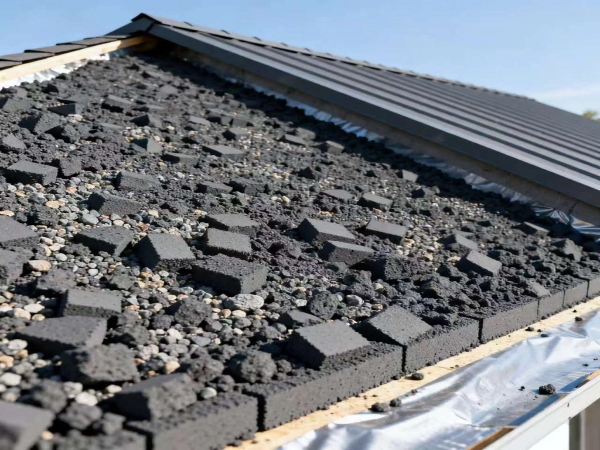
Comment EPS prend-il en charge l'isolation du bâtiment?
La faible conductivité thermique et les formes stables permettent aux panneaux EPS de maintenir leur efficacité dans des conditions saisonnières changeantes. La consommation globale d'énergie diminue car la stabilité du climat intérieur s'améliore.
Pourquoi l'EPS convient-il aux composants structurels légers?
Les facteurs d'expansion élevés permettent aux ingénieurs de réduire le poids des composants sans compromettre la capacité de charge essentielle. Cette approche s'applique à travers l'isolation aux formes de protection personnalisées.
Comment les innovations de fabrication améliorent-elles les matériaux EPS aujourd'hui?
Les progrès continus dans les méthodes de fabrication continuent d'améliorer les capacités de l'EPS.
Quelles avancées améliorent la cohérence matérielle ?
Grâce à la simulation numérique, à l'ingénierie précise des particules et au contrôle des pores à l'échelle nanométrique, l'EPS moderne a tendance à avoir une résistance à la compression plus élevée et une forme plus stable. L'uniformité de mousse améliorée augmente également l'efficacité du moulage et la fiabilité du produit.
Comment les systèmes de production durables influent-ils sur la sélection de la mousse?
L'exigence de protection de l'environnement est devenue un facteur critique dans le choix des matériaux. L'EPS est préféré dans les industries confrontées à des exigences environnementales plus strictes en raison de sa recyclabilité et de sa faible consommation d'énergie dans la production.
HUASHENG est un fabricant leader spécialisé dans la R& EPS avancée; D et production intelligente verte. Nous utilisons la technologie de moussage de précision, les systèmes de simulation numériques jumeaux et l'innovation de la structure à pores fermés nano pour améliorer l'uniformité de la densité et la capacité d'isolation. Nos lignes de production intelligentes réalisent des taux de recyclage supérieurs à 95 % et une consommation énergétique inférieure d’environ 30 %.
Grâce à l'innovation continue des matériaux et aux types d'EPS personnalisés, y compris les ignifuges communs, graphitegrades modifiéset ainsi de suite, nous faisons progresser les diverses applications de l'isolation des bâtiments à la logistique de la chaîne froide et l'emballage industriel, atteignant des performances légères et des objectifs durables.
Quand les matériaux EPS standard devraient-ils être choisis par rapport à d'autres mousses?
La décision matérielle finale dépend de la performance équilibrée.
Pourquoi l'EPS standard est-il souvent le choix pratique?
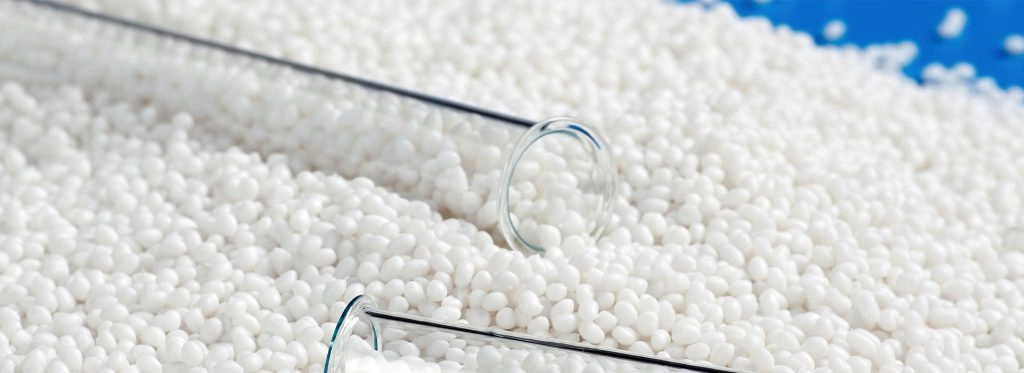
Dans la plupart des applications industrielles, Matériau de polystyrène expansé de qualité standard-E fournit des ratios d'expansion fiables, une qualité de surface lisse, des performances de collage fortes et des cycles de moulage efficaces, toutes les caractéristiques le rendant bien adapté aux équipements de formage automatisé.
Comment l’EPS réduit-il les coûts du cycle de vie ?
L'EPS réduit les dépenses globales en :
- diminution de la consommation de matières premières
- Poids d'expédition réduit
- Durées de formation plus courtes
- réduction des besoins en puissance tout au long de la production
Quelles applications bénéficient le plus de la sélection EPS ?
Les domaines communs bénéficiant d'avantages comprennent:
- systèmes d'isolation
- emballage industriel
- composants structurels moulés
- conteneurs logistiques à température contrôlée
Pourquoi l'EPS devient-il une solution de mousse industrielle à long terme?
Les orientations matérielles actuelles mettent de plus en plus l'accent sur les gains simultanés d'efficacité opérationnelle et de responsabilité écologique.
Comment EPS prend-il en charge la fabrication circulaire ?
Les matériaux EPS permettent la récupération et la conversion en produits frais, facilitant ainsi les cadres de production à cycle fermé et réduisant au minimum le volume rejeté.
Pourquoi l’évolutivité est-elle importante aujourd’hui ?
Les secteurs exigent des ressources capables de se développer et de répondre aux exigences internationales. La fabrication EPS s'adapte facilement à la production à grande échelle tout en respectant des normes uniformes.
Qu'est-ce qui rend l'EPS compétitif dans les applications futures?
La combinaison d'attributs physiques équilibrés, de capacité de gestion thermique, d'extensibilité rentable et d'alignement sur les priorités écologiques établit l'EPS comme un choix durable parmi les options de mousse industrielle.
Conclusion
Chaque mousse industrielle a son rôle unique. Les matériaux flexibles fonctionnent bien dans l'absorption des chocs, tandis que les variétés rigides peuvent mieux répondre aux besoins de performances mécaniques et d'isolation. Le polystyrène expansé se distingue par sa capacité à équilibrer les performances d'isolation, la fiabilité mécanique, l'efficacité de fabrication et la faisabilité économique.
Avec des progrès constants dans les technologies de fabrication et la croissance des concepts durables, EPS continue d'évoluer d'un matériau d'emballage conventionnel à une solution d'ingénierie polyvalente.
Questions fréquentes
Q1: La mousse EPS est-elle moins durable que la mousse polyuréthane?
R: EPS présente une flexibilité réduite, mais fournit une plus grande rétention de forme et un comportement de manipulation de pression prévisible adapté à des fins structurelles et thermiques.
Q2: Pourquoi l'EPS est-il largement utilisé pour l'emballage industriel?
R: Il offre une résistance substantielle aux chocs en utilisant très peu de poids et prend en charge la mise en forme efficace en configurations détaillées.
Q3: La mousse EPS peut-elle répondre aux exigences modernes en matière de durabilité?
R : Oui. La production actuelle d'EPS tient compte des processus de récupération, de la diminution de la consommation d'énergie et des approches de production circulaire.
 French
  English
  German
  Spanish
  Arabic