
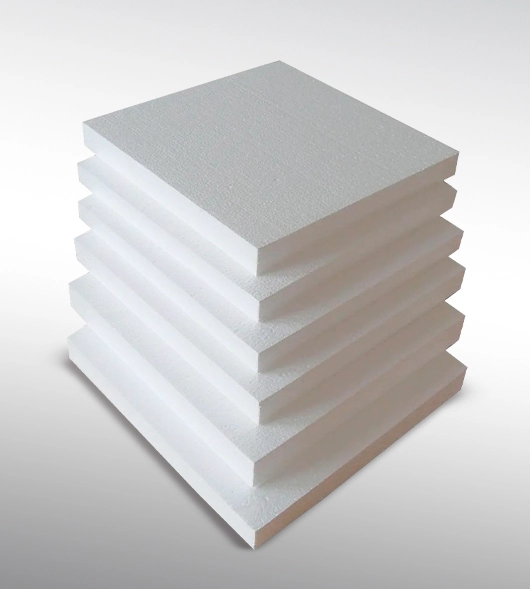
Foam polystyrene stays relevant in insulation because it gives you a workable balance of thermal performance, material efficiency, and application flexibility. But once you move beyond the surface, the real value comes from knowing what actually affects long-term results. Before comparing grades or product forms, it helps to focus on the factors that matter most in real project decisions.
What should you really look for in foam polystyrene?
Before you start checking prices side by side, it helps to get a clear picture of what the insulation must actually handle in your real-world work. In actual jobs, foam polystyrene does not get judged by one single number on its own. You usually balance how well it resists heat flow, how it acts around fire, how much weight it can take without crushing, how easy it is to cut or shape, and whether it matches your way of working or putting it in place.
Thermal performance
Foam polystyrene for insulation generally breaks down into two main paths: expanded polystyrene (EPS) and extruded polystyrene (XPS). The U.S. Department of Energy points out that EPS comes from beads that fuse together and often gets made into big blocks that workers can slice into boards for insulation. On the other hand, XPS forms when hot material gets pushed out into flat sheets. This basic difference counts because people frequently compare the two for the same spots in walls, roofs, or floors.
Density and strength
Numbers about heat get plenty of notice, yet real performance on the job site often rests on steady density and the ability to handle pressure without giving way. If the boards break apart too fast, chip while you move them, or change a lot from one batch to the next, your installation quality falls quickly. The way the materials get made matters more than many people admit at first. The supplier explains that its EPS materials get built with steady density, good resistance to compression, and solid thermal insulation, and this forms the exact kind of starting point you want before you even pick a specific grade.
That same point also shows why special blocks and panels stay so useful. Some projects do not call for a plain board that anyone can buy off the shelf. They need exact sizes, a perfect fit, and the right strength for loads. In those situations, custom blocks and made-to-fit panel solutions usually work better than trying to squeeze a standard item into a job it was never meant for.
Which foam polystyrene grade fits your project best?
After you get the performance needs straight in your mind, the following step involves pairing the right grade with the actual job. This is the spot where many insulation buys run into trouble. People know the final use, but they pick the material too soon and only later find out that the fire rules, the way of installing, or the shaping needs turn out different from what they first thought.
Fire-sensitive builds
If your project deals with stricter rules about fire, the clearest suggestion points to the F flame-retardant grade. This material gets offered for thermal insulation in buildings and comes with UL certification, while it also meets GB/T10801.1-2002 and GB8624-2012 rules for EPS insulation performance. That combination makes it the more trustworthy pick when you cannot risk treating fire safety as something minor or extra.
Higher thermal targets
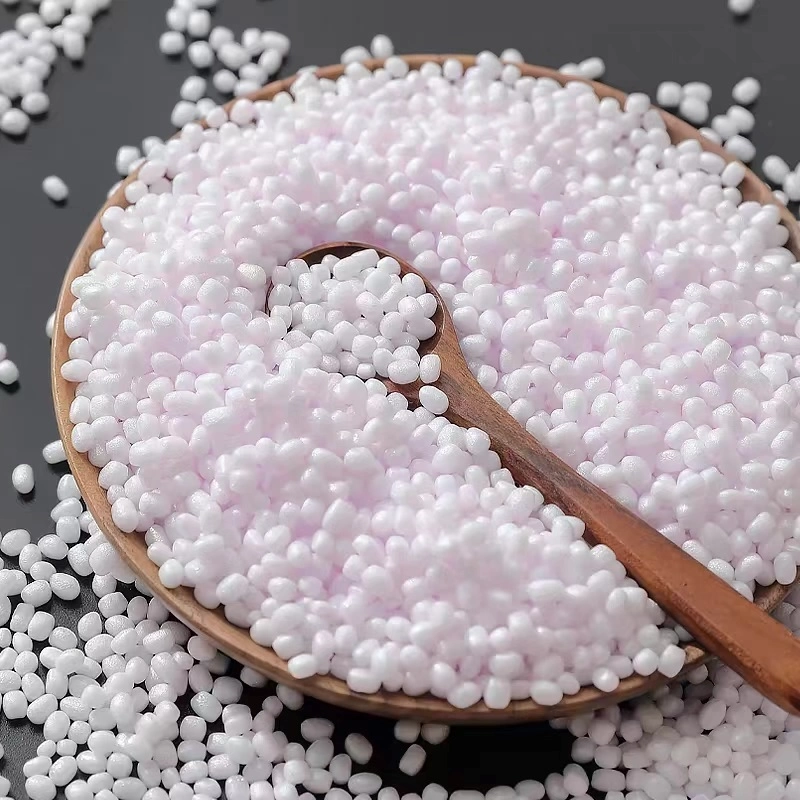
When the main goal shifts toward higher insulation efficiency, graphite grades deserve close attention. The graphite line appears all through the catalog, and the S32 product links directly to stronger thermal insulation performance. This option fits best when you want foam polystyrene to deliver more heat control without making the sourcing or the building steps too complicated.
That same idea grows even more useful when space stays tight. In small or crowded setups, every small gain in heat control really counts. A graphite choice gives you a smarter way forward than simply adding extra thickness and hoping the whole design still fits nicely without extra fixes.
Custom shapes and retrofits
Not every job calls for a standard wallboard order. Some insulation tasks need shaped pieces, unusual blocks, light filling material, or special sizes that help with retrofit work or mixed setups. For those cases, customized REPS becomes the more helpful path. The supplier talks about this service in terms of first gathering your needs, then checking density goals, reviewing the application, and turning everything into practical EPS solutions that include insulation panels and expanded polystyrene foam blocks.
Where value comes from
The Department of Energy notes that EPS often gets produced in blocks that workers can cut easily, while XPS usually serves as foam board insulation. In daily practice, this means your choice often ties back to what the job needs, not just to what looks best in a lab report. If you require a familiar and workable insulation material that can get adjusted into different grades and shaped into custom forms, expanded foam solutions stay very competitive. This holds especially true when the supplier can shift smoothly from basic grades to flame-retardant and graphite-enhanced options all inside the same product family.
Where waste drops
Cost reaches beyond the price per piece. Waste, reprocessing, and how efficiently things get made all shape the true final number. The product pages note that over 90 percent of old modular boards got reused, REPS uses 100 percent recycled raw materials, and waste recycling goes above 95 percent. The company also states that its manufacturing improvements cut energy consumption by more than 30 percent. Those figures matter because they show a supply system that works to keep costs down and ease pressure on the environment at the same time.
Match product to job
For many construction insulation jobs, the strongest suggestions stay straightforward. Pick the flame-retardant F grade when rules and building safety lead the talk. Choose graphite S grades when you want better thermal efficiency from foam polystyrene. Go with custom blocks and insulation panels when the shape, the fit, or the details of processing matter more than grabbing a stock board from the shelf.
Why does supplier capability matter as much as the material?
At a certain point, buying insulation stops being only about the product itself. It turns into a decision about how well the manufacturing and support work together. Two foam polystyrene choices can sound alike on paper and still act quite differently when it comes to steady supply, quality of shaping, and help during the project.
Process control
The supplier describes advanced smart production lines, steady control over density and compression performance, and full checks on environmental factors all the way through. For you, this counts because steady processing usually leads to more reliable board behavior, fewer surprises from one batch to another, and smoother installation out in the field.
Technical support
The custom workflow also points to a more helpful service style: gather needs first, then design the solution. That may sound basic, yet it matches exactly what many insulation buyers need. Strong support keeps you from buying too much, setting specs too low, or forcing the wrong grade into a job simply because it arrived quickly.
In the end, foam polystyrene gives the most worth when you stop seeing it as just another common item and begin matching the grade, the shaping, and the exact project needs more carefully. If you follow that path, you end up with better insulation choices and fewer costly fixes down the road.
FAQ
Q: Is foam polystyrene always the same as XPS?
A: No. Foam polystyrene in insulation commonly includes both EPS and XPS. EPS is made from fused beads and is often cut from blocks, while XPS is extruded into sheets. They are related materials, but not the same product form.
Q: Which grade is better for projects with stricter fire requirements?
A: The better recommendation is the F flame-retardant grade, because it is presented for building thermal insulation and is tied to UL certification plus named performance standards.
Q: When should you choose a customized foam polystyrene solution?
A: Choose a custom solution when your project needs non-standard dimensions, shaped blocks, specific density targets, or insulation panels designed around a particular application and budget.
 English
  German
  Spanish
  French
  Arabic