
In today’s shipping world, keeping goods safe while they travel matters just as much as getting them there on time. Companies count on packing choices that can stand up to bumps, changes in weather, and rough handling. To see why these matter, it helps to learn what foam packaging materials are and how they really help.
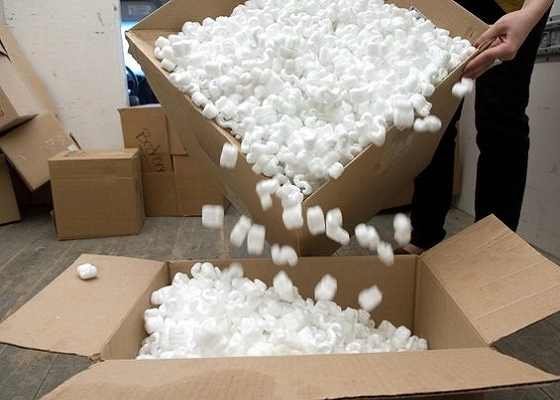
What Are Foam Packaging Materials and Why Are They Important?
Foam packaging materials have turned into a key piece of today’s shipping and item protection plans. Suppliers build them to guard things from hard knocks, shifts in heat or cold, and dirt during storage or moving. No matter if you send electronics, pottery, or fine tools, these materials make sure your goods arrive in one piece.
The Composition and Benefits of Foam Packaging
Foam packaging materials come from plastics like polyethylene (PE), polyurethane (PU), and expanded polystyrene (EPS). Every kind of plastic adds its own strength and feel that lets foam packaging work in many ways. These materials stay light but tough, so they help cut total shipping costs while giving better soft padding. Their tiny hole structure lets them soak up hits well and spread the force around to stop breaks.
How Does Foam Packaging Enhance Product Safety?
Foam packaging makes things safer by sitting like a soft wall between your goods and outside forces. Its solid build cuts down shakes and soaks up hard bumps during moving or carrying. Plus, it blocks outside problems like wet air, dust, and heat changes that could hurt the quality of what you send.
How Do Different Types of Foam Packaging Materials Compare?
Picking the right foam depends on mixing low cost with how well it must work. Each plastic type brings different good points based on how heavy it feels, how much it stretches, and how it handles heat.
Comparing Polyethylene, Polyurethane, and Expanded Polystyrene Foams
Polyethylene foam stands out because it lasts long and bends without breaking. It fights staying squashed, so it keeps its shape after many hits, which makes it right for heavy things like machine parts. Polyurethane foam gives wonderful soft padding thanks to its gentle feel; people often use it for fine tools or glass items that need kind support. Expanded polystyrene foam (EPS), meanwhile, does best at keeping heat in or out while staying cheap for big runs of products.
E-standard material is a common EPS that sees wide use in electrical packing, heat-keeping materials, fishing floats, crafts, and decorations. This shows how EPS-based foams mix low price with many uses, serving both guarding and heat control at the same time.
Which Foam Material Is Best Suited for Your Needs?
Choosing the best foam comes down to your item’s weight, how easy it breaks, its size, and what weather or conditions it faces while traveling. For example:
- Light electronics do well with polyethylene foam because it bounces back strong.
- Breakable glass or medical tools work best with polyurethane soft padding.
- Goods that hate heat changes, like medicines or food, count on EPS foams that do not let heat pass easily.
For companies that want green choices without losing good performance, FHE-N-HBCD Flame Retardant Grade gives a good option that follows EU REACH and ROHS rules while keeping B1-level fire resistance.
How Can You Optimize Your Packaging Strategy with Foam Materials?
Making your packing plan better means more than just picking the right stuff. It also means mixing smart design with goals to help the earth.
Customizing Foam Packaging for Specific Products
Cut-to-fit foam pieces make sure every item sits tight inside its box. This custom work not only stops shifting but also makes the unboxing look nice. By shaping pieces to match exact forms or break levels, you waste less material and make customers happier with a clean, pro look.
Custom-cut foam inserts fit your products just right, boosting both safety and how nice it looks when opened. Many suppliers now use computer drawing tools to test force spread inside packing plans before they make them, so everything works well in real use.
The Role of Sustainable Practices in Foam Packaging
Helping the earth has become a big part of today’s making ways. Companies more and more pick foams that break down or recycle to match the world’s green rules.
Look into kind-to-earth foam choices made from materials that can break down to match green business ways.
New suppliers have built recycling loops where old EPS gets squashed at a 50 to 1 rate and turned back into fresh raw stuff. This cuts bad air gases by as much as 72 percent compared to new making methods. Such steps not only shrink harm to nature but also build strong green scores for companies in busy markets.
Why Choose HUASHENG’s Foam Packaging Solutions?
As different fields move toward smarter making that cares for the earth and brings new ideas, one company shows this change well—HUASHENG.
With its goal of “reducing the burden on the earth,” HUASHENG leads the world in EPS new ideas through green smart making. The company runs modern smart factories with advanced twin-screw extruders brought from Europe to make high-performance graphite polystyrene foams. It has set up a digital twin lab that mixes process test systems to raise exactness at every making step.
HUASHENG recycles more than 300,000 tons of EPS each year, which saves 1.5 million tons of crude oil, and reaches over 95 percent waste reuse through its own three-circulation system. Its REPS materials have tiny closed hole structures that raise push strength by 40 percent while cutting heat pass by almost half compared to usual EPS kinds. Beyond strong tech, HUASHENG gives full custom help from need checking to final send to help buyers reach the best guarding plans that match green goals.
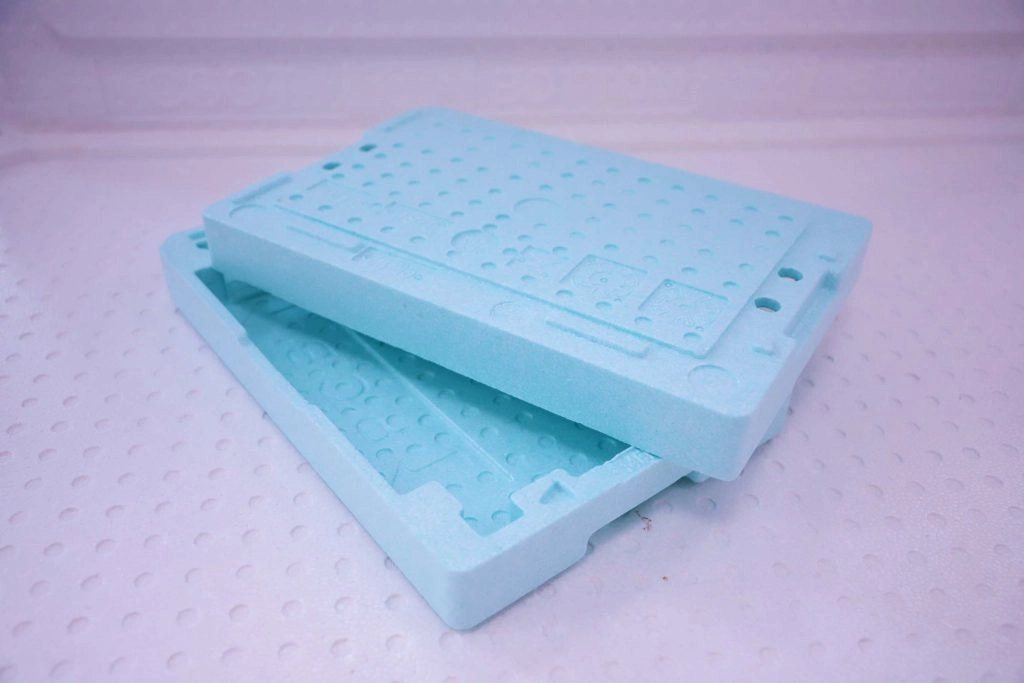
Discovering the Unique Offerings of HUASHENG Products
HUASHENG gives a full set of foam packaging answers made to fit many industry needs. Their collection covers standard-grade E-materials for everyday uses, super-light P-materials good for big boards or ceramic lamp boxes, fire-stop F-series that meet UL E360952 cert rules, and graphite-boosted S-series that reach Class B1 fire resistance under GB8624-2012 rules.
Each product group focuses on real use plus care for the earth—for example:
- P-extra light grade gives high expansion up to 200 times, perfect for light boards.
- FSH-European standard flame retardant grade raises push strength by more than 20 percent and supports passive building heat keeping.
- FGE graphite polystyrene mixes useful graphite bits through suspension to boost anti-static power while keeping steady colors.
These new ideas show how fresh material science turns into safer shipping systems while backing circular economy ideas around the world.
HUASHENG stands out because it does not stop at making the foam. The full custom service walks buyers through picking the right grade, testing samples, and adjusting sizes for perfect fits. This hand-holding turns packing from a plain job into a smart part of the business plan. Many users say their total costs drop because they buy less foam overall and see fewer broken goods.
In short, foam packaging materials bring simple but powerful help to anyone who moves goods. From light daily shipments to big industrial runs, the right foam choice makes a real difference in safety, cost, and care for the earth. HUASHENG shows how new thinking in materials can solve old problems while building a cleaner future.
FAQs
Q: What factors should you consider when choosing foam packaging materials?
A: Think about your product’s weight, how easily it can break, the trip conditions, like shakes or wet air, and needed safety rules, such as fire stops, and your green goals before you pick the right plastics or thicknesses.
Q: Are there eco-friendly options available in foam packaging materials?
A: Yes. New suppliers offer foams that break down or recycle, like kinds without HBCD that follow EU REACH and RoHS rules and still keep B1-level fire stops without bad additives.
Q: How does custom foam packaging benefit businesses?
A: Special shaped pieces lower the chance of damage on the road by holding each part tight in its box while using less extra material, which improves both smooth work and how nice the brand looks when customers open the package.
 English
  German
  Spanish
  French
  Arabic