
In today’s construction world, insulation materials help boost building performance and long-term energy savings. Builders and designers often check various materials to pick options that mix strength, effectiveness, and budget control. To understand why EPS shines, it helps to examine what EPS material means and how it works in building insulation setups.
What is EPS Material, and Why is it Used in Building Insulation Systems?
Expanded polystyrene (EPS) has turned into a main part of today’s insulation tech. It gives a good mix of results, price, and green practices. People use it a lot in homes and business buildings to boost energy savings and cut down on harm to the environment.
The Composition and Properties of EPS Material
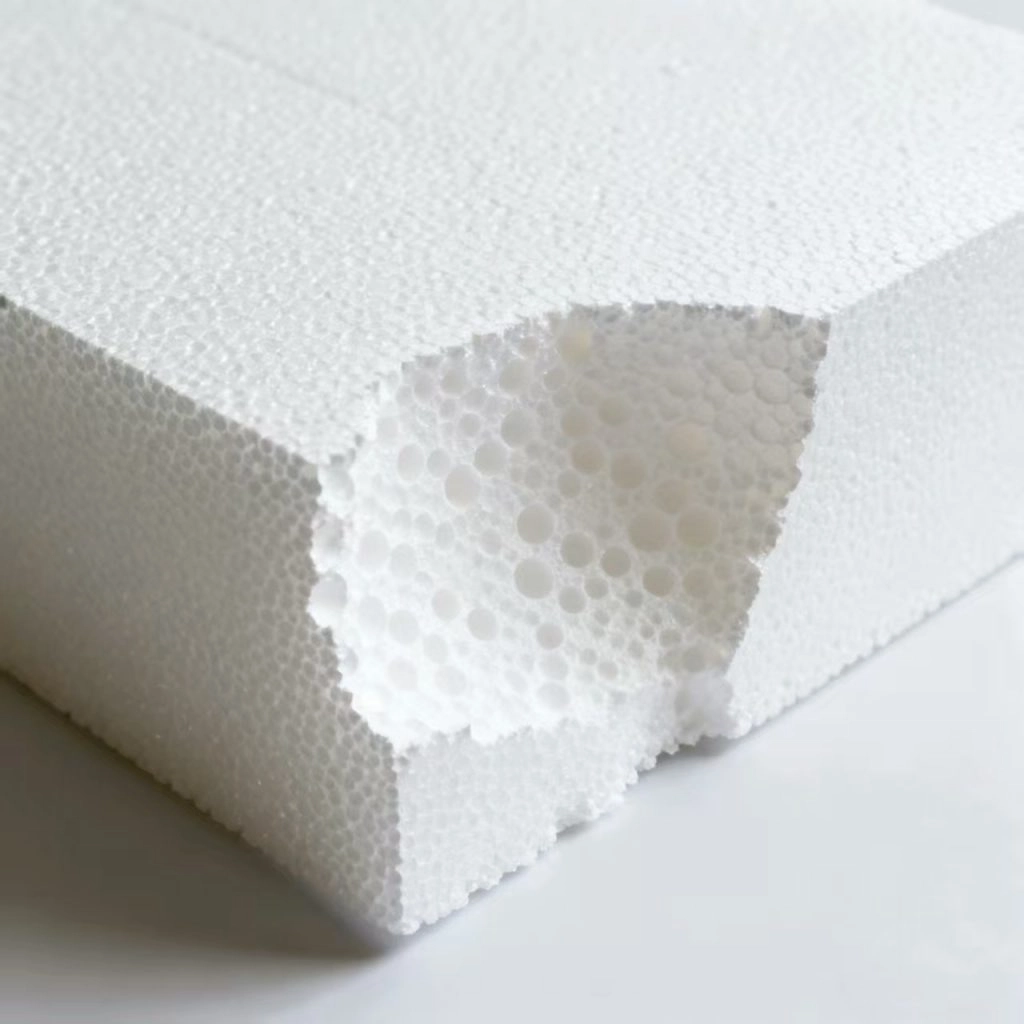
EPS forms a closed-cell foam from polystyrene beads that grow when heat hits them. It holds about 98% air, which makes it light in weight and great at blocking heat. Its closed-cell design stops water from getting in, so it lasts a long time even in tough weather. This mix of low weight and strong pressure handling makes EPS perfect for insulation boards, wall panels, and roof systems.
HUASHENG runs as a high-tech company focused on studying, making, and selling expandable polystyrene (EPS) foam. Their smart EPS mixes reach top levels in even density, pressure strength, and heat-blocking power. These are key measures that show how trusty insulation systems can be.
The Benefits of Using EPS in Modern Insulation
EPS insulation brings many pluses that make it a top pick in the building field, because its high R-value gives strong heat resistance and helps keep inside temperatures steady all year. Since it weighs little, it cuts the total load on building frames and stays simple to move and put in place. It also costs less than choices like polyurethane or mineral wool.
In building insulation areas, HUASHENG’s EPS foam items stand out well. They cut building energy use by giving a solid heat shield that lowers the need for heating and cooling setups. This boosts comfort. At the same time, it helps lower gases that warm the planet. That is a big point for green building work.
How Does EPS Insulation Enhance Energy Efficiency in Buildings?
As rules on energy get stricter around the world, better heat performance with materials like polystyrene foam insulation grows more important. EPS helps meet these rules by cutting heat loss or gain through building outer layers.
Thermal Performance of EPS Insulation
The closed-cell build of EPS cuts air flow inside its setup. This lowers heat movement by direct touch and air flow a lot. So, buildings with EPS insulation keep steady inside air with less need for air systems. Over years, this leads to clear drops in energy costs for running things.
The Role of EPS in Reducing Environmental Impact
Besides heat savings, EPS aids green plans through reuse options and low energy used in making it. New ways to make it have cut its harm to nature even more.
How Can You Choose the Right EPS Product for Your Insulation Needs?
Picking the right EPS material needs close checks of your project’s frame design, weather area, and rules to follow.
Factors to Consider When Selecting EPS Insulation
When looking at choices, pay attention to three key points. First is density, which changes how much pressure it can take. Second is thickness, which shifts the R-value. Third is how it fits with other outer or roof materials. Denser types work best where heavy loads happen, like on outside walls or underground spots. Lighter types do fine for inside walls or ceilings.
HUASHENG’s wide EPS item line includes normal type, fire-stop type, and graphite-charged type. Each kind gives special gains, as fire-stop kinds boost safety from fire and graphite-boosted kinds raise heat blocking, while normal kinds offer cheap fixes for usual building jobs.
Recommendations for Specific Applications
For outer wall systems that face changing weather, fire-stop boards like F-Flame Retardant Grade Material give sure B1-level fire safety. They keep low heat flow too. Roof parts often gain from thicker graphite-charged boards. These fights come in during hot times and go out in cold times. On the other hand, inside walls can use simpler normal-grade sheets. They make putting in easy without losing comfort.
How Does HUASHENG’s EPS Product Stand Out in the Market?
New ideas that push modern building outer layers depend much on leading work in material know-how. And here, HUASHENG sets itself apart as a front-runner in green-saving insulation tech.
HUASHENG’s Innovative Approach to EPS Insulation
HUASHENG has teamed up with several top home study groups to start a Green Materials Idea Study Center. Using tech that mimics quantum for molecule chains, they made tiny-scale honeycomb hole builds. These raise pressure strength by 40%. They also cut heat flow by almost half versus old foams. Such steps set fresh standards for top-work insulation fixes around the globe.
Why Trust HUASHENG for Your Insulation Solutions?
With a strong promise to quality and green ways, HUASHENG gives trusty insulation fixes made for today’s build needs. The company’s full help plan, from tech advice to after-put-in aid, makes sure you get pro help at each step. Plus, their check under ISO 14067 for carbon mark shows real steps toward no-carbon goals by 2026. That gives sure proof for builders who care about green marks that are checked.
What Are the Installation Best Practices for EPS Insulation?
Good putting in decides if your picked material gives its full power over many years of use.
Preparing Your Building Structure for EPS Installation
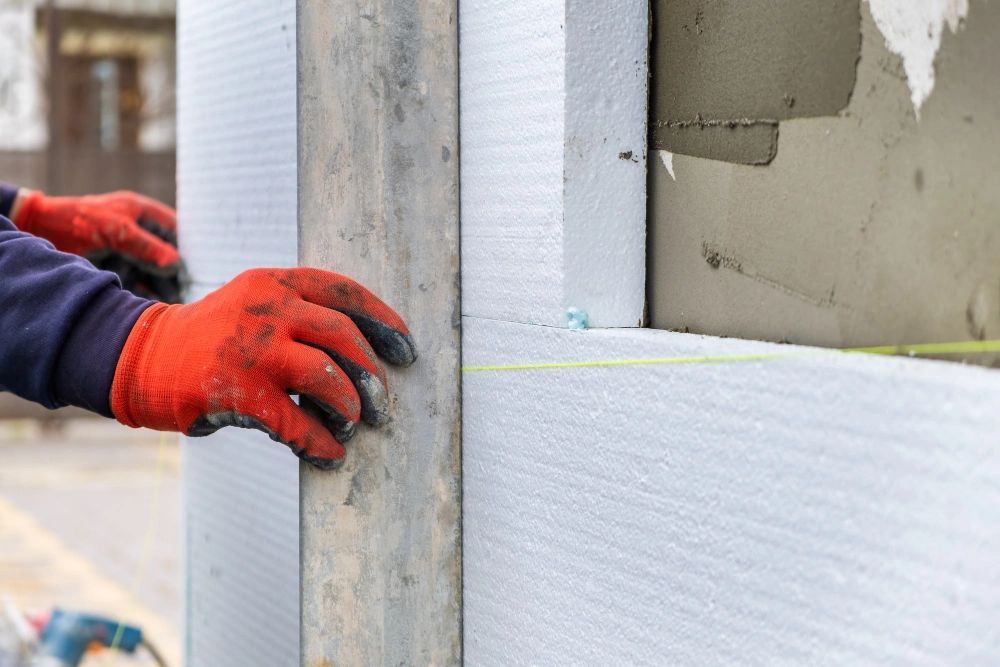
Before putting on boards or panels, make sure all areas are clean, even, and dry from water. Small bumps can make air spaces that hurt insulation flow. Lining joints right stops cold paths. Those are a usual reason for wet spots or heat leaks in one area, and it makes sure there is full cover over the outside or roofs without breaks.
Workers should stick to maker tips on glues or hold-down tools that fit each base kind. When added with steam blocks if needed, these steps lock in the best setup strength against heat changes and wet come-in.
Common Mistakes to Avoid During Installation
Do not leave spaces between the next panels. Even tiny holes can drop the full R-value a lot. Bad sealing near holes like pipes or window spots can bring drafts or water in that you do not want. Always wait enough dry time after glue use before adding end layers like plaster or cover systems. Covering too soon can hold water inside the buildup.
By sticking close to these good ways and picking checked fire-stop kinds that match GB8624-2012, you get the most safety and savings results over your whole project time.
FAQs
Q: Can EPS be used in both residential and commercial buildings?
A: Yes. Because of how it fits different weights and shapes, from light ceiling boards to strong wall carriers, EPS works well in houses as well as office buildings or factory spots.
Q: Is standard polystyrene foam insulation fire-resistant?
A: Base kinds give some block against fire, but better mixes with add-ins that stop fire meet Class B1 rules when put in right behind safe ends like wall boards or cement covers.
Q: How does humidity affect long-term performance?
A: Because of its closed-cell build that fights water take-in under 2%, EPS keeps its block skills even after a long time in wet places. That makes it great for mild and hot wet areas alike.






 English
  German
  Spanish
  French
  Arabic