
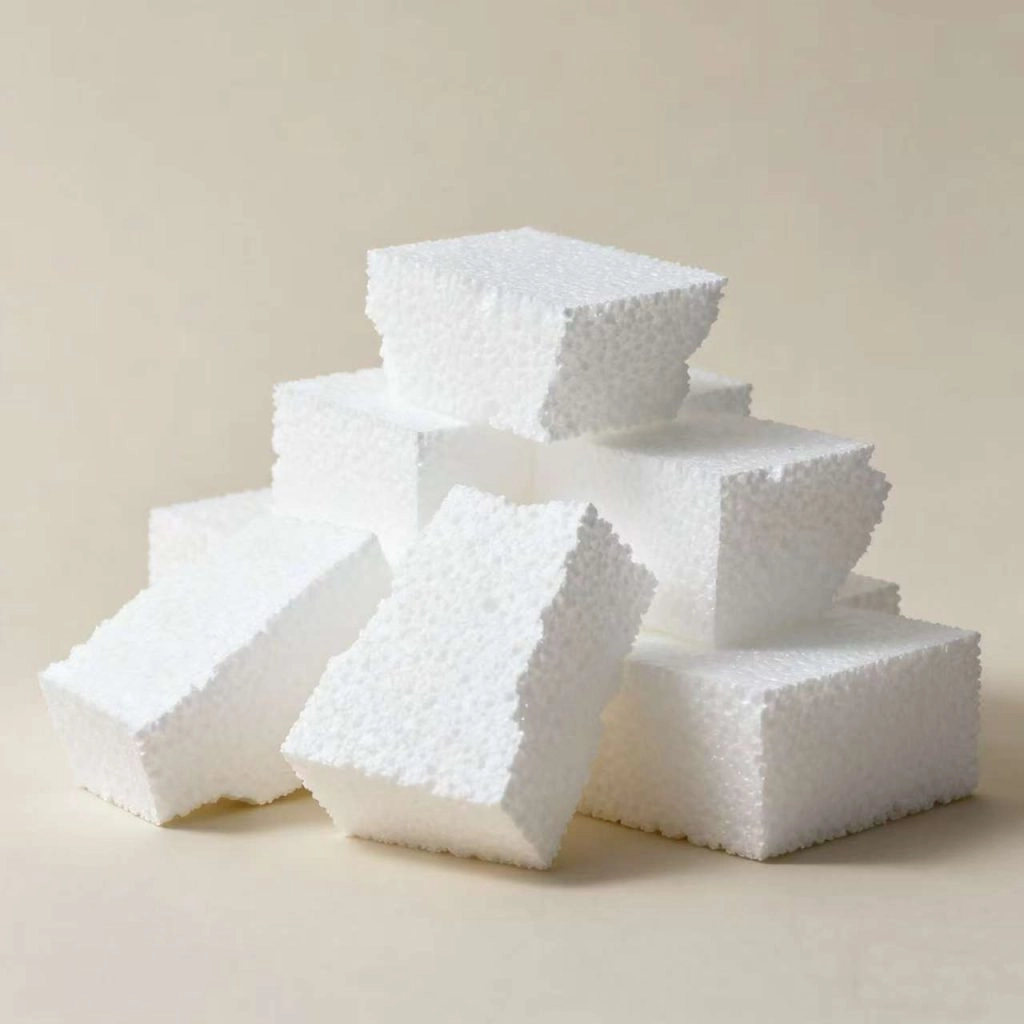
Lightweight filling substances now hold a crucial position in the contemporary construction field. From roadway embankments and bridge abutments, retaining structures, or building foundations, specialists look for options capable of decreasing pressure on underlying ground while ensuring dependable structural performance over long periods. Geofoam products assist in managing settlement issues, speeding up building timelines, and strengthening stability where soil conditions are unstable.
Among readily available choices, expanded polystyrene (EPS) and extruded polystyrene (XPS) lead the field. Nevertheless, actual differences in capability frequently stem more from density management, site circumstances, and engineering than from promotional statements. The article will analyze the actual performance of each substance, providing insight into comparative mechanical qualities, lasting resilience, and practical building advantages.
What Makes EPS and XPS Suitable for Geofoam Applications?
Before delving into detailed comparisons, understanding the reasons both substances work effectively as lightweight structural fills is essential.
How Does EPS Work as a Lightweight Structural Material?
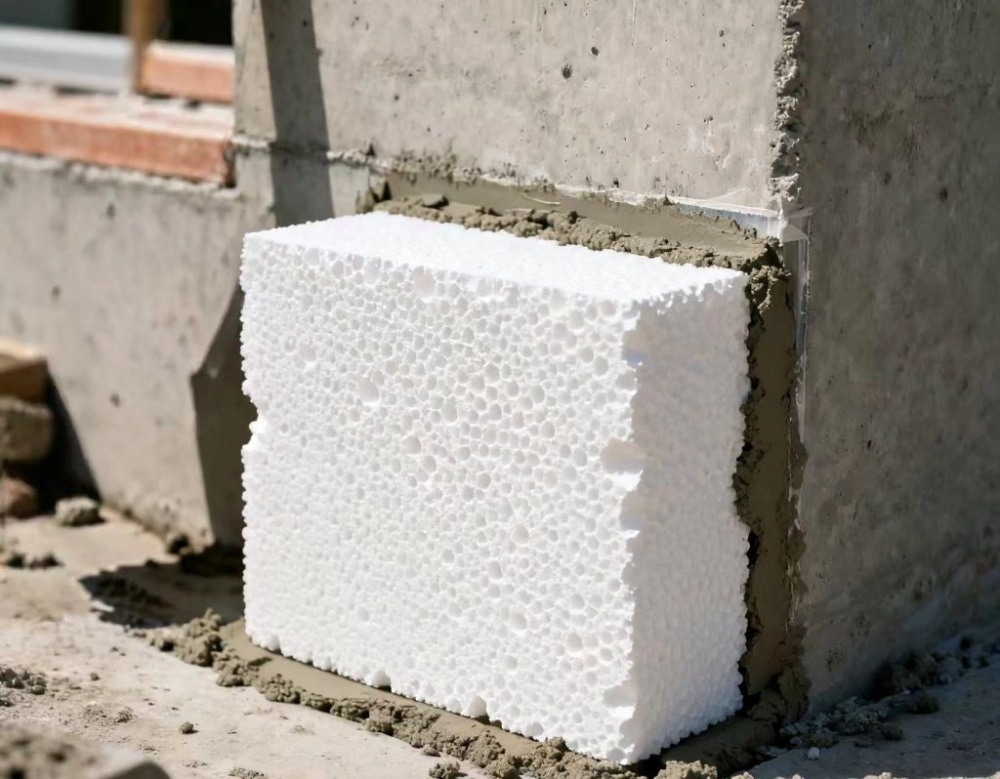
EPS geofoam arises from expanded beads molded into sizable blocks filled largely with trapped air. This structure significantly reduces the force exerted onto subgrade soils, making the material particularly appropriate for sites presenting unstable ground conditions. Workers find the blocks easy to cut and shape, allowing convenient adjustment to irregular site layouts, so it is suitable for roadway embankments, slope reinforcement measures, and efforts aimed at reducing foundation loads.
How Does XPS Differ Structurally from EPS?
XPS emerges through a steady extrusion method, forming a consistent closed-cell structure. Compared at similar density levels, it generally exhibits marginally greater resistance to compression and noticeably reduced water absorption. Consequently, designers sometimes choose XPS in situations involving long-term contact with damp environments.
Why Is Density Selection More Important Than Material Type?
Deciding between substances is decisive in itself. Resistance to continued pressure hinges primarily upon chosen density and anticipated project demands. Appropriately raising EPS density brings its capacity for bearing loads quite close to XPS levels. Hence, selecting the correct density guided by structural calculations carries far greater weight than mere preference for one material category.
Which Geofoam Handles Long-Term Loads More Effectively?
Performance during long-term loading largely dictates whether gradual sinking stays within acceptable boundaries throughout many years of service.
How Does EPS Perform Under Long-Term Compression?
EPS has an extensive application history in transportation-related works. Its creep characteristics allow densities to receive precise adjustment matching imposed burdens. Carefully designed installations consistently exhibit dependable behavior across long-term embankment and bridge applications, keeping settlement amounts confined in anticipated ranges.
Does XPS Provide Better Load Resistance?
XPS displays higher compressive capability when densities match, which offers benefits where heavier burdens require slimmer fill layers. Still, once EPS density rises adequately to meet structural needs, observed differences narrow markedly.
Which Material Reduces Settlement Risks More Reliably?
Effective settlement management rests chiefly upon the balance between applied force and material strength rather than inherent substance category. Well-engineered EPS structures routinely achieve settlement mitigation comparable to XPS structures, assuming appropriate drainage and load-spreading layers are well designed.
How Do Thermal and Moisture Conditions Affect Material Choice?
Surrounding environmental factors frequently influence material preference more strongly than mechanical attributes.
How Does Moisture Exposure Influence EPS Performance?
EPS takes in only limited water, but sustained performance relies heavily upon effective drainage. Accumulation near foam blocks might slowly alter characteristics. Thoughtfully implemented drainage systems generally remove such risks, preserving both mechanical integrity and insulating capacity.
Does XPS Resist Water Absorption Better?
XPS exhibits distinctly lower water absorption owing to its continuous closed-cell structure. Under conditions of constant saturation or flood-prone flooding, this trait occasionally offers noticeable benefit, although competent drainage typically narrows the practical difference.
Which Performs Better in Freeze-Thaw Regions?
Both substances demonstrate reliable behavior provided that standing water is excluded. Direct damage from freeze-thaw cycles seldom impacts geofoam itself, but overall site engineering quality governs enduring success.
Which Geofoam Option Offers Better Construction Efficiency?
Practical installation considerations increasingly shape material decisions, particularly in dense urban environments or fast-track projects.
Why Is EPS Easier to Customize On-Site?
EPS units are lightweight and easy to modify. Construction teams rapidly shape and position pieces to accommodate uneven ground features, thereby avoiding schedule disruptions. Reduced mass also decreases reliance upon large machinery, enhancing both worker protection and the speed of installation.
Does XPS Offer Installation Advantages?
XPS units present even surfaces and steady stiffness, facilitating precise positioning in compact structural applications. However, actual differences in assembly pace are slight when EPS are prepared systematically.
Which Material Lowers Construction Risk?
Compared with conventional earth fill, both options markedly diminish potential dangers. EPS commonly receives preference where variable terrain requires field adjustments.
How Do Fire and Safety Requirements Influence Material Selection?
Works situated close to structures or confined spaces frequently demand careful consideration of combustion characteristics.
How Can Flame-Retardant EPS Improve Project Safety?
Contemporary flame-retardant EPS grades satisfy established international standards for building materials and improve protection levels in vulnerable environments. Regarding infrastructure requiring enhanced protection, F-flame retardant grade EPS insulation material demonstrates successful integration of load-bearing capability with necessary fire-resistance capacity. Established grading systems and manufacturing oversight ensure consistent responses during testing evaluations.
Does XPS Provide Similar Fire Safety Performance?
Combustion behavior in XPS likewise depends upon specific composition and surrounding protective measures. Across both substances, final fire-resistance outcomes generally result from the overall installation approach and applied coverings.
How Does Material Manufacturing Quality Affect Geofoam Reliability?
Consistent production ultimately underpins dependable geofoam behavior.
Why Is Particle Uniformity Important in EPS Production?
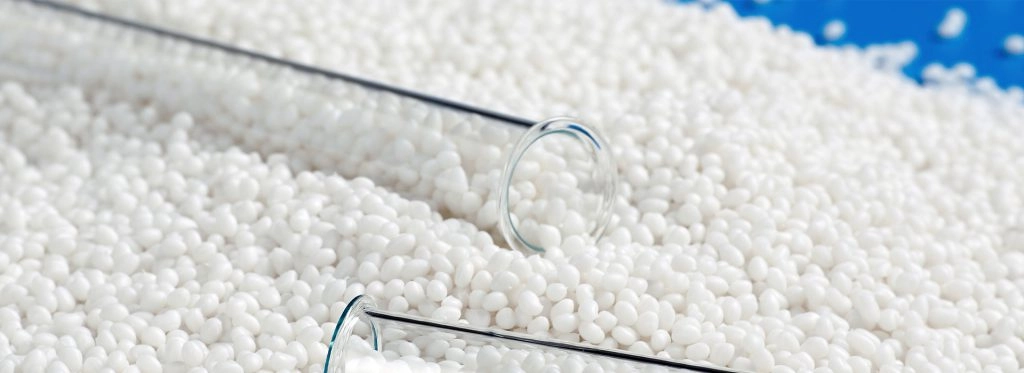
Uniform expansion among beads promotes consistent compressive performance throughout molded blocks. Carefully managed fusion eliminates potential weak zones, ensuring predictable deformation under applied stress. Civil engineering endeavors gain advantage from steady density profiles maintained across large production volumes.
Material grades commonly employed in infrastructures, including standard grade-E EPS material, consistently supply reliable fusion, size stability, and mechanical strength, which are suitable for structural fill purposes.
How Does Production Control Influence Project Outcomes?
Stable density management decreases structural variability and strengthens engineering reliability. Systematic quality verification procedures directly enhance settlement management, insulation performance, and long-term service life.
How Do Advanced Manufacturers Support Sustainable Geofoam Development?
Contemporary infrastructure initiatives increasingly weigh ecological considerations and technical performance.
Why Does Circular Production Matter in Geofoam Supply?
Incorporation of recovered substances diminishes ecological burden while upholding material dependability. Systems employing internal recycling cycles decrease energy requirements and greenhouse gas emissions, assisting projects in achieving environmentally conscious construction targets.
How Does Industrial Innovation Improve Material Reliability?
Now, stable supply network competence is particularly significant. HUASHENG stands as a prominent contributor in EPS advancement by integrating automated production facilities, advanced expansion techniques, and efficient material recovery to ensure consistent product qualities. Guided by a commitment to innovation-supported, environmentally friendly manufacturing, we supply EPS solutions extensively utilized across building insulation, protective packaging, and transportation-related fields.
Our intelligent manufacturing framework successfully integrates recycled raw materials, attaining recovery rates over 95% and substantially reducing energy consumption during manufacturing. Continuous investment in process simulation and material improvement secures uniform density and stable compression throughout the entire process. Such progress enables producers to access reliable geofoam options while advancing the circular economy and enduring ecological objectives.
Conclusion
EPS geofoam provides a strong balance between mechanical capability, economic feasibility, and installation flexibility. XPS occasionally presents distinct benefits in persistently wet environments, especially where effective drainage remains uncertain. However, appropriate density specification and strict structural planning typically exert greater influence than the material category itself.
Looking forward, infrastructure choices will increasingly integrate robust engineering performance with responsible resource stewardship, allowing geofoam approaches that effectively address both aspects to gain continued prominence worldwide.
FAQs
Q: Is EPS geofoam suitable for highway embankments?
A: Certainly. Provided density levels and structural loading align with project specifications, EPS finds widespread application throughout global transportation networks.
Q: Does XPS always outperform EPS?
A: Not invariably. While XPS may demonstrate superior moisture resistance under certain conditions, EPS frequently delivers greater versatility and favorable cost considerations.
Q: Which geofoam option is more sustainable?
A: EPS produced incorporating recovered content commonly achieves reduced ecological footprint relative to traditional fabrication approaches.
 English
  German
  Spanish
  French
  Arabic