
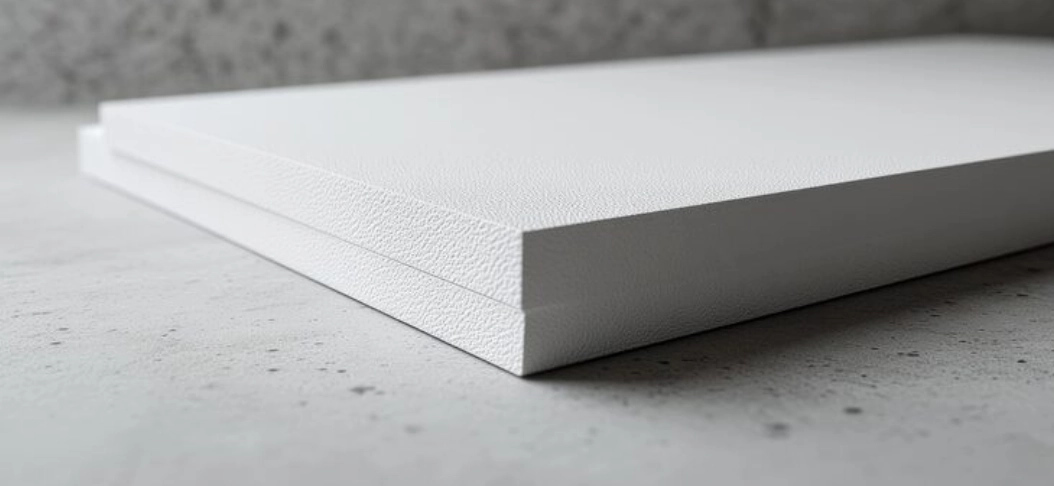
¿Por qué la elección del aislamiento de la placa de espuma rígida importa más de lo que podría esperar?
La selección de aislamiento de espuma rígida implica más que elegir una capa térmica simple. La decisión influye en cómo el calor, la humedad, la resistencia al fuego y la durabilidad funcionan en toda la envoltura del edificio. Las pequeñas diferencias en la composición de la espuma, el control de la densidad y los métodos de modificación a menudo conducen a grandes diferencias en los gastos globales con el tiempo y en la fiabilidad del rendimiento.
Las placas de espuma rígidas suelen parecer similares en las especificaciones. Sin embargo, en la aplicación práctica, reaccionan de manera bastante diferente a la compresión, la exposición a la humedad, los ciclos de temperatura y las restricciones regulatorias. Esto explica por qué el poliestireno expandido (EPS) sigue siendo un tema de discusión. El material no siempre reclama el mayor rendimiento en cualquier medida, pero ofrece resultados constantes cuando los sistemas se diseñan de manera holística.
La evaluación adecuada del EPS requiere una comparación directa con espumas rígidas alternativas. El rendimiento debe examinarse en la vida real, en lugar de solo en pruebas de laboratorio controladas.
¿Qué define el aislamiento de la placa de espuma rígida en comparación con otras formas de aislamiento?
La comparación de los materiales gana claridad después de entender el papel único de las placas de espuma rígida entre varias opciones de aislamiento.
¿Cómo funcionan las placas rígidas de espuma estructuralmente y térmicamente?
Las placas de espuma rígidas se fabrican como láminas robustas e independientes. A diferencia del aislamiento fibroso o de relleno suelto, mantienen su forma sin depender de cavidades o contención. Puede cortarlos con precisión, fijarlos mecánicamente o unirlos directamente a sustratos. Durante períodos prolongados, estas tablas evitan la caída, la compactación o la formación de huecos.
Cuando las juntas se sellan correctamente, las placas de espuma rígidas también contribuyen a las capas de control del aire. Este papel combinado, la resistencia al calor combinada con el sellado continuo de la envoltura, explica su uso común en sistemas de aislamiento externos, fundaciones y capas de techo.
El EPS encaja firmemente en esta categoría, pero su estructura interna lo diferencia en aspectos importantes de otras espumas rígidas.
¿Cómo difiere la placa de espuma rígida EPS a nivel de material?
EPS se produce expandiendo las perlas de poliestireno con vapor y fusionándolas en una matriz de células cerradas.Esta ruta de fabricación da a EPS un equilibrio distinto de propiedades.
¿Qué ventajas prácticas ofrece EPS?
EPS ofrece características ligeras, rendimiento estable en varios aspectos y facilidad de procesamiento. Los fabricantes pueden ajustar la densidad con precisión, lo que le permite cambiar la capacidad de carga, el rendimiento térmico y el costo mientras mantiene el sistema de polímero base.
En el aspecto de la construcción, EPS es adaptable. Puede cortarlo limpiamente, manejarlo sin herramientas especializadas e integrarlo en conjuntos en capas con una mínima complejidad de trabajo. Esta previsibilidad es importante cuando la velocidad y la consistencia de la construcción son críticas.
¿Dónde están las limitaciones reales del EPS?
EPS ofrece un valor R por pulgada más bajo en comparación con algunas alternativas. Si su diseño está limitado por el grosor, es posible que necesite compensar con una mayor profundidad de tabla o formulaciones mejoradas. La gestión de la humedad también importa. El EPS funciona bien cuando se detalla correctamente, pero una mala protección puede reducir la estabilidad térmica a largo plazo.
Estas limitaciones no son defectos aislados. Sólo se vuelven relevantes cuando el EPS es tratado como una mercancía genérica en lugar de un sistema de materiales sintonizados.
¿Cómo se comparan otras placas de espuma rígida con EPS en uso real?
El EPS rara vez se selecciona en aislamiento. Por lo general lo pesa contra otras dos categorías de espuma rígida.
¿Qué diferencia a XPS de EPS?
El XPS se fabrica mediante extrusión, creando una estructura de celda cerrada más densa y uniforme. Esto da como resultado una mayor resistencia a la humedad y un mayor valor R por pulgada. Puede preferirlo en entornos continuamente húmedos.
Sin embargo, también hereda mayores costos de materiales y una mayor carga ambiental vinculada a su proceso de producción. Para los proyectos sensibles a las métricas de sostenibilidad o a una gran cobertura superficial, estos compromisos se vuelven rápidamente visibles.
¿Por qué el poliisocianurato es a menudo visto como un punto de referencia de alto rendimiento?
El poliisocianurato ofrece el valor R nominal más alto por pulgada entre las espumas rígidas comunes. También se comporta de manera diferente bajo la exposición al fuego, tendiendo a carbonizarse en lugar de fundirse.
Dicho esto, el rendimiento del poliisocianurato puede variar con la temperatura, y sus facers introducen consideraciones de compatibilidad. La estabilidad de los costos y el suministro también son importantes cuando los proyectos escalan.
Cuando se ven estos materiales en todo el sistema, EPS se mantiene competitivo no superando cada métrica, sino ofreciendo equilibrio y controllabilidad.
¿Por qué debería considerar el EPS como un material del sistema en lugar de una mercancía?
El EPS muestra su valor cuando está diseñado para su aplicación en lugar de ser tratado como una espuma genérica.
En este punto, ayuda a ver cómo ha evolucionado el desarrollo de EPS. Un productor que ilustra especialmente bien este cambio es HUASHENGEn lugar de posicionar el EPS como una opción de gama baja, la compañía lo aborda como una plataforma de material sintonizable, ajustando la estructura de las perlas, la distribución de la densidad, el comportamiento al fuego y el rendimiento térmico para coincidir con escenarios de aislamiento específicos.
Lo que hace que este enfoque sea práctico para usted no es la marca, sino el control. Obtiene acceso a grados EPS que se comportan de manera consistente a lo largo de las ciclos de producción, se integran limpiamente en los sistemas de edificios y se alinean con las expectativas modernas de sostenibilidad. Esto reestructura EPS de una elección de compromiso en una decisión deliberada de especificación.
¿Cómo los grados específicos de EPS abordan diferentes preocupaciones de aislamiento?
No todos los EPS se comportan de la misma manera. Dos formulaciones ilustran cómo el EPS puede adaptarse a las necesidades reales del proyecto.
¿Cuándo tiene sentido un grado EPS estándar?
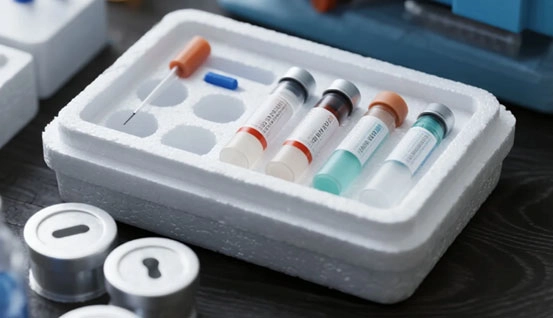
Para aplicaciones donde la estabilidad, la eficiencia de procesamiento y el rendimiento predecible importan más que la densidad térmica extrema, Material estándar Grado-E Es una elección práctica. Puede confiar en una fusión de perlas consistente, superficies lisas y dimensiones estables. Esto es importante en sistemas de paredes, paneles compuestos y capas de aislamiento generales donde la repetibilidad impulsa la calidad.
Este tipo de EPS funciona mejor cuando el espesor no está restringido artificialmente y cuando se valora la facilidad de instalación junto con la resistencia térmica.
¿Cómo puede el EPS modificado por grafito cerrar la brecha térmica?
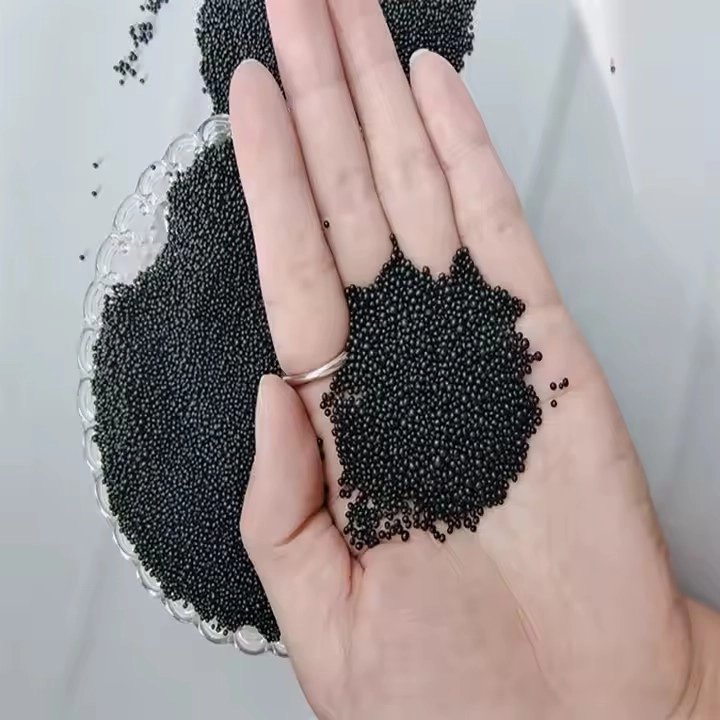
Si necesita un mejor rendimiento térmico sin abandonar las ventajas estructurales y ambientales de EPS, Espuma ignífuga de grafito Grado-S direcciones que necesitan. Al integrar partículas de grafito, se reduce la transferencia de calor radiante, disminuyendo significativamente la conductividad térmica.
Al mismo tiempo, el comportamiento contra incendios y la estabilidad mecánica siguen siendo compatibles con los exigentes códigos de construcción. Gana margen de rendimiento mientras mantiene el perfil familiar de procesamiento y manejo de EPS.
¿Cómo debe decidir entre EPS y otras opciones de espuma rígida?
La selección de materiales rara vez se reduce a una sola propiedad. Estás equilibrando el costo, el grosor, el comportamiento de la humedad, el rendimiento contra incendios, el impacto ambiental y la construcibilidad.
EPS le da flexibilidad. Puede aumentar el grosor donde el espacio lo permita, seleccionar grados modificados donde aumenten los objetivos térmicos y confiar en cadenas de suministro estables para una cobertura de gran área. Cuando se evalúa a través de conjuntos completos y ciclos de vida, EPS a menudo ofrece el costo ajustado al riesgo más bajo.
En lugar de preguntar qué espuma es "mejor", una pregunta más útil es qué espuma le permite diseñar con el menor número de compromisos. En muchos sistemas de aislamiento, EPS responde a esa pregunta con más frecuencia de lo esperado.
Preguntas frecuentes
Q1: ¿Es el EPS adecuado para envoltorios modernos de edificios de alto rendimiento?
R: Sí. Cuando el espesor y los detalles se planifican correctamente, y cuando se utilizan grados mejorados cuando sea necesario, EPS funciona de manera fiable en sistemas de paredes y techos de alta eficiencia.
Q2: ¿Cómo difiere el EPS modificado con grafito del EPS convencional en la práctica?
R: El EPS modificado con grafito reduce la transferencia de calor radiante y la conductividad térmica. Al mismo tiempo, mantiene la firmeza estructural y las ventajas de procesamiento de EPS.
Q3: ¿Es EPS todavía significativo cuando el rendimiento contra incendios es una preocupación?
R: Los grados de EPS resistentes al fuego están diseñados para satisfacer las clasificaciones de materiales exigentes cuando se colocan dentro de conjuntos compatibles.






 Spanish
  English
  German
  French
  Arabic