
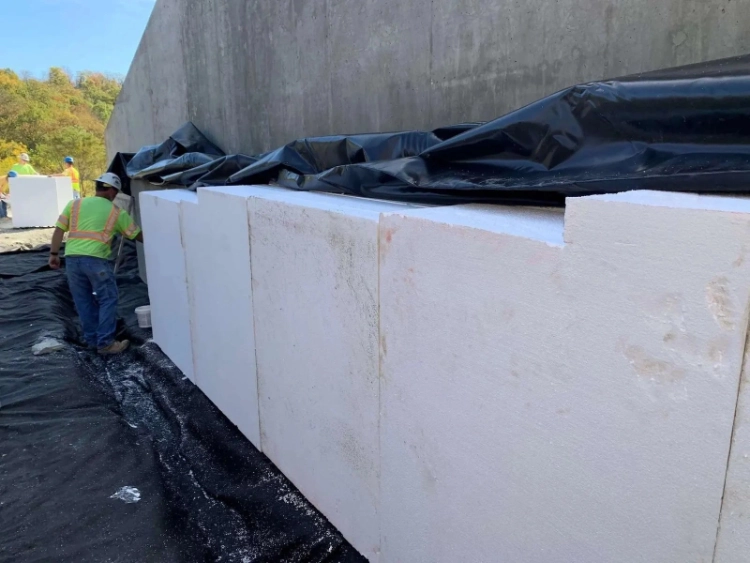
Polystyrene building blocks can refer to more than one product: molded EPS blocks, interlocking form units, or EPS components incorporated into a larger wall system. A buyer should identify the intended construction method before comparing suppliers. The right specification describes the block’s role, dimensions, density or strength requirements, interfaces and project evidence. It should not assume that a raw EPS resin supplier also manufactures a finished building system.
HUASHENG supplies expandable polystyrene materials and lists construction as an application area. For contractors, system designers and block manufacturers, that makes material sourcing one part of a broader qualification process. The project team still needs to verify the finished block, its joining method and its compliance with the applicable design and building requirements.
Planning an EPS material trial? Send HUASHENG your application and specification to discuss grade information, sample requirements and quotation scope.
Start by defining what “building block” means on the project
Before requesting a quote, state whether the block is used as permanent formwork, a lightweight infill component, an insulation element, or part of a prefabricated wall assembly. Similar product names can describe different geometries and functions. A block used to hold concrete during placement has different interface and stability considerations from a component that remains as insulation in a finished wall.
Drawings and interfaces
Include a drawing or a clear sketch with the request. Show overall dimensions, cavities, interlocking features, cut-outs, connections and the surfaces that meet concrete, mortar, adhesive, cladding or adjacent blocks. Identify whether the component is molded, cut from a larger board, or made by another process. These details help the supplier and processor understand the conversion task without treating “polystyrene block” as a complete specification.
Also identify the market and project stage. A concept-stage inquiry may need a material discussion; a tender or production order needs controlled dimensions, acceptance criteria and documentation. Local building codes and project specifications determine which tests, declarations and approvals are required. Do not substitute a general EPS data sheet for evidence that the complete wall assembly meets a particular code.
Specify the block’s geometry and role
Dimensions should include tolerances that matter to assembly, not just nominal length, width and height. For interlocking units, define the fit between adjacent blocks and how the geometry will be checked. For cavity or form units, show the concrete path, reinforcement clearance and any bracing or support conditions the system designer requires. If the block is an insulation insert, define its position relative to the rest of the wall and how gaps will be treated.
Properties and site handling
Clarify how the blocks will be handled, cut and installed. A large lightweight unit may be easy to move but still vulnerable to edge damage or dimensional variation at joints. Specify the number of pieces per wall area, the preferred joint pattern and which faces must remain intact. If the material will be exposed to sunlight, weather or site storage before enclosure, set a site-protection plan with the responsible contractor and designer.
The block’s application also determines which properties need verification. Density alone does not establish structural capacity, dimensional stability, thermal performance or fire behavior. Ask the system designer to name the required properties and the test methods or project documents used to accept them. A buyer should avoid choosing a grade from a single number when the finished system carries several design duties.
Connect resin selection to the converting process
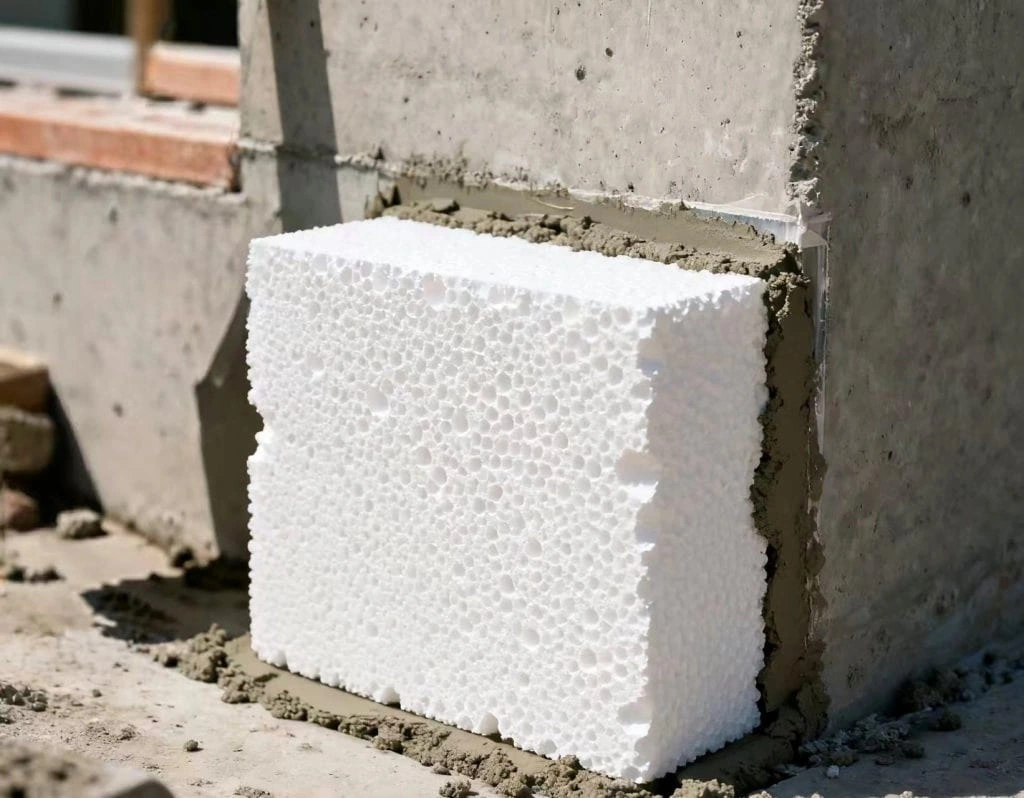
EPS blocks are finished through a manufacturing process that converts expandable beads into a shaped product. A resin specification therefore needs to be reviewed by the processor who will make the block. Share the equipment or molding route, target geometry, expected production conditions and any known quality constraints. Ask which grade options the supplier can offer for the intended application and what product-specific documentation is available.
HUASHENG’s construction information describes high-performance EPS materials for construction, and its product portfolio includes retardante de llama, grafito and other EPS categories. The exact grade, application scope and available documentation should be confirmed for the proposed project. A category name does not by itself show that a resin has been qualified for every block design, density target or installation environment.
If the project uses a current block as a reference, provide a sample or its controlled specification. Record the existing material identity, block dimensions, production method and known acceptance history. For a change of supplier or grade, compare the candidate against that baseline under documented conditions. Changing the resin and the process at the same time makes it difficult to identify the cause of a difference.
Build a qualification plan around the finished unit
Agree in advance how a sample block will be accepted. The plan may include dimensional checks, fit-up with adjacent units, visual inspection, handling observations and project-specific testing selected by the responsible engineer. The method should reflect the actual block geometry and construction role. Measurements should be repeatable, with the sample count and any rejected specimens recorded.
For a wall assembly, the relevant evidence may need to cover more than an isolated EPS component. Connections, concrete, reinforcement, coatings, membranes, adhesives and installation details can affect how the assembled system behaves. The design professional should determine what assembly-level evidence is needed. A material certificate or sample block cannot stand in for an approval of the complete wall.
Keep traceability through the trial. Record the grade and lot, specification revision, production date, processor, equipment, key process settings and measured results. Photograph the sample alongside a scale or reference dimension, but retain physical samples where practical. Define whether approval applies to one geometry and process only or can be extended to other variants after review.
Compare suppliers on information and control
Price per kilogram is not the only useful comparison. Ask suppliers to state the material identity, available grades, lot documentation, technical information, packaging format and the process for reviewing a project-specific request. Confirm whether the quoted product is raw expandable resin, an intermediate EPS shape or a finished block. The distinction affects who is responsible for conversion, dimensional control and final product evidence.
For an RFQ, attach the block drawing, target use, market, annual or trial quantity, current reference, requested grade documentation and the acceptance plan. Ask the supplier to identify which items it can provide and which need to come from the processor or system designer. This makes quotations easier to compare and reduces the risk of a price being interpreted as confirmation of a system performance claim.
HUASHENG’s customized REPS process describes coordination from application requirements and solution review through sampling and production coordination. Buyers can use that channel to discuss a defined construction-material requirement. Send the drawing and required evidence list with the inquiry so the discussion begins with the intended product rather than a generic request for “building blocks.”
Conclusión
A reliable polystyrene building-block specification begins with the block’s actual role in the construction system. Define the geometry, interfaces, conversion process and project evidence before asking suppliers to quote. When the resin supplier, processor and system designer review the same controlled requirements, buyers can compare material options without confusing an EPS grade with approval of a finished wall. Contacta con HUASHENG with the drawing and intended application to discuss available EPS material information and sample coordination.
Preguntas frecuentes
Q1: Are polystyrene building blocks the same as EPS resin?
A1: No. EPS resin is a raw material that a processor converts into a shaped component. A building block is a finished or semi-finished unit whose geometry and acceptance need to be specified separately.
Q2: Can a resin data sheet approve a complete wall system?
A2: No. System approval depends on the full assembly, its connections and project requirements. The responsible designer should define the evidence needed for the complete construction.
Q3: What should I send when requesting a quote?
A3: Send the intended use, block drawing, market, required grade information, reference product and acceptance criteria. Also state whether you need expandable resin or finished blocks.
 Spanish
 English
 German
 French
 Arabic