
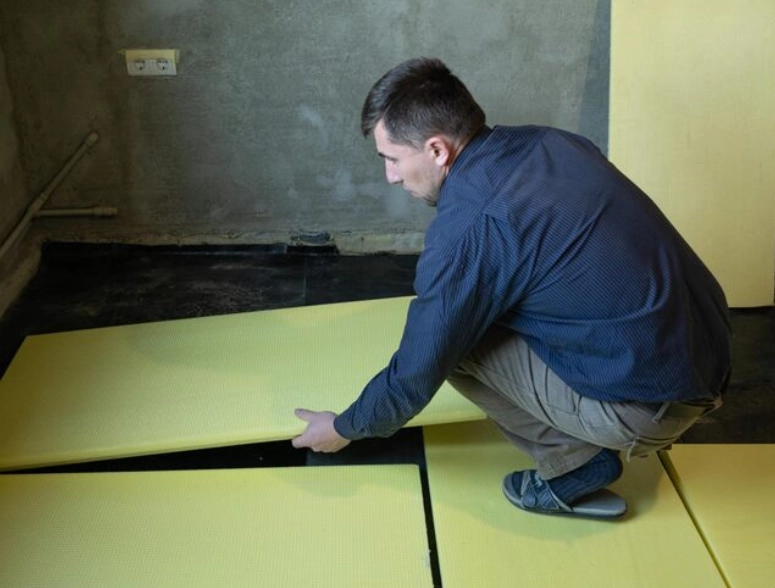
El aislamiento de suelo de poliestireno expandido (EPS) proporciona una opción bien redondeada para los diseños de suelos contemporáneos al combinar resistencia al calor sólida, capacidad de carga fiable y retención de forma duradera. El diseño de celdas cerradas restringe la absorción de agua, garantiza un rendimiento constante bajo peso y ayuda a limitar el escape de calor a través de los pisos en contacto con el suelo. Ofrecido en tipos normales, añadidos con grafito y resistentes al fuego, el EPS puede alinearse con las normas de energía, las normas de seguridad y las cargas estructurales. Cuando se elige y coloca adecuadamente, ofrece resultados fiables y asequibles para hogares y estructuras empresariales por igual.
Aislamiento de pisos EPS: Beneficios y aplicaciones estructurales
¿Qué es el aislamiento de piso EPS y cómo funciona en aplicaciones estructurales?
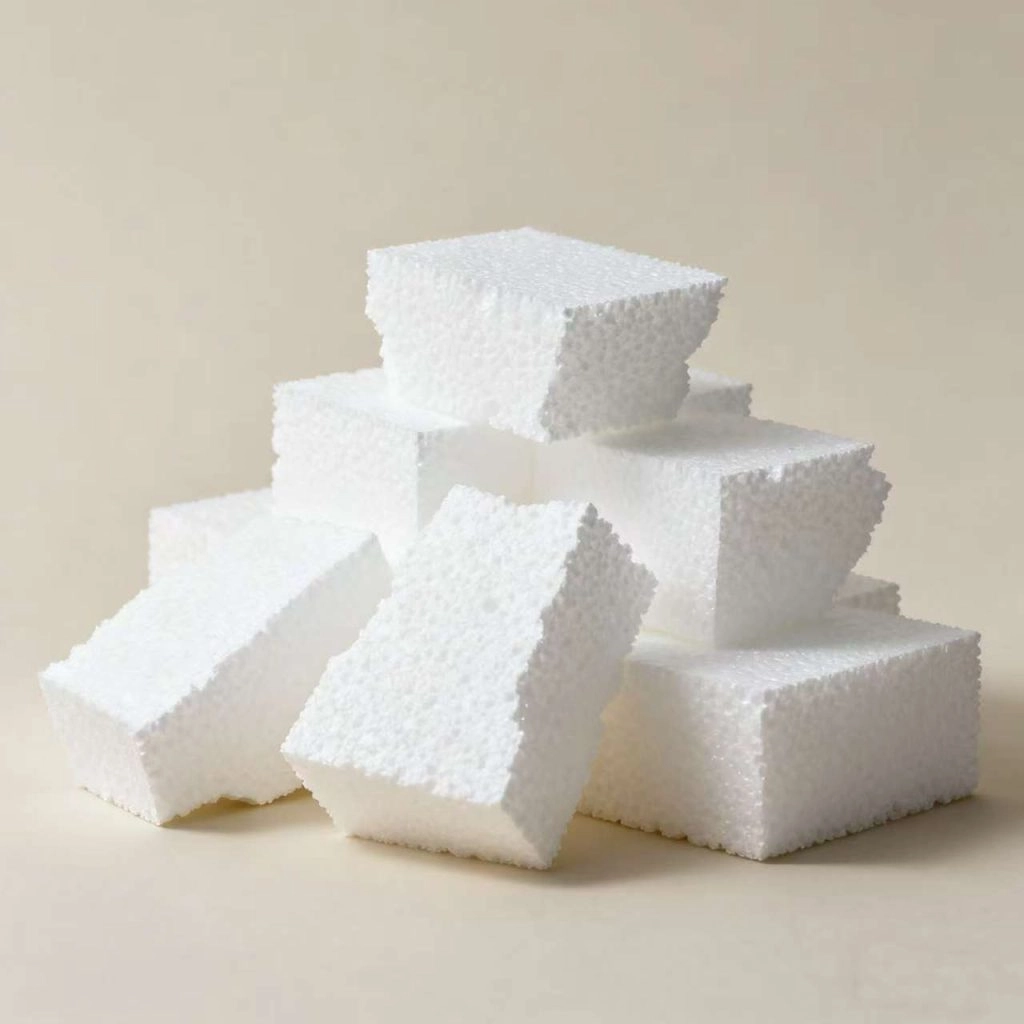
El aislamiento de suelo de poliestireno expandido (EPS) consiste en una espuma ligera y firme creada a partir de partículas de poliestireno de células cerradas y está diseñado específicamente para proporcionar tanto para bloquear la transferencia de calor como para soportar el peso en la construcción de suelos. Las láminas de EPS funcionan como una capa que dispersa cargas bajo bases o recubrimientos de hormigón, disminuyendo en gran medida los puentes térmicos entre el edificio y el suelo abajo.
El material mantiene su forma con el tiempo, lo que lo hace adecuado para un uso prolongado en hogares y espacios comerciales. Su firmeza impide hundirse o doblarse bajo presión constante, por lo que es esencial para mantener los suelos uniformes y mantener la resistencia de la construcción a lo largo de los años.
El EPS también sirve como barrera térmica al ralentizar el movimiento del calor entre las áreas interiores y exteriores. El resultado es una mayor comodidad para las personas en el interior y un mayor ahorro de energía en las estructuras.
¿Por qué debería considerar el EPS sobre otros materiales de aislamiento de piso?
Una de las principales fortalezas de EPS radica en su impresionante equilibrio entre resistencia y ligereza. Es fácil de cortar, manejar e instalar, especialmente cuando se compara con alternativas más densas y pesadas como placas PIR o lana mineral. Esto reduce los costos de mano de obra y acelera los plazos de construcción.
A diferencia de los paneles de lana de roca o PIR, EPS mantiene valores de aislamiento constantes a través de varias temperaturas. Esta consistencia permite predicciones precisas en la planificación energética y evaluaciones de rendimiento a largo plazo.
Además, el EPS permite el moldeo preciso para formas inusuales de pisos, aberturas o canales de servicios públicos. Este ajuste preciso reduce las brechas térmicas y los residuos, asegurando una protección térmica ininterrumpida en toda la superficie del piso.
¿Cómo influye la eficiencia térmica de EPS en el rendimiento energético?
¿Qué papel juega la conductividad térmica en los cálculos de energía?
La conductividad térmica, conocida como el valor λ, muestra con qué facilidad el calor viaja a través de una sustancia. Un valor λ más bajo indica una mejor capacidad de bloqueo térmico. EPS generalmente muestra valores de 0,030 a 0,038 W/m·K, que dependen del espesor y el tipo.
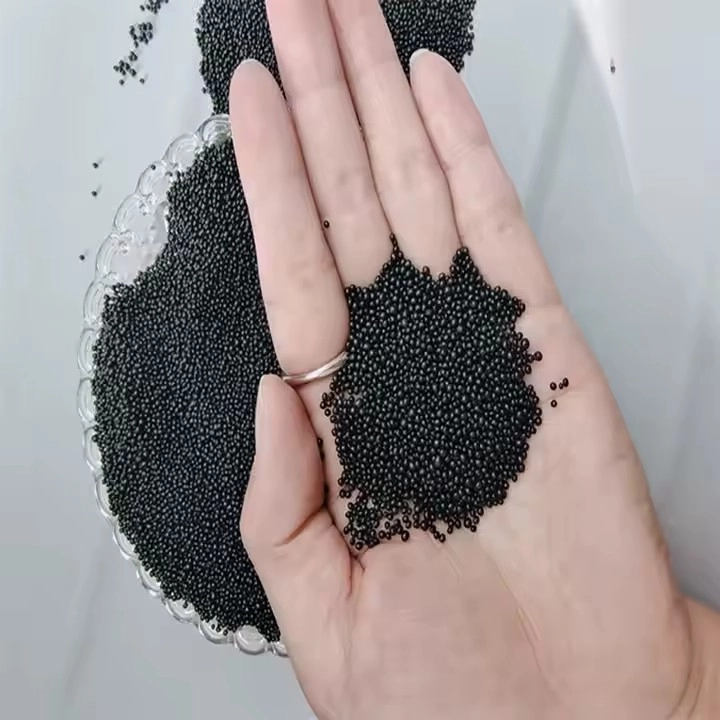
Versiones avanzadas, como Grafito Grado-SAumentar la resistencia al calor a través de reflectores que rebotan los rayos infrarrojos dentro del material. Los grados como S-32 y S-33 de HUASHENG alcanzan valores λ hasta 0,032 W/m·K, mejorando el rendimiento térmico en más de un 25% sobre el EPS blanco ordinario. Esta eficiencia le ayuda a cumplir con las normas de construcción más fácilmente y reduce la dependencia de los sistemas de calefacción mecánica. Para proyectos dirigidos a estándares de vivienda pasiva o objetivos de energía cercanos a cero, EPS se convierte en una selección inteligente.
¿Cómo puede EPS ayudarlo a cumplir con los códigos energéticos o los objetivos de diseño pasivo?
El EPS a menudo aparece como una capa de aislamiento ininterrumpida debajo de las bases de hormigón. Cuando se integra en una instalación de piso, reduce la pérdida de calor al suelo, contribuyendo directamente a alcanzar los bajos valores de U exigidos por las regulaciones energéticas.
Además, el EPS soporta la construcción hermética, funcionando mejor especialmente cuando se utilizan juntas escalonadas entre paneles y las penetraciones se sellan adecuadamente. La capa ininterrumpida debajo de las bases soporta estrategias de estanqueidad al aire que es muy importante en diseños pasivos.
Los productos de EPS agregados con grafito de HUASHENG, incluido el poliestireno de grafito FGE (método de suspensión), son especialmente adecuados para estos usos exigentes. FGE reduce la velocidad de transferencia de calor de las placas de poliestireno y mejora tanto las cualidades de bloqueo térmico como de bloqueo acústico del material.
¿Es la resistencia al fuego una preocupación con el aislamiento de piso EPS?
¿Puede utilizar EPS en áreas con códigos estrictos de seguridad contra incendios?
Se seleccionan grados retardantes de llama. Estos tipos están diseñados para cumplir con normas de clasificación contra incendios como B1 o E de acuerdo con la norma EN 13501 o normas similares. HUASHENG suministra varias opciones, como FS (retardante de llama) y FSH (retardante de llama estándar europeo), que cumplen con estos estrictos requisitos.
Grado retardante de llama F EPS Está diseñado para situaciones en las que no se puede comprometer una mayor protección contra incendios. Estas sustancias posponen la combustión y la propagación lenta de la llama, lo que es crítico en edificios con muchos ocupantes o zonas bajo estrictos controles de incendios.
¿Cuáles son las limitaciones del EPS calificado para incendios en sistemas de piso?
Aunque el EPS calificado para incendios aumenta los niveles de seguridad, los constructores nunca deben confiar en él solo para la defensa contra incendios. Los sistemas siempre deben integrarlo con recubrimientos aceptados o capas de hormigón que proporcionen protección adicional durante eventos de incendio.
En aplicaciones prácticas, las superposiciones de hormigón proporcionan resistencia primaria al fuego, mientras que la EPS a continuación contribuye al cumplimiento general del fuego pasivo. En estructuras que necesitan clasificaciones de clase B1 o mejores, los artículos de las series FS y FSH de HUASHENG proporcionan asistencia fiable cuando se emparejan con configuraciones de piso aprobadas.
¿El EPS funcionará bajo cargas mecánicas comunes en sistemas de suelos?
¿Cómo determinar la resistencia a la compresión adecuada para su aplicación?
El EPS aparece en varias clases de grosor para satisfacer diferentes necesidades de peso. Por ejemplo, las cargas domésticas típicas funcionan bien con una resistencia de 100 kPa, pero las áreas industriales pueden requerir 150-250 kPa.
Elegir una fuerza superior a la necesaria aumenta los gastos sin ganancias iguales, a menos que los cálculos lo requieran. HUASHENG ofrece opciones personalizadas como REPS materiales cuya resistencia a la compresión ha aumentado en un 40%, superando los estándares mundiales líderes.
Al seleccionar los grados adecuados, como FS-301 o FS-401, surge un equilibrio entre resistencia, gasto y rendimiento térmico sin comprometer la durabilidad.
¿Cómo afecta la humedad al rendimiento de la carga con el tiempo?
EPS cuenta con una estructura de celdas cerradas que limita la absorción de agua a menos del 2%, preservando la integridad mecánica incluso en condiciones húmedas. La colocación correcta con barreras de humedad garantiza un tiempo duradero y un rendimiento consistente a lo largo de muchos años.
HUASHENG ofrece además tipos repelentes del agua como unidades AquaGuard aplicadas en la gestión de inundaciones, que muestran un nivel de reutilización del 99% junto con una ingesta de agua inferior al 0,5%. Ideas de diseño similares se transfieren a sistemas de suelo que enfrentan aguas subterráneas o humedad elevada.
¿Existen preocupaciones ambientales o de durabilidad a largo plazo?
¿Cuál es el perfil ambiental de EPS en comparación con las alternativas?
La fabricación de EPS requiere menos energía que numerosas espumas rígidas y libera pocos compuestos volátiles. El proceso consume menos materias primas que muchas espumas rígidas y tiende a ser reciclable en las etapas de final de vida útil.
HUASHENG refuerza este beneficio a través de una configuración de producción de ciclo cerrado. HUASHENG procesa 300.000 toneladas de EPS cada año para su reutilización, ahorrando 1.500.000 toneladas de petróleo crudo y 1.200.000 toneladas de dióxido de carbono. Su REPS (poliestireno expandible reciclado) cumple con las normas mundiales de reciclaje y permite su uso repetido sin una pérdida importante de calidad.
¿Qué tan estable es el EPS durante décadas de uso bajo pisos?
Las hojas de EPS demuestran una retención de forma sobresaliente. Cuando se colocan correctamente, evitan la sedimentación o una ruptura importante bajo presión continua. Esta oposición a la compresión gradual mantiene la base del suelo estable a lo largo de décadas.
Además, artículos como el EPS de grado FSH de HUASHENG van más allá de las medidas típicas. Proporcionan resistencia a la compresión más de un 20% mayor que otros tipos. La resiliencia a largo plazo del edificio recibe garantía.
¿Cómo garantizar la instalación correcta para un rendimiento óptimo?
¿Cuáles son los pasos clave durante la instalación que afectan la eficacia?
La preparación de la subbase es crucial. Los trabajadores deben crear una base nivelada antes de colocar paneles para evitar concentraciones de presión o espacios vacíos. Las superficies irregulares pueden conducir a tensiones enfocadas que dañan tanto la resistencia como la protección térmica.
Estallar juntas entre paneles para evitar puentes térmicos y mantener la continuidad del aislamiento. El método reduce las rutas de escape de calor y soporta una construcción ajustada.
¿Cómo manejar los detalles sobre servicios y penetraciones?
Las aberturas para tuberías o cables requieren una gestión cuidadosa. Los paneles necesitan un corte limpio alrededor de estos artículos, a menudo con herramientas de alambre calentado, para prevenir daños al borde. Los huecos restantes requieren llenarse con sellos de espuma adecuados para restaurar el control del flujo de calor y mantener la calidad estanca al aire.
Antes de la elección final de materiales, la colaboración con proveedores experimentados trae ventajas ya que conocen las necesidades en varios climas y tipos de edificios. HUASHENG suministra opciones de ingeniería, incluyendo tipos de grafito añadido y resistentes al fuego diseñados para el aislamiento del suelo en estructuras. Nuestro personal de soporte puede ayudar a alinear los detalles del producto con los objetivos del proyecto, ya sea que usted’ Rediseñar para eficiencia energética, cumplimiento con incendios o durabilidad a largo plazo.
Preguntas frecuentes
P: ¿Puedo usar EPS de grado estándar debajo de pisos a nivel de tierra expuestos a la humedad?
R: Esto funciona cuando se colocan capas a prueba de humedad adecuadas; Sin embargo, las versiones más densas con control de humedad superior demuestran ser mejores para un servicio prolongado.
P: ¿El EPS mejorado con grafito siempre supera al EPS blanco estándar en aplicaciones de piso?
R: Sí, proporciona una transferencia de calor reducida gracias a la reflexión de la energía radiante, perfecta cuando un grosor limitado debe lograr un aislamiento fuerte.
P: ¿Es necesario un grado retardante de llama si el piso estará cubierto por una plancha de hormigón?
R: El hormigón proporciona protección, pero el grado retardante de llama aumenta la alineación total de seguridad contra incendios en entornos críticos como estructuras de múltiples unidades o áreas públicas.






 Spanish
  English
  German
  French
  Arabic