
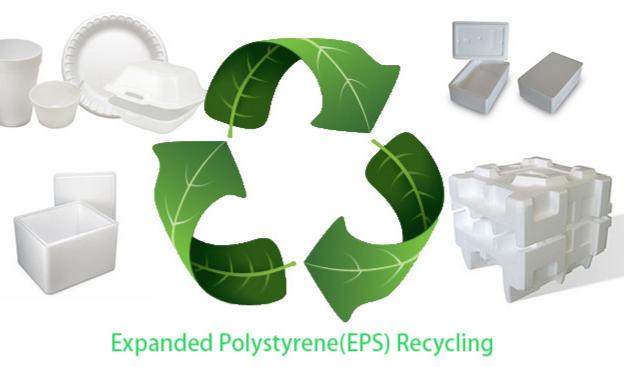
En 2026, EPS ecológico Seguirá siendo una opción a tener muy en cuenta en muchos proyectos sostenibles. Sin embargo, para los compradores B2B, no debe considerarse simplemente como una etiqueta de "espuma ecológica". Lo fundamental es si el material puede reducir los residuos sin dejar de cumplir su función: amortiguación, aislamiento, moldeo, ligereza y suministro estable.
Por qué el EPS ecológico es importante para los proyectos sostenibles en 2026
En 2026, los compradores plantean preguntas más prácticas. ¿Qué porcentaje de material reciclado se utiliza? ¿Se pueden recoger y reutilizar los residuos de producción? ¿El proveedor dispone de documentación que respalde esta afirmación? ¿El material conservará su resistencia tras el reciclaje? ¿Funcionará bien en moldes y en pedidos repetidos?
Aquí es donde el EPS ecológico cobra valor. Se puede utilizar en paneles aislantes, embalajes de espuma protectora, insertos de espuma moldeada, cajas para cadena de frío, materiales de relleno y algunas piezas para la construcción. El material es ligero, lo que ayuda a reducir el peso del transporte. Además, protege el producto durante el envío y ayuda a controlar la transferencia de calor en edificios o embalajes para cadena de frío.
¿Qué diferencia al EPS ecológico del EPS estándar?
Materias primas recicladas y reducción de residuos
El EPS ecológico no solo depende de si el material final es reciclable, sino también del proceso de producción. El uso de materias primas recicladas, la recuperación de residuos, el consumo de energía y un procesamiento estable influyen en la utilidad real del material para un proyecto sostenible.
HUASHENG El material de espuma REPS utiliza materias primas 100% recicladas. Recicla más del 95% de los residuos y reduce el consumo de energía en la producción en aproximadamente un 30%. Para los compradores que buscan una opción de material circular, REPS ofrece una alternativa más clara que el EPS virgen convencional.
Rendimiento ligero con resistencia práctica.
El EPS se sigue utilizando en muchas industrias por su ligereza y versatilidad. El EPS ecológico debe mantener este equilibrio. Si el material reciclado se debilita, se vuelve irregular o difícil de moldear, los compradores no lo utilizarán para pedidos importantes.
En el embalaje, un menor peso puede reducir la presión sobre el transporte. En la construcción, los materiales más ligeros son más fáciles de mover e instalar. En el embalaje para la cadena de frío, el EPS puede ayudar a mantener la temperatura más estable, facilitando además la manipulación de la caja. Estos no son solo aspectos medioambientales; también influyen en el coste del proyecto, la mano de obra, el envío y el control de daños.
EPS ecológico frente a plásticos y materiales de embalaje tradicionales.
En comparación con los envases de plástico tradicionales
Los envases de plástico tradicionales pueden ser resistentes y duraderos, pero muchos compradores se enfrentan ahora a una mayor presión en torno a los residuos de un solo uso, los límites de reciclaje y las auditorías de clientes. El EPS ecológico ofrece a los compradores una alternativa. Sigue siendo ligero, se puede moldear para crear formas protectoras y permite el uso de materiales reciclados si el proveedor dispone del sistema de recuperación y producción adecuado.
En comparación con los envases de cartón y madera
El cartón y la madera suelen tener un aspecto más natural. Tienen su propio valor y, en algunos proyectos, son la opción adecuada. Sin embargo, no siempre son la mejor opción para envíos a granel de larga distancia. El cartón puede no ofrecer suficiente protección contra golpes ni resistencia a la humedad. La madera es resistente, pero añade peso y puede requerir un tratamiento especial para la exportación.
El EPS ecológico resulta útil cuando el producto requiere absorción de impactos, aislamiento térmico, ligereza o una forma moldeada a medida. Para productos que se transportan a largas distancias, reducir los daños puede ser tan importante como reducir el material de embalaje. Un producto roto también genera residuos.
Productos EPS ecológicos de HUASHENG que merecen ser analizados
Material de espuma REPS para embalaje y construcción.
HUASHENG REPS La espuma de poliestireno expandido (EPS) es un buen punto de partida para la adquisición de EPS ecológico. Puede utilizarse como material de embalaje y como material de construcción, y resulta ideal para proyectos donde el contenido reciclado, la resistencia y la ligereza son requisitos fundamentales.
Para los compradores de embalaje, REPS se puede revisar para productos electrónicos, paneles de visualización, piezas de precisión, componentes de automóviles, bienes industriales y otros productos que lo necesiten. protección ajustadaPara los compradores de materiales de construcción, puede ser una opción a considerar cuando se necesita material de construcción de EPS y el valor del material reciclado también forma parte del proyecto.
Grado de protección ambiental para una selección de materiales más ecológicos.
La espuma EPS de grado de protección ambiental es otra opción para los compradores que buscan productos más ecológicos. Es ideal para proyectos donde la reciclabilidad, el ahorro de energía y la reducción de residuos son factores clave en la evaluación de materiales.
Este grado puede ser útil para embalajes, materiales de construcción y cadenas de suministro de proyectos que requieren una opción de EPS más responsable sin abandonar por completo el sistema EPS. En algunos proyectos, también puede combinarse con REPS personalizado cuando el comprador necesita una densidad, tamaño de partícula, forma o resultado de moldeo específicos.
Principales aplicaciones del EPS ecológico en proyectos sostenibles
Aislamiento de edificios y construcción de bajo consumo energético
El EPS ecológico se puede utilizar en el aislamiento de paredes y techos, sistemas de suelo, edificios prefabricados y algunas aplicaciones de relleno ligero. Ayuda a reducir la transferencia de calor, a la vez que facilita su transporte e instalación.
Si el proyecto necesita un mayor rendimiento de aislamiento, el comprador puede comparar Grado de grafito o bien otros grados de EPS con menor conductividad térmica. Si el proyecto requiere resistencia al fuego, un grado ignífugo podría ser más adecuado. El abastecimiento ecológico es importante, pero debe cumplir con los requisitos técnicos del sistema constructivo.
Embalaje protector y envío a granel
El embalaje protector es uno de los casos de uso más importantes para el EPS ecológico. Los productos de exportación suelen requerir una protección adecuada, especialmente los productos electrónicos, paneles de visualización, cerámica, piezas de precisión, autopartes y componentes industriales.
En comparación con los materiales de amortiguación sueltos, embalaje de EPS moldeado Se ajusta mejor a la forma del producto. Reduce el movimiento dentro de la caja y disminuye la probabilidad de rotura durante el envío a larga distancia. Para los compradores B2B, esto repercute directamente en las devoluciones, las reclamaciones y los costes de reemplazo.
Si la espuma EPS reciclada o el REPS ofrecen la misma protección, los compradores pueden mejorar la sostenibilidad del embalaje sin aumentar la tasa de daños. Ese es el tipo de equilibrio que muchos equipos de embalaje buscan actualmente.
Relleno industrial, piezas decorativas y proyectos a medida.
Los REPS personalizados también pueden utilizarse en rellenos industriales, materiales de construcción decorativos, piezas moldeadas y diseños de proyectos especiales. Estas aplicaciones suelen requerir dimensiones, acabados superficiales, comportamiento de moldeo estable y densidad uniforme, todo ello a medida.
Para este tipo de pedido, la comunicación temprana es fundamental. Los compradores deben enviar al proveedor el uso previsto, los planos, el rango de tamaños, el requisito de densidad, el método de embalaje y el volumen estimado del pedido. Cuanto más específica sea la información, más fácil le resultará al proveedor recomendar el grado de EPS ecológico adecuado.
Qué deben comprobar los compradores B2B antes de realizar pedidos al por mayor.
Datos de materiales y documentos ambientales
Antes de realizar un pedido, los compradores deben solicitar información sobre el contenido reciclado, la tasa de reciclaje de residuos, la huella de carbono (si está disponible), los informes de pruebas, los datos de seguridad y los documentos de certificación. Estos registros son útiles para la aprobación de compras, las auditorías de clientes y el archivo a largo plazo de proveedores.
Parámetros de rendimiento para su uso en proyectos reales.
El EPS ecológico debe cumplir con ciertos requisitos de rendimiento. Al comprar materiales, verifique su densidad, resistencia a la compresión, conductividad térmica, absorción de agua, tamaño de partícula, índice de expansión, grado de resistencia al fuego y comportamiento de moldeo.
Además, para el embalaje, asegúrese de realizar pruebas de caída, vibración, ajuste y protección del producto. Para uso en construcción, confirme si el grado es el adecuado para paredes, techos, pisos o sistemas de paneles; es un aspecto importante.
Capacidad del proveedor, personalización y estabilidad en la entrega
Los pedidos al por mayor requieren un suministro constante, así que asegúrese de verificar la capacidad mensual, la cantidad mínima de pedido (MOQ), la política de muestras, el plazo de entrega, el embalaje para exportación, la posibilidad de personalización y el servicio posventa. Al solicitar productos REPS o de grado de protección ambiental personalizados, hable sobre los planes de producción con anticipación, ya que su preparación puede requerir tiempo adicional.
Preguntas frecuentes
P1: ¿Es el EPS ecológico adecuado para proyectos de embalaje a granel?
A1: Claro, si necesita amortiguación ligera y protección moldeada, junto con materiales reciclables, pero quiere asegurarse, los compradores deben analizar primero la densidad, el tamaño de partícula, la estabilidad del moldeo, el contenido reciclado, el método de embalaje y la tasa de daños mediante pruebas de muestras. Además, no olvide confirmar la cantidad mínima de pedido (MOQ) y los plazos de entrega con anticipación.
P2: ¿Se puede utilizar EPS ecológico en proyectos de construcción?
A2: Claro, el EPS ecológico es excelente para paneles aislantes, materiales de construcción y rellenos. Además, funciona bien en edificios. Pero asegúrese de comprobar su conductividad térmica, resistencia y seguridad contra incendios. La absorción de agua, el tamaño de los paneles y la normativa local también son importantes, así que verifique todo eso.
P3: ¿Qué preguntas deben hacer los compradores a un proveedor de EPS ecológico antes de realizar un pedido?
A3: Los compradores deben preguntar sobre el contenido reciclado, la tasa de reciclaje de residuos, los informes de pruebas, las certificaciones, el MOQ, la capacidad de personalización, la política de muestras, el tiempo de entrega, el embalaje de exportación, la guía de instalación o procesamiento, los consejos de mantenimiento y soporte postventa para pedidos repetidos.
 Spanish
  English
  German
  French
  Arabic