
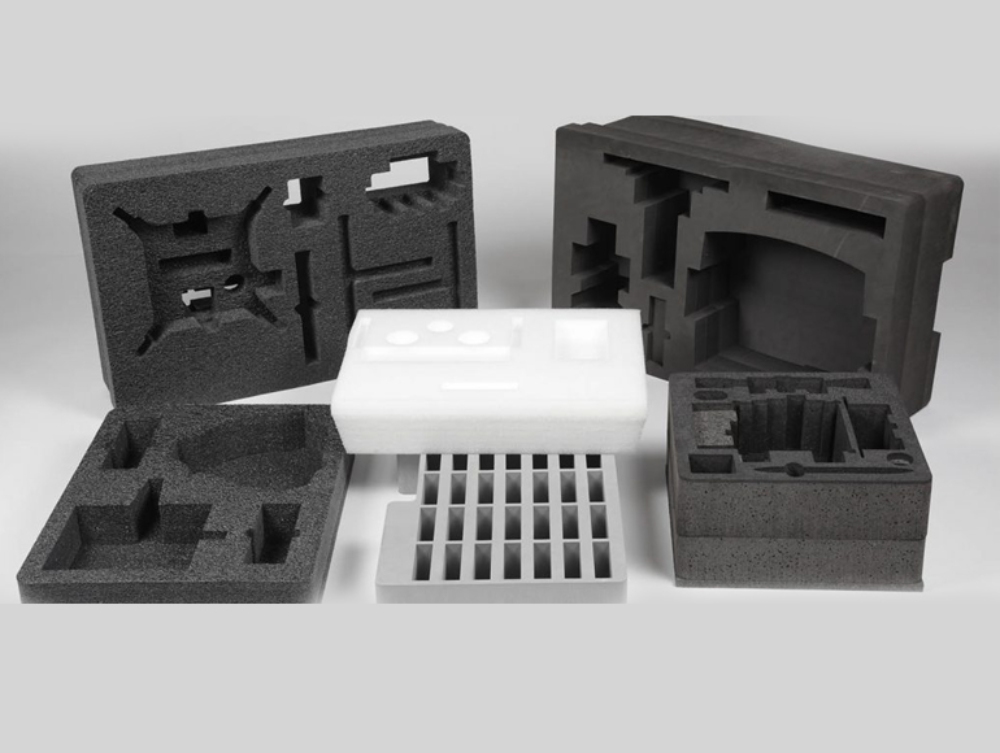
Seleccionar el mejor material de envío de espuma en 2026 implica equilibrar la seguridad, el gasto, el respeto del medio ambiente y la velocidad de la cadena de suministro. Varias opciones de espuma se adaptan a diferentes propósitos, desde el relleno suave del producto hasta el fuerte rendimiento en envíos grandes. Una buena comprensión de las opciones de materiales permite a los grupos de envasado emparejar los productos de espuma con los riesgos del artículo, los ajustes de transporte y los objetivos comerciales.
Visión general de los materiales de envío de espuma en 2026
A medida que el comercio mundial y las compras en línea siguen creciendo rápidamente, las empresas enfrentan más presión para mantener los bienes seguros en movimiento mientras alcanzan objetivos verdes. Los materiales de envío de espuma desempeñan un papel clave en la protección de artículos sensibles, dando resultados fuertes y siendo adecuados para el medio ambiente. HUASHENG, un jugador líder en los avances de espuma verde EPS y REPS, muestra cómo la tecnología de materiales inteligentes puede abordar estos dos problemas.
El creciente papel de la espuma en los envases modernos
Los artículos de espuma dan un gran acolchado y protección contra golpes para productos rompibles, por lo que cosas como gadgets, herramientas de salud y cerámica llegan a su lugar sin daño. Su flexibilidad ayuda a muchos campos, desde la atención médica hasta el trabajo en fábrica, donde la guardia exacta cuenta más. Lanzhou Huasheng New Materials Co., Ltd. es una empresa centrada en la tecnología que trabaja en la investigación, fabricación y venta de espuma de poliestireno expandible (EPS). Este negocio pionero crea soluciones de espuma ligeras pero resistentes que reducen las necesidades de materiales sin perder la seguridad. Las tendencias verdes dan forma a los avances de la espuma y hacen caminos, impulsando cambios a espumas reutilizables y a base de plantas que reducen el daño a la naturaleza.
Factores clave que impulsan la demanda de materiales de envasado de espuma
El auge en las ventas globales en línea ha impulsado la demanda de envases sólidos que manejen rutas de envío lejanas. Las normas verdes más estrictas ahora empujan a los fabricantes a usar materiales reutilizables o descomponibles. El progreso en la construcción de espuma, como la tecnología de agujeros pequeños cerrados de HUASHENG, aumenta la resistencia a la trituración mientras reduce el uso de energía en más del 30%. Para 2026, establecerá una planta de muestras sin carbono de primer nivel del mundo, alcanzando un recorte de carbono de más del 85% en la cadena completa. Estos pasos hacen que el empaquetado de espuma sea una elección inteligente tanto para el trabajo fuerte como ajuste verde en las líneas de suministro actuales.
Tipos comunes de espuma usada en aplicaciones de envío
Conocer los rasgos de los diferentes tipos de espuma ayuda a las empresas a elegir artículos que coincidan con las necesidades laborales y los objetivos ecológicos.
Espuma de polietileno (PE)
La espuma de PE destaca por su flexividad, construcción ligera y resistencia contra golpes. Funciona bien para dispositivos y herramientas exactas donde el control de agitación importa. Su configuración de celdas selladas también lucha contra el agua, extendiendo la vida útil del artículo en el viaje.
Espuma de poliuretano (PU)
La espuma de PU aporta rasgos de acolchado superior con grosores ajustables para varios niveles de rotura. A menudo sirve para artículos de vidrio o piezas de paquete de forma personalizada que necesitan un ajuste de forma puntual.
Espuma de poliestireno expandido (EPS)
EPS sigue siendo una opción preferida para envases de espuma debido a su construcción firme y bajo costo. El material estándar E es un EPS básico común, bueno para moldeadores de vacío automáticos, formadores de accionamiento eléctrico y prensas hidráulicas de elevación de estilo antiguo. Su gama le permite encajar en envases eléctricos, paneles térmicos y piezas con forma donde la resistencia duradera es clave. Tipos más nuevos como Grafito Grado-S-Paneles retardantes de llama aumentar el bloqueo de calor añadiendo grafito a la mezcla de polímeros, lo que corta el flujo de calor mientras mantiene la resistencia de la construcción.
Innovaciones emergentes en empaques de espuma para 2026
La próxima ola de artículos de envío de espuma se centra en fuentes frescas e ideas de economía de bucle-back.
Espumas biobasadas y compostables
Hecho a partir de principios naturales como almidón de maíz o polímeros de algas marinas, las espumas a base de plantas se descomponen por sí mismas sin pequeños trozos de plástico. Estos pasos coinciden con los planes de envío verde utilizados por las grandes marcas mundiales que buscan soluciones de suministro verde.
Espumas de contenido reciclado
Las espumas reutilizadas mezclan residuos antiguos de usuario o de fábrica en productos frescos sin perder rasgos de resistencia. HUASHENG reutiliza 300.000 toneladas de EPS cada año, ahorrando 1.500.000 toneladas de petróleo crudo y 1.200.000 toneladas de dióxido de carbono. Su bucle-back está logrando una tasa de reutilización del 95%, una alta de la industria que respalda las formas de economía en bucle en la construcción de paquetes.
Consideraciones de rendimiento al elegir materiales de envío de espuma
Elegir la espuma adecuada significa pesar los niveles de protección con medidas de trabajo como el grosor, la potencia del bloqueo térmico y la lucha contra el agua. Espumas gruesas dan una retención de aplastamiento más fuerte pero agregan peso; Las escojas más delgadas reducen los costos, pero pueden debilitar la energía duradera. Para productos sensibles al calor como medicamentos o alimentos, las espumas de células selladas ofrecen una mejor retención del calor que las de células abiertas, y esta idea se muestra en cajas de cadena de frío que estiran el control de temperatura en un 40%. La lucha contra el agua es igual de importante; Las espumas de PE y EPS construyen paredes fuertes contra el toque húmedo o duro en viajes largos.
Técnicas de personalización y fabricación en el diseño de envases de espuma
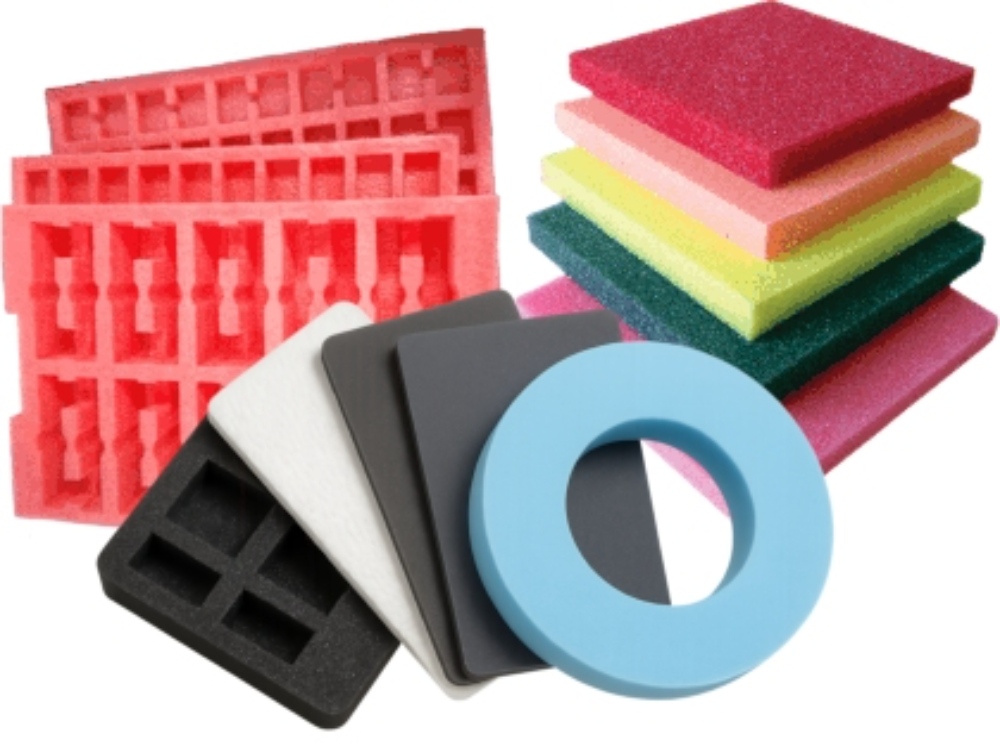
La personalización se asegura de que cada artículo reciba protección de ajuste en función de su forma y riesgo de rotura. El corte por matriz, la pegadura de capas o la formación permiten a los fabricantes formar ajustes exactos que mantienen los productos apretados en las cajas. Las pilas en capas pueden mezclar tipos de espuma para alcanzar el mejor equilibrio entre el relleno y el peso. Ofrecemos ayuda completa de una sola parada desde planes de arreglo personalizados, realización de pruebas, construcción y entrega de envíos. La mezcla de espumas con piezas de tabla ondulada o plásticos en forma hace configuraciones mixtas que cortan el material total al mismo tiempo que aumentan la resistencia de construcción, una manera útil para dispositivos o piezas de automóviles que necesitan protección en muchos puntos.
Tendencias de sostenibilidad que dan forma al futuro de los materiales de envío de espuma
Las reglas verdes siguen cambiando los estándares de selección de materiales en todos los campos.
Las disposiciones legales ahora empujan lejos de los plásticos no reutilizados hacia artículos ecológicos verificados que cumplan con las normas REACH o ROHS de la UE. El grado retardante de llama FHE-N-HBCD utiliza bloqueadores de fuego no HBCD en línea con las normas REACH y ROHS de la UE; incluso las perlas aseguran un rápido aumento de la espuma. Los controles del ciclo de vida observan cada paso, desde la extracción en bruto hasta la reutilización final, asegurando que haya un menor uso de carbono por ronda de barco. Fabricantes como HUASHENG se han ganado el cheque ISO 14067, demostrando una marca de carbono del producto de solo 719 kg de CO ₂ por tonelada de masterbatch de EPS reciclado.
Consideraciones estratégicas para las empresas que adopten nuevas soluciones de espuma en 2026
Las empresas necesitan equilibrar el trabajo de guardia con el trabajo verde cuando se mueven a nuevas configuraciones de espuma. Trabajar en equipo con proveedores inteligentes como HUASHENG abre las puertas a tecnologías propietarias como el enlace de cadena modelado cuánticamente que aumenta la resistencia a la aplastación en un 40%. Comprobar el costo completo de una retención debería cubrir no solo los gastos de material básico, sino también las ganancias posteriores: cargas más ligeras reducen el uso de combustible, piezas reutilizadas aumentan las puntuaciones ESG y etiquetas verdes comprobadas fomentan la confianza de la marca con los compradores conscientes del medio ambiente.
Para los grupos que buscan materiales de siguiente nivel ahora, comprobar REPS El poliestireno expandido modificado de reciclaje ofrece una resistencia de mezcla y retención con reutilización probada, perfecta para el embalaje exacto en dispositivos, envío de bio-medicamentos y campos de automóviles.
Preguntas frecuentes
Q1: ¿Qué hace que el EPS reciclado sea más sostenible que la espuma tradicional?
A1: EPS reciclado reduce la necesidad de nuevas fuentes de petróleo mientras mantiene el mismo trabajo de protección; La configuración de HUASHENG alcanza una tasa de reutilización de residuos del 95% con una marca de carbono del 72% menor que la nueva fabricación.
Q2: ¿Cómo las espumas mejoradas con grafito mejoran la protección del envío?
A2: Los trozos de grafito rebotan los rayos de calor en la configuración del polímero, cortando el flujo de calor en más del 20%, lo que mantiene las temperaturas internas estables en el viaje, ideal para dispositivos sensibles o artículos de la cadena de frío.
Q3: ¿Pueden los diseños de espuma personalizados reducir los costos logísticos generales?
A3: Sí; Las formas finamente ajustadas de corte por matriz o con forma cortan los puntos vacíos en los paquetes, lo que reduce las tarifas por tamaño y peso mientras aumenta la retención de las protuberancias en las rondas de viaje.
 Spanish
  English
  German
  French
  Arabic