
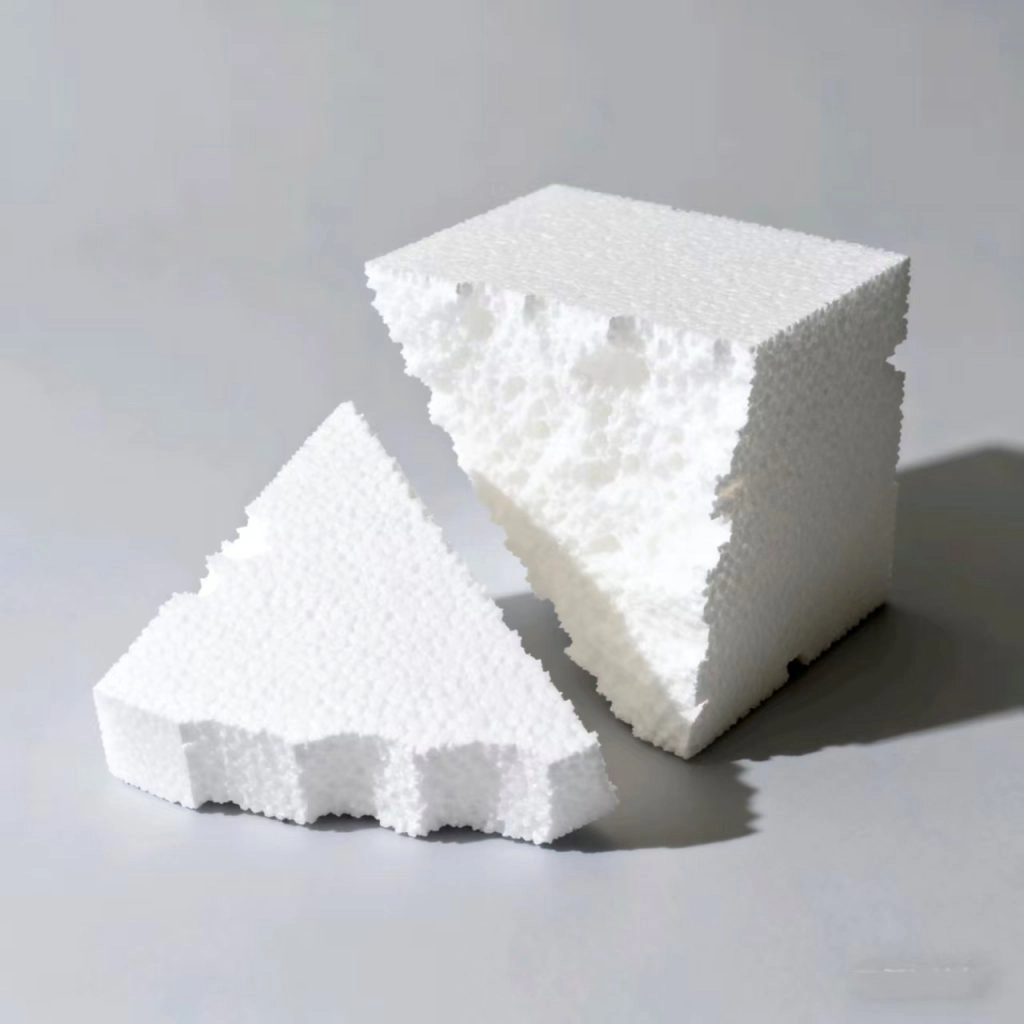
El comportamiento de carga se ha convertido en una variable crítica para los ingenieros que especifican el poliestireno en envolturas de edificios, sistemas logísticos y componentes estructurales ligeros. Los objetivos térmicos por sí solos ya no definen la selección de materiales, y lo que importa es cómo la espuma responde al estrés, cómo evoluciona la deformación y cómo se mantiene la estabilidad dimensional cuando la temperatura, la humedad y las fuerzas mecánicas interactúan.
Este artículo examina el rendimiento bajo carga a través de una perspectiva de ingeniería práctica, incluyendo la respuesta a la compresión, los efectos de densidad, la estructura molecular, la modificación del grafito, la deformación a largo plazo y el control de riesgos a nivel de proyecto.
¿Qué significa “rendimiento de carga” para el poliestireno en la práctica de ingeniería?
El rendimiento de carga no es un solo número, sino un comportamiento compuesto que vincula la resistencia a la tensión, la recuperación elástica, la deformación plástica y la estabilidad a lo largo del tiempo. Los ingenieros que tratan la resistencia a la compresión como el único criterio a menudo se enfrentan a un deslizamiento inesperado, indentaciones superficiales o deriva dimensional después de la instalación.
¿Es la resistencia a la compresión el único indicador útil?
La resistencia a la compresión al 10% de deformación ofrece una línea de base, pero no describe cómo se comporta el material después de la descarga. La recuperación elástica, el comportamiento de la meseta y la estabilidad posterior al rendimiento a menudo son más importantes en los ensamblajes reales. Los materiales con una resistencia nominal similar pueden funcionar de manera muy diferente cuando se repiten los ciclos de carga o cuando aumenta la temperatura.
¿Cómo difieren las cargas estáticas y cíclicas en la respuesta del material?
Las cargas estáticas dominan el aislamiento de fachadas, sistemas de techo y conjuntos de suelo, mientras que las cargas cíclicas dominan el embalaje, los cojines de transporte y la protección sensible a las vibraciones. La compresión cíclica acelera el daño por fatiga a lo largo de las interfaces de fusión de perlas, lo que hace que la cohesión interna sea tan crítica como la resistencia nominal.
¿Por qué la resistencia a la carga del control de densidad es mayor que la mayoría de los aditivos?
La densidad determina cuánto polímero sólido existe dentro de un volumen dado. Un marco más sólido significa más trayectorias de carga y una mayor tolerancia a la tensión. Los aditivos pueden modificar el rendimiento, pero la densidad define la línea de base mecánica.
¿Cómo cambia la estructura celular con la densidad?
Una mayor densidad conduce a paredes celulares más gruesas y una fusión de perlas más fuerte. El estrés se distribuye más uniformemente a través de la estructura, lo que retrasa el colapso local. Por el contrario, la menor densidad introduce huecos más grandes y puntales más delgados, que concentran la tensión en menos puntos de contacto.
¿Dónde alcanzan los materiales de baja densidad sus límites?
Los grados ultraligeros se adaptan al empaquetado y al uso decorativo, pero tienen dificultades en aislamiento estructural, paneles sándwich o zonas de compresión continua. La deformación permanente se hace probable una vez que la tensión de servicio se aproxima a la región de meseta de la curva de tensión-deformación.
¿Cómo cambia la modificación del grafito el comportamiento bajo compresión?
Los grados modificados con grafito a menudo se seleccionan por razones térmicas, pero su comportamiento mecánico bajo carga es igualmente relevante. La incorporación basada en la extrusión del grafito afecta a la estructura de la cadena del polímero, el peso molecular y la cohesión de las perlas.
¿Mejora el grafito EPS a base de extrusión la rigidez?
La extrusión introduce grafito absorbente de infrarrojos directamente en la masa fundida del polímero, que a menudo se correlaciona con un peso molecular más alto y una cohesión interna más fuerte, contribuyendo a soportar una mejor resistencia a la compresión y una mejor estabilidad dimensional.
¿Qué especificaciones reales muestran sobre los grados de grafito de alta carga?
Un ejemplo práctico es grafito poliestireno-S33que muestra varios rasgos relevantes para el rendimiento de carga:
- Alta resistencia a la compresión y fuerte estabilidad dimensional
- Estructura de polímero de alto peso molecular
- Diseñado para aislamiento de paredes externas y edificios de ahorro energético
- Rango de densidad comúnmente 18-30 kg/m³
- Rendimiento de combustión que alcanza el nivel B1
Estas características demuestran que estos materiales de grado tienen una alta resistencia a la compresión y una buena estabilidad dimensional.
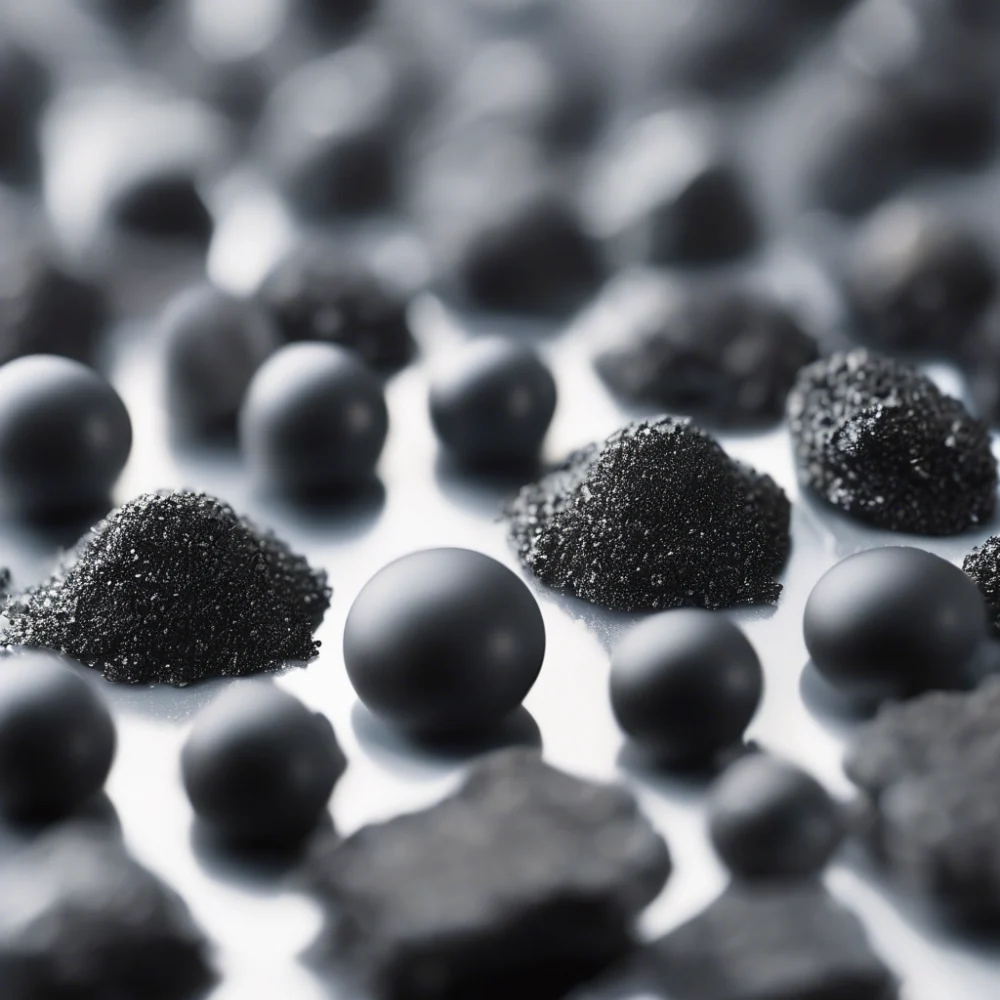
¿Qué papel juega la estructura del polímero en la resistencia a la deformación?
La densidad define la cantidad de material, y la estructura del polímero define la calidad de ese material. La longitud de la cadena, la densidad de enredo y la calidad de fusión entre las perlas gobiernan cómo el estrés se redistribuye internamente.
¿Puede un peso molecular más alto reducir el deslizamiento?
Un peso molecular más alto aumenta el enredo de la cadena, lo que puede limitar el deslizamiento molecular cuando la tensión persiste con el tiempo. Los materiales con esta estructura resisten el flujo viscoelástico de manera más eficaz, mejorando directamente la resistencia a la deformación a largo plazo.
¿Cómo afecta la uniformidad de la célula cerrada a la transferencia de carga?
La geometría uniforme de la célula permite que la tensión se distribuya a través de muchos puntos de contacto. Sin embargo, la fusión deficiente o los poros irregulares crean interfaces débiles donde comienza el colapso local. Con el tiempo, estos puntos débiles se propagan en deformación macroscópica.
¿Cómo cambia la carga a largo plazo la fiabilidad del material?
Las pruebas de laboratorio a corto plazo rara vez capturan el comportamiento real de la vida útil del poliestireno. El arrastre, la relajación del estrés y el ciclismo térmico alteran gradualmente la forma y el grosor.
¿Qué causa el deslizamiento en el poliestireno expandido?
El flujo surge de la relajación de la cadena del polímero y la difusión gradual del gas dentro de las células. La temperatura elevada acelera ambos procesos, y la tensión de compresión continua aumenta el efecto.
¿Cómo diseñan los ingenieros contra las fallas de arrastre?
Los diseñadores experimentados aplican límites de tensión de servicio mucho por debajo de la resistencia a la compresión nominal y controlan los riesgos seleccionando márgenes de densidad, estableciendo capas de distribución de carga y evitando cargas puntuales. En este momento, la elección de materiales se convierte en una decisión estructural, no solo en una decisión de costo.
¿Dónde revelan los proyectos reales límites de carga prácticos?
Las curvas de laboratorio cuentan solo parte de la historia. Los proyectos de campo revelan cómo se comporta el poliestireno bajo restricciones mecánicas, térmicas y operacionales combinadas.
¿Qué pueden decirle las piezas moldeadas de EPS de alto impacto?
Una aplicación real en componentes de vehículos de nueva energía utilizó piezas estructurales moldeadas de EPS que lograron una resistencia a la compresión de 5,2 MPa, demostrando que los sistemas de poliestireno diseñados pueden funcionar mucho más allá de los roles de aislamiento tradicionales cuando la estructura del material y el proceso se optimizan.
¿Por qué esto importa para el aislamiento y las cargas estructurales?
El rendimiento del poliestireno no se fija por la química sola. El control del proceso, el diseño de partículas y la estructura interna pueden extender la capacidad mecánica a dominios una vez reservados para plásticos rígidos y compuestos.
¿Cómo debe cargar la selección de grado de la guía de rendimiento?
La selección de materiales debe comenzar con la demanda mecánica. Cuando la demanda de carga se juzga mal, incluso los sistemas de aislamiento premium pueden fallar.
¿Cuándo debe preferirse el grafito EPS?
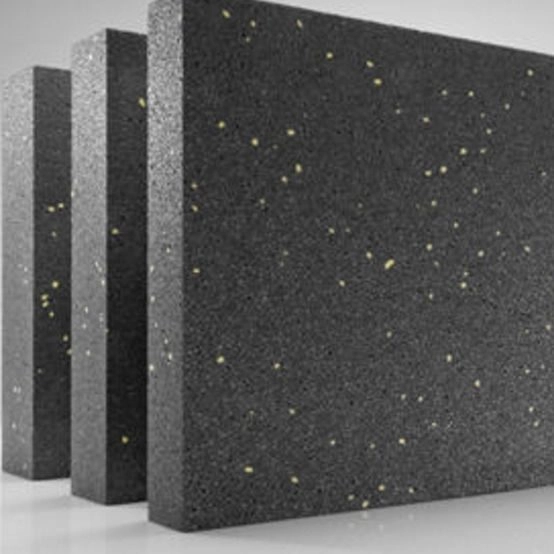
Los sistemas de fachadas de alta carga, las envolturas de casas pasivas y las aplicaciones expuestas a la succión del viento o la compresión a largo plazo se benefician de grados de grafito de mayor resistencia. Grafito poliestireno-S-32 integra agentes de endurecimiento y refuerzo para mejorar las propiedades mecánicas y el peso molecular. Se especifica con:
- Mayor resistencia a la compresión
- Mejor estabilidad dimensional
- Peso molecular más alto
- Adecuación para edificios pasivos y sistemas de ahorro energético de alto nivel
¿Cuándo son suficientes los grados convencionales?
El embalaje general, las capas de aislamiento no estructural y las zonas de protección temporal pueden confiar en los grados estándar cuando la tensión de servicio permanece baja y la tolerancia a la deformación permanece alta.
¿Quién está impulsando el desarrollo de materiales EPS de alta carga hoy en día?
El rendimiento avanzado de carga depende cada vez más de la ingeniería de procesos, el modelado digital y la innovación estructural en lugar de la química sola.
HUASHENG es un fabricante de EPS de alta tecnología que integra I& D, producción inteligente y pruebas de precisión en un sistema de desarrollo de materiales. Hemos construido laboratorios gemelos digitales que incluyen bancos de genes de materiales y plataformas de simulación de procesos, que soportan el control predictivo sobre la uniformidad de la densidad, el comportamiento de compresión y el rendimiento térmico. Nuestros productos cubren grados comunes, grados retardantes de llama, grados de grafito y otros utilizados en logística de cadena de frío, edificios prefabricados y envases sísmicos.
Una técnica clave es su tecnología de estructura de nanoporos cerrados. Al crear una red microporosa tridimensional similar al panal de abeja a través de la ingeniería de cadena molecular avanzada, esta tecnología aumentó la resistencia a la compresión de REPS materiales en un 40%, superando los parámetros de rendimiento convencionales.
Este desarrollo ilustra un cambio más amplio en la industria: el poliestireno ya no se optimiza solo mediante la formulación, sino a través del diseño de la estructura, la inteligencia del proceso y el control impulsado por los datos.
¿Qué reglas de ingeniería ayudan a evitar fallas bajo carga?
El material fuerte por sí solo no garantiza la fiabilidad del sistema. Los detalles de la instalación, los márgenes de seguridad y la lógica estructural son igualmente importantes.
¿Cuán grandes deben ser los márgenes de seguridad?
Los ingenieros a menudo diseñan para la tensión de servicio que permanece significativamente por debajo de la resistencia a la compresión nominal. La corrección de la temperatura, los factores de envejecimiento y las concesiones de deslizamiento forman parte de la especificación responsable.
¿Qué detalles de instalación protegen la capacidad de carga?
Los sustratos planos, las superficies de contacto continuo y la evitación de cargas puntuales protegen la integridad estructural. La mala instalación a menudo causa fallas mucho antes de que se alcancen los límites de material.
Conclusión
El rendimiento del poliestireno bajo carga se rige por la densidad, la estructura del polímero, la calidad de fusión de perlas y la deformación dependiente del tiempo. Los sistemas EPS diseñados pueden funcionar en entornos de alta tensión cuando la arquitectura de materiales y el control de procesos se alinean. La especificación efectiva comienza con la demanda mecánica, luego integra los criterios térmicos, de incendio y de costo en una estrategia de diseño coherente.
Preguntas frecuentes
P: ¿La menor conductividad térmica significa automáticamente una mayor resistencia a la compresión?
R: No. La conductividad térmica y la resistencia mecánica están influenciadas por diferentes factores estructurales. La densidad y la estructura molecular dominan el comportamiento de compresión, mientras que el contenido de grafito afecta principalmente a la transferencia de calor radiante.
P: ¿Se puede usar EPS en capas de aislamiento de carga a largo plazo?
R: Sí, cuando la tensión de servicio permanece bien por debajo de la resistencia nominal y el deslizamiento se aborda a través de la selección de densidad y el diseño estructural.
P: ¿Por qué los grados de grafito a base de extrusión a menudo muestran una mejor estabilidad dimensional?
R: El procesamiento por extrusión típicamente da como resultado polímeros de mayor peso molecular y una cohesión interna más fuerte, lo que mejora la resistencia a la deformación con el tiempo.






 Spanish
  English
  German
  French
  Arabic