
In today’s packaging world, picking the right material really matters for keeping products safe, controlling costs, and making shipping smoother. Companies want options that guard items well but stay light and simple to work with. To grasp its place better, we should look into what expanded polystyrene foam really is and the reasons it gets used so much in packaging.
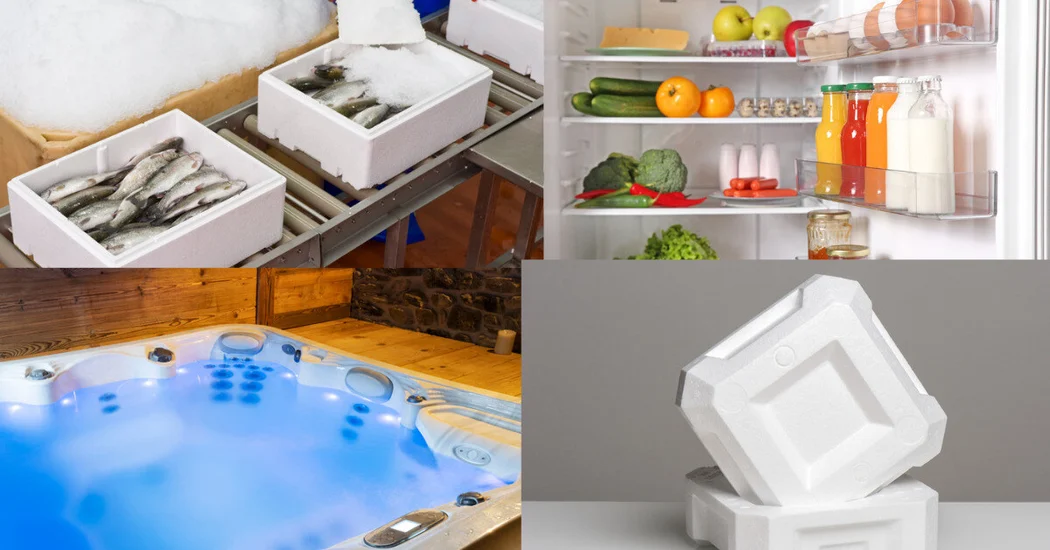
What Is Expanded Polystyrene Foam, and Why Is It Important in Packaging?
Expanded polystyrene foam, often called EPS foam, is a light, stiff, and handy material that shows up a lot in packaging jobs. It comes from puffed-up polystyrene beads that create a sealed-cell setup. This setup gives both toughness and padding. Because of that, EPS foam works great for shielding products while they sit in storage or move during transport.
If you need a solid teammate for green packaging ideas, check out HUASHENG—a trailblazer leading the worldwide shift in materials with kind-to-the-planet EPS choices. With the goal of “lightening the load on our planet,” HUASHENG pushes a global change in materials starting from just one bit of polystyrene. By using strong tech and caring for nature, it has marked a fresh spot for China’s smart green making on the world stage of materials.
How Does EPS Foam Benefit Packaging Solutions?
EPS foam brings a few main perks that turn it into a must-have in current shipping and item-guarding setups. Its light weight cuts down on delivery expenses a lot. It does this by lowering the total load of cargo, yet it keeps a strong build. Plus, the material’s top-notch padding skills soak up bumps and shakes on the road. So, breakable stuff stays whole, even if handling gets rough.
On top of that, Espuma de EPS fights off water well, which makes it suitable for packing goods that cannot handle dampness or shifts in warmth. You can use it for gadgets or food boxes, because its sealed-cell design stops water from getting in. At the same time, it stays steady in keeping heat out.
How Can You Utilize EPS Foam in Different Packaging Applications?
Before you pick an EPS option for your company, think about how this stuff can fit into all sorts of fields. Its ability to change comes from adjustable thickness, bendy shapes, and fit with machine-based forming tools.
What Are the Common Uses of EPS Foam in Product Protection?
EPS foam gets used a ton to keep touchy things safe, like gadgets sent through the mail. In packing for food, EPS foam keeps steady temps all through the paths of delivery. Picking Espuma EPS de HUASHENG packing cuts back on too much use of stuff that’s often bad for the earth. Thus, it hits a good mix between guarding the product and caring for the surroundings. This fits it well for things that spoil fast, like fish from the sea or frozen dinners.
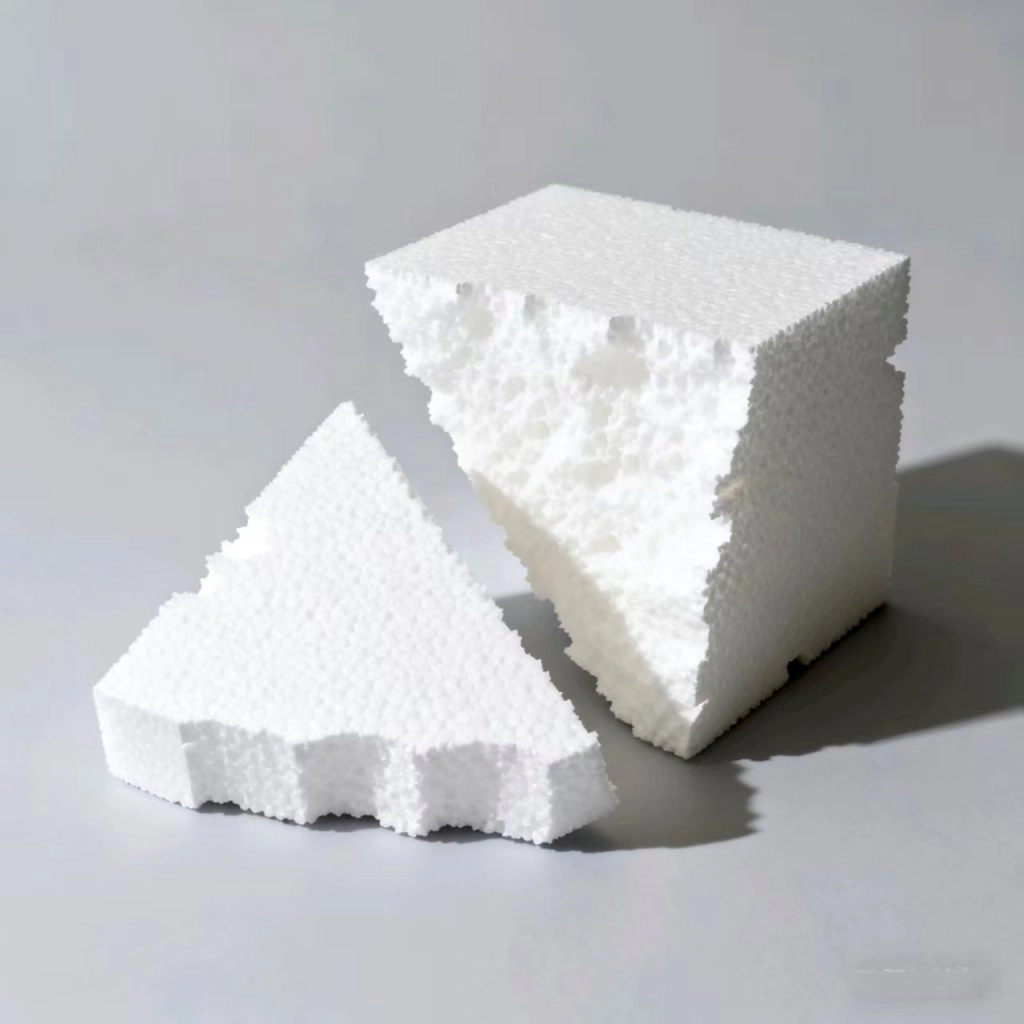
For items with special shapes—think pots from clay or health tools—EPS can get shaped into exact outlines that match the odd forms of products. Such bendiness makes sure of top guarding. Moreover, it boosts how the item looks when shown.
Why Should You Consider an EPS Products Manufacturer for Your Packaging Needs?
Deciding to team up with a skilled supplier of EPS products can improve how well your supply line runs, because these pros give more than just basic supplies. They also share know-how that matches your precise needs for packing.
What Advantages Do You Gain from Partnering with a Specialist Manufacturer?
Teaming with a pro means you get custom fixes made through smart model systems and info banks on materials. The skilled tech group looks closely at what customers need in their special use cases and wants across areas like home warmth layers, packing, and pretty add-ons. So, every job gets tips made just for it. These tips are based on how well it does in things like even thickness or strength against squeezes.
Proveedores also bring fresh ideas for designs that lift both safety and nice looks—key points when showing goods to buyers or parts for work sites. Steady checks for quality in every step of making add to trust. At the same time, they cut down on throwaway bits through exact ways to control.
How Does HUASHENG Stand Out as a Leader in EPS Foam Manufacturing?
Among suppliers of expanded polystyrene foam around the world, one firm has set itself apart with tech smarts and care for the earth.
What Makes HUASHENG’s Products Unique and Reliable?
HUASHENG gives a wide set of EPS foam fixes made for what fields need, and its lineup covers normal kinds for everyday packing tasks. It also has fire-stop kinds for building stuff that meet B1 safe rules. The graphite-charged line boosts warmth blocking by adding natural flat graphite into the plastic builds, which get up to 25% better hold against heat than usual EPS sheets.
The business has put in hundreds of millions of yuan to set up the first smart line for making polystyrene from fully reused starting stuff. This new way shows its strong push for green ways. It reaches over 95% rates in reusing waste. Plus, it drops energy use by 30%. On top of that, it’s coming from the factory to show carbon-free work plans to slash outgases over the whole chain of making by more than 85%.
By using digital twin labs that mix in fake runs with quantum computer math, HUASHENG keeps going beyond limits in tiny-sealed hole tech—lifting strength against presses by 40%, way past world standards.
What Should You Consider When Choosing EPS Foam for Your Packaging Needs?
Picking the best kind of expanded polystyrene foam relies on a few real-world points tied to what the product is like and the setups for moving it.
How Do You Determine the Right Type of EPS Foam for Your Products?
Begin by checking your item’s heaviness and how easy it breaks to pick fitting thickness levels. Light things might do well with super-light kinds like P-series foams set for many rounds of early puffing at thicknesses under 18 g/L. Goods that weigh more or break easier could need thicker types that give better guard from hits.
Settings around the item during moves also shape the choice—being out in heat or wet might call for water-fighting or fire-stop mixes like F-series stuff okayed under GB/T10801 rules. Last, weigh how well it costs against how it works; putting a bit more into better mixes can cut back on losses over time from breaks or poor work.
By linking with a well-set supplier that gives full change services—from talking on designs to helping after sales—you make sure of the best outcomes that line up with goals for green ways.
Preguntas frecuentes
P: ¿Se puede reciclar la espuma EPS?
A: Yes. Expanded polystyrene foam can be recycled; HUASHENG handles 300,000 tons of EPS each year, which saves 1,500,000 tons of raw oil and 1,200,000 tons of carbon dioxide. Smart press systems shrink the size up to 50:1 for smooth reuse in setups that loop back materials.
Q: Is EPS foam safe for food packaging?
A: Yes, it is. Types safe for food follow FDA rules (21 CFR 177.1640) to keep things clean and safe. They also hold the warmth block needed for chains that keep cold, like for goods that go bad quickly or meds from life sciences.
Q: How does HUASHENG ensure the quality of their EPS products?
A: The firm uses smart making lines with exact test gear; it has set up a fresh smart line for making and added top EPS puff tech and exact test tools to make sure products hit leading spots in main signs like even thickness, strength against squeezes, and how well they block heat.






 Spanish
  English
  German
  French
  Arabic