
As building schedules get shorter and power rules get stricter, picking the right material providers matters more for project results. Dependable EPS suppliers help not just with good product quality but also with steady shipping and expert help. Knowing their part shows how current building jobs reach greater speed and stronger results.
How Do EPS Suppliers Enhance Construction Efficiency?
The building field changes quickly, and speed now ranks high for builders and workers. Among various items pushing this change, polystyrene foam stands out as a key part of today’s building setups because of its heat-blocking skill, light weight, and flexibility.
The Role of Polystyrene Foam in Modern Construction
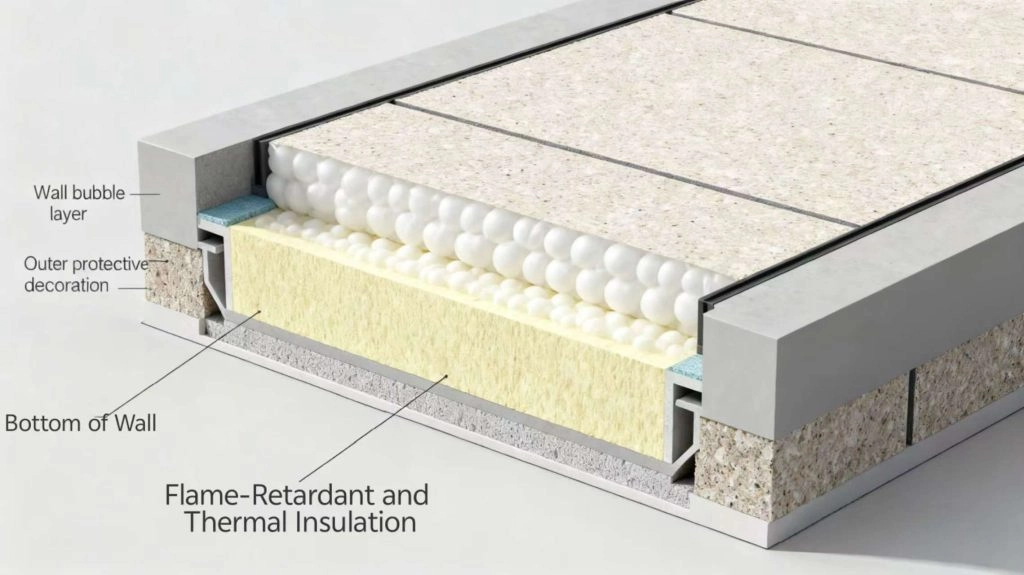
Polystyrene foam helps boost building speed by mixing heat control with simple handling. Its lightweight lets workers put it in place faster, and it keeps a strong shape in walls, floors, and roof parts. The tight-cell design of this stuff cuts down heat flow, so homes get better power scores and lower running costs. For those working on green goals, this item gives both earth-friendly and money-saving perks through less power use and lasting strength.
If you pick a top supplier like HUASHENG, you get strong EPS options made for today’s building needs. HUASHENG works as a tech-focused company that focuses on studying, making, and selling espuma de poliestireno expandible (EPS). Their items come from smart making methods that keep even thickness, strong press power, and top heat-block features. This mix leads right to quicker job times, lower worker costs, and better power savings in all kinds of buildings.
Why Is HUASHENG a Leading Choice for EPS Products?
The thing that sets this supplier apart is its strong focus on new ideas and green ways. The company follows “innovation-driven, green intelligent manufacturing” as its main growth idea. It blends top tools like digital twin labs and tiny-tight pore setups to make items work better. For example, its graphite-charged EPS stuff uses natural flat graphite to raise infrared bounce-back, which boosts heat blocking by more than 20% over regular EPS boards.
Their item lineup covers many types made for certain uses: fire-stop stuff that fits B1/B2 safety rules; very light mixes great for big sheets; and earth-kind non-HBCD types that follow EU REACH and ROHS rules. You can check their full set of EPS options here. Every item group grows under tight check systems that match world rules like ISO 14067:2018 for carbon mark proof.
What Are the Insulation Benefits of Polystyrene Foam?
Heat-blocking skill stands as one of the key parts of any building job since it sets both comfort and power use levels over a building’s full life.
How Does Polystyrene Foam Improve Thermal Performance?
Polystyrene foam’s tight-cell makeup works as a good wall against heat links. It cuts heat movement between inside and outside spots, keeping steady room warmth no matter weather changes. The heat pass rate of S-33 stays under 0.033 W/M.K, while regular EPS hits 0.039 W/M.K, so S-33’s heat block rises by more than 20%. This big gain means smaller cooling or heating needs and clear drops in yearly power costs.
Plus, the water block built into its setup stops wet buildup that hurts other heat-block items as time goes on. This strong build keeps steady work even in tough weather, which makes it fit for uses from low-power homes to factory spots.
Can Polystyrene Foam Reduce Construction Costs?
Yes, it helps cut costs a lot in many steps of building. Since it weighs little but holds strong, moving costs drop while putting in place speeds up with fewer people needed at the site. The item’s long life also cuts fix-up bills because it does not break down or sink like old fillers.
In What Ways Does Polystyrene Foam Contribute Structurally?
Though known mostly for heat-block skills, polystyrene foam also boosts trust when added to mixed setups or ready-made sheets.
How Does It Enhance Structural Integrity?
Its firm shape adds extra hold without piling on too much weight to frames, a vital point in tall or ready-built jobs where weight balance counts. When mixed with strong concrete or metal frame systems, EPS acts as both a mold and a lasting heat-block layer. Grado retardante de llama estándar europeo FSH fits for heat block in building and factory uses; even bubble growth; quick set time; higher stuff output than old B1 type; the press strength beats other types by more than 20%. This raised press strength keeps size steadiness under weight hold while giving bend room during plan changes.

On top of that, some graphite-boosted mixes lift machine toughness more by adding flat graphite into chain links, which gives better hit blocks along with heat perks.
Are There Environmental Benefits to Using Polystyrene Foam?
Yes, for sure. Green ways now form a big part of today’s building habits, and polystyrene foam fits these aims well through reuse opportunities and lower full-life gas output. HUASHENG reuses 300,000 tons of EPS each year, which saves 1,500,000 tons of raw oil and 1,200,000 tons of carbon dioxide. Their closed-loop making setup hits over 95% waste reuse rates, and it cuts making power use by up to 30%.
Because it weighs little yet packs well in a move-size cut (up to a 1:12 rate when pressed tight), move-linked gas output drops a lot compared to heavy picks like rock wool or concrete-based heat blockers.
How Can HUASHENG’s Products Benefit Your Construction Projects?
Picking top EPS options from this supplier means getting items built for both tech skill and earth care.
What Makes HUASHENG’s EPS Solutions Unique?
Each item set, from basic-grade sheets to special graphite mixes, comes from exact-check steps that ensure even cell spread and best growth rates. The bead size stays even; the set time runs short; there is quick mold release on auto-shape machines; there is a higher empty cool skill; there is a good join; and there is a high hit block. These parts lead to quicker make cycles on-site while keeping size truth through put-in-place work.
Also, their custom help plan lets you set details like thickness range (often between 15 and 35 kg/m³) or wanted fire-block level (B1/B2). The company’s expert group runs full need checks using fake tools from its stuff gene store, so each fix matches your clear job plans, whether you build power-smart fronts or light-ready modules.
Preguntas frecuentes
Q: How does polystyrene foam impact building safety?
A: When treated with fire retardants meeting B1/B2 classification standards such as GB8624-2012, the combustion performance fully meets Class B1 indicators, demonstrating excellent fireproof performance.
Q: Can polystyrene foam be used in both residential and commercial projects?
A: Yes, it’s adaptable across diverse applications, including exterior wall systems, roofing panels, cold-chain facilities, industrial warehouses, or interior partitioning due to its versatility in density control and molding capability.
Q: Is polystyrene foam environmentally friendly?
A: While not biodegradable by nature, it supports circular economy initiatives through recycling technologies, achieving up to a 95% reuse rate and a 72% lower carbon footprint compared to virgin production.






 Spanish
  English
  German
  French
  Arabic