
Foam materials find use in various fields, including packaging and building work, as well as transport and heat protection. Yet, not every foam provider gives the same degree of focus or skill in handling. To grasp the worth of EPS materials better, it pays to look at what separates EPS foam providers from basic foam providers.
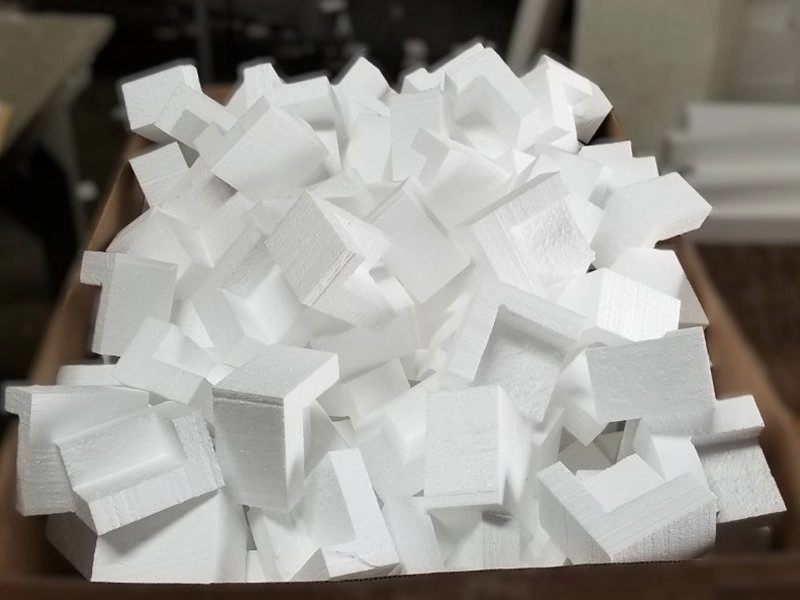
What Sets EPS Foam Suppliers Apart from General Foam Suppliers?
When you search for foam materials in business or trade settings, it is important to spot the gap between basic foam providers and focused EPS foam suppliers. The difference shows up not just in how the material is built but also in the careful making process, options for changes, and rules for green practices that EPS experts follow.
How Does the Composition of EPS Foam Differ from Other Foams?
EPS foam, known as expanded polystyrene, comes from tiny beads that grow when heat touches them, creating a firm but light form. This setup offers great heat blocking and bump protection, and unlike polyurethane or polyethylene foams that use chemical helpers to puff up, EPS relies on steam to grow. As a result, it forms a closed-cell build with better power saving.
These traits set EPS foam apart from items used by basic foam providers. For example, its low heat pass-through lets it keep steady warmth block even in tough spots. At the same time, its small weight cuts down on moving costs and harm to nature. This is a plus that few other foams can equal.
Why is EPS Foam Preferred for Certain Applications?
The closed-cell setup of EPS foam makes it strong against water uptake. Therefore, it keeps its form and works even in wet or damp places. This matters a lot for building warm boards and cold storage package systems.
In the area of building warmth, Espuma EPS de HUASHENG items stand out. These items have strong skills in blocking heat, which cuts down energy use in structures. They aid in keeping inside temperatures steady all year. Plus, they lessen the need for heat or cool systems. In the same way, for moving tasks like boxes for life-saving drugs or holders for food that spoils easily, EPS keeps temperatures even and stops water drops from causing harm.
Basic foams might give bend or soft padding but often miss these special traits. That is why fields needing exact heat handling, such as building and health moving, pick EPS foam answers.
How Do EPS Foam Suppliers Ensure Quality and Consistency?
Steady good work relies much on how providers run their making steps. Focused EPS suppliers use tight checks on quality to make sure each group fits tech needs.
What Quality Control Measures Are Implemented by EPS Foam Suppliers?
Top EPS foam suppliers use new testing ways all through making. Checks on weight make sure bead growth stays the same. Tests on strength against pressure prove it can hold loads, and checks on heat pass-through confirm power saving.
HUASHENG has set up a fresh smart making line. It brings in top EPS puffing tech and exact check tools to make sure items reach high levels in main signs like even weight, strength against pressure, and heat blocking work. This strict step-by-step watch keeps sameness in all item types, from light package foams to thick build warmth items.
How Do Suppliers Cater to Customization Needs?
Changes to fit are a key mark of skilled EPS providers. Rather than giving items that suit all, they adjust the weight of the material, bead size, and shape based on job needs.
For example, if your job needs a light but tough package for gadgets or clay items, you might think of B-Rapid Prototyping Grade materials. These are made for quick shape forming and high bump fight. Such changed levels cut down on thrown-out stuff while boosting work speed.
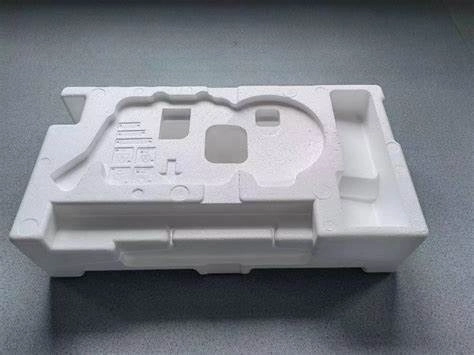
Why Choose HUASHENG as Your EPS Foam Supplier?
Choosing a solid teammate decides not only item quality but also long-run green results. Among the world’s top players in this area stands HUASHENG. It leads in reshaping kind making in the EPS field.
What Makes HUASHENG Stand Out in the Market?
With the goal of “reducing the burden on the earth,” HUASHENG pushes a world material change with just one bit of polystyrene. The company blends green smart making with digital match labs, which fake tiny builds to tune work more precisely. Its tiny closed-hole tech raises strength against pressure by 40%.
On top of that, HUASHENG runs one of the first smart making lines in the world, using 100% reused starting stuff and reaching over 95% waste reuse while dropping energy use by 30%. By 2026, it plans to set up a no-carbon show factory that can cut out gases by up to 150,000 tons each year.
How Can You Benefit from HUASHENG’s Products?
By teaming with HUASHENG, you get custom answers backed by science care. No matter if your aim is light car parts or B1 fire-safe warmth boards for green builds, their skill in building ensures top results at fair prices.
Their buyer-first help way covers need checks through help after sale in 24 hours. It forms a full-life teamwork that makes sure the job wins from idea to hand-off.
What Are the Environmental Considerations with EPS Foam?
Even with its strong points in work and cost savings, worries about harm to nature often come up with fake foams like polystyrene. However, fresh ideas have shifted how careful suppliers are in handling these issues.
How Does EPS Foam Impact the Environment?
Old EPS once faced blame because it did not break down in nature, but new reuse tech has changed this view a lot. Reused beads can now turn back into fresh foam blocks, or they can change into fuel through heat breakdown.
HUASHENG reuses 300,000 tons of EPS each year. This saves 1,500,000 tons of raw oil and 1,200,000 tons of carbon dioxide. Its press machines shrink waste size by up to 90 times before turning it back. This lifts world reuse work much more than usual setups used by basic providers.
What Steps Are Taken by Suppliers to Promote Sustainability?
Green plans among top suppliers include closed-loop making systems. In these, scrap from after making goes back into fresh groups without losing quality rules.
Through its own “three-circulation” making system, HUASHENG hits a reuse rate of over 95% for waste. It also cuts energy use by 30%. Plus, it follows world papers like ISO 14067:2018 for carbon footprint checks. This brings clear views across every part, from start-to-end life checks to GRS-checked reused stuff proof.
By picking green-aware teammates like HUASHENG that use liquid-based get-back ways to make new-quality resin (99.7% clean), you add straight to circle economy goals. At the same time, you keep tech skills in your daily tasks.
Preguntas frecuentes
Q: Can EPS foam be recycled?
A: Yes. Many places now reuse EPS foam to make fresh items or turn it into power through watched burn steps. These use high-clean get-back tech made by top providers.
Q: Is there a difference in cost between EPS foam and other foams?
A: In general, yes. EPS often costs less because of its small weight and good steam-based making way. This stands against chemical puff choices like polyurethane or polyethylene foams.
Q: How does moisture affect the performance of EPS foam?
A: Unlike many open-cell foams that take in water fast, EPS keeps its build even when faced with wet spots. This comes from its tiny closed-cell setup. So, it fits well for building warmth boards or sea uses where lasting counts most.






 Spanish
  English
  German
  French
  Arabic