
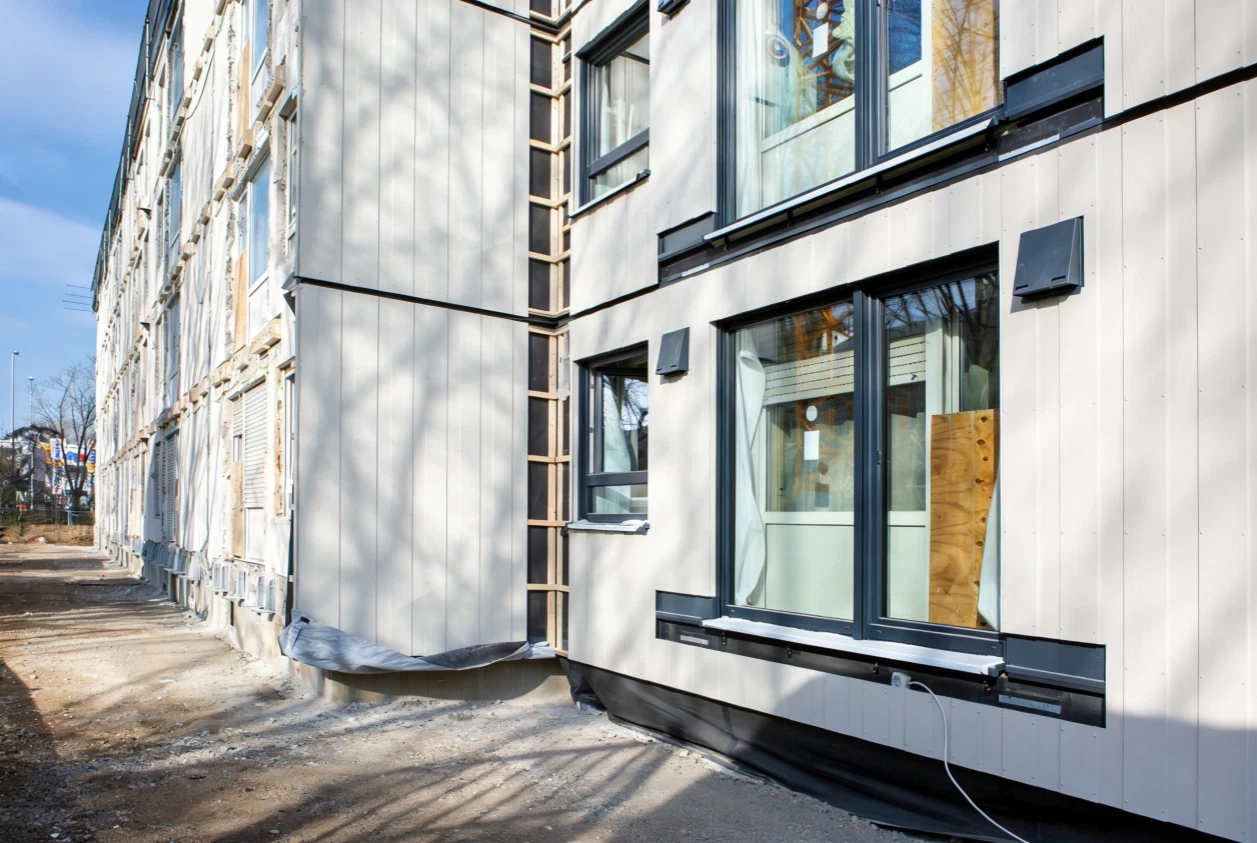
Did you see the heating bills for commercial spaces last winter? In some northern regions, utility costs jumped by over 18% in just a few months during the 2025 freeze. This kind of financial hit is forcing contractors, property managers, and developers to completely rethink how they seal their buildings. Prefabricated structures are stepping up as the fast, affordable answer to our current commercial space shortages. But putting up a building quickly does not mean much if it leaks heat all winter and turns into an oven in July. Builders need materials that actually block the weather from coming inside. We are finally moving past the days of stuffing pink fiberglass into wall cavities and hoping for the best. Today, the focus is squarely on materials that offer serious thermal resistance while passing tough safety inspections. Let’s look at how modern insulation choices are changing the math for modular construction projects.
The Thermal Battle in Modern Construction
When a construction firm designs a new modular site, the biggest hidden money drain is usually thermal bridging. Heat finds sneaky ways to escape through the wooden or steel framing, driving up utility bills for the end user. Fixing this specific problem requires insulation that fits perfectly and resists temperature changes over the long haul.
Why Low Thermal Conductivity Changes the Math
Let’s talk about how heat actually moves through a wall. If a material has low thermal conductivity, heat struggles to pass through it. We measure this resistance in raw numbers. Standard poured concrete sits around 1.7 W/(m·K), which means heat travels through it pretty easily. But some advanced foams drop that number down to 0.030 or even lower. For energy-efficient prefabs, hitting these tiny numbers is simply non-negotiable. It translates directly to smaller HVAC systems, cheaper running costs, and much happier tenants. Imagine a 10,000 square foot warehouse built from prefab panels. If you cut the heat loss by just 30% using better foam, the savings on the winter gas bill easily cover the cost of the upgraded materials within three to four years. Commercial property owners look very closely at these operational costs. When a supplier can promise a building that costs half as much to heat, that supplier usually wins the bid.
The Rise of Recycled EPS Foam
We can’t just keep pumping out new plastic without thinking about the trash left behind on the job site. The building industry is currently making a massive shift toward recycled EPS foam. This process takes scrap material from packaging or leftover cutoffs from old construction sites and turns it right back into high-grade building blocks. It is a smart, practical way to cut down landfill waste while still getting that top-tier insulation value. B2B buyers like it because it checks the box for green building certifications like LEED, which a lot of modern clients now demand before signing a contract. You get the thermal performance of brand-new foam, but with a much better story to tell your investors. Plus, using recycled materials often stabilizes the supply chain. You aren’t completely at the mercy of global raw oil prices when your manufacturer is pulling from a recycled stream.
Balancing Safety and Savings with Retardant REPS
Safety codes across North America and Europe have gotten much tighter since the major building fires of the late 2010s. You can’t just pack a wall with foam and walk away. The material must actively resist catching fire. This is why contractors are specifically hunting for reliable fire safe insulation that does not blow the entire project budget.
- Meeting strict fire codes: Using flame retardant EPS is basically the law of the land now for commercial builds. These materials go through a special chemical bath during the manufacturing process. Because of this treatment, if a spark or a flame hits them, they actually shrink and pull away rather than feeding the fire. Once you take the direct flame away, they put themselves out. This specific reaction gives people inside the building precious time to get out safely and limits the spread of property damage.
- The specific role of Retardant REPS: This is where things get really interesting for purchasing managers. Retardant REPS combines the eco-friendly nature of recycled foam with serious fire resistance. You are mixing the green building points of recycled plastic with the heavy-duty safety requirements of a modern high-rise. It is a highly effective two-for-one deal that makes the local permitting process a lot smoother.
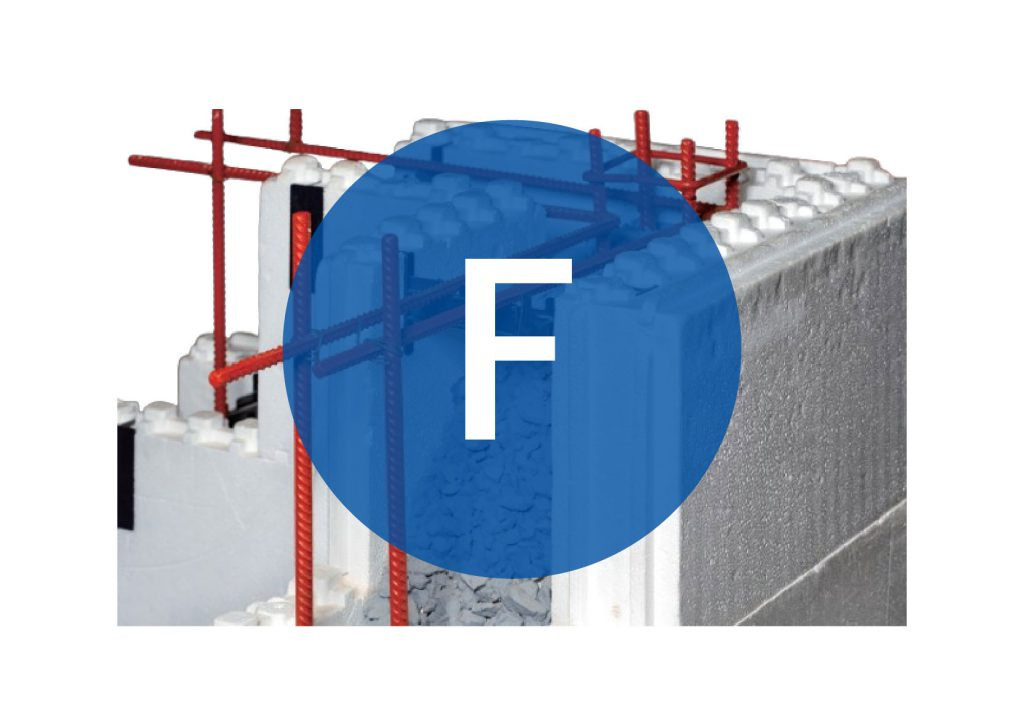
- Finding a consistent B2B supplier: For project managers, the biggest headache is always finding a supplier who delivers the exact same quality every single time. A single bad batch of foam can fail an inspection and stall a project for weeks, costing thousands of dollars a day. Products like the Flame Retardant Grade F from HUASHENG are engineered exactly for this kind of rigorous demand. It gives prefab manufacturers a reliable, fire-tested core for their wall and roof panels. They focus on keeping the chemical mix perfect so you do not have to worry about the fire marshal shutting down your site.
The Mechanics of Trapping Heat in Modular Units
You might wonder how a lightweight block of foam actually stops freezing winter air from ruining a room. It all comes down to microscopic engineering and trapped gases. The way the cellular structure is formed directly determines how well the prefab insulation will perform over the next thirty to forty years of its lifespan.
Air as the Ultimate Barrier
The big secret behind this kind of insulation is that it is mostly just air. About 98% of the volume is trapped gas locked inside millions of tiny, closed plastic cells. Because air doesn’t conduct heat well when it is stuck in one place, it creates a thick, invisible wall against outside temperatures. This simple physical fact is what gives the material its famously low thermal conductivity. When workers join these foam boards firmly to create a structural insulated panel (SIP), they eliminate air leaks and chilly areas common in standard frame-built methods. The warmth from your heating unit reaches the wall and reflects back inside. Unlike aged fibers that settle over years, firm foam retains its form. The heat barrier on the first day matches that on the ten-thousandth day. This consistency proves valuable. It reduces maintenance needs over time.
Keeping Moisture Out of the Equation
Water is the absolute worst enemy of any building envelope. If insulation becomes damp, its heat-blocking power falls close to nothing. Recall the chill of a soaked coat in winter. It worsens the cold. Usual soft insulation takes in humidity from the atmosphere readily. It droops and compresses gradually. In contrast, sealed-cell foam naturally pushes away water. For power-saving pre-assembled units in moist seaside areas or wet lowlands, this water resistance matters as much as the heat score. It prevents harmful mold from forming within walls. It maintains fresh indoor air for those inside. Healthy environments attract tenants. They lead to longer leases and steady income.
Building the Future with Smart Material Choices
Moving forward, construction firms have to juggle tight budgets, new green building certifications, and very impatient buyers. The materials you pick at the very start of a project will completely dictate your profit margins at the end. Making the right call on your core insulation changes the entire financial outlook of the build.
- Cutting down on heavy labor: Heavy building materials take more time, more machinery, and more manpower to install safely. Lightweight foam boards can be unloaded, cut to size, and placed by a much smaller crew in half the time. This drops your labor costs significantly. That is a massive deal when skilled construction trades are charging $50 to $70 an hour in most major cities today.
- Less waste on the job site: When you order custom prefab panels filled with high-quality foam, they arrive cut to the exact dimensions of your blueprint. You don’t have a huge dumpster full of off-cuts sitting in the driveway. This saves your firm money on wasted materials and saves money on expensive trash removal fees.
- Partnering for long-term success: Sourcing dependable R-EPS means working with manufacturers who actually understand both the environmental push and the strict safety demands of modern building codes. HUASHENG provides bulk material solutions that fit right into this new circular economy, helping B2B clients build better, safer, and faster. If your firm is looking to upgrade its building materials without ruining the budget, reach out to our team today to see how these advanced foams fit perfectly into your next big project.
Conclusión
The way we construct our living and working spaces is changing rapidly. We can no longer afford to throw up thin walls and rely on massive, expensive heaters to keep people comfortable. Energy-efficient prefabs are proving that we can build quickly without sacrificing basic comfort or safety. By choosing core materials with low thermal conductivity, builders save a massive amount of money for everyone involved down the line. Add in the serious safety benefits of retardant REPS, and you solve the strict fire code problem while also finding a home for recycled plastics. It is a very practical, cost-effective way to meet today’s demanding construction standards. If you are planning your next modular project, look closely at what is going inside your walls, and consider contacting us at info@r-eps.com to get it right.






 Spanish
  English
  German
  French
  Arabic