
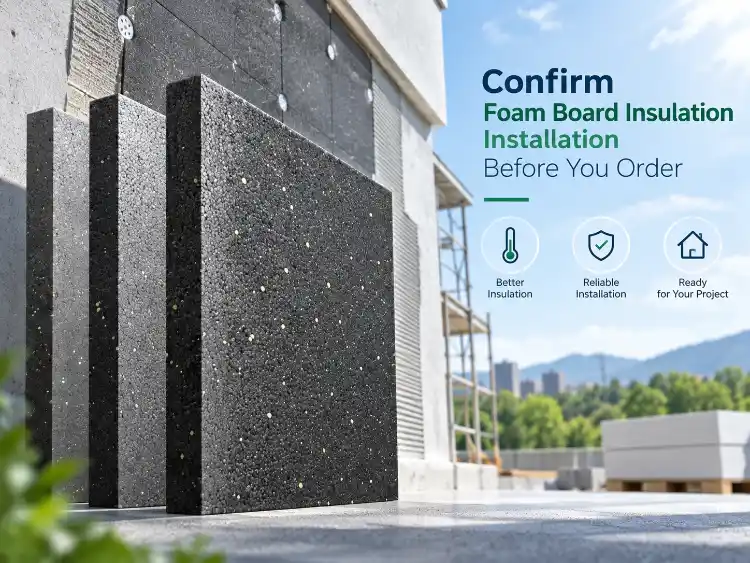
Foam board insulation installation is usually quoted before the wall detail is settled, and that is where rework begins. The board itself is the easiest part of the decision. What decides whether the delivery works is the layer sequence it has to sit inside, the substrate it will be fixed to, the fixing route that holds it there, and how it will be protected until it is covered.
An EPS buyer who confirms those four points before placing the order is buying a board that matches the build-up. An EPS buyer who confirms only the board thickness is buying a product and hoping the site agrees with it.
What the Layer Sequence Decides
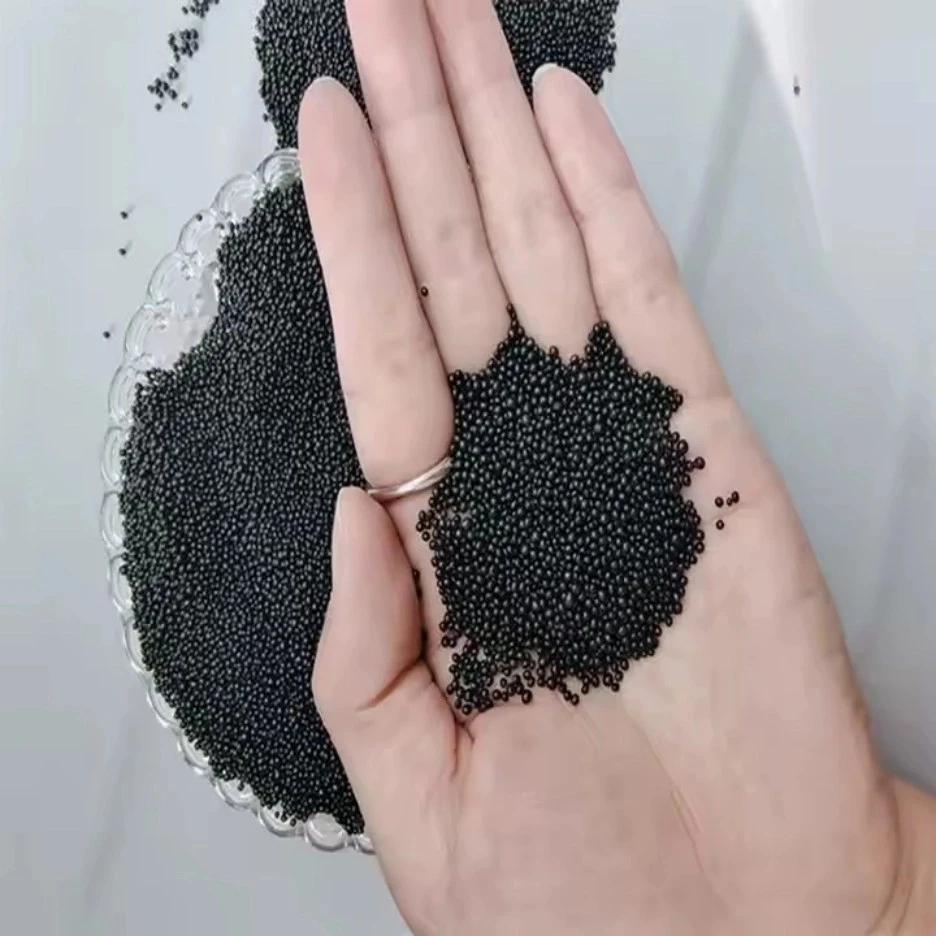
The position of the board relative to the weather-resistive barrier and any air gap is a project decision, not a supplier default. It decides which face of the board is exposed, which edge detail matters, and whether the assembly is expected to drain or to seal.
That is why the question of whether the foam board goes over or under the house wrap keeps appearing in installation searches. It has no single industry answer, because the answer belongs to the wall design. What a buyer can do is get the layer order confirmed in writing before the order is placed, and then check that the board the supplier is offering is the one that detail describes.
Two practical consequences follow. First, the board thickness belongs to the layer order rather than to a standalone preference, because the thickness that fits one build-up may not fit another. Second, the face and edge the board is delivered with should match what the detail assumes; a board supplied for one orientation and installed in the other is a specification mismatch that shows up much later.
Rigid foam insulation installation is the same task under a different name, and the wording matters only because buyers and installers use both. What changes with a rigid board is handling and stiffness rather than the decision itself: a stiffer board tolerates less site movement, so the substrate and the fixing route have to be right the first time.
What the Substrate Must Be Before the Board Arrives
Published system guidance for EPS insulation is consistent on one point: the board is only as good as the surface it is fixed to. The substrate has to be solid and free of cracks, dust, salts, grease and any other material that would reduce the adhesion of the adhesive mortar. This is a delivery-day prerequisite, not a preparation step that can be improvised after the boards are on site.
It helps to treat the substrate as part of the order. A freshly rendered wall, or one left dusty from cutting or carrying a release agent, the fixing route in the quotation will not perform as priced, and the supplier will be drawn into a site problem that was never theirs. A short pre-delivery check that the wall is clean, sound and dry protects both sides.
Flatness is checked as the work proceeds rather than once at the start, and the same applies to the vertical alignment of the boards as they go up. For a buyer, that means the plan should say who checks flatness, at what interval, and what happens if a section falls outside the agreed tolerance. Writing that into the pre-start checklist is cheaper than discovering it when the base coat is already on.
Which Fixing Route the Order Must State
Fixing is the decision most often left to the installer, and it is the one that most often ends up in dispute. The sequence for how to install foam board insulation matters to the buyer for the same reason: the order has to deliver a board that suits that sequence. The published route describes bonding the boards with an adhesive and also applying adequate mechanical fixing, so the order should state the intended route rather than leaving the word “fixed” to interpretation.
Adhesive Bonding
Adhesive bonding spreads the load across the board face and works with the substrate condition described above. It assumes a surface that the adhesive can actually grip, and it assumes the board is placed while the adhesive is still workable. Where the substrate is uneven, dusty or friable, bonding alone is a risk the buyer should not accept silently.
Adhesive Plus Mechanical Fixing
Pairing the adhesive with mechanical fixings is the arrangement that system guidance describes for external insulation, and it is what makes the assembly tolerant of wind load and of the movement a wall sees over its life. The fixings are installed after the adhesive has dried, which is why the sequence matters: milling or drilling too early disturbs the bond the adhesive is still forming.
On an exterior wall the same steps apply, but the work adds sealing at the openings and at the base of the elevation. A site decision to change that route is one the buyer should hear about first. A substitution decided on site is a change to the delivered system, and it should be handled as one.
Joint Layout and Thermal Bridges
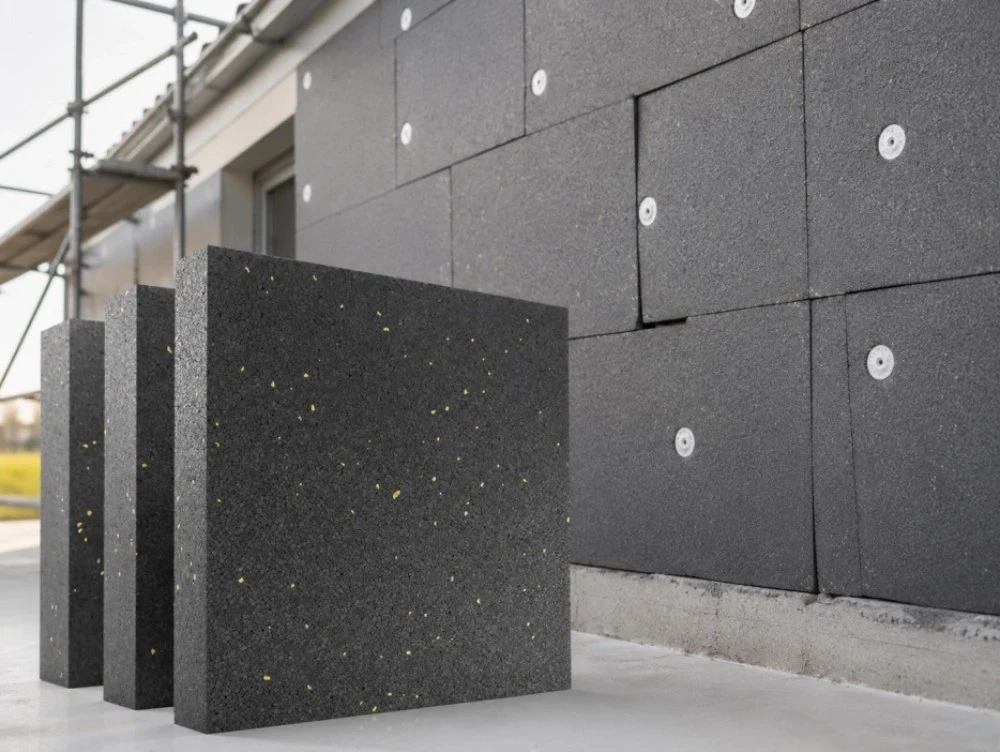
How the boards are placed against each other is part of the fixing decision because it changes the finished wall. The published route places the boards crosswise, like brickwork, so that continuous vertical joints do not line up through the insulation layer, and it recommends removing excess adhesive from the sides of the board so that it does not create a thermal bridge.
Both points are visible in the drawing before the first board is lifted. A joint plan that avoids a continuous vertical line, and a note that surplus adhesive is struck off before the next board goes on, are simple requirements that prevent an avoidable performance complaint later.
Protection Between Delivery and Covering
The gap between delivery and covering is the window where the buyer, not the installer, owns the risk.Placas EPS should be stored in a shaded area, and the boards already fixed should stay shaded until the covering layer goes on. Heat and direct sun are the exposure that matters most in that window, because an exposed board face takes the load of the sunlight before any protective layer exists, and the same heat that moves a board’s dimensions in production keeps working on it while it sits open.
The practical questions are easy to write into a delivery plan. Where will the boards be stored, and are they off the ground and out of direct sun? How long between fixing and the covering layer? Who is responsible for shading the elevation while the work is open? If the answer to any of them is “whoever is on site”, the exposure risk has no owner.
This is also where the product’s own consistency shows. A board produced under controlled density and testing conditions arrives with a predictable structure, which is what makes the site protection plan worth following rather than merely tidy. Consistency between the approved sample and the delivered board comes from a documented production line with precision testing, and from a supply process that keeps sample production on the same route.
What to Put in the Order
Four details turn the confirmations above into something the supplier can be held to.
First, the build-up: the layer order, the board thickness it requires, and the face and edge the detail assumes. Second, the substrate it will be fixed to, described as it will actually be when the boards arrive, including who prepares it. Third, the fixing route, stated as bonding, mechanical fixing or both, with the sequence that the route implies. Fourth, the protection and covering plan for the interval between delivery and the finished layer.
The board grade belongs alongside those four, because density and grade decide how the board behaves when it is handled and fixed, and how long the material is expected to last in service is a separate question from how it is fixed on the day. Nothing about the installation is complicated once the four details are fixed; almost all of the difficulty comes from leaving them open.
Conclusión
Confirm the layer sequence, the substrate condition, the fixing route and the protection plan before the EPS board is ordered. Those four confirmations decide which board is correct, and they move the installation from a series of site judgement calls into a delivery that matches the drawing.
Send the wall build-up, the substrate and the fixing route to the HUASHENG technical team, so the board type and the sample can be confirmed together before the order is placed.
Preguntas frecuentes
Q1: Should the foam board go over or under the house wrap?
A1: That is a project decision rather than a universal rule. The layer order belongs to the wall design, so the buyer should get it confirmed in writing before ordering and then check that the board face, edge and thickness the supplier offers match that detail.
Q2: Does EPS foam board insulation need mechanical fixings as well as adhesive?
A2: System guidance for external insulation describes bonding the boards with an adhesive and also applying adequate mechanical fixing. If a project intends to use adhesive alone, that is a change to the delivered system and should be raised as one rather than decided on site.
Q3: How long can the board stay exposed before it is covered?
A3: There is no single number, because exposure depends on the elevation and the season. The workable answer is to agree a storage location in shade, a covering sequence and a named owner for shading the open elevation, so the exposed interval is planned instead of left to chance.
 Spanish
  English
  German
  French
  Arabic