
¿Por qué el “reciclaje similar al papel” se está convirtiendo en el punto de referencia para EPS?
Tanto en los sectores del envasado como del aislamiento térmico, la capacidad de reciclar ha pasado de ser una declaración promocional atractiva a ser un requisito fundamental. El papel logró la aceptación generalizada no por su perfección sino por las características de los procedimientos de recolección estandarizados, la clasificación relativamente simple y los resultados de procesamiento consistentes y estables. La comparación entre EPS y papel expresa una clara expectativa de una facilidad comparable dentro de los flujos circulares de materiales.
Para los productores de EPS, esta norma plantea una cuestión fundamental: ¿pueden los productos de espuma expandida convertirse en parte de ciclos de circuito cerrado fiables como alternativas basadas en celulosa? La respuesta no se refiere a la composición química básica del polímero, sino a la medida en que la ingeniería deliberada de materiales coincide con las prácticas reales de reciclaje encontradas en el campo.
¿Qué significa realmente “reciclar como papel”?
Lograr un rendimiento de reciclaje al igual que el papel implica varias características concretas:
- La recolección sigue siendo económicamente práctica incluso en grandes volúmenes
- Los principios de clasificación se mantienen lo suficientemente simples como para evitar el rechazo frecuente en las instalaciones
- Las etapas de procesamiento adicionales deben manejar la variación natural sin causar una grave degradación en la calidad de la salida
Por encima de todo, los materiales reciclados requieren una ruta bien definida de regreso a los flujos de producción regulares.
¿Por qué la EPS tradicional a menudo se excluye de esta comparación?
Los EPS tradicionales suelen quedar cortos en tales evaluaciones porque su baja densidad crea desafíos logísticos abrumadores, ciertos aditivos interfieren con los procesos de recuperación y el reciclaje eficaz generalmente requiere equipos dedicados que no están disponibles comúnmente. Estos problemas surgen de características estructurales inherentes en lugar de dificultades conceptuales, lo que explica por qué los ajustes menores apenas producen cambios significativos en los resultados del mundo real.
¿Dónde se descompone típicamente el reciclaje de EPS?
Los puntos críticos de falla en la superficie de reciclaje de EPS son donde las características del material se cruzan con las limitaciones prácticas del sistema. Incluso en los casos en que el reciclaje técnico resulta factible, la resistencia en cualquier etapa puede hacer que todo el proceso sea económicamente impráctico.
¿El volumen sigue siendo la principal barrera estructural?
A pesar de su peso ligero, EPS ocupa un espacio considerable. La falta de compactación en una etapa temprana significa que los gastos de transporte rápidamente superan el valor del material recuperado. El papel evita esta dificultad porque su densidad inherente se alinea naturalmente con los requisitos de transporte económicos.
¿Limitan los retardantes de llama y los modificadores la reciclabilidad?
Los compuestos retardantes de llama más antiguos, junto con ciertos aditivos incompatibles, interrumpen con frecuencia las operaciones de reprocesamiento y conducen a barreras regulatorias, particularmente en los movimientos internacionales de materiales. Las formulaciones desarrolladas sin tener en cuenta la compatibilidad aguas abajo a menudo terminan como residuos difíciles de manejar.
¿Puede la ingeniería de materiales cambiar los resultados del reciclaje de EPS?
El rendimiento de reciclaje mejora sustancialmente cuando la compatibilidad recibe atención deliberada durante la formación de perlas en lugar de depender de tratamientos de postproducción separados. La estructura de partículas, la elección de aditivos y la precisión de fabricación determinan colectivamente si el EPS mantiene un rendimiento estable a lo largo de las etapas de reprocesamiento.
¿Cómo afecta la uniformidad de las perlas a la estabilidad del reprocesamiento?
Las dimensiones consistentes de las perlas promueven un comportamiento de fusión uniforme, reducen la exposición térmica desigual durante la granulación y ayudan a mantener las cualidades mecánicas a través de ciclos sucesivos de reutilización. Los tamaños inconsistentes crean vulnerabilidades localizadas que se vuelven más pronunciadas con cada ronda de procesamiento adicional.
¿Puede el EPS retardante de llama permanecer reciclable?
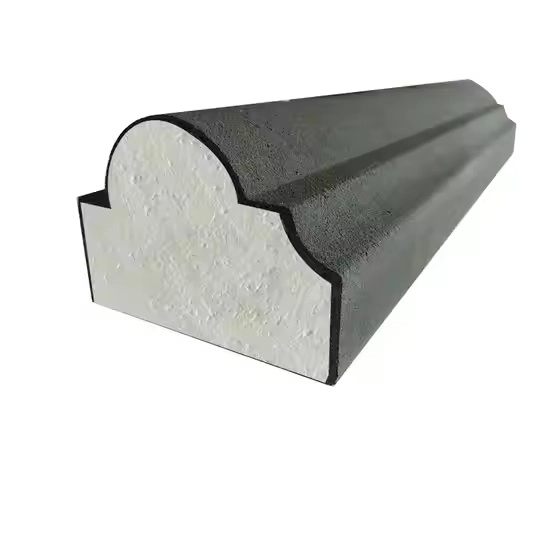
Ciertos productos EPS retardantes de llama conservan la reciclabilidad cuando los envases aditivos reciben una selección cuidadosa que tenga en cuenta tanto las normas regulatorias como la compatibilidad con el procesamiento. Una ilustración notable implica Grado retardante de llama - material FHE-N-HBCDque cumple con las directivas REACH y RoHS de la UE mientras protege la integridad de la estructura de las perlas durante las operaciones de reciclaje. Tales formulaciones abordan el conflicto convencional entre las obligaciones de seguridad contra incendios y la circularidad de los materiales.
¿Qué hace que REPS sea diferente de las rutas convencionales de reciclaje de EPS?
REPS reencamina la conversación sobre reciclaje cambiando el énfasis de la gestión de residuos hacia una planificación integral del ciclo de vida. En lugar de simplemente confirmar si el EPS puede someterse a reciclaje, el enfoque examina con qué frecuencia y bajo qué condiciones específicas la utilidad del material puede durar sin una rápida degradación.
¿Cómo mantiene el EPS reciclado el rendimiento estructural?
REPS depende principalmente de las técnicas de modificación física aplicadas durante la preparación del lote maestro en lugar de la reestructuración química. Este método reduce los niveles de emisión, protege la longitud de la cadena del polímero y ayuda a retener la resistencia al impacto mecánico. Como resultado, los materiales reciclados continúan proporcionando una resistencia aceptable en lugar de experimentar pronunciadas caídas de calidad.
¿Puede REPS soportar múltiples ciclos de reciclaje?
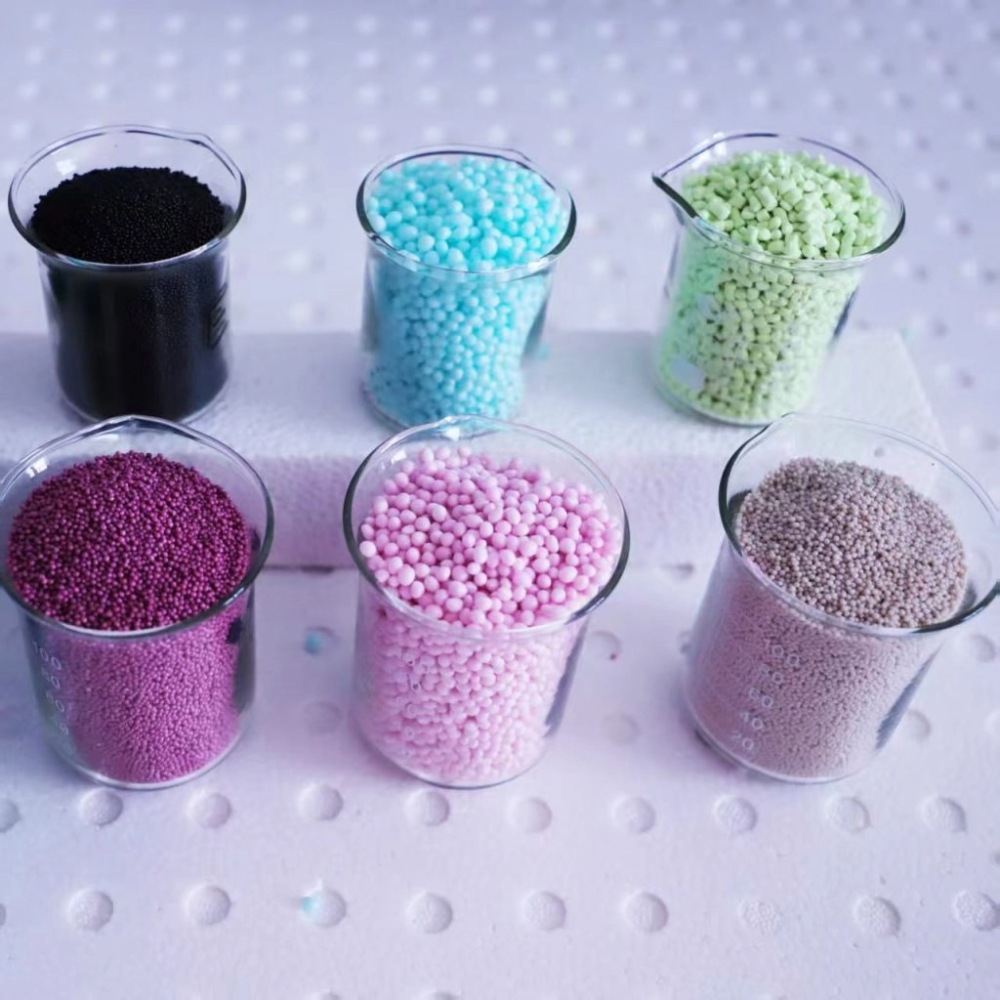
Múltiples ciclos de reutilización se vuelven factibles cuando el tamaño de partícula permanece estrictamente controlado y los parámetros de procesamiento son estables. Material de poliestireno reciclado REPS Se ha desarrollado específicamente para soportar etapas de granulación repetidas, reutilización interna y flujos de reciclaje internacionales bajo la clasificación PS categoría 6, que se asemeja a la capacidad del papel para soportar varias rondas de procesamiento con una reducción gradual en lugar de repentina de la calidad.
¿Cuándo empieza el EPS a comportarse como papel en sistemas reales?
El EPS comienza a mostrar un comportamiento comparable al papel solo cuando el reciclaje recibe tratamiento como una operación integrada de bucle cerrado. La formulación de materiales, la logística de transporte y los procesos de producción deben trabajar juntos en un mecanismo de retroalimentación continuo.
¿Qué papel desempeña la fabricación en circuito cerrado?
Las estructuras de bucle cerrado minimizan los riesgos de contaminación, mantienen una calidad de entrada constante y disminuyen el consumo general de energía. Cuando el reciclaje interno de chatarra post-industrial supera el noventa por ciento, las características del material se vuelven mucho más predecibles, lo que apoya la incorporación repetida y fiable.
¿El diseño para el reciclaje cambia la lógica de la adquisición?
Los compradores ahora enumeran la reciclabilidad entre los criterios de rendimiento esenciales en lugar de una ventaja complementaria. Los materiales utilizados en el envasado y el aislamiento que contribuyen a las evaluaciones ESG, el cumplimiento normativo para la exportación y la documentación transparente del ciclo de vida reciben cada vez más preferencia, incluso cuando suponen costes iniciales ligeramente más altos.
¿Por qué algunos productores de EPS están estructuralmente mejor posicionados que otros?
Las diferencias considerables entre los productores se derivan de diferentes prioridades estratégicas y tiempos de inversión. Las empresas centradas principalmente en la reducción inmediata de costos rara vez realizan rediseños fundamentales dirigidos a la reciclabilidad. Por el contrario, los productores que dedican recursos a la investigación avanzada de materiales, el modelado de procesos y el monitoreo digital establecen fortalezas competitivas duraderas.
¿Cómo funciona la I& ¿Reformar la sostenibilidad de EPS?
Las colecciones de datos de referencia de materiales, el sofisticado modelado de procesos y las tecnologías gemelas digitales permiten a los fabricantes predecir cómo las modificaciones en la etapa de formación de perlas influyen en el rendimiento de reciclaje posterior, reduciendo así la dependencia de ensayos físicos repetidos y acelerando el desarrollo de diseños de productos genuinamente circulares.
¿Qué separa el cambio impulsado por el cumplimiento del rediseño del sistema?
Los ajustes realizados únicamente para satisfacer la normativa vigente representan medidas reactivas. El rediseño integral del sistema, por el contrario, anticipa los requisitos futuros. El enfoque proactivo incorpora la reciclabilidad directamente en la lógica de fabricación principal en lugar de abordarla como una limitación externa.
¿Cómo es HUASHENG Reframing EPS reciclaje a nivel de fabricación?
HUASHENG destaca entre los fabricantes aplicando un pensamiento holístico a la reciclabilidad de EPS y se centra en el desarrollo coordinado de materiales y la producción interna en circuito cerrado. Nuestros esfuerzos en el desarrollo de REPS Los materiales priorizan los métodos de procesamiento físico, las características precisas de la forma de las perlas y la compatibilidad a través de ciclos de reciclaje repetidos.
En la etapa de producción, logramos la integración del reciclaje a través de equipos de compactación eficientes, sistemas de granulación en el sitio y técnicas de procesamiento eficientes en materia de energía. El modelado digital soporta valores de densidad estables, rendimiento de compresión fiable y propiedades térmicas consistentes incluso cuando las proporciones de contenido reciclado aumentan significativamente. Este marco operativo posiciona la reciclabilidad como un aspecto intrínseco de la fabricación, acercando de este modo notablemente el rendimiento de EPS al de los productos a base de fibra en entornos prácticos de reciclaje.
¿Qué deben preguntar los compradores antes de reclamar el reciclaje de EPS "como papel"?
Las declaraciones de marketing son simples de producir pero difíciles de probar. Los compradores se benefician más de examinar el comportamiento material demostrado en lugar de las etiquetas descriptivas.
¿Puede el material volver a entrar en producción sin penalidades de mezcla?
Los materiales circulares genuinos conservan propiedades funcionales sin mayores proporciones de resina virgen para compensar la pérdida de calidad. Cuando las proporciones de mezcla deben aumentar constantemente con cada ciclo, la reciclabilidad práctica sigue siendo limitada a pesar de las posibilidades teóricas.
¿El rendimiento del reciclaje está demostrado más allá de la escala piloto?
Los resultados obtenidos en entornos de laboratorio controlados no se traducen igualmente en fiabilidad industrial. La evidencia debe incluir volúmenes de procesamiento sostenidos documentados, porcentajes de reciclaje interno consistentemente altos y niveles de calidad estables mantenidos en múltiples ciclos de producción a escala completa.
Conclusión
El EPS posee el potencial de lograr características de reciclaje similares a las del papel, pero este resultado emerge solo cuando la reciclabilidad recibe una incorporación deliberada tanto en la composición del material como en los sistemas de producción desde las etapas iniciales del diseño. El elemento determinante no está en la mera posibilidad de reciclar, sino en la capacidad de mantener una circulación predecible, rentable y repetida.
Cuando la arquitectura de perlas, las opciones aditivas y las prácticas de fabricación en bucle cerrado reciben una alineación adecuada, EPS avanza significativamente hacia un rendimiento operativo similar al papel, no solo como una analogía conceptual sino como una realidad tangible dentro de los flujos de materiales existentes.
Preguntas frecuentes
Q1: ¿El reciclaje de EPS está limitado por la química de los materiales o el diseño del sistema?
R: El diseño del sistema ejerce la mayor influencia. La composición química establece límites fundamentales, mientras que los arreglos logísticos, los métodos de procesamiento y los canales de reutilización gobiernan en última instancia la viabilidad práctica.
Q2: ¿Puede el EPS retardante de llama apoyar los objetivos de la economía circular?
R: Ciertamente, las formulaciones proporcionadas emplean compuestos retardantes de llama no restringidos y la compatibilidad con el reciclaje recibe confirmación durante el desarrollo.
Q3: ¿El EPS reciclado siempre funciona peor que el material virgen?
R: No siempre. Las técnicas de procesamiento controlado combinadas con una cuidadosa gestión de partículas permiten al EPS reciclado conservar la resistencia al impacto y la consistencia dimensional a través de varios ciclos sucesivos.
 Spanish
  English
  German
  French
  Arabic