
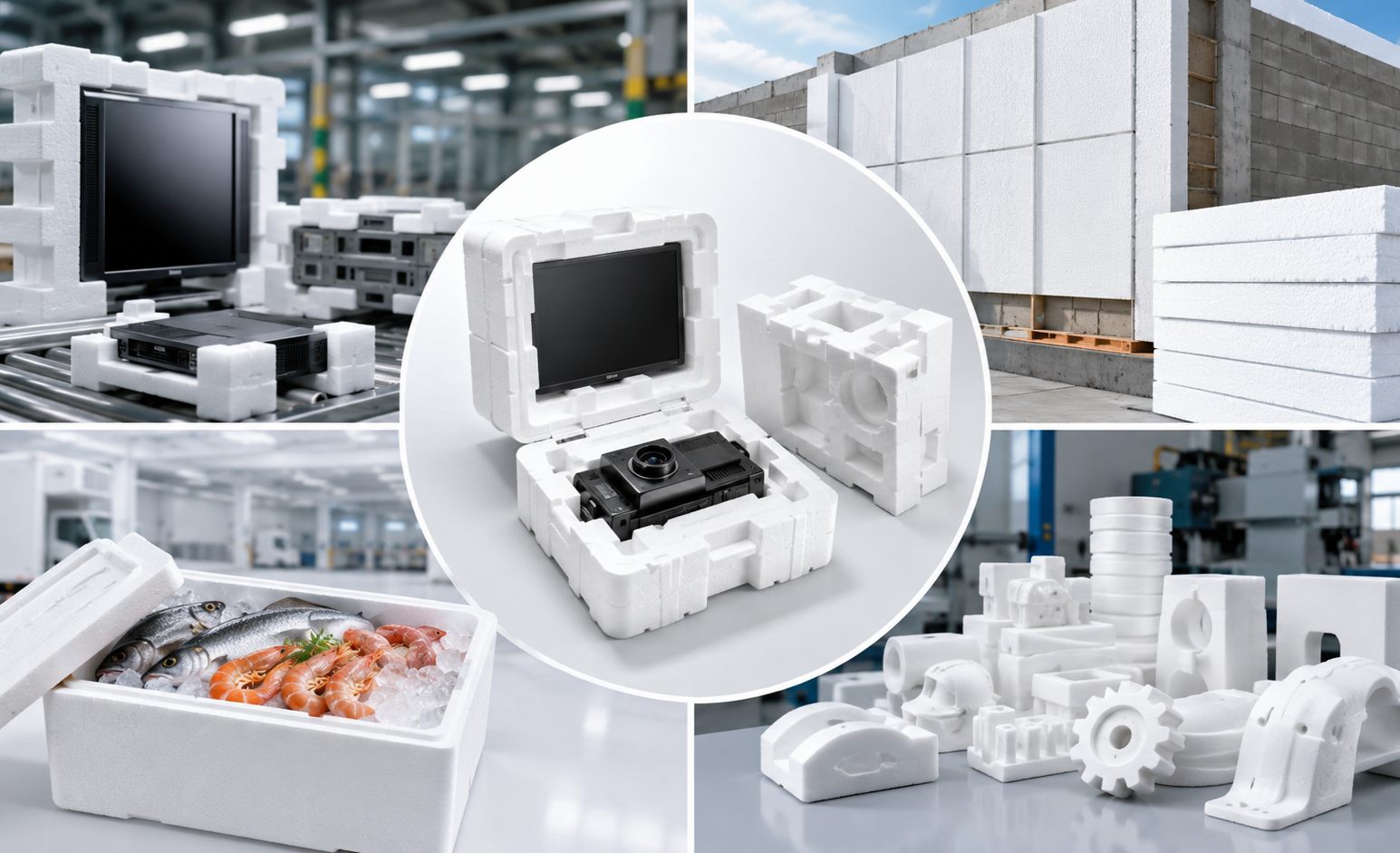
Espuma de EPS El moldeo cobra cada vez más importancia, ya que los compradores exigen envases y piezas que se ajusten a las formas reales de los productos, en lugar de simples bloques o láminas planas estándar. Para 2026, los proyectos de logística de cadena de frío, construcción, envasado de alimentos, protección sísmica y fabricación inteligente requerirán un mayor control dimensional.
Por qué el moldeo con espuma EPS se adapta a las necesidades de formas personalizadas en 2026.
A medida que diversas industrias se orientan hacia soluciones de embalaje más ecológicas y precisas, el moldeo de espuma EPS continúa evolucionando como una tecnología esencial para 2026. La gran flexibilidad, el bajo peso y la rentabilidad del material lo convierten en la opción ideal tanto para tareas de protección como para componentes estructurales.
Estructura moldeada para un ajuste perfecto del producto y un control óptimo del espacio.
Mediante métodos de moldeo precisos, el EPS permite crear formas complejas que se ajustan perfectamente a los contornos exactos del producto. Esto garantiza el máximo aprovechamiento del espacio en el embalaje, a la vez que mantiene una estructura muy resistente. Por ejemplo, el material de grado B para prototipado rápido presenta un tamaño de cordón uniforme y una gran resistencia al impacto. Esto lo convierte en una excelente opción para el embalaje de electrodomésticos e instrumentos delicados, donde un control dimensional estricto es fundamental.
Diseño ligero con protección estable.
El moldeo de espuma EPS ofrece la gran ventaja de ser extremadamente ligero sin perder resistencia. Para la industria del embalaje y el envío, protege los artículos de posibles daños causados por golpes repentinos, vibraciones intensas e impactos fuertes. Este equilibrio inteligente entre menor peso y gran protección reduce los costos de envío y facilita enormemente la manipulación en toda la red logística.
Ajuste de densidad y forma para diferentes necesidades de proyecto.
El diseño único de los equipos de producción de materia prima REPS permite la creación de partículas de tamaño multicapa. Los fabricantes pueden cambiar fácilmente los niveles de densidad para satisfacer necesidades específicas de rendimiento físico o térmico. Por ejemplo, Materiales EPS de grado extraligero P Proporcionan una alta capacidad de formación de espuma. Son ideales para paneles grandes o dispositivos flotantes. Por otro lado, los grados F de retardante de llama son adecuados para el aislamiento de edificios donde se aplican normas estrictas de seguridad contra incendios.
Aplicaciones del moldeo de espuma EPS en industrias clave
La gran flexibilidad del moldeo de espuma EPS permite su uso en numerosos sectores industriales. Cada sector se beneficia de sus excelentes propiedades aislantes, su gran capacidad de absorción de impactos y su fácil personalización.
Logística de la cadena de frío: Cajas moldeadas para el control de la temperatura
En la logística de la cadena de frío, el moldeo de espuma EPS se utiliza a menudo para producir cajas isotérmicas para mariscos, alimentos frescos, productos farmacéuticos y mercancías sensibles a la temperatura. La estructura moldeada ayuda a mantener estable el grosor de la pared, mejora el ajuste de la tapa y reduce la transferencia de calor durante el transporte. Caja de logística de cadena de frío FrostSafe Esto demuestra cómo las cajas de EPS moldeado pueden extender el tiempo de control de temperatura hasta 96 horas. Además, reduce la tasa de daños a la carga a tan solo un 0,3 %.
Sector de la construcción: Piezas de EPS con forma específica para aislamiento y relleno ligero.
En el ámbito del aislamiento de edificios, los productos de espuma EPS destacan notablemente. Estos materiales poseen unas propiedades de aislamiento térmico excepcionales, reduciendo eficazmente el consumo energético en los edificios. Las calidades ignífugas como FS o FSH se utilizan con frecuencia en proyectos de construcción que requieren una resistencia al fuego de nivel B1. Además, su resistencia a la compresión es más de un 20 % superior a la de los materiales estándar.
Materiales de construcción decorativos: perfiles y formas de superficie personalizados.
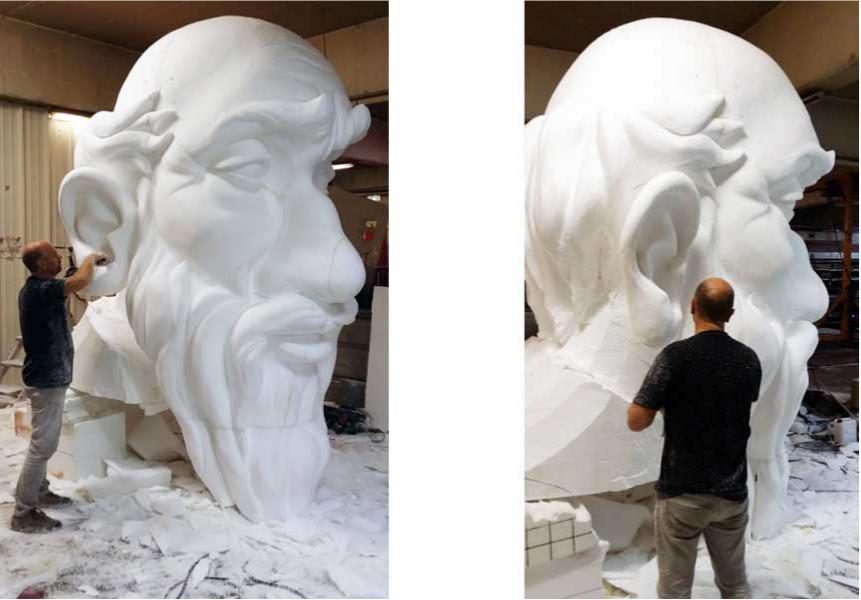
El moldeo con espuma EPS permite a los arquitectos crear elementos decorativos de gran calidad, como cornisas o piezas de fachada con detalles finos. Todo ello, manteniendo la carga sobre las estructuras del edificio al mínimo. La capacidad de moldear superficies muy lisas garantiza un acabado impecable sin necesidad de capas de acabado adicionales.
Industria alimentaria: Envases de EPS moldeados para el transporte de productos frescos.
La industria alimentaria depende en gran medida del embalaje de EPS para garantizar la higiene, la seguridad y la estabilidad térmica durante el transporte. Al ofrecer una sólida barrera térmica, estas cajas ayudan a mantener una temperatura interior constante durante todo el año, lo que reduce la necesidad de sistemas de calefacción y refrigeración intensivos. Asimismo, las cajas moldeadas utilizadas en la logística de alimentos frescos mantienen las condiciones internas estables para conservar la frescura durante más tiempo.
Embalaje sísmico: Estructuras de espuma ajustadas para protección contra impactos.
Los insertos moldeados de EPS funcionan bien como amortiguadores en sistemas de embalaje antisísmico. Son especialmente útiles para componentes electrónicos delicados o piezas de vidrio frágiles. Su gran capacidad de absorción de energía evita que las pequeñas vibraciones dañen los equipos sensibles durante el envío o la instalación.
Industria inteligente: EPS moldeado de precisión para electrónica y equipos.
En los espacios de fabricación inteligente, las piezas de EPS moldeadas con precisión protegen los sensores, las placas de circuitos o los módulos robóticos de las descargas electrostáticas o el estrés físico. REPS Los productos presentan una excelente resistencia al impacto y una gran robustez. Estas características los hacen ideales para proyectos de embalaje electrónico de alto valor. Dichos proyectos requieren una uniformidad de forma precisa en grandes lotes.
¿Qué hace que el moldeo de espuma EPS sea valioso para proyectos B2B?
Para los compradores B2B que gestionan grandes pedidos o trabajos de ingeniería a medida, el moldeo de espuma EPS ofrece claras ventajas prácticas que van mucho más allá del simple ahorro de costes.
Ofrece un ajuste mucho mejor para productos frágiles o de formas irregulares. Esto se logra mediante un diseño de moldes flexible, respaldado por herramientas digitales inteligentes, como el sistema de banco de genes de materiales de HUASHENG. Un menor peso de transporte implica un menor consumo de combustible por viaje. Este factor cobra cada vez más importancia según las normativas actuales de seguimiento de la huella de carbono de las empresas.
El control preciso de la forma garantiza la uniformidad en pedidos a granel. Esto es posible gracias a que las máquinas de conformado automatizadas mantienen límites estrictos durante cada ciclo. Además, los compradores pueden elegir entre una amplia variedad de materiales. Las opciones van desde tipos modificados con grafito que ofrecen un mejor aislamiento hasta versiones ignífugas. Esta variedad permite a los compradores seleccionar combinaciones que se ajusten a los objetivos de seguridad o sostenibilidad específicos de cada proyecto.
Factores clave que los compradores deben verificar antes de realizar pedidos de EPS personalizados
Al redactar los detalles de compra de espuma EPS, los compradores deben verificar varios puntos técnicos antes de confirmar los moldes o iniciar las series de producción.
Los planos del producto deben mostrar claramente los rangos de tolerancia exactos. Incluso pequeños cambios pueden afectar el ajuste del montaje o disminuir la capacidad de aislamiento. La densidad del material influye directamente en la resistencia a la compresión. Por lo tanto, probar muestras con diferentes densidades ayuda a encontrar la configuración óptima.
Los índices de aislamiento térmico (valores λ), la tasa de absorción de humedad y los niveles de resistencia al fuego (como B1/B2) determinan si el producto cumple con las normas de construcción locales o con los requisitos de exportación. Por ejemplo, la serie ignífuga FHE-N-HBCD de HUASHENG ya cumple con la normativa REACH de la UE.
La comprobación de muestras sigue siendo un paso fundamental antes de iniciar la producción en masa. Permite a los compradores verificar la calidad de la unión, la suavidad de la superficie y la estabilidad dimensional en condiciones de trabajo reales.
Cómo elegir un proveedor de moldeo de espuma EPS
Elegir un proveedor de confianza determina el éxito a largo plazo de un proyecto mucho más que cualquier característica individual del material.
Revisar la experiencia en el sector
Desde sus inicios, aprovechando la excelente ubicación de Lanzhou y sus abundantes recursos industriales, HUASHENG New Materials ha desarrollado una moderna línea de producción inteligente. Ha incorporado tecnología de espumado EPS de vanguardia y equipos de prueba de precisión. Esto garantiza que sus productos alcancen los más altos estándares de la industria en áreas clave como la uniformidad de la densidad, la resistencia a la compresión y el aislamiento térmico. Los compradores deben buscar proveedores con una amplia experiencia similar, respaldada por una sólida infraestructura de I+D.
Confirmar la capacidad de moldeo personalizado y la estabilidad de la producción.
Un proveedor fiable debe garantizar una calidad de producción constante, incluso a gran escala. El servicio integral de HUASHENG abarca desde el diseño del molde hasta la logística de entrega. Esto garantiza acabados puntuales que cumplen con las estrictas normas de la fábrica con certificación ISO.
Solicite datos de materiales, informes de pruebas y documentos de cumplimiento.
Solicite siempre documentación técnica como los informes de pruebas SGS ROHS/REACH o los informes de huella de carbono ISO 14067. Estos documentos demuestran que los niveles de seguridad ambiental se mantienen por debajo de 719 kg de CO₂e por tonelada de masterbatch reciclado.
Verifique la cantidad mínima de pedido (MOQ), el plazo de entrega, el embalaje para exportación y el soporte posventa.
Es muy importante hablar con claridad sobre las cantidades mínimas de pedido (MOQ), los tiempos de espera, las formas de embalaje para la exportación y la asistencia posventa. HUASHENG se compromete a... Solucionar cualquier problema en 24 horas. tras la entrega a través de su equipo de soporte de rápida respuesta.
Preguntas frecuentes
P1: ¿Cuál es el plazo de entrega habitual para pedidos de embalaje EPS personalizado al por mayor?
A1: El plazo de entrega varía según los detalles del molde, pero generalmente oscila entre dos y cuatro semanas después de la aprobación de la muestra. Proveedores como HUASHENG Mantener un flujo de producción constante mediante líneas de producción inteligentes, lo que garantiza la entrega a tiempo.
P2: ¿Cómo puedo comprobar si un proveedor de espuma EPS cumple con los estándares ecológicos?
A2: Solicite documentos oficiales como la Declaración de Verificación de la Huella de Carbono ISO 14067 o los certificados del Estándar Global de Reciclaje. Estos documentos demuestran que cumplen con las normas de abastecimiento sostenible para el contenido reciclado.
P3: ¿Puedo solicitar niveles de densidad personalizados o grados específicos de resistencia al fuego?
A3: Sí, por supuesto. Empresas como HUASHENG ofrecen numerosas opciones personalizadas gracias a sus avanzados sistemas de pruebas de procesos. Por ejemplo, su material ignífugo de grado F permite ajustar la densidad. Esto resulta ideal tanto para paneles aislantes en la construcción como para el embalaje de instrumentos delicados.
 Spanish
  English
  German
  French
  Arabic