
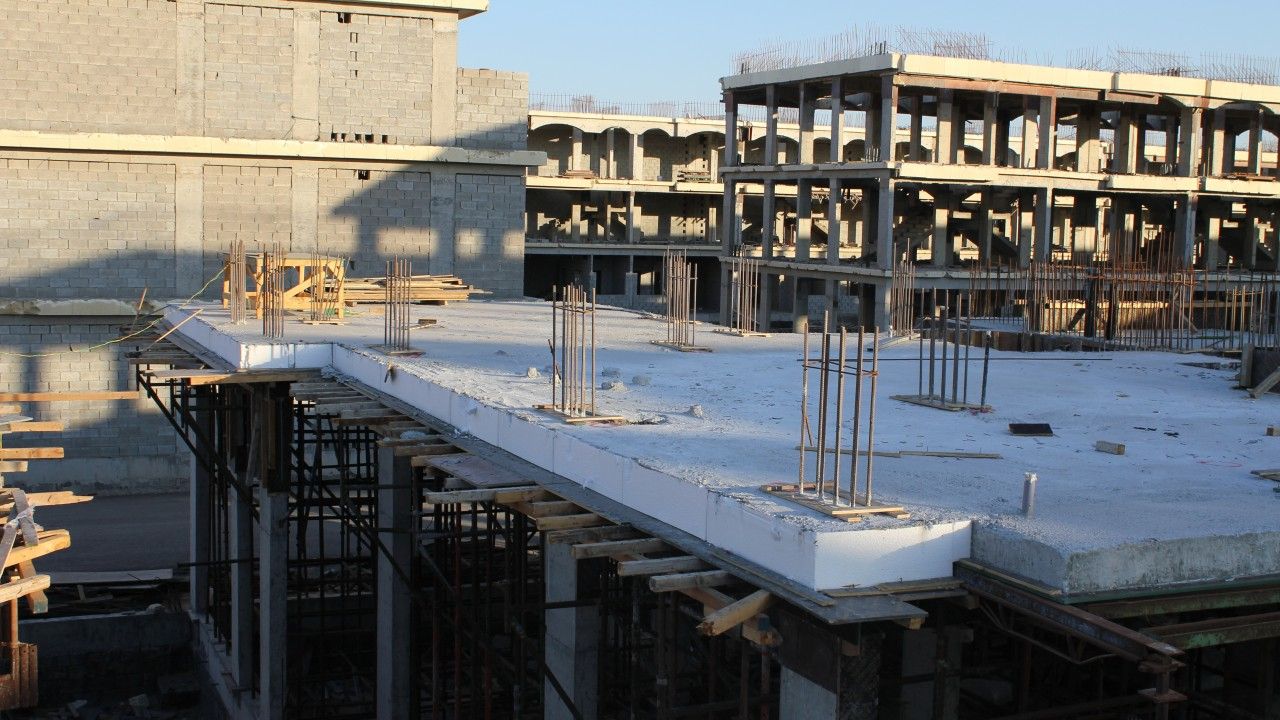
Constructores usan EPS(Poliestireno expandido) bloquea cada vez más para el aislamiento en estructuras. Estos bloques mezclan un diseño ligero, control de calor fiable y ventajas de ajuste sencillo. El trabajo de construcción ahora hace hincapié en ahorrar energía, mantener los gastos bajo control y asegurarse de que los materiales se mantengan con el tiempo. Por esa razón, la placa de espuma sirve como una opción sólida para paredes, techos, pisos y sistemas preconstruidos.
El creciente papel de la placa de espuma en la construcción moderna
La placa de espuma para aislamiento es un elemento clave en los actuales planes de construcción verde. Proporciona un diseño ligero, buen ahorro de calor y usos amplios, lo que lo hace esencial para las construcciones de hogares y oficinas.
Comprender los materiales y la composición de la placa de espuma
Las placas de EPS consisten en perlas de poliestireno de celdas cerradas expandidas por vapor y presión en paneles firmes con fuertes características de aislamiento. Incluso la densidad, la potencia de prensado y la resistencia al calor son los principales factores que afectan su rendimiento. El EPS generalmente tiene densidades de 10-35 kg/m³ y resistencias a la prensado de 70-250 kPa, por lo que funciona bien para transportar cargas como tapas de pared o aislamiento de base.
Cuando se compara con placas de poliestireno extruido (XPS) y poliuretano, EPS ofrece una mezcla justa de bajo precio, paso de vapor y capacidad de reciclaje. XPS da un poco mejores valores R por pulgada, pero daña más el medio ambiente debido a sus gases de expansión. Y las espumas de poliuretano proporcionan mejores resultados térmicos en general, pero no se resisten tan bien al contacto húmedo prolongado.
Por qué la placa de espuma está ganando popularidad en las tendencias de la construcción de 2026
El cambio mundial a las construcciones de ahorro de energía ha impulsado la absorción de placas de espuma. Los gobiernos de todo el planeta están haciendo más estrictas las normas de construcción para pedir un mejor aislamiento externo que reduzca la liberación de carbono.
Las placas de espuma ligeras facilitan el manejo y la configuración al tiempo que mantienen una sólida resistencia de construcción, perfectas para los sistemas de módulos prefabricados que verán un uso más amplio en el trabajo de 2026. Además, los avances en la tecnología de moldeo automático han mejorado la precisión del tamaño y la estabilidad en la realización de carreras, lo que reduce los residuos en la etapa de montaje.
Eficiencia energética a través de espuma de aislamiento térmico
Espuma de aislamiento térmico demuestra ser eficaz al cortar el movimiento de calor en un edificio’ la carcasa externa a través del contacto directo y las trayectorias de corriente de aire.
La ciencia detrás del rendimiento del aislamiento térmico
La configuración de celda cerrada de la espuma EPS mantiene el aire en pequeños espacios que bloquean el paso del calor. Red microporosa tridimensional a través de tecnología de tejido direccional de cadena molecular simulada por computación cuántica. Esta configuración aumenta la potencia de prensado en una buena cantidad y disminuye el caudal de calor en casi la mitad en comparación con las espumas estándar. A su vez, los valores de R permanecen estables incluso con cambios repetidos de calor o humedad, un punto importante para el ahorro duradero de energía en áreas con bruscos cambios climáticos por estación.
Integración de espuma aislante térmico en envolturas de edificios
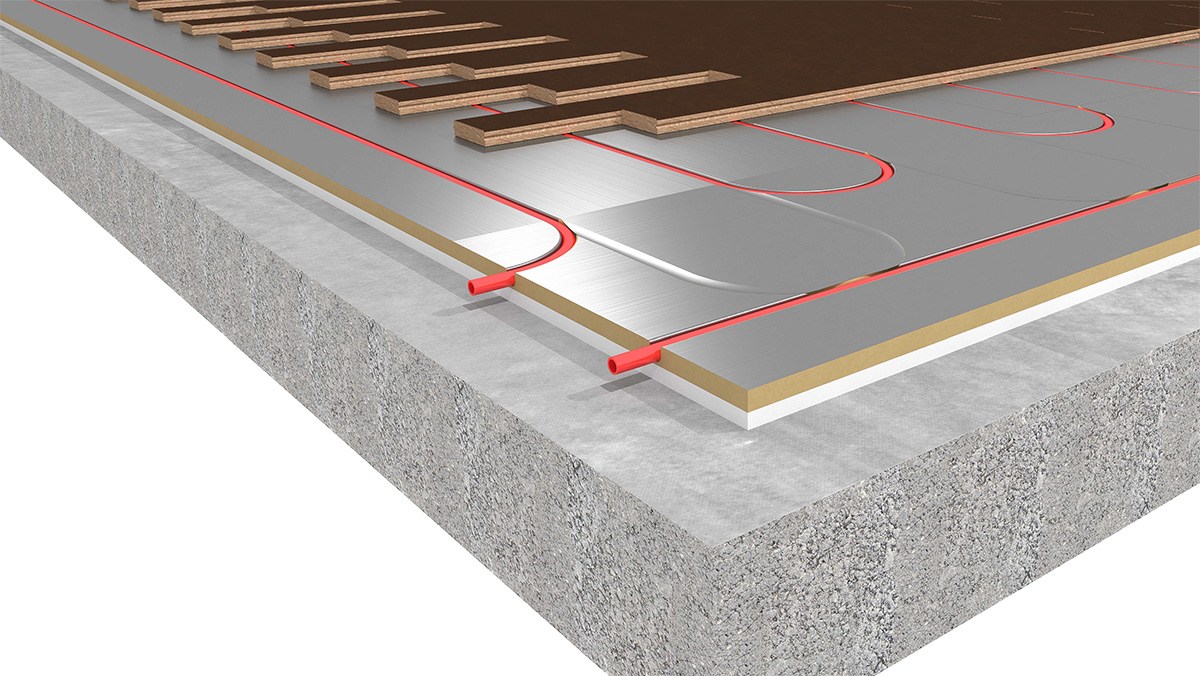
Puede colocar placas de espuma de aislamiento térmico en paredes, techos, pisos o bases para mantener los niveles de calor dentro incluso todo el año. Se unen sin problemas con láminas impermeables y configuraciones frontales sin dañar la construcción’ fuerza del núcleo. Estos productos poseen excelentes capacidades de aislamiento térmico, reduciendo efectivamente el consumo de energía en los edificios. Al reducir las cargas en las unidades de calefacción y refrigeración, reducen los costos de funcionamiento de inmediato y aumentan la comodidad para los que están dentro.
Los bloques EPS como una opción de material de construcción sostenible
Las normas verdes ahora dan forma a cómo el campo de la construcción elige materiales. Los bloques EPS ofrecen una opción consciente de la naturaleza gracias a su potencial de reutilización y su pequeña marca de carbono en la producción. En este sentido, la contribución de HUASHENG No se puede subestimar. Reciclan 300.000 toneladas de EPS anualmente, ahorrando 1.500.000 toneladas de crudo y 1.200.000 toneladas de dióxido de carbono.
Además de las ventajas de la naturaleza, los bloques EPS se agregan a la construcción’ s marco cuando sirve como encofrado de hormigón aislante (ICF). Sus formas de unión mejoran el reparto de peso mientras frenan la entrada de agua. Por lo tanto, las estructuras muestran tiempos de uso más largos con menos necesidades de mantenimiento.
Innovaciones tecnológicas impulsando el desarrollo de placas de espuma en 2026
Los pasos técnicos siguen remodelando cómo se construyen y usan los artículos de placa de espuma en las redes de construcción.
Avances en la fabricación inteligente y la ingeniería de precisión
Las máquinas ahora manejan cada parte, desde el ajuste temprano del crecimiento hasta los cortes CNC, asegurando que los paneles se mantengan dentro de límites de tamaño cercanos. Las simulaciones avanzadas de ingeniería asistida por computadora (CAE) permiten soluciones de espuma EPS optimizadas con precisión que maximizan la eficiencia al tiempo que minimizan el impacto ambiental. La vinculación a las herramientas de Modelado de Información de Edificio (BIM) permite a los diseñadores probar la potencia de salida antes de comenzar la configuración, ajustando las cantidades de material para adaptarse a los detalles de cada trabajo.
Los sistemas de verificación integrados en los laboratorios gemelos digitales permiten el seguimiento en vivo de los cambios de densidad o la detección de defectos, lo que garantiza que cada carrera cumpla con los estrictos estándares de calor establecidos por los métodos aprobados por ISO 14067: 2018.
Sistemas híbridos que combinan placas de espuma con otros materiales
Los paneles mixtos que unen los centros de espuma con capas de resplandor o películas de bloqueo de sonido marcan el borde que viene en las carcasas externas de múltiples tareas. Estas construcciones mejoran no solo la conservación de calor, sino también el bloqueo de ruido y los rasgos de guardia de incendios necesarios para el crecimiento de la ciudad. Por ejemplo, EPS modificado con grafito como S-33 Grafito Poliestireno (Método de Extrusión) logra hasta un 25% mejor eficiencia de aislamiento que el EPS estándar debido a la reflexión infrarroja de partículas de grafito incrustadas.
Tales innovaciones también soportan métodos de prefabricación modulares en los que las secciones de pared preaisladas aceleran los tiempos de montaje en el sitio sin sacrificar el control de calidad.
Ventajas económicas y operacionales para constructores y desarrolladores
Tomar mejores opciones de placa de espuma trae ganancias de dinero claras a través de una estructura’ Run completo.
Los costos de compra inicial pueden ser más altos que los aisladores antiguos; Sin embargo, los ahorros de menores necesidades de calor y frío pronto cubrirán ese gasto. Al proporcionar una barrera térmica fiable, ayudan a mantener temperaturas interiores cómodas durante todo el año. Además, las propiedades resistentes a la humedad evitan la degradación durante décadas, minimizando los gastos de reparación comunes en sistemas de lana mineral o fibra de vidrio.
La facilidad de corte y montaje de las placas de espuma reduce las horas de trabajo durante las fases de instalación en hasta un 30%. La compatibilidad con componentes prefabricados simplifica aún más los flujos de trabajo al tiempo que disminuye el desperdicio de materiales en el sitio, un KPI creciente bajo marcos de adquisiciones sostenibles.
Perspectivas del futuro: el lugar de la placa de espuma en la arquitectura eficiente en energía más allá de 2026
El camino hacia estructuras de potencia neta cero garantiza una necesidad continua de aislamiento fuerte como las placas de espuma basadas en EPS.
A medida que las normas mundiales cambien hacia directrices más firmes sobre calor, especialmente en Europa y Asia-Pacífico, los fabricantes que invierten dinero en polímeros a base de plantas o fuentes reutilizadas tendrán una ventaja. Los esfuerzos de investigación buscan recogidas frescas de aceites vegetales o polímeros de descomposición que mantienen, como, la resistencia pero terminan la dependencia química del aceite.
Mezclas mejoradas contra incendios sin complementos dañinos combinarán mejor estos artículos con las reglas de diseño conscientes de la salud requeridas por leyes posteriores. Los sensores inteligentes pronto podrían permitir comprobaciones en vivo de las pendientes de calor de la pared o las cantidades de humedad en puntos aislados, un gran paso hacia frentes inteligentes y cambiantes hechos con elementos reactivos.
Preguntas frecuentes
Q1: ¿Qué hace que las placas de espuma EPS sean más eficientes energéticamente que otros aislantes?
A1: Su estructura de células cerradas minimiza la pérdida de calor conductor mientras mantiene valores de R estables a lo largo del tiempo; Los tipos mejorados con grafito mejoran aún más la reflectividad para un rendimiento superior en todos los climas.
Q2: ¿Son los bloques EPS modernos respetuosos con el medio ambiente?
A2: Sí. Son reciclables múltiples veces a través de sistemas avanzados de recuperación que reducen las emisiones del ciclo de vida en más del 70%, cumpliendo con las normas de la Directiva de Embalaje de la UE 94/62/CE sobre plásticos reciclados.
Q3: ¿Dónde puedo encontrar espuma de aislamiento térmico de alta calidad adecuada para la construcción sostenible?
A3: Los constructores que buscan opciones ecológicas certificadas pueden explorar productos como los desarrollados por HUASHENG, cuya REPS La serie combina una fabricación de baja huella de carbono con una excepcional resistencia a la compresión ideal para aplicaciones de arquitectura ecológica.
 Spanish
  English
  German
  French
  Arabic