
Hoy’ En el mundo de la construcción, mantener los materiales seguros importa tanto como lo bien que funcionan y cuánto cuestan. Las personas que construyen y diseñan a menudo revisan las cosas de aislamiento muy de cerca antes de escogerlas para trabajos fuertes o de mantenimiento de calor. Para entender mejor su lugar, ayuda a ver qué es la espuma de poliestireno expandido, además, ayuda a aprender por qué se utiliza tanto en la construcción.
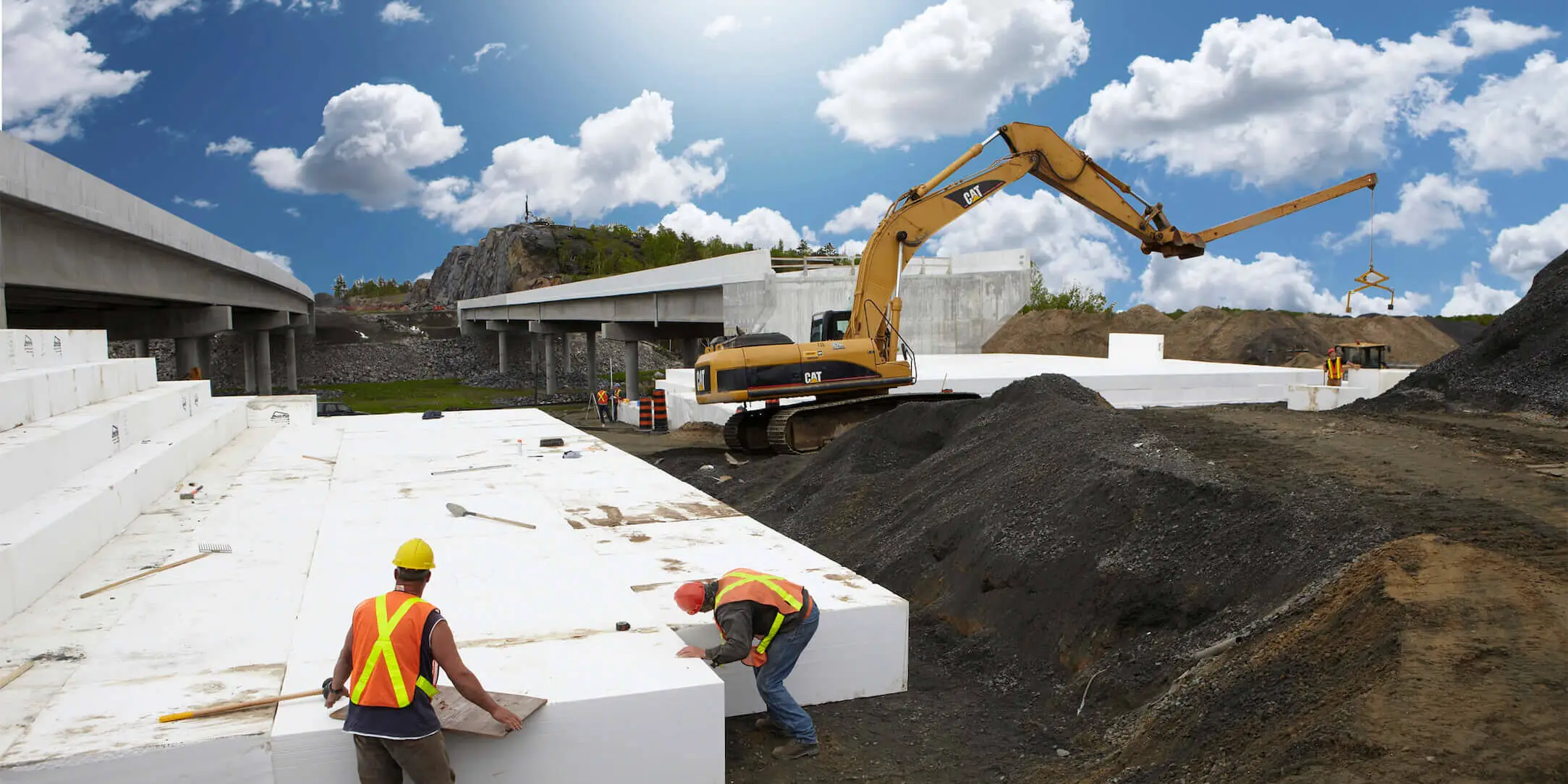
¿Qué es la espuma de poliestireno expandido y por qué se usa en la construcción?
Espuma de poliestireno expandido (EPS) se ha convertido en un elemento clave en nuevos edificios debido a su mezcla especial de peso ligero, bloqueo térmico y bajo precio. A medida que se observan las materias de construcción verdes y fuertes, el EPS resulta muy flexible y estable en muchos usos.
Explorando las propiedades de la espuma de poliestireno expandido
La espuma de poliestireno expandido consiste en aproximadamente el 98% de aire, lo que la hace muy ligera mientras ayuda a mantener el calor dentro o fuera. Su construcción como una burbuja mantiene el aire en bolsillos sellados, por lo que reduce el calor que se mueve a través y da una sólida protección contra la pérdida de calor. Debido a que absorbe muy poco agua, se resisten bien a los daños de la humedad y funciona bien durante mucho tiempo, incluso en condiciones húmedas o cambiantes.
Las cosas’ Su capacidad para manejar grandes cambios en el calor agrega más puntos buenos para usarlo en paredes, techos y pisos. Mantiene su tamaño constante cuando se empuja. Y no se rompe rápidamente a medida que pasa el tiempo.
Beneficios del aislamiento de espuma de poliestireno en edificios
El aislamiento de espuma de poliestireno proporciona un control térmico de primera clase que ayuda a mantener las temperaturas interiores incluso durante todo el año. Debido a esto, reduce la necesidad de sistemas de calor o refrigeración. La gente usa menos energía y ahorra dinero. ¿Qué’ Además, el aislamiento EPS ayuda a hacer que los espacios interiores sean más saludables. Lucha contra el crecimiento del moho y impide que se acumulen gotas de agua.
En el área de bloqueo térmico de edificios, Espuma EPS de HUASHENG artículos hacen muy bien. Estos artículos tienen grandes habilidades de mantenimiento de calor, por lo que reducen el uso de energía en los edificios en una gran cantidad. Mantienen los puntos interiores cómodos, y también ayudan a reducir las emisiones de gases malos a través de un mejor ahorro de energía.
¿Qué tan segura es la espuma de poliestireno expandido para aplicaciones de construcción?
Cuando se piensa en EPS para la construcción de empleos, las preocupaciones sobre los riesgos de incendios y los efectos de la naturaleza a menudo vienen primero. Pero nuevas formas de hacer han crecido para solucionar ambos problemas bien.
Evaluación de la seguridad contra incendios de los materiales EPS
EPS sin tratamiento puede prender fuego. Sin embargo, las nuevas mezclas ahora agregan cosas de parada de incendios que se ajustan a las estrictas reglas del mundo. Las leyes de construcción generalmente solicitan artículos con grados de incendio como la clase B1 o B2 bajo las reglas GB8624-2012. Los tipos de EPS resistentes al fuego se hacen con tamaños de cuentas uniformes. Esto conduce a una formación constante de burbujas y una mejor adherencia durante el moldeo.
Grado retardante de llama F Ha pasado por el Laboratorio de Ensayos de Seguridad de los Estados Unidos (UL). El número de cheque de papel es E360952. Tales controles aseguran que los artículos tratados de EPS apagan su propio fuego cuando están cerca de fuentes de calor. Para necesidades con aún más seguridad, como en casas que ahorran energía a propósito, los tipos cargados con grafito dan una mejor resistencia al fuego. Y mantienen un bajo flujo de calor por debajo de 0,033 W/m. ·K.
Evaluación del impacto ambiental de EPS en la construcción
El EPS no se descompone en la naturaleza, pero puede reutilizarse muchas veces. Al usar máquinas o formas químicas para reutilizarla, la vieja espuma se convierte en nuevos artículos sin perder su fuerza de construcción. Su lado bueno para la naturaleza no sólo proviene de ser reutilizable, sino también de ahorrar energía a través de un edificio’ vida completa de uso.
HUASHENG reutiliza 300.000 toneladas de EPS cada año, lo que ahorra 1.500.000 toneladas de petróleo crudo y 1.200.000 toneladas de dióxido de carbono. Su configuración de fabricación en bucle cerrado obtiene más del 95% de reutilización de residuos, mientras que también reduce el uso de energía en un 30%. Esto muestra cómo la nueva fabricación de EPS puede encajar con los objetivos verdes del mundo al reducir las marcas de carbono a través de la ruta de suministro completa.
¿Puede la espuma de poliestireno expandido mejorar la integridad estructural?
Aunque funciona principalmente como bloqueador de calor y no como soporte de peso, la espuma de poliestireno expandido ayuda a aumentar toda la resistencia de la construcción. Hace esto cuando se mezcla en sistemas unidos.
El papel del EPS en aplicaciones de rodamientos de carga
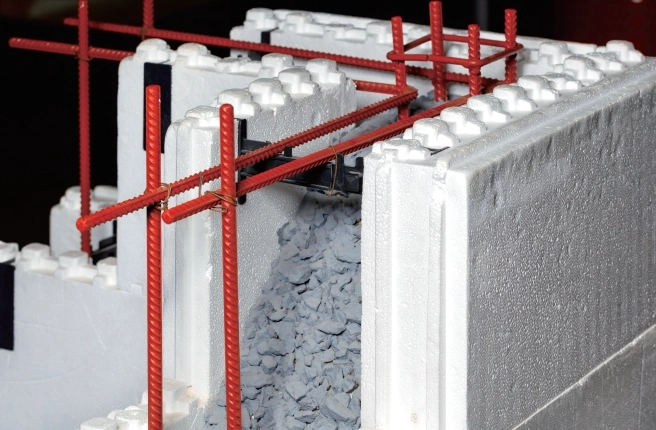
Las tablas de EPS se pueden agregar dentro de marcos de hormigón o metal fuertes, lo que crea tablas de pared mantenidas al calor o construcciones en capas. Estas configuraciones le permiten obtener tanto energía como protección contra el calor sin agregar demasiado peso. Los tipos gruesos pueden ofrecer resistencia a la retrocesión de más de 5 MPa, lo que es suficiente para muchos trabajos sin peso mientras se mantiene útil. Por ejemplo, se adaptan a capas de calor por suelo o interiores de paredes preparados.
Al mezclar construcciones duras con usos de diseño flexible, EPS permite a los planificadores y constructores hacer el mejor uso de las cosas. Y siguen construyendo niveles de seguridad.
¿Cómo contribuye el EPS a la longevidad?
La entrada de agua es una gran razón por la que los edificios empeoran con el tiempo. La espuma de poliestireno expandido lucha contra la absorción de agua, que es inferior al 0,5%. Por lo tanto, protege las partes interiores de la humedad y la oxidación. Al mantener los edificios a salvo del agua y los cambios de calor salvaje, la espuma de poliestireno expandido hace que las estructuras duren más tiempo. Su fuerte construcción reduce el trabajo de reparación y se asegura de un trabajo constante durante muchos años de uso. Estos son los principales beneficios para los planes de construcción verde que quieren un buen dinero de vuelta con el tiempo.
¿Cómo hace HUASHENG’ ¿El producto destaca en el mercado?
Para ver realmente cómo las nuevas ideas impulsan un uso más seguro de las cosas de EPS ahora, piense en un proveedor que cambie esta área. Eso es HUASHENG. Destaca por mezclar el cuidado de la naturaleza con la tecnología de punta.
Presentando HUASHENG’ Soluciones innovadoras para la construcción
HUASHENG es una empresa centrada en la tecnología que trabaja en el estudio, fabricación y venta de espuma de poliestireno expandible (EPS), y su objetivo es “reducir la carga sobre la tierra”. La firma ha establecido líneas de fabricación inteligentes con sistemas de comprobación exactos, que garantizan la máxima uniformidad en la densidad, la resistencia al empuje y el trabajo de bloques térmicos.
Sus artículos cubren el tipo normal, el tipo antiincendio, el tipo cambiado por grafito y el tipo natural sin HBCD. Todo comprobado bajo ISO 14067: Prueba de marca de carbono 2018 en solo 719 kg CO₂ e por tonelada fabricada. La configuración de “tres circulaciones” de la compañía obtiene casi la reutilización completa de residuos. Además, reduce las emisiones de gas de fábrica en más del 85% para 2026. Esto marca la fabricación inteligente verde en todo el mundo.
¿Hay alternativas a la espuma de poliestireno expandido en la construcción?
Existen otras cosas, como fibra de vidrio o lana de roca. Pero vale la pena comprobar sus rasgos frente a los de espuma de poliestireno expandido antes de elegir.
Comparación de EPS con otros materiales aislantes
La fibra de vidrio proporciona un buen bloqueo de ruido, pero puede pesar más y puede ser más difícil de poner sin riesgo, porque sus fibras pueden molestar la piel cuando se toca. La lana de roca tiene la máxima resistencia al fuego, pero a menudo cuesta más por metro cuadrado que las tablas de EPS. Por otro lado, la espuma de poliestireno expandido mezcla bajo costo con fácil conformación justo en el sitio. Puedes usar herramientas de corte básicas o formas para esto.
Dado que viene en muchos niveles, desde tablas súper ligeras hasta gruesas contra incendios, puede ajustarse a cada trabajo justo. Y no pierdes calidad ni ahorras dinero.
¿Por qué elegir EPS sobre otros materiales?
Puede elegir espuma de poliestireno expandido porque coincide con un bajo costo con una construcción fuerte mostrada a lo largo de muchos años. Su fácil ajuste le permite unir viejos sistemas de piedra y nuevas piezas listas.
Preguntas frecuentes
P: ¿Es la espuma de poliestireno expandido respetuosa con el medio ambiente?
R: Aunque no son biodegradables, los métodos de producción modernos permiten un reciclaje eficiente que reduce drásticamente la generación de residuos; Algunas instalaciones logran tasas de reutilización de más del 95% a través de sistemas de fabricación de circuito cerrado.
P: ¿Se puede usar espuma de poliestireno expandido de forma segura en todos los climas?
R: Sí. Su estructura celular estable mantiene un rendimiento aislante consistente en condiciones extremas de frío o calor sin deformación o absorción de humedad.
P: ¿Cómo garantiza HUASHENG el control de calidad en toda su gama de productos?
R: La empresa emplea tecnología de espuma avanzada junto con equipos de prueba de precisión, lo que garantiza métricas líderes en la industria como la uniformidad de la densidad y el cumplimiento de la resistencia a la compresión verificados a través de las certificaciones de SGS (REACH / ROHS).
 Spanish
  English
  German
  French
  Arabic