
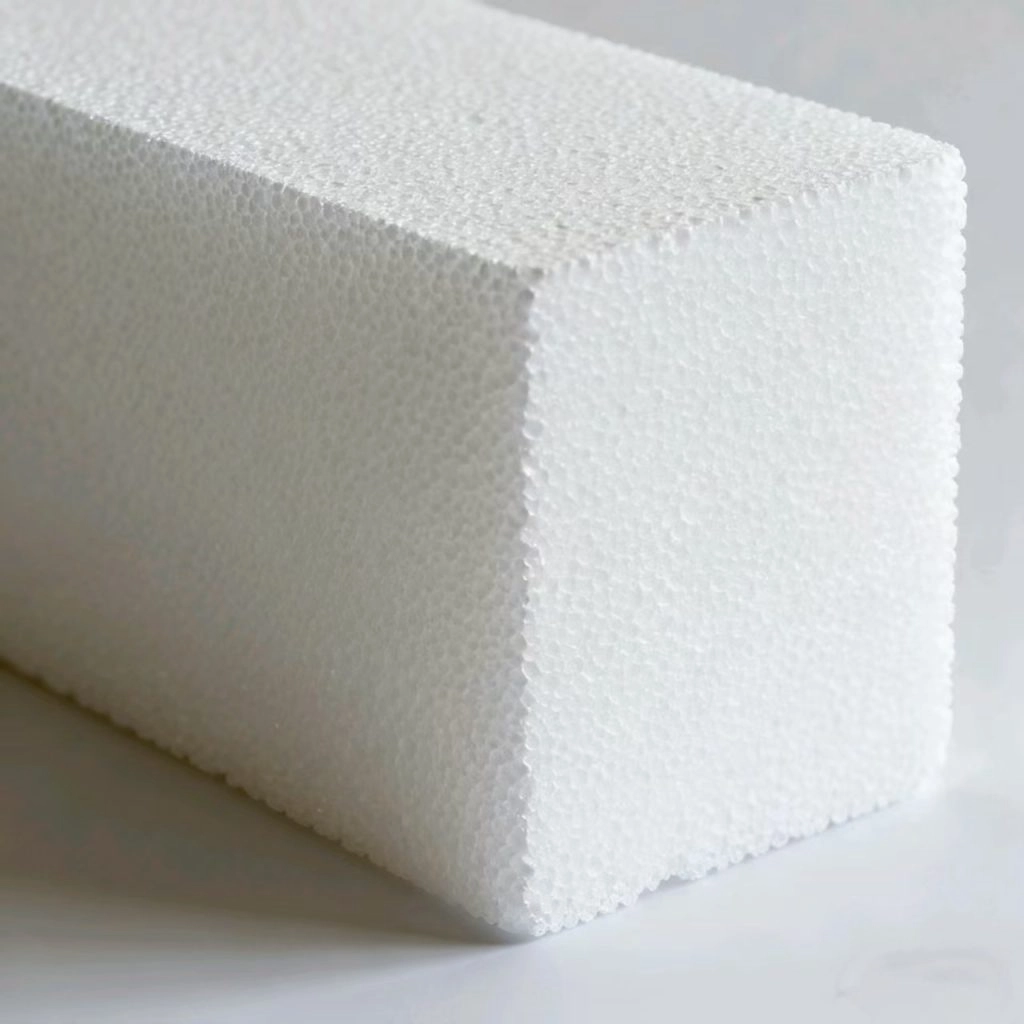
EPS foam recovery continues to advance through mechanical and chemical approaches, circular production methods, and continuous development of material technology, which support wider industrial reuse. However, issues with collecting materials, transportation expenses, and missing facilities continue to restrict broad implementation, while future gains will rely on governmental backing, technical improvement, and better coordination across supply networks.
Why Has EPS Foam Recovery Become a Strategic Issue for Modern Industries?
Expanded polystyrene has long served the insulation, packaging, and logistics sectors, but its management after use now influences overall sustainability plans. Increasing rules, goals for reducing carbon emissions, and aims for better resource use compel industries to view foam waste as a valuable, recoverable resource instead of something to discard.
The core difficulty no longer centers on the feasibility of recycling, but rather on whether collection and processing systems can function effectively at a large industrial level. Effective recovery directly impacts expenses for materials, risks of regulations, and promises of sustainable branding in areas like building, cold chain logistics, and everyday packaging.
What Drives the Growing Demand for EPS Recycling?
Multiple fundamental factors currently encourage greater adoption of recycling practices. Needs for packaging rise, and online shopping expansion and global food supply chains, generating a great amount of used foam from consumers. Upgrading building insulation during renovations also creates considerable demolition debris that requires proper handling.
Meanwhile, restrictions on landfills grow stricter globally. Supply networks face greater examination of environmental, social, and governance standards, while fluctuations in raw material prices heighten supply risks. Thus, recycling operations serve not just as environmental measures but also as economic protections.
Why Is EPS Still Difficult to Recycle at Scale?
Even with clear incentives, achieving widespread recovery poses ongoing difficulties. The material’s high volume of trapped air makes movement inefficient unless densely compressed beforehand. Discarded streams frequently contain food remnants or combined substances, which hinder effective separation.
Local waste gathering arrangements differ considerably, and the expense of moving materials often surpasses the worth of reclaimed substance. A lot of areas still miss widely distributed compression tools, leading to extended shipping distances that undermine overall viability. Such inherent obstacles account for the uneven spread of recovery efforts among various regions.
Which Technical Routes Are Improving EPS Foam Recovery Today?
Ongoing innovations in technology now deliver greater effectiveness in recovery, superior material cleanliness, and expanded possibilities for subsequent applications. Modern systems increasingly combine compression, separation, and polymer renewal to boost overall circular performance.
How Does Mechanical Recycling Improve Circular Usage?
Mechanical processing stands as the primary technique wherever suitable collecting systems exist. Waste foam undergoes densification, grinding, melting, and conversion into pellets suitable for fresh production.
Contemporary densification equipment substantially decreases bulk, thereby lowering shipping expenses and associated emissions. In advanced facilities handling post-industrial waste, recovery rates frequently surpass 95%, and the energy needed to create recycled content stays markedly below that required for original resin output. Across numerous packaging and insulation purposes, this approach already satisfies necessary quality standards.
Can Chemical Recycling Solve Contamination Problems?
Chemical methods provide valuable support and mechanical efforts, particularly when impurities block direct reprocessing. Techniques involving dissolution help restore original polymer characteristics, while pyrolysis transforms discarded material into pure monomers ideal for producing new resin.
These processes enable handling of blended or heavily soiled foam sources. Still, substantial initial funding, operational intricacy, and energy demands presently limit wide adoption. Consequently, chemical pathways function mainly as an additional option rather than a full substitute.
How Are Circular Manufacturing Models Changing EPS Production?
Simply relying on efficient recovery can not achieve true circular production, and the production system itself should shift away from traditional linear patterns. Facilities increasingly incorporate reclaimed content straight into fresh output while upholding required product qualities.
How Does Recycled EPS Maintain Performance Standards?
Progress in bead formulation and fabrication techniques permits recycled variants to retain consistent density and reliable molding behavior. Key properties such as compressive capability and thermal insulation now align closely with those of virgin equivalents in various contexts.
Rigorous inspection protocols ensure steady bead bonding, precise sizes, and strong resistance to impacts, allowing recycled EPS to fulfill roles in building insulation, protective packaging, and industrial parts without compromising safety or longevity.
Why Does Closed-Loop Manufacturing Matter for Cost Control?
Closed-loop arrangements recycle internal production scraps, decreasing reliance on fresh raw inputs. Shorter regional recycling paths minimize transport needs and help stabilize acquisition expenses.
Energy usage also drops through repeated cycles, enhancing overall operational effectiveness. For producers dealing with unpredictable raw material costs, these circular frameworks deliver both ecological benefits and economic stability.
How Do Advanced Material Grades Support Sustainable EPS Applications?
Engineering advancements further aid recovery efforts by developing items designed for easier recycling while preserving essential safety and functional attributes.
Which Flame-Retardant Recycled Materials Support Building Safety?
In construction, maintaining flame resistance remains essential. Environment-friendly alternatives like flame retardant grade-FHE-N-HBCD enable strong insulation capabilities and compatibility with recovery processes. Such innovations can meet fire safety requirements and ecological standards, permitting insulation systems to satisfy both performance demands and sustainability goals.
These achievements demonstrate that materials suitable for recycling no longer demand trade-offs in building protection or structural integrity.
How Can Recycled EPS Support Customized Industrial Applications?
Recovery becomes more viable when reclaimed substances address specialized needs beyond basic low-grade uses. Current techniques allow recycled EPS to fulfill exacting specifications.
Can Recycled EPS Meet Precision Packaging Needs?
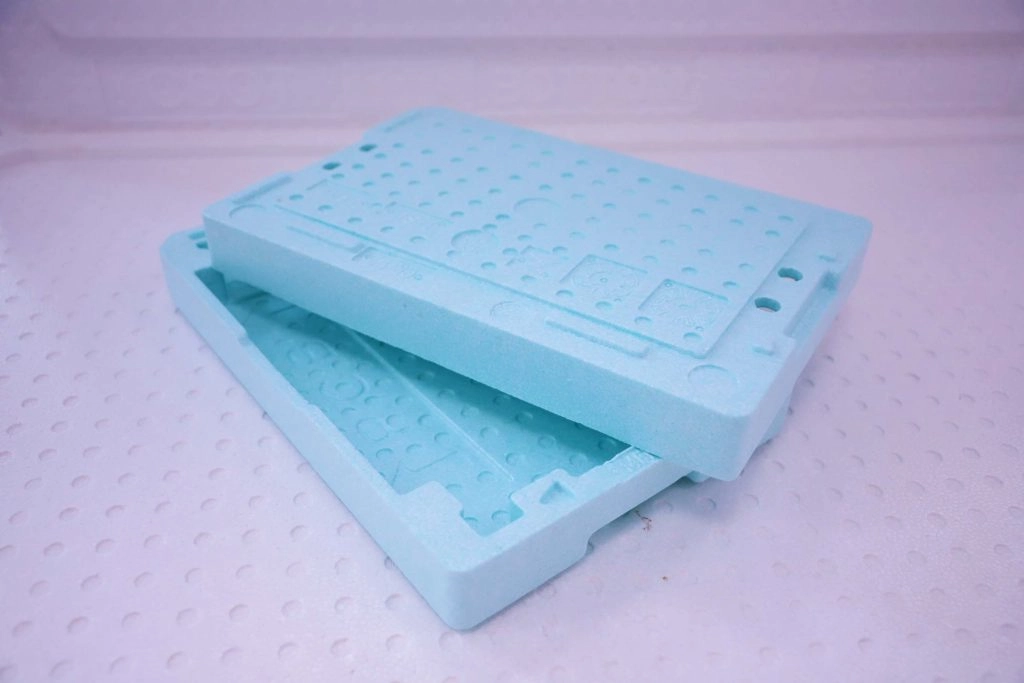
Recycling materials now delivers reliable performance in packaging for electronics, medical devices, and delicate components. Customized bead sizes and enhanced shock absorption facilitate multiple transport cycles while keeping overall light weight.
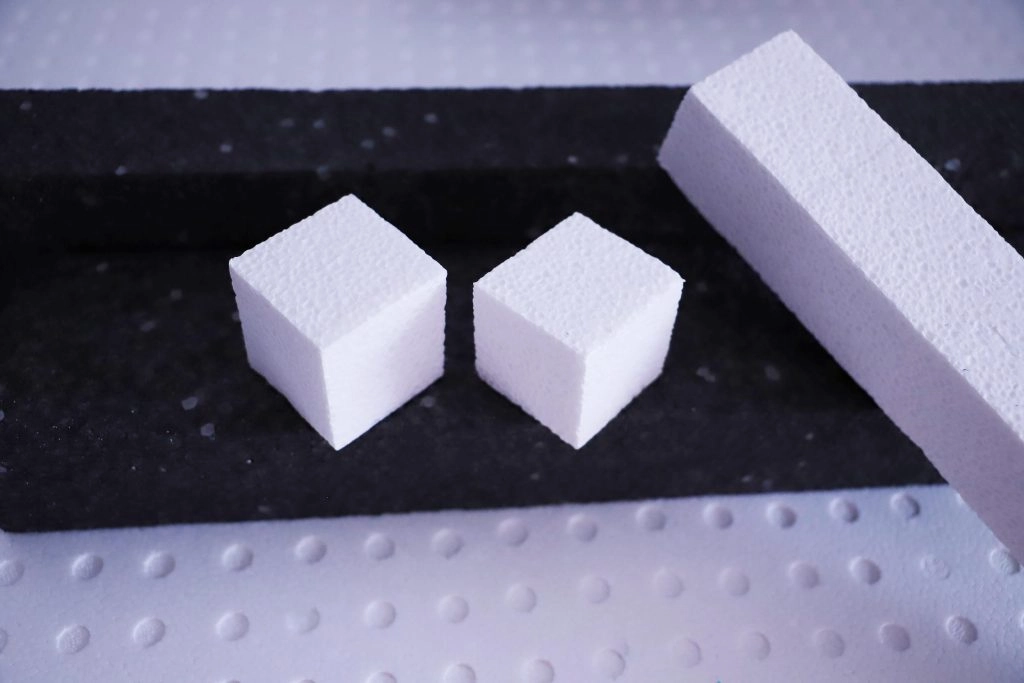
Solutions like extrusion customized REPS show how recycled foam adjusts to specific forming requirements, optimizing the durability, cushioning, or structural details based on particular demands, thus improving the financial feasibility of recycling.
What Role Do Leading Manufacturers Play in Recycling Progress?
Technological developments need practical application in industry settings rather than remaining theoretical. Companies committing resources to circular systems now help drive broader acceptance worldwide.
How Do Industrial Innovations Accelerate EPS Circular Economy?
At present, the integration of recycling in actual manufacturing operations holds significance. HUASHENG exemplifies how major producers convert recycling ideas into functional systems. Through the adoption of smart production techniques, digital modeling of processes, and efficient recovery systems, we produce EPS materials from entirely reclaimed sources while preserving the insulation, durability, and forming reliability essential for packaging and construction fields.
Our commitment to closed-loop operations markedly reduces energy consumption while boosting recovery performance. Such strategies reveal how circular material approaches mature from mere ecological duties into genuine competitive strengths, supporting sustained progress without sacrificing quality standards.
What Challenges Still Limit EPS Foam Recovery Expansion?
Although technical improvements continue, systemic obstacles persist and hinder faster growth in select markets.
Which Barriers Must the Industry Solve Next?
Gathering arrangements remain inconsistent across locations, restricting a steady material supply. Expenses for recycling occasionally fail to compete against inexpensive virgin alternatives. Shortfalls in infrastructure, especially decentralized densification units, further impair financial attractiveness.
Furthermore, logistics for recovery need greater uniformity, and regulatory conditions vary substantially by nation. Addressing these hurdles calls for collaboration among producers, authorities, and waste handling entities.
How Will EPS Recycling Develop Over the Next Decade?
Projections from the sector suggest consistent advancement as recovery methods mature and supportive policies strengthen.
What Trends Will Shape Future Recovery Systems?
Sorting assisted by artificial intelligence will enhance material cleanliness, while schemes involving deposits and tracking will improve gathering rates. Regulations favoring low-carbon construction will promote greater use of recycled insulation.
Certification initiatives for recycled content will grow, and production sites will more frequently link recovery operations directly into broader supply frameworks. Collectively, these directions point toward EPS recycling evolving from a specialized sustainable activity into a standard industrial practice.
FAQs
Q: Can recycled EPS match virgin material performance?
A: Contemporary techniques enable recycled EPS to provide similar thermal insulation, shock resistance, and forming consistency across many packaging and construction scenarios.
Q: What mainly limits EPS recycling efficiency?
A: Transportation expenses, impurities, and patchy gathering infrastructure persist as the chief obstacles to extensive recovery.
Q: Is chemical recycling replacing mechanical recycling?
A: Mechanical methods continue to prevail because of reduced costs and lower energy needs, while chemical approaches assist in cases where contamination blocks mechanical options.
 English
  German
  Spanish
  French
  Arabic