
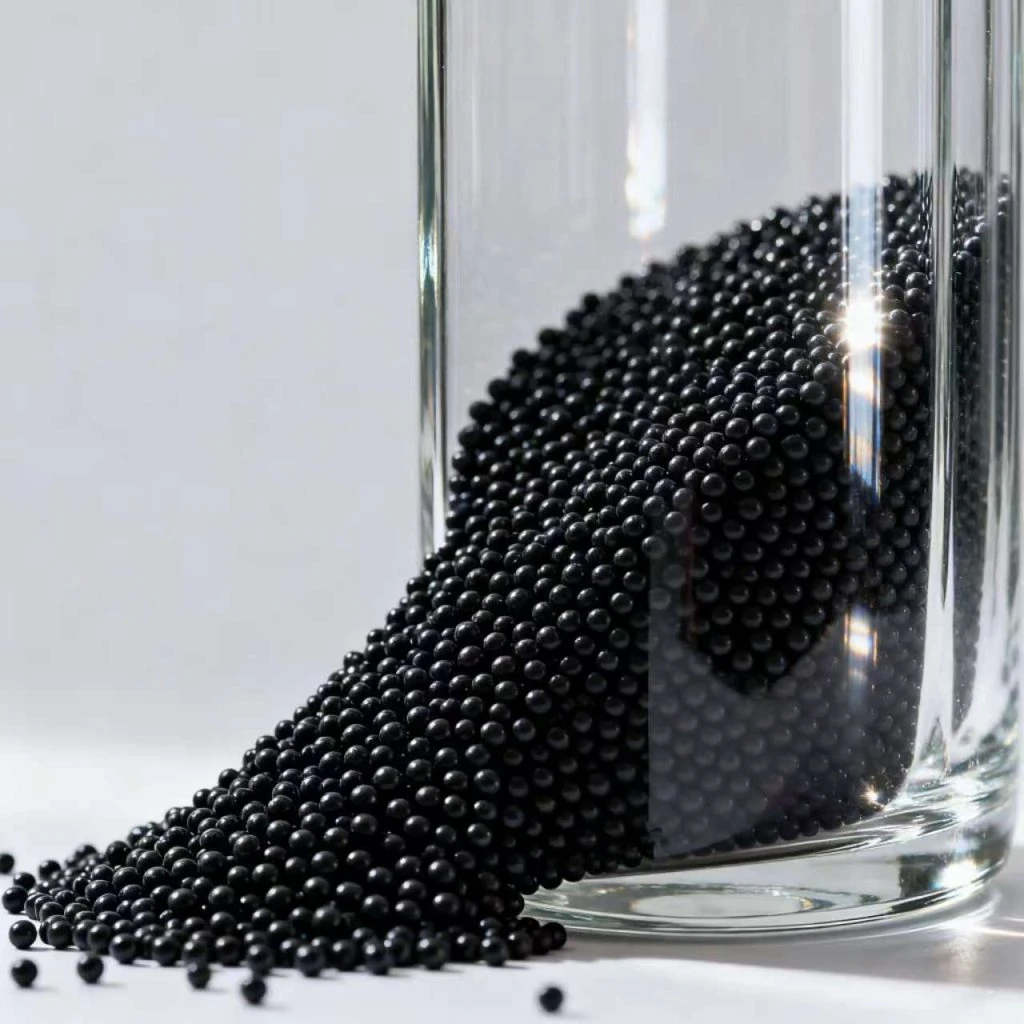
Eine EPS-Schale, ein Eckenschutz oder ein Formeinsatz kann beim Verlassen des Werks unbeschädigt aussehen und dennoch nach einer gewissen Lagerzeit im Freien, einem heißen Lagertag oder einem LKW-Transport mit direkter Sonneneinstrahlung Schaden nehmen. Die sichtbaren Anzeichen sind bekannt: eine vergilbte Oberfläche, eine spröde Kante, ein Riss an einer Ecke oder eine Verpackung, die das Produkt nicht mehr fest umschließt. Bis der Schaden entdeckt wird, wird er oft dem Transport angelastet, obwohl das Bauteil durch die Umwelteinflüsse bereits geschwächt war.
Deshalb sollte EPS-Verpackung nicht allein nach Gewicht, Aussehen oder anfänglicher Polsterung spezifiziert werden. Sonnenlicht, Temperaturwechsel, Lagerung, Produktdruck, Dichte, Verschmelzung der Schichten, Materialstärke und äußerer Schutz wirken zusammen. Ein Käufer, der ein EPS-Verpackungsmaterial bewertet, muss diese Bedingungen definieren, bevor er verschiedene Qualitäten vergleicht oder ein Muster freigibt.
Warum kann EPS-Verpackung nach Sonneneinstrahlung reißen?
UV-Strahlung kann ungeschützte EPS-Oberflächen spröde machen
Direktes Sonnenlicht greift zuerst die unbedeckte Oberfläche an. Ein Bauteil kann allmählich sein sauberes Aussehen verlieren, gelblich oder kreidig werden und sich an Kanten, die berührt oder gerieben werden, weniger robust anfühlen. Diese Veränderungen bedeuten nicht zwangsläufig, dass die ursprüngliche Formgebung minderwertig war. Sie können darauf hindeuten, dass eine ungeschützte Oberfläche zu lange dem Licht ausgesetzt war und nun weniger in der Lage ist, lokale Stöße abzufedern.
Hitze und Temperaturwechsel belasten den Schaumstoff.
Sonnenlicht wirkt selten allein. Ein dunkles Dach, ein Versandcontainer, ein Lieferfahrzeug oder ein schlecht belüftetes Lager können die Verpackung tagsüber erwärmen und später wieder abkühlen lassen. Bei EPS-Schaumstoffen, die durch Sonnenlicht beeinträchtigt werden, führt die wiederholte Ausdehnung und Zusammenziehung zu Spannungen in dünnen Bereichen, scharfen Kanten und eng anliegenden Stellen. Dadurch kann ein Teil bereits nach normaler Handhabung reißen, selbst wenn kein einzelner Stoß stark erscheint.
Unsachgemäße Lagerung und Handhabung können oberflächliche Schäden zu vollständigen Rissen führen.
Sobald eine freiliegende Kante an Elastizität verloren hat, kann der nächste Stapelvorgang einen kleinen Defekt in einen durchgehenden Riss verwandeln. Zu eng anliegende Kartons, lose Teile, die aneinander reiben, Paletten mit ungleichmäßiger Beladung und Produktkontaktpunkte, an denen die Kraft konzentriert wirkt, erhöhen die Wahrscheinlichkeit einer Rissausbreitung. Der endgültige Bruch kann beim Entladen erfolgen, doch die vorherige Belastung und Handhabung erklären oft, warum diese Stelle zuerst versagt hat.
Welche Verpackungsbedingungen entscheiden darüber, ob der Schaden schwerwiegend wird?
Produktgewicht und Kontaktdruck
EPS schützt ein Produkt, indem es die Last durch seine Geometrie aufnimmt und verteilt. Das Gewicht des verpackten Artikels, seine Kontaktfläche, interne Stützen, die Verschlussposition und die Bewegungsfreiheit bestimmen, wo die Belastung in den Schaumstoff eindringt. Ein leichtes Produkt, das auf einer breiten Unterlage ruht, verhält sich ganz anders als ein schwereres Produkt, das durch eine schmale Rippe oder eine scharfe Ecke gedrückt wird.
Außenbühnen, Lagerhitze und Transportbelastung
Die Expositionsbedingungen sollten in der Kaufspezifikation aufgeführt werden. Dokumentieren Sie die zu erwartende Wartezeit im Freien, die Dauer der direkten Sonneneinstrahlung, den Temperaturbereich, die Belüftung, die Bedingungen im Container oder Fahrzeug sowie ob der Schaumstoff während des Be- und Entladens abgedeckt wird. Dasselbe Bauteil kann für einen kurzen, überdachten Transport geeignet sein, jedoch nicht für eine längere Lagerung im Freien.
Käufer verwenden den Begriff UV-beständiger EPS-Schaum oft so, als wäre es eine einzige, selbsterklärende Eigenschaft. Das ist er nicht. Der erforderliche Schutzgrad hängt von den tatsächlichen Licht- und Wärmeverhältnissen, der Lebensdauer der Verpackung und den zusätzlichen Schutzmaßnahmen ab. Eine aussagekräftige Anforderung beschreibt, welchen Einflüssen das Bauteil ausgesetzt sein wird und wie es anschließend beurteilt wird.
Dichte, Wulststruktur und Wandstärke des Formteils
Dichte, Ausdehnungsverhalten, Schweißnahtverschmelzung, Zellstruktur und Wandstärke beeinflussen das Verhalten eines Formteils nach Belastung und Handhabung. Dünne Ecken und schlecht gestützte Bereiche bieten weniger Spielraum bei Druck- oder Stoßbelastung. Unvollständige Verschmelzung kann zu Schwachstellen führen, während eine zu geringe Materialstärke für die Geometrie unter Umständen nicht ausreicht, um die vorgesehene Last zu tragen.
Oberflächenschutz und Verpackungsdesign
Ein Umkarton, eine blickdichte Abdeckung, Stretchfolie, eine Palettenabdeckung, ein schattiger Lagerbereich und eine passgenaue Kartonverpackung können die Einwirkung von Fremdkörpern auf den Schaumstoff reduzieren. Eine gute Konstruktion vermeidet zudem scharfe Spannungskonzentrationen, an denen ein lokaler Stoß oder eine thermische Bewegung Risse verursachen kann. Dies sind praktische technische Schutzmaßnahmen, keine rein kosmetischen Zusätze.
Worauf sollten Käufer vor der Bestellung von EPS-Verpackungsmaterial achten?
Erwarteter Expositionszeit- und Temperaturbereich
Beginnen Sie Ihre Angebotsanfrage mit der Beschreibung des Verpackungsprozesses, nicht mit der Angabe des Harznamens. Geben Sie an, wann und wo das Bauteil der Witterung ausgesetzt sein wird, wie lange es direktem Sonnenlicht ausgesetzt sein kann, welche Spitzen- und Temperaturzyklen zu erwarten sind und ob es in Innenräumen, unter einer Abdeckung oder in einem geschlossenen Fahrzeug gelagert wird. Berücksichtigen Sie die Zeitspanne vom Spritzgießen bis zur Endverwendung, sofern diese einen relevanten Einfluss auf die Lagerbedingungen hat.
Zieldichte, Perlengröße und Expansionszustand
Bitte prüfen Sie, ob sich die angeforderten Angaben auf expandierbare Kügelchen, vorexpandiertes Material oder das fertige Formteil beziehen. Die Zieldichte, der relevante Kügelchengrößenbereich, die Expansionsbedingungen, die Bauteildicke und die Formgebungsanforderungen müssen klar definiert sein. Andernfalls können zwei Proben, die scheinbar dasselbe EPS-Verpackungsmaterial verwenden, unterschiedliche Bauteileigenschaften aufweisen.
Anforderungen an Fallfestigkeit, Kompression und Oberflächenqualität
Das Produktrisiko sollte in Abnahmeprüfungen umgewandelt werden. Der Käufer sollte die beabsichtigte Fall- oder Handhabungssituation, die Stapel- oder Druckbelastung, empfindliche Ecken, Maßvorgaben und den zulässigen Oberflächenzustand nach der geplanten Einwirkung festlegen. Eine Rissprüfung nach einer definierten Lager- und Handhabungssequenz ist sinnvoller als die allgemeine Anweisung, eine „stabile Verpackung“ bereitzustellen.
Lagerung, Kartonierung und Versandkontrolle
Die Angebotsanfrage sollte Angaben zur Verpackung der Formteile, zur Lichtundurchlässigkeit der Kartons, zur Teiletrennung, zu den Palettenstapelgrenzen und zur maximalen Wartezeit der Sendung in den einzelnen Phasen enthalten. Eine Lageranweisung wie „Abgedeckt und unter der angegebenen Lagertemperatur lagern“ ist nur dann sinnvoll, wenn Kartons, Bereitstellungsbereich und Mitarbeiter diese Anweisung auch befolgen können.
Wie kann schwarzer EPS-Schaum bei lichtempfindlichen Verpackungen helfen?
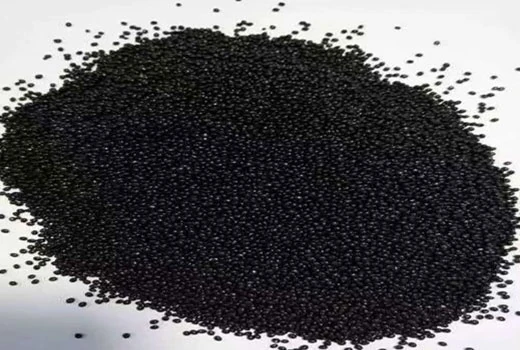
Die Modifizierung mit Ruß ist mehr als nur eine Farbwahl.
HUASHENG Schwarzes Polystyrol (Suspension) – FGE, erhältlich als schwarzes FGE-MaterialEs handelt sich um eine mit Ruß modifizierte Suspensionskornart für Verpackungen, elektrische Bauteile und spezielle schwarze Produkte. Ihre schwarze oder graue Farbe ist daher eher auf eine funktionale Materialausrichtung als auf eine rein dekorative Farbwahl zurückzuführen. Die Kornart ist zudem für hochdichte Produkte ab 18 kg/m³ vorgesehen, wodurch Bauteildichte und -geometrie bei der Auswahl eine zentrale Rolle spielen.
FGE kann relevant sein, wenn ein Käufer schwarzen EPS-Schaum mit antistatischen Eigenschaften, stabiler dunkler Farbe und hoher Dichte für Formteile benötigt. Bei lichtempfindlichen Anwendungen sollte dies jedoch nicht als Freisetzung von EPS-Teilen im Freien ohne Sonneneinstrahlung verstanden werden. Die Handhabungshinweise weisen weiterhin darauf hin, dass Sonneneinstrahlung vermieden und die Lagerung unter 25 °C erfolgen sollte. Diese Einschränkung ist sinnvoll: Die Sorte gehört in einen Plan für kontrollierte Belichtung, nicht in eine allgemeine UV-Beständigkeitsaussage.
Verpackungs- und Antistatikanforderungen können gemeinsam bewertet werden
Manche Verpackungsprojekte erfordern mehr als nur Polsterung. Elektrische Bauteile, Elektronikverpackungen oder spezielle schwarze Produkte benötigen unter Umständen ein Material, das neben der Schutzfunktion des Formteils auch Aussehen und antistatische Eigenschaften berücksichtigt. In solchen Fällen kann der Käufer vergleichen, ob die Rußmodifikation und die antistatischen Eigenschaften von FGE für das Produkt, die Handhabungsumgebung und die erforderliche Dichte geeignet sind.
FGE sollte mit dem tatsächlichen Expositions- und Schutzziel übereinstimmen.
Eine FGE-Anfrage sollte Angaben zur Dauer der direkten Sonneneinstrahlung, zum Temperaturbereich, zur Bauteilzeichnung, zur Zieldichte, zum Formgebungsverfahren, zum Oberflächenschutzplan und zu den Nachprüfungen nach der Belichtung enthalten. Da FGE nicht für Produkte mit geringerer Dichte geeignet ist, darf die erforderliche Dichte nicht erst später im Kaufprozess festgelegt werden. Käufer von UV-beständigem EPS-Schaum sollten zudem angeben, ob Rissbeständigkeit, Farbkonsistenz, antistatische Eigenschaften, Wärmedämmung oder eine bestimmte Kombination dieser Anforderungen im Vordergrund stehen.
Wo FGE kein Ersatz für Abdeckungen, Beschichtungen oder korrekte Lagerung ist
FGE ersetzt weder einen lichtundurchlässigen Umkarton, eine Schutzabdeckung, schattige Lagerung, angemessene Aushärtezeiten, kontrolliertes Stapeln noch optimale Formgebungsbedingungen. Auch scharfe Kanten, dünne, ungestützte Bereiche oder schwache innere Verbindungen lassen sich dadurch nicht beseitigen. Eine Prüfung von EPS-Schaum auf Sonnenlicht muss weiterhin die Bauteilkonstruktion und Logistik berücksichtigen, selbst wenn das gewählte Material nützliche funktionelle Eigenschaften aufweist.
Wie HUASHENG Käufern hilft, das Risiko von Sonneneinstrahlung bei Verpackungen zu reduzieren
EPS-Forschung und -Produktion verbinden Materialauswahl mit Anwendungsbedingungen
Die materielle Entscheidung wird verlässlicher, wenn das Team, das die Expositionsbedingungen prüft, diese mit der EPS-Entwicklung und -Produktion in Verbindung bringen kann. EPS-Fähigkeiten von HUASHENG Das Angebot umfasst Forschung, Produktion und Lieferung von expandierbarem Polystyrol für Verpackungen und andere Anwendungen. Bei Bedenken hinsichtlich der Sonneneinstrahlung bietet dies dem Käufer einen direkten Weg von der Problematik der Formteile hin zu Material- und Prozessversuchen.
Anwendungsbasierte Anforderungsanalyse definiert den richtigen Test
Das technische Team von HUASHENG kann Anwendungsszenarien und Leistungsanforderungen bereits vor der Mustererstellung bewerten. Für dieses Verpackungsprojekt sind folgende Parameter relevant: Verpackungsabmessungen, Produktgewicht, Kontaktpunkte, Dauer der direkten Sonneneinstrahlung, Temperaturbereich, Zieldichte, Oberflächenschutzplan, Antistatikanforderungen sowie die Prüfungen auf Bestehen oder Nichtbestehen nach der Belichtung.
Intelligente Fertigung und Präzisionsprüfung unterstützen die Chargenkonsistenz
HUASHENG kombiniert moderne, intelligente Produktionslinien, EPS-Schäumverfahren und präzise Prüfgeräte. Diese Möglichkeiten bilden die Grundlage für die Produktionskontrolle und gewährleisten die Einhaltung der vereinbarten Dichte und Wiederholgenauigkeit des Materials und des Formteils. Sie sind besonders wichtig, nachdem der Käufer die erforderlichen Konsistenzkriterien definiert hat.
Skalierung von Musterproduktion, Logistik und technischem Folgesupport
Der Leistungsumfang von HUASHENG umfasst Anforderungsanalyse, Lösungsdesign, Musterfertigung, Produktion, Logistik und technische Nachbetreuung. Diese Abfolge ermöglicht es Käufern, die freigegebene Teilezeichnung, das Materialziel, die Verpackungsmethode, die Lagerbedingungen und das Abnahmeprotokoll während des gesamten Projektverlaufs – von der Musterfertigung bis zur Nachbestellung – stets im Blick zu behalten.
Schlussfolgerung
EPS-Verpackungen, die nach Sonneneinstrahlung Risse bekommen, sind in der Regel auf ein Zusammenwirken mehrerer Faktoren und nicht auf einen einzelnen sichtbaren Defekt zurückzuführen. Sonnenlicht und Hitze können eine exponierte Oberfläche schwächen; Druck, Stöße, zu dichte Packung oder eine ungünstige Bauteilgeometrie können diese Schwächung dann zu einem vollständigen Riss führen. Dichte, Schweißnaht, Wandstärke, Lagerung und äußerer Schutz bestimmen, wie viel Stabilität das Bauteil behält.
HUASHENG Schwarzes Polystyrol (Suspension) – FGE kann für hochdichte Verpackungen und spezielle schwarze oder antistatische Anwendungen in Betracht gezogen werden, muss jedoch mit den tatsächlichen Expositionsbedingungen und korrekten Lagerbedingungen abgestimmt sein. Vor der Genehmigung einer Spezifikation für größere Mengen sollten Käufer die Teilezeichnung, das Produktgewicht, die Sonneneinstrahlungsdauer, den Temperaturbereich, die Zieldichte, die Anforderungen an Antistatik oder Aussehen, die Verpackungsmethode und die Validierungskriterien mitteilen. Verpackungsanforderungen besprechen.
Häufig gestellte Fragen
Q1:Kann Sonnenlicht EPS-Verpackungen beschädigen, selbst wenn diese trocken gelagert werden?
A1: Ja. Trockene Bedingungen schützen nicht vor Lichteinwirkung und Wärme. Ein trockenes EPS-Bauteil kann an exponierten Oberflächen anfälliger werden, insbesondere bei späterer Kompression, Abrieb oder Stößen. Berücksichtigen Sie daher die Dauer der Sonneneinstrahlung, den Temperaturbereich, die Lagermethode und die Belastung beim Transport.
Frage 2:Ist schwarzer EPS-Schaumstoff automatisch gegen alle Witterungseinflüsse beständig?
A2: Nein. Schwarzer EPS-Schaum kann zwar funktionelle Eigenschaften aufweisen, die für bestimmte Projekte nützlich sind, die Farbe allein bestimmt jedoch nicht die zulässige Dauer der Sonneneinstrahlung, die Temperatur, die Lagerungsmethode oder die mechanische Belastung. Die Güteklasse muss den tatsächlichen Expositionsbedingungen und dem erforderlichen Schutz des Formteils entsprechen.
Q3:Ist EPS mit höherer Dichte immer besser für sonnenexponierte Verpackungen geeignet?
A3: Nein. Eine höhere Dichte kann für bestimmte Belastungen und Geometrien geeignet sein, verändert aber auch Gewicht, Kosten, Dämpfung und Verarbeitungsbedingungen. Die Zieldichte sollte anhand der Bauteildicke, des Produktgewichts, des Anpressdrucks, der Belastung und der Abnahmeprüfung und nicht allein anhand der Dichte bestimmt werden.
 German
  English
  Spanish
  French
  Arabic