
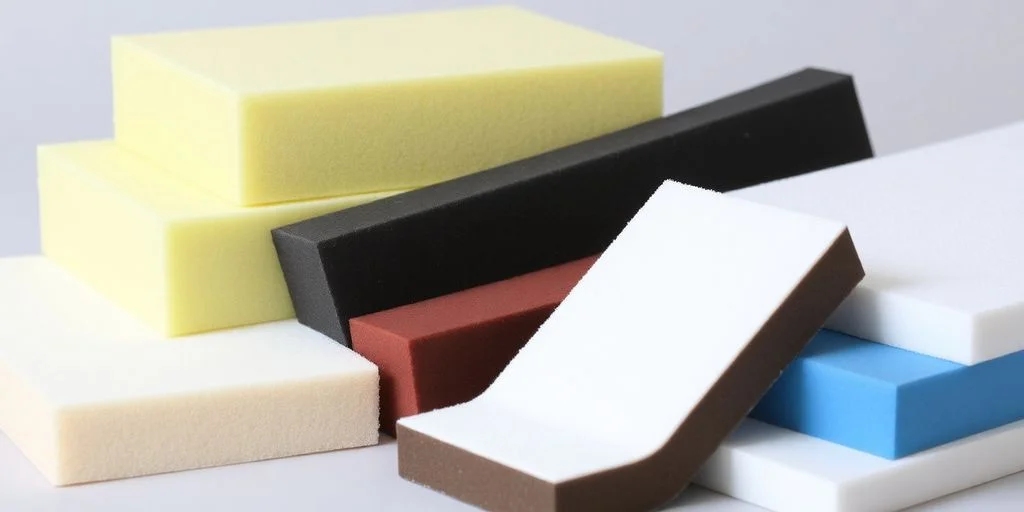
Expandiertes Polystyrol (EPS) zählt aufgrund seines Make-up zu den häufigsten Schaumstoffen, die eine solide Mischung aus Schutz, Leichtgewicht und Budgetfreundlichkeit bieten. Zusammengesetzt aus gepflanzten Polystyrolperlen, die mit Luft verpackt sind, bildet es eine versiegelte Zelle, die Polsterung, Wärmeschutz und Pressdauer ohne zusätzliche Schwere bietet. Diese Einstellung versteht, warum EPS eine sinnvolle Wahl für Verpackung, Wärmeschutz und verschiedene aufgabeorientierte Anwendungen bleibt.
Was definiert die Zusammensetzung und Struktur von EPS?
Expandierte Polystyrolplatten dienen als Grundelemente bei der aktuellen Schaumstoffbildung, die für ihre leichte Aufstellung und feine strukturelle Leistung geschätzt wird. EPS stammt aus vorgepflanzten Polystyrolperlen, die sich zusammenschließen, um ein festes, versiegeltes Zell-Setup zu bilden. Dies führt zu einer Substanz, die Haltbarkeit und Wärmeschutzwirksamkeit mischt.
Die zellbasierte Zusammensetzung von EPS fügt viel zu seinen Wärmeschutz- und Schlagpufferfähigkeiten hinzu. Sein versiegeltes Zellenaufbau hält Luft in winzigen Lücken. Dies reduziert die Wärmebewegung und schützt vor körperlichen Schlägen. Daher finden EPS-Panels breiten Einsatz in Bau-, Verpackungs- und Konstruktionsaufgaben, bei denen sowohl Leistung als auch Geldersparnis zählen.
Lanzhou Huasheng New Materials Co., Ltd. agiert als ein technologieorientiertes Unternehmen, das sich mit Forschung, Herstellung und Verkauf von expandierbarem Polystyrol (EPS) beschäftigt. Die Firma’ s moderne Puffing Methoden sicherstellen, dass jede Perle gewinnt top Gleichmäßigkeit in Dichte und Pressdauer. Diese Eigenschaften sind sehr wichtig für Gebäude und Fabrikzwecke.
Welche Merkmale machen EPS-Panels hervorragend?
EPS-Panels zeigen mehrere Hauptmerkmale, die sie in vielen Bereichen lebenswichtig machen. Sie halten eine gute Größenständigkeit inmitten von Temperaturverschiebungen und versprechen eine stetige Leistung auch in rauen Einstellungen. Ihre Verteidigung gegen Wasser und Schimmelausbreitung eignet sich für feuchte oder feuchte Flecken.
Außerdem erweisen sich diese Panels als einfach zu schneiden, zu formen und einzurichten. Solche Eigenschaften erleichtern die Handhabung an Arbeitsplätzen für Konstruktoren oder Schöpfer. Im Bereich der Strukturwärmeschutz, HUASHENGEPS-Schaumstoffprodukte funktionieren gut. Sie reduzieren den Energieverbrauch, indem sie eine zuverlässige Wärmewand liefern und gleichzeitig die strukturelle Festigkeit über längere Zeiten aufrechterhalten.
Wie prägen EPS-Panels 2026 Schaumstoffdesigntrends?
Das Schaumstofffeld bewegt sich schnell in Richtung grüner Wege. Hersteller betonen nun wiederverwendbare Substanzen und energiesparende Schritte im Rahmen weltweiter Umweltverpflichtungen. HUASHENG hat Hunderte von Millionen Yuan in die Erstellung der ersten intelligenten Herstellungslinie für Polystyrol mit voller Nutzung wiederverwendeter Rohstoffe investiert. Dieser Schritt entspricht dem größeren Anstoß zur Erdherstellung, indem eine Wiederverwendungsrate von über 95% erreicht wird und der Stromverbrauch um 30% gesenkt wird.
EPS-Panels passen gut zu dieser grünen Geschichte, da sie mehrmals wiederverwendet werden können, ohne die Ausgabequalität zu beeinträchtigen. Ihre kleinen Herstellungsschrotte stärken ihr Umweltbild weiter. Da Felder sauberere Technologie einsetzen, um Kohlenstoffmarken zu schrumpfen, bleibt EPS dank seiner Mischung aus Naturpflege und Designarbeit als Top-Wahl.
Wie wird EPS in fortgeschrittene Schaumstoffanwendungen integriert?
Aktuelle EPS-Anwendungen gehen über alte Wege im Bau oder Verpacken hinaus. Strukturisolierte Platten (SIPs), die mit EPS-Zentren gebaut sind, erhöhen die Strukturleistung durch bessere Wärmeschutzeigenschaften. Bei der Verpackung schützen leichte, aber harte EPS-Formen zerbrechliche Gegenstände auf Reisen. Diese Methode zeigt in der EcoPack-Verpackungslösung von HUASHENG, dass sie Kosten senkt und gleichzeitig die ESG-Kennzahlen erhöht.
Auch im Auto- und Flugbereich werden EPS-Teile zum Massenschneiden verwendet, ohne die mechanische Haltbarkeit oder die Sicherheitsvorschriften zu beeinträchtigen.
Wie vergleicht sich expandiertes Polystyrol mit anderen Schaumstoffen?
Bei der Überprüfung von Schaumstoffpicks für gesetzte Aufgaben hilft der Blick auf EPS neben Optionen wie extrudiertes Polystyrol (XPS), Polyurethan (PU) oder Polyethylen (PE), seine Vorteile zu erkennen.
EPS spart mehr Geld als XPS, bringt aber ähnliche Hitzeschirmzahlen. Obwohl XPS eine höhere Masse und Wasserschutz besitzt, bringt es höhere Herstellungskosten. Somit passt EPS besser für große Setups, in denen die Kosteneinstimmung zählt.
Neben PU-Schaumstoffen, die sich gut bei der Biegbarkeit leisten, aber die Festigkeit verpassen, bietet EPS überlegene strukturelle Stabilität für Gewichtshaltepläne. Im Gegensatz zu PE-Schaumstoffen, die für ihre Schlagschutz, aber für eine schwächere Wärmeschutzleistung bekannt sind, trifft EPS eine feine Mischung zwischen Haltbarkeit und Wärmeleistung. Dies eignet sich für Aufgaben, die sowohl Haltbarkeit als auch Leistungsgewinn erfordern.
Welche technischen Vorteile bieten Expanded Polystyrene Panels?
EPS-Platten bieten großartige Designvorteile durch ihr hohes Haltbarkeitsverhältnis zu der Masse. Ihre Fähigkeit, schwere Gewichte im Vergleich zu ihrer Größe zu halten, ermöglicht eine intelligente Nutzung von Materialressourcen. Gleichzeitig schneidet es Strukturmasse, was sich als Schlüssel in vorgefertigten Gebäuden oder Stücksystemen erweist.
Wie tragen thermische Leistung und Energieeffizienz dazu bei?
Niedrige Wärmebeständigkeit ist einer der Hauptvorteile von Schaumstoff Polystyrol Dinge wie EPS. Diese Gegenstände besitzen starke Wärmeschutzfähigkeiten, die den Energieverbrauch in Strukturen gut reduzieren. Indem sie das ganze Jahr über eine konstante Innenwärme aufrechterhalten, verringern sie den Bedarf an Heizung oder Kühlung. Dies führt zu dauerhaften Einsparungen.
Was ist mit akustischen Eigenschaften?
Das versiegelte Zellritter hilft auch bei der Schallaufnahme und der Schüttelweichung. Dadurch eignet sich EPS für Schallplatten in Fabrikstellen oder Heim-Setups, in denen die Lärmbehandlung wichtig ist.
Welche Innovationen treiben die Zukunft von Expanded Polystyrol Panels voran?
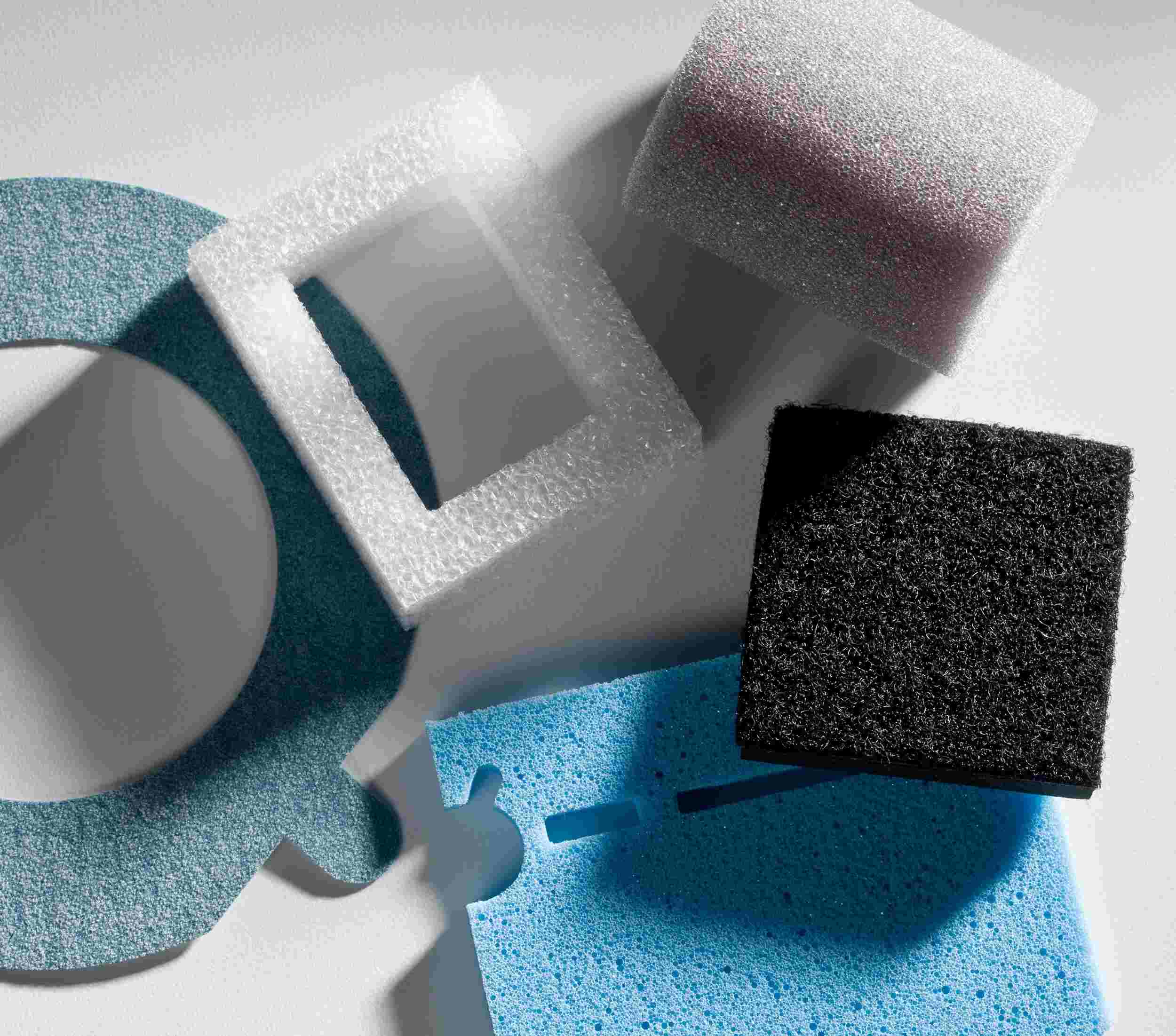
Technische Fortschritte verändern immer wieder, wie expandierte Polystyrolplatten hergestellt und in Feldern verwendet werden. Genaue Formmethoden erhöhen die Gleichmäßigkeit und reduzieren den Stoffverlust. Durch die Mischung mit digitalen Herstellungswerkzeugen passen maßgeschneiderte Formen zu Gebäudeaussehen oder schwierigen Fabrikteilen.
Auch Oberflächenfixungen sind gewachsen: Schutzschichten erhöhen jetzt die Brandschutz und die Lichtbeständigkeit. Diese erweisen sich als wichtig für externe Setups. Außerdem erhöhen Schichten das Haften beim Mischen von Sachen in Mischungen oder Designenden.
Ein wichtiger Fortschritt liegt in der nano-versiegelten Lücken-Setup-Technologie von HUASHENG über Kettenrichtung Weben kopiert durch Quantenmathematik. Auf diese Weise erhöht sich die Pressdauer um 40% gegenüber üblichen Schaumstoffen, während der Wärmeverlauf fast halbiert wird. Es setzt frische Feldmarken.
Was sollte bei der Auswahl von EPS-Panels für 2026-Projekte berücksichtigt werden?
Vor der Auswahl einer Schaumstoffstoff müssen Designer aufgabebasierte Bedürfnisse wie Gewichtshaltekraft, Naturkontaktzustände, Brandsicherheitsniveaus und Zielwärmeschutzzahlen überprüfen. Die korrekte Montage der Plattenmasse sorgt für die besten Ergebnisse in unterschiedlichen Fällen. Von äußeren Abdeckungssystemen bis hin zu exakten Verpackungsteilen.
Setup-Wege prägen auch langfristige Ausgabeergebnisse. Ein leichter Plan erleichtert die Bewegungsplanung und die Zusammenstellung des Standorts. Doch ein dichter Verschluss an den Gelenken verhindert den Eintritt von Wasser, der die Haltbarkeit im Laufe der Zeit beeinträchtigen könnte.
Schließlich bleiben die Regeln auf der Spitze: Die Einhaltung der ISO 14067:2018 zeigt, dass die Kohlenstoffemissionen bei der Durchführung von Runden reduziert werden. Die Kohlenstoffmarke von 1 Tonne erneuertem expandierbarem Polystyrol Hauptstoff (R-EPSist 719,14 Kilogramm CO ₂ Äquivalent. Die Einrichtung von ASTM oder lokalen Bauvorschriften gewährleistet Sicherheit und Vertrauen und unterstützt die wachsenden grünen Regeln auf den Weltmärkten.
Für besondere Bedürfnisse wie brandsichere Bauplatten oder graphitwichselte Wärmehalter mit hohen Wärmeregeln können Experten sich F Material flammhemmende Typ REPS aus dem Produktsortiment von HUASHENG ansehen. Diese werden speziell für Hochleistungs-Gebäude Wärmeschutzsysteme gemacht, die die Anforderungen der Brandklasse B1 erfüllen.
FAQ (häufig gestellte Fragen)
Q1: Was unterscheidet expandierte Polystyrolplatten von anderen Schaumstoffmaterialen?
A1: Expandiertes Polystyrol vermischt leichtes Aufbau mit hoher Pressdauer und feinen Wärmeschutzeigenschaften zu weniger Kosten als die meisten Optionen wie XPS oder PU-Schaumstoffe.
Q2: Sind moderne EPS-Panels umweltfreundlich?
A2: Ja. Viele Hersteller verwenden jetzt wiederverwendetes Futter; HUASHENG erreicht über 95% Wiederverwendungsraten durch sein Drei-Strom-System und reduziert den Energieverbrauch um 30%.
Q3: Wo werden expandierte Polystyrolplatten am effektivsten verwendet?
A3: Sie sind am besten in strukturierten Wärmeschutzsystemen, Schutzverpackungsantworten, Autoteilen, die Massenschneiden benötigen, und Schallkonfigurationen, die eine schüttelweichende Ausgabe benötigen.
 German
  English
  Spanish
  French
  Arabic