
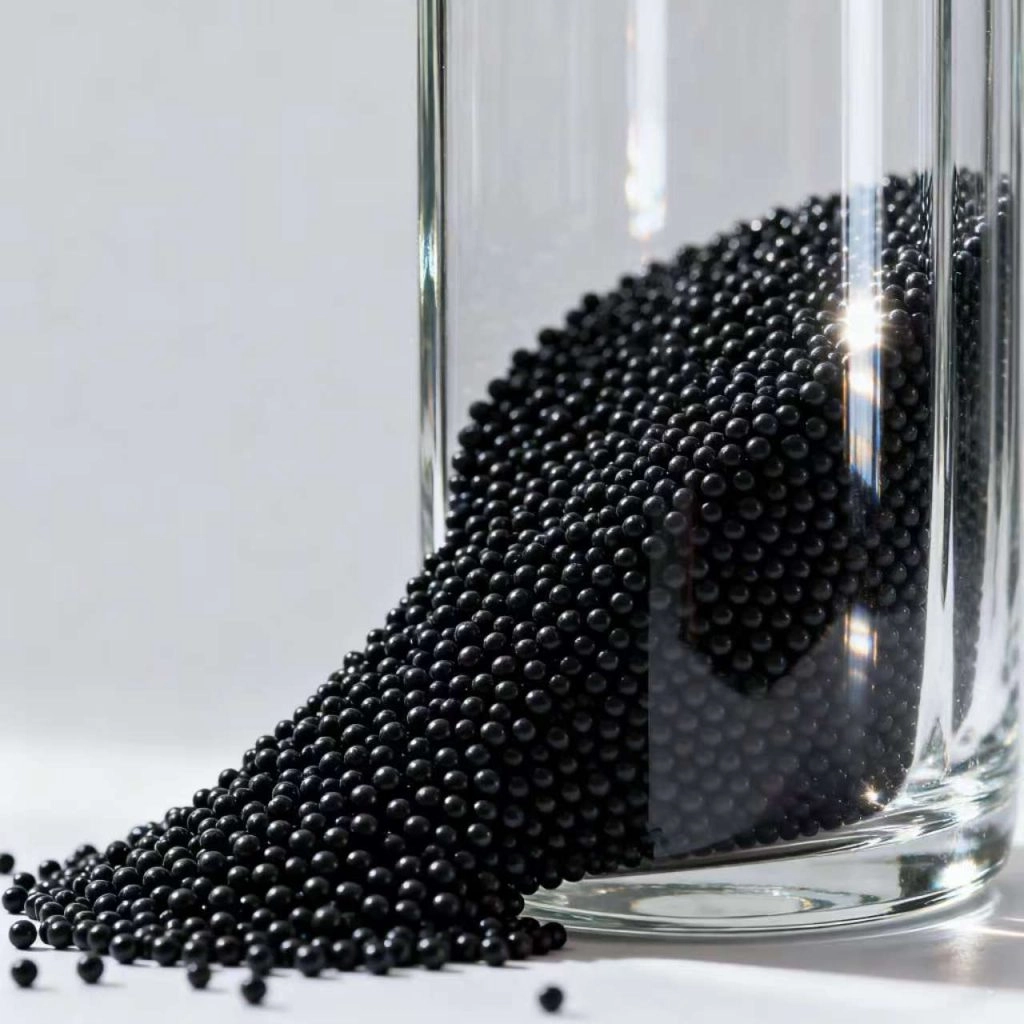
In den Bereichen Materialtechnik und industrielle Verpackungen behandeln die Menschen oft die Ausdrücke „Polystyrol“ und „Styrofoam“ als gleichbedeutend. Auf der Ebene der Perlen weisen diese Begriffe jedoch auf unterschiedliche Beschreibungsschichten statt auf wirklich identische Substanzen hin. Ersteres bezieht sich auf eine breite Familie von Polymeren zusammen mit ihren erweiterbaren Versionen, während letzteres von einem markenspezifischen Namen stammt, der sich nicht mit etablierten Ingenieurkategorien ausrichtet.
Sobald Perleneigenschaften die Formproduktivität, die mechanische Zuverlässigkeit, die Wärmeregelung oder die Einhaltung von Vorschriften beeinflussen, führt vage Terminologie zu echten Betriebsgefahrten. Eine Unterscheidung zwischen den beiden ist daher sehr notwendig.
In diesem Artikel wird der Unterschied zwischen Polystyrol und Styrofoam in Perlenform durch eine Untersuchung der Harzkomposition, Perlenstruktur, Verarbeitungsreaktionen, resultierender Leistung und regulatorischen Umgebungen untersucht und betont, wie diese Elemente praktische Materialwahlen in tatsächlichen Fertigungsvorgängen führen.
Sind Polystyrolperlen und Styrofoam-Perlen das gleiche Material?
Auf den ersten Blick scheinen beide Begriffe ähnliche kleine, weiße, leichte Granulate zu beschreiben, die in geschäumten Gegenständen verwendet werden, aber sie funktionieren auf getrennten Spezifitätsgraden.
Was bedeutet „Polystyrol“ auf Harznebene?
Polystyrol ist ein thermoplastisches Polymer, das durch die Verknüpfung von Styrol-Monomereinheiten erzeugt wird. Bei den perlenorientierten Schaumprozessen ist es üblicherweise als expandierbares Polystyrol (EPS) hergestellt, das mittels Suspensionspolymerisationstechniken hergestellt wird. Einzelne Perlen umschließen ein in einem starren Polymerrahmen gefangenes Blasemittel.
Polystyrolperlen können durch konkrete Eigenschaften definiert werden, wie z. B. eine Reihe von Molekulargewichten, Perlendurchmessungen, Anteil an Blasemittel und Oberflächenmerke, die Expansionsmuster, Fusionswirksamkeit während des Forms und langfristige strukturelle Konsistenz in Produkten bestimmen. Daher ist der Name „Polystyrol“ ein genauer technischer Begriff, der unter Herstellern, Bereichen und Anwendungsszenarien anerkannt wird.
Warum ist „Styrofoam“ ein kommerzieller, nicht technischer Begriff?
Styrofoam existiert als eingetragene Marke, die ursprünglich mit extrudierten Polystyrol-Isolationsgütern anstelle von Perlen-expandierten Schaumsystemen verbunden ist. Mit dem weit verbreiteten Gebrauch über Jahrzehnte verwandelte sich der Name allmählich in einen lässigen Catch-All-Satz, der auf viele geschäumte Polystyrolprodukte angewendet wurde.
Wenn in Diskussionen über Perlen eingesetzt, ist es leicht, Missverständnisse zu verursachen. Styrofoam kann keine Polymerisationstechnik, Perlenformeigenschaften oder Expansionsverhalten anzeigen und unterscheidet nicht suspensionspolymerisierte Perlen und extrudierte Schaumstoffstrukturen. Daher verbirgt die Verwendung des Begriffs „Styrofoam-Perlen“ in technischen Dokumenten oft die wichtigen Materialeigenschaften, die in den gesamten Fertigungs- und Servicebedingungen entscheidend sind.
Wie unterscheiden sich Perlenstrukturen unter realen Bearbeitungsbedingungen?
Nachdem die Perlen den Produktionsboden erreicht haben, sind ihre mikroskopischen und makroskopischen Strukturen weit bedeutender als ihre beigefügten Etiketten.
Wie beeinflusst die Perlengröße die Expansion und Fusion?
Die Verteilung der Perlengrößen wirkt sich direkt auf die Ausdehnungsgröße aus. Perlen mit engen Größenbereichen erweitern sich in den Vorausdehnungsstufen konsistenter und ergeben vorhersehbare Schüttdichten und wiederholbare Formfolgen. Breitere Perlen erzeugen unregelmäßige Zellentwicklung, verlängerte Stabilisierungszeiten oder unzureichende Bindung zwischen Perlen.
In den vollautomatisierten Formsystemen verbessert die konstante Kugelgröße die Vakuumkühlleistung und reduziert die Extraktionsdauer, was zu erhöhten Leistungsraten und verringerten Abfällen führt. Inkonsistenz in den Größen verkürzt akzeptable Betriebsbereiche und zwingt die Bediener, Zykluszeiten zu verlängern oder den Energieverbrauch zu erhöhen, um akzeptable Ergebnisse zu erhalten.
Welche Rolle spielt die innere Zellstruktur?
Jede expandierte Perle enthält eine geschlossene Zellstruktur, die während des Schaumprozesses entsteht. Zellgrößen, Wandstärken und Verbindungsmuster bestimmen Druckfestigkeit, Schlagbeständigkeit und Größenstabilität. Einheitliche, fein detaillierte Zellen fördern glattere äußere Texturen und eine robustere Bindung zwischen benachbarten Perlen.
Die Zellstruktur bestimmt auch Spannungsverteilungsmuster in den geformten Komponenten. Bei Schutzverpackungen oder Isolationsszenen ist eine zuverlässige Verformung wichtiger als die angegebenen Dichtenzahlen allein. Speziell für die konsistente Zellbildung entwickelte Perlen liefern eine stabilere Leistung bei wiederholten mechanischen Belastungen oder Temperaturzyklen.
Warum unterscheiden sich die Leistungserwartungen bei Perlenanwendungen?
Verschiedene Endanwendungen verhängen unterschiedliche Prioritäten auf Perleneigenschaften, und diese Unterschiede in den Anforderungen zeigen die Nachteile von Breitbürstennamenkonventionen.
Wie formen mechanische Anforderungen Perlenauswahl?
Schutzverpackungsanwendungen erfordern Perlen, die Energie ohne plötzlichen Bruch ableiten können. Die Widerstandsfähigkeit gegen Schläge hängt stark von der Haftfestigkeit zwischen den Perlen und der Widerstandsfähigkeit in den Zellwänden ab. Perlen, die rein für schnelle Formzyklen optimiert sind, aber eine begrenzte Schmelzfestigkeit aufweisen, können in Situationen mit geringer Nachfrage ausreichen, aber sie sind schwierig, einer anhaltenden oder wiederholten Stoßbelastung standzuhalten.
Für Bauteile, die strukturelle oder nahe strukturelle Verantwortung tragen, sind eine überlegene Verbindungsintegrität und Formbehaltung von entscheidender Bedeutung.
Wie trennt das thermische Verhalten Perlenkategorien?
Wärmeübertragungsraten in expandiertem Polystyrol resultieren aus Wechselwirkungen zwischen fester Polymerleitung, gefangen Gasleitung und Strahlenaustausch in internen Zellen. Traditionelle EPS-Perlen weisen bereits relativ niedrige Leitfähigkeit auf, während speziell modifizierte Versionen die Strahlungswärmebewegung noch weiter unterdrücken können.
Graphitmodifizierte Perlen enthalten zum Beispiel Partikel, die Infrarotstrahlung im gesamten Schauminnenraum absorbieren und umleiten, was die effektive Wärmeleitfähigkeit ohne erhebliche Verringerungen der Dichte spürbar reduziert. Auf dem Gebiet der Isolierung können solche Verbesserungen die nachhaltige Energieleistung verbessern und die Ergebnisse der Einhaltung der Vorschriften beeinflussen.
Wie beeinflussen regulatorische und Umweltfaktoren die Wahl von Perlen?
Die sich entwickelnden regulatorischen Anforderungen bestimmen zunehmend akzeptable Perlenarten auf internationalen Märkten.
Warum ist flammhemmende Chemie wichtig?
Die Brandsicherheitsbewertungen hängen sowohl von den inhärenten Polymerreaktionen als auch von den zusätzlichen Additivpaketen ab. Frühere flammhemmende Perlenformulierungen hatten oft Verbindungen, die jetzt in vielen Ländern eingeschränkt wurden. Moderne Ansätze betonen die notwendige Brandbeständigkeit unter Einhaltung der aktuellen Umweltnormen.
In der Perlenstufe beeinflussen flammhemmende Zusammensetzungen die Expansionsdynamik, die Reifungsdauer und die mechanischen Eigenschaften. Eine unzureichende Trennung oder unbeabsichtigte Mischung mit nicht verzögernden Materialien kann die Brandleistung beeinträchtigen und unterstreicht die Bedeutung einer präzisen Materialverfolgung und standardisierter Produktionskontrollen.
Wie verändert Nachhaltigkeit Perlenmaterialien?
Bedenken über Recyclierbarkeit und den gesamten Lebenszyklus-Fußabdruck sind jetzt genauso wichtig wie die traditionellen Kosten- und Leistungsmetriken. Perlen, die für vereinfachte Recyclingwege, reduzierten Formenergiebedarf oder Kompatibilität mit wiederverarbeiteten Inhalten entwickelt wurden, helfen, die Risiken von Umweltbelastungen in Zukunft zu verringern.
Mit der Reife von Recyclingsystemen gewinnen Perlenkonstruktionen, die nach mehreren Verarbeitungszyklen funktionale Eigenschaften erhalten können, immer mehr praktische Bedeutung. Diese Entwicklung begünstigt Formulierungen, die unter Berücksichtigung von Schleifenprinzipien entwickelt wurden, anstatt kurzfristige Kostenminimierungsstrategien.
Wo passen funktionelle Perlenqualitäten in diese Unterscheidung?
Sobald die grundlegende konzeptuelle Trennung zwischen Polymerklassifikation und Markennomenklatur offensichtlich ist, verschoben sich der Fokus auf spezialisierte Perlenkategorien.
Warum werden Graphitflammhemmende Perlen als separate Klasse behandelt?
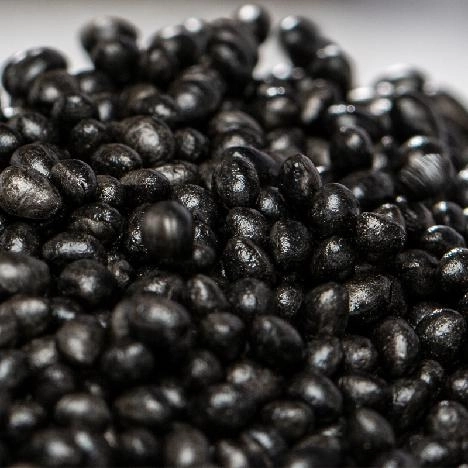
Graphitmodifizierte flammhemmende Perlen erfüllen die Verpflichtungen zur thermischen Effizienz und Brandsicherheit. Ihre Formulierung löst zwei separate Herausforderungen: die Reduzierung der Wärmeübertragung und die Erfüllung strenger Bauvorschriften.
Ein Beispiel für dieses Produkt ist die FGH-N-HBCD Flammschutzmaterial aus GraphitDiese spezialisierten Materialien werden häufig für Isolationsinitiativen ausgewählt, die eine gleichzeitige regulatorische Genehmigung, eine effektive Wärmebeständigkeit und eine zuverlässige langfristige Leistung erfordern.
Wie bedienen Rapid-Prototyping-Perlen nicht strukturelle Bedürfnisse?
Bestimmte Anwendungen legen begrenzten Schwerpunkt auf maximale mechanische Festigkeit oder fortgeschrittene thermische Optimierung. In vielen Verpackungs- und allgemeinen Szenarien sind Produktionsgeschwindigkeit und Formkonsistenz die primären Entscheidungskriterien.
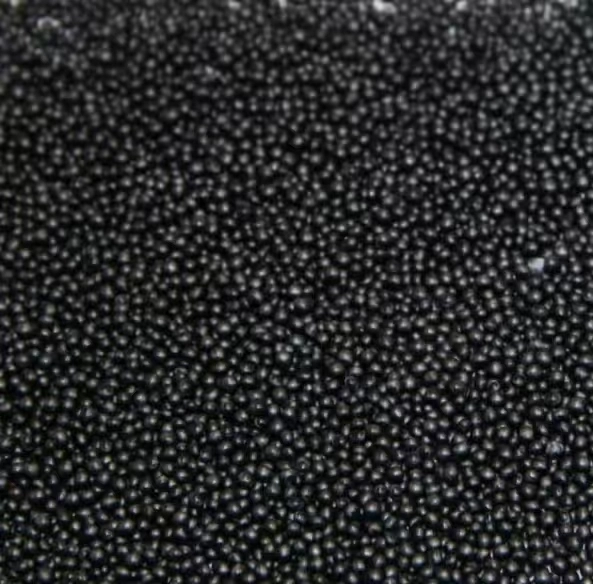
Speziell für die schnelle Prototypierung entwickelte Perlen priorisieren kurze Stabilisierungszeiten, einen reibungslosen Materialfluss und eine zuverlässige Freisetzung von Formen. Die B-Rapid Prototyping Material exemplifiziert diesen Ansatz und erleichtert eine effiziente Großvolumenfertigung ohne unnötige Komplexität.
Wer ist in der Lage, eine konsistente Perlendifferenzierung im Maßstab zu liefern?
Technische Unterschiede haben nur einen sinnvollen Wert, wenn sie über erhebliche Produktionsmengen reproduzierbar sind.
Wie verwaltet ein vertikal integrierter EPS-Hersteller die Perlenpräzision?
Hersteller, die eine umfassende Überwachung über Polymerisation, Perlensortierung und Prozessmodellierung beherrschen, sind besser ausgestattet, um eine stabile Perlenleistung zu gewährleisten.
HUASHENG exemplifiziert eine Produktionsphilosophie, die sich auf strenge Ingenieurdisziplin konzentriert. Durch die Aufmerksamkeit auf expandierbare Polystyrolperlen zu richten, die gemeinsame, flammhemmende, graphitverstärkte, Umweltschutzgradund so weiter, passen wir Perleneigenschaften genau an gezielte Anwendungsbedarf an. Der Schwerpunkt auf gleichmäßige Dichte, konsistente thermische Eigenschaften und Prozesszuverlässigkeit ermöglicht es den Anwendern, sich auf vorhersehbare Materialreaktionen zu verlassen. Diese Kapazität ist besonders vorteilhaft für Initiativen, die sich über verschiedene regulatorische Gerichtsbarkeiten erstrecken oder die Nachfrage nach erweiterten Fertigungskampagnen mit minimal zulässiger Abweichung.
Schlussfolgerung
Die authentische Unterscheidung zwischen Polystyrol und Styrofoam in Perlenform beruht nicht auf visueller Ähnlichkeit, sondern auf Definitionsgenauigkeit. Polystyrol bezeichnet eine Polymerfamilie, deren Perlen-Ebene-Attribute bewusst Engineering, quantitative Messung und konsistente Kontrolle unterliegen bleiben. Styrofoam hingegen funktioniert in erster Linie als kommerzieller Kennzeichner, der keine ausreichende technische Spezifikation hat, wenn er auf expandierbare Perlen angewandt wird.
Bei Materialauswahlprozessen sind die Wulstruktur, die Ausdehnungseigenschaften, die Trägerreaktionen, das thermische Verhalten und die regulatorische Ausrichtung entscheidende Faktoren. Wenn diese konkreten Faktoren Entscheidungen leiten, ersetzen speziell gebaute Perlenqualitäten ungenaue Terminologie. In diesem Sinne schafft ein klares Verständnis auf Perlenebene eine solide Grundlage für zuverlässige Engineering-Lösungen, eine optimierte Fertigung und vollständig konforme Fertigungsergebnisse.
Häufig gestellte Fragen
Q1: Können Styrofoam Perlen direkt in technischen Dokumenten angegeben werden?
A: Technische Spezifikationen profitieren davon, dass die expandierbare Polystyrolperlenkategorie, der Zieldichtebereich und die erforderlichen Leistungsmetriken eindeutig angegeben werden, anstatt sich auf markenuntergeleitete Terminologie zu stützen.
Q2: Übertreffen Graphitmodifizierte Perlen immer Standard-Perlen?
A: Graphitmodifizierte Versionen bieten spürbare thermische Vorteile, obwohl sie in Situationen unnötig sein können, in denen die Isolationsleistung sekundär ist.
Q3: Ist Perlengröße wichtiger als chemische Formulierung?
A: Beide Aspekte sind eng miteinander verbunden. Die Perlengrößenverteilung regelt in erster Linie die Verarbeitungsreaktionen, während die Formulierung grundlegende Leistungsgrenzen festlegt; Eine erfolgreiche Auswahl erfordert eine sorgfältige Integration der beiden Elemente.
 German
  English
  Spanish
  French
  Arabic