
Schaumstoffmaterialien, die EPS 2026 gewinnt mehr Interesse. Sie bieten eine leichte Konstruktion, gute Isolierung, Schlagschutz und niedrige Kosten. In Bereichen wie Bauprojekten und Kühllagerverpackungen sowie sicheren industriellen Aufgaben erfüllt EPS den Bedarf an nützlichen, erweiterbaren und ressourcensparenden Schaumoptionen.
Verständnis von EPS in modernen Schaumstoffmaterialien
Expandiertes Polystyrol oder EPS hat sich zu einer der flexibelsten Schaumstofftypen der heutigen Zeit verwandelt. s Herstellung und Bauarbeiten. Seine Mischung aus geringem Gewicht, solidem Aufbau und Wärmeblockierender Fähigkeit macht es in vielen Bereichen unerlässlich.
Definition von EPS und seiner Zusammensetzung
EPS oder expandiertes Polystyrol ist ein leichter, starrer, geschlossener Schaumstoff aus kleinen Polystyrolperlen. Während der Produktion werden diese Perlen mit Dampf expandiert, während Pentan als Blasemittel wirkt, das die innere Zellstruktur bildet. Das Ergebnis ist ein Schaumstoffmaterial, das mit winzigen versiegelten Lufttaschen gefüllt ist. Diese Struktur verleiht EPS sein geringes Gewicht, Dämpfungsfähigkeit und Wärmedämmungsleistung. Da der größte Teil seines Volumens Luft ist, kann EPS das Materialgewicht reduzieren und gleichzeitig stabilen Schutz, Schlagbeständigkeit und Wärmeblockierende Leistung in Verpackungen, Bau und industriellen Anwendungen bieten.
Wie sich EPS von anderen Schaumstoffmaterialien unterscheidet
EPS unterscheidet sich von Polyurethan- oder Polyethylenschäumen, da es bei leichteren Gewichten eine bessere Wärmeblockierung bietet. Es hält seine Größe konstant, wenn sich die Temperaturen ändern, und es bietet eine große Stärke-zu-Gewicht-Balance. Zu den wichtigsten Elementen gehören regelmäßige, brandsichere und graphit-aufgerüstete. Diese finden weit verbreitete Anwendung in der Kühllagerschifffahrt, vorgefertigten Gebäuden, erdbebensicheren Verpackungen und vielem mehr. Und diese Flexibilität macht EPS zu einer klugen Wahl für Jobs, die eine gute Kombination aus niedrigen Kosten und soliden Ergebnissen erfordern.
Strukturelle und mechanische Vorteile von EPS
Der Aufbau von EPS führt zu seiner starken Mischung aus geringem Gewicht und dauerhafter Qualität.
Leichte, aber starke Eigenschaften
Das Zellnetzwerk innerhalb von EPS liefert eine hohe Druckfestigkeit im Vergleich zu seiner leichten Masse. Mit Technologie, die molekulare Ketten in einer bestimmten Richtung webt, unterstützt durch Quantenrechnungsmodelle, erhöhen REPS-Materialien ihre Druckfestigkeit um 40%. Dies übertrifft höchste globale Standards. Dadurch können EPS-basierte Gegenstände wie Wärmesperrplatten oder Sicherheitsverpackungen schwere Lasten ohne Biegen halten. Außerdem reduziert das kleine Gewicht die Versandkosten, hält aber den Aufbau solide. Das ist sehr wichtig für Großer Versand Operationen.
Stoßdämpfung und Schlagfestigkeit
EPS nimmt durch seine versiegelte Zellenaufstellung die Schlagkraft gut an. Diese Funktion ist entscheidend für den Schutz fragiler Gegenstände im Versand oder in Sicherheitsausrüstung. Diese Optionen bieten erstklassige Sicherheit für Produkte unterwegs. Sie schützen vor Schäden vor Stoßen, Schütteln und Schlägen. Darüber hinaus erlaubt es, nach fairem Druck wieder in Form zu kommen, so dass es bei verschiedenen Hitzespiegeln zuverlässig bleibt.
Vorteile der thermischen und akustischen Leistung
Abgesehen von den Stärken des Gebäudes ist EPS bei der Einsparung von Energie und bei der Handhabung von Schall gut.
Überlegene Wärmeisolierungsleistungen
Die in den versiegelten Zellen gefangene Luft reduziert die Wärmebewegung. Im Gebäude Wärmeblockierung, HUASHENGEPS-Schaumstoffprodukte zeichnen sich aus. Sie verfügen über gute Wärmeblockierende Fähigkeiten, die den Energieverbrauch in Strukturen senken. Darüber hinaus halten sie sogar das ganze Jahr über Innentemperaturen und reduzieren den Heiz- oder Kühlbedarf. Dies passt gut für grüne Gebäude oder Kühllager Versand.
Schallabsorptionseigenschaften von EPS-Schaumstoff
EPS funktioniert als solider Schallblocker, wenn es zu Wandeinrichtungen oder Abdeckungen hinzugefügt wird. Es verringert den Lärmdurchgang zwischen Bereichen und erhöht die Leichtigkeit in Häusern oder Geschäftsräumen. In Verbindung mit Gegenständen wie Gips oder Mixboards erzielt es feine schallblockierende Ergebnisse, die den heutigen Bauregeln entsprechen.
Umwelt- und Wirtschaftsbewegungen bei der Verwendung von EPS

Grüne Praktiken sind in letzter Zeit zentral für neue materielle Ideen geworden. Hersteller steigern die Recyclingraten und die Lebenszykluspflege von Schaumstoffpolystyrolgütern.
Energieeffizienz und Ressourcenoptimierung
Das geringe Gewicht von EPS hilft, den Kraftstoffverbrauch im Warenverkehr zu senken. Mit seiner einzigartigen „Drei-Zirkulation“-Herstellung erreicht es eine Recyclingrate von über 95% für Schrott und Schnitte, was den Energieverbrauch um 30% senkt. Die Langlebigkeit von EPS-Teilen hilft grünen Zielen, indem sie reduziert, wie oft Ersatze bei Bau- oder Fabrikaufgaben stattfinden.
Recyclierbarkeit und Umweltmanagement von EPS-Abfällen
Neue Recyclingmethoden haben verändert, wie alter Schaum wieder in die Herstellungsschleifen eingesetzt wird. Moderne Presssysteme erleichtern die Abfallsammlung. In der Zwischenzeit werden auf Lösungsmittelbasis hochwertiges wiederverwendetes Polystyrol für den Einsatz in Verpackungen oder Wärmeplatten zurückgewonnen. In diesem Bereich verarbeitet HUASHENG jährlich 300.000 Tonnen EPS-Recycling, wodurch 1.500.000 Tonnen Rohöl und 1.200.000 Tonnen Kohlendioxid eingespart werden.
Industrielle Anwendungen Die Vorteile von EPS unterstreichen
EPS zeigt weiterhin große Reichweite in Bereichen, in denen stabile Ergebnisse am meisten zählen.
Bausektor Einsatz von EPS-Schaumstoffen
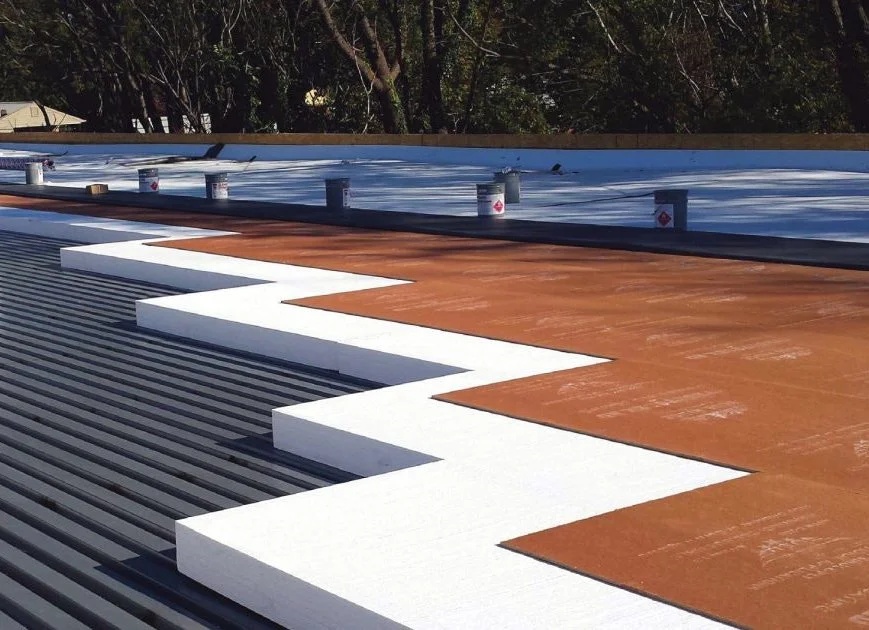
In der Bauarbeit wird EPS wegen seiner wärmesparenden Leistung und Wasserbeständigkeit häufig in Wärmeplatten wie F Material flammhemmender Typ REPS eingesetzt. Diese Gegenstände haben gute Wärmeblockierende Fähigkeiten, die den Energieverbrauch in Strukturen senken. Darüber hinaus geben Graphitverstärkte Typen wie S-33 bis zu 20% bessere Blockierung als grundlegende. Sie erfüllen auch die Brandsicherheitsanforderungen der Klasse B1. Dies macht sie perfekt für energiesparende Hausprojekte.
Verpackungsindustrie profitiert von EPS-Vielseitigkeit
Das Verpackungsfeld profitiert viel von leichten, aber schwierigen Wahlen wie der B Material Quick Grade-Precision Instrument Packaging Box. Es vermischt hohe Schlagbeständigkeit mit einer glatten Außenschicht für feine Elektronik oder medizinische Werkzeuge. Die Verwendung von HUASHENGs EPS-Schaumstoffverpackungen reduziert den Bedarf an zu viel Material. Gleichzeitig balanciert es die Produktsicherheit mit grünen Zielen. Die kundenspezifische Formgebung ermöglicht genaue Passformen und reduziert den Abfall bei großen Herstellungsläufen.
Zukünftige Entwicklungen in der EPS-Technologie bis 2026 und darüber hinaus
Da Felder bessere Ergebnisse mit weniger Schaden für die Natur verfolgen, kommen frische Schaumstoffpolystyrol-Techniker schnell.
Innovationen zur Verbesserung der Materialleistung
Studien zielen darauf ab, winzige Materialien in Polymerbasen hinzuzufügen, um die Brandsicherheit zu erhöhen und Stärke zu erhöhen. Und Mischschäume, die Zerbrechungsteile mit üblichem Polystyrol mischen, sind im Gange. Sie wollen leichtere, aber grünere Mischungen für unterschiedliche Fabrikbedürfnisse herstellen.
Nachhaltigkeitstrends treiben die nächste Generation von Schaumstoffpolystyrol-Materialien voran
Hersteller nehmen mehr Full-Loop-Systeme auf. Diese gewährleisten eine vollständige Verfolgung vom Ausgangsmaterial bis zum Recycling nach dem Gebrauch. Fortgeschrittene Computerprojektwerkzeuge wie CAE ermöglichen genaue EPS-Schaumstoffpläne, die die Ergebnisse verbessern und gleichzeitig natürliche Schäden reduzieren. Die Arbeit zwischen Machern, Regelgruppen und Studienzentren wird weiterhin grüne neue Ideen bilden. Diese werden neu gestalten, wie Schaumstoffmaterialien den Feldern der Welt helfen.
FAQ (häufig gestellte Fragen)
Q1: Was unterscheidet expandiertes Polystyrol von anderen Schaumstoffmaterialen?
A1: Im Gegensatz zu Polyurethan- oder Polyethylenschäumen, die für die Stabilität von schwerer Konstruktion abhängen, hält EPS auch bei geringer Masse seine Form fest. Dies kommt aus seinem versiegelten Zellenaufbau, der sowohl Festigkeit als auch Wärmeblockierende Kraft bietet.
Q2: Wie verbessert das moderne Recycling die Nachhaltigkeit von Schaumstoffpolystyrol?
A2: Neue Recyclingmethoden drücken den Abfall auf ein Verhältnis von 50:1, bevor er in frische Gegenstände verwandelt wird. Dieser Schleifenweg reduziert den Ressourcenverbrauch stark und senkt die Kohlenstoffausgabe über die gesamte Versorgungsleitung hinweg.
Q3: Wo finde ich leistungsstarke flammhemmende oder graphitmodifizierte EPS-Lösungen?
A3: Top-Auswahl wie die von HUASHENG - einschließlich F Material Flammschutz Typ REPS- bieten bessere Sicherheitsniveaus zusammen mit feinen Wärmeeigenschaften. Sie eignen sich für Bau- oder genaue Verpackungsaufgaben.
 German
  English
  Spanish
  French
  Arabic