
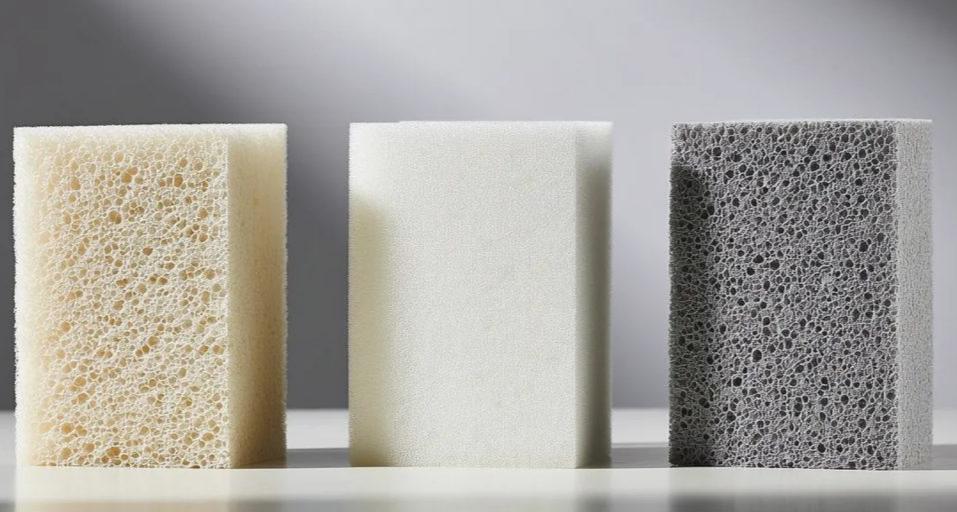
Die Schaumdichte erweist sich als Schlüsselfaktor, der die Eigenschaften von expandiertem Polystyrol beeinflusst (EPS) Die Dichte spielt eine entscheidende Rolle bei Verpackungen. Einkaufsingenieure und Verpackungsdesigner müssen verstehen, wie sich die Dichte auf Festigkeit, Isolierung und Kosten auswirkt. Dieses Wissen hilft ihnen, das richtige Gleichgewicht zwischen Schutz und Effizienz zu finden.
Schaumstoffdichte in EPS-Verpackungsmaterialien
Definition der Schaumdichte und ihre Messung
Die Schaumdichte bezeichnet die Masse pro Volumeneinheit von expandiertem Polystyrolschaum. Diese Eigenschaft wird üblicherweise in Kilogramm pro Kubikmeter (kg/m³) angegeben.3oder Pfund pro Kubikfuß (lb/ft³)3Die Dichte gibt die Materialmenge pro Volumeneinheit an. Eine hohe Dichte bedeutet einen höheren Polystyrolanteil und einen geringen Luftanteil.
Der Zusammenhang zwischen Schaumstruktur und Dichte
Die Zellstruktur von EPS-Schaumstoff steht in direktem Zusammenhang mit seiner Dichte. Dichterer Schaumstoff weist kleine, dicht gepackte Zellen auf, was zu Festigkeit und Haltbarkeit beiträgt. Schäume mit geringerer Dichte hingegen enthalten große Lufteinschlüsse, die zwar für ein geringes Gewicht sorgen, aber die Tragfähigkeit verringern.
Die Zellstruktur ist entscheidend für die Wärmedämmung und die Dämpfungseigenschaften von EPS-Schäumen. Dichteres EPS-Material schränkt den Luftaustausch zwischen den Zellen ein und bietet dadurch bessere Dämmeigenschaften. Dies ist insbesondere in der Logistikbranche wichtig, wenn das Material eine bestimmte Temperatur halten muss. Schäume mit geringerer Dichte eignen sich für Materialien, die die Transportkosten senken sollen.
Faktoren, die die Schaumdichte bei der EPS-Produktion bestimmen
Mehrere Variablen beeinflussen die Schaumdichte während der Herstellung. Diese reichen von den Rohstoffen bis hin zu den Umgebungsbedingungen. Jede einzelne trägt maßgeblich dazu bei, die Zielvorgaben für verschiedene Verpackungsanwendungen zu erfüllen.
Rohmaterialzusammensetzung und Perlenart
Die Art des expandierbaren Polystyrolharzes bestimmt das Expansionspotenzial der Kügelchen. Die Größe der vorexpandierten Kügelchen beeinflusst die Gleichmäßigkeit der endgültigen Schaumzellen. Kleinere Kügelchen führen tendenziell zu dichteren Strukturen, die sich für präzise Verpackungseinsätze eignen. Additive wie Flammschutzmittel oder Farbstoffe können die Dichte geringfügig verändern und gleichzeitig Sicherheits- oder optische Eigenschaften hinzufügen.
Das unabhängige Design von REPS Anlagen zur Rohstoffproduktion ermöglichen die Herstellung von Partikeln mit unterschiedlichen Korngrößen. Diese Flexibilität erlaubt es Herstellern, die Partikelverteilung an die jeweiligen Projektanforderungen anzupassen. Ein Beispiel hierfür ist die Verwendung von Partikeln mit einer Größe von 0,65–0,8 mm für Schalenverpackungen, die eine strukturelle Verfeinerung erfordern.
Verarbeitungsbedingungen während der Expansion und Formgebung
Dampfdruck und Temperatur steuern die Expansionsgeschwindigkeit der Schäumperlen beim Vorschäumen. Der Formdruck bestimmt, wie dicht die Perlen verschmelzen. Zu hohe Verdichtung kann die Dichte erhöhen, aber gleichzeitig die Sprödigkeit erhöhen. Zu geringer Druck kann zu schwachen Bindungsstellen führen. Auch die Abkühlzeit beeinflusst die Dimensionsstabilität. Schnelles Abkühlen kann innere Spannungen oder Schrumpfungsunterschiede in den Blöcken oder Formteilen verursachen.
Umwelt- und Gerätevariablen
Die Luftfeuchtigkeit beeinflusst den Feuchtigkeitsgehalt der Granulate vor dem Formen. Diese Veränderung kann die Expansionsgleichmäßigkeit verschiedener Chargen beeinträchtigen. Gut kalibrierte Anlagen tragen dazu bei, auch bei schwankenden Bedingungen stabile Ergebnisse zu erzielen. Die Lagerbedingungen vor dem Formen spielen ebenfalls eine Rolle. Gealterte Granulate expandieren in der Regel gleichmäßiger als frische, da sich die Pentan-Gasdiffusion in ihnen stabilisiert hat.
Auswahl der geeigneten Schaumstoffdichte für Verpackungsanwendungen
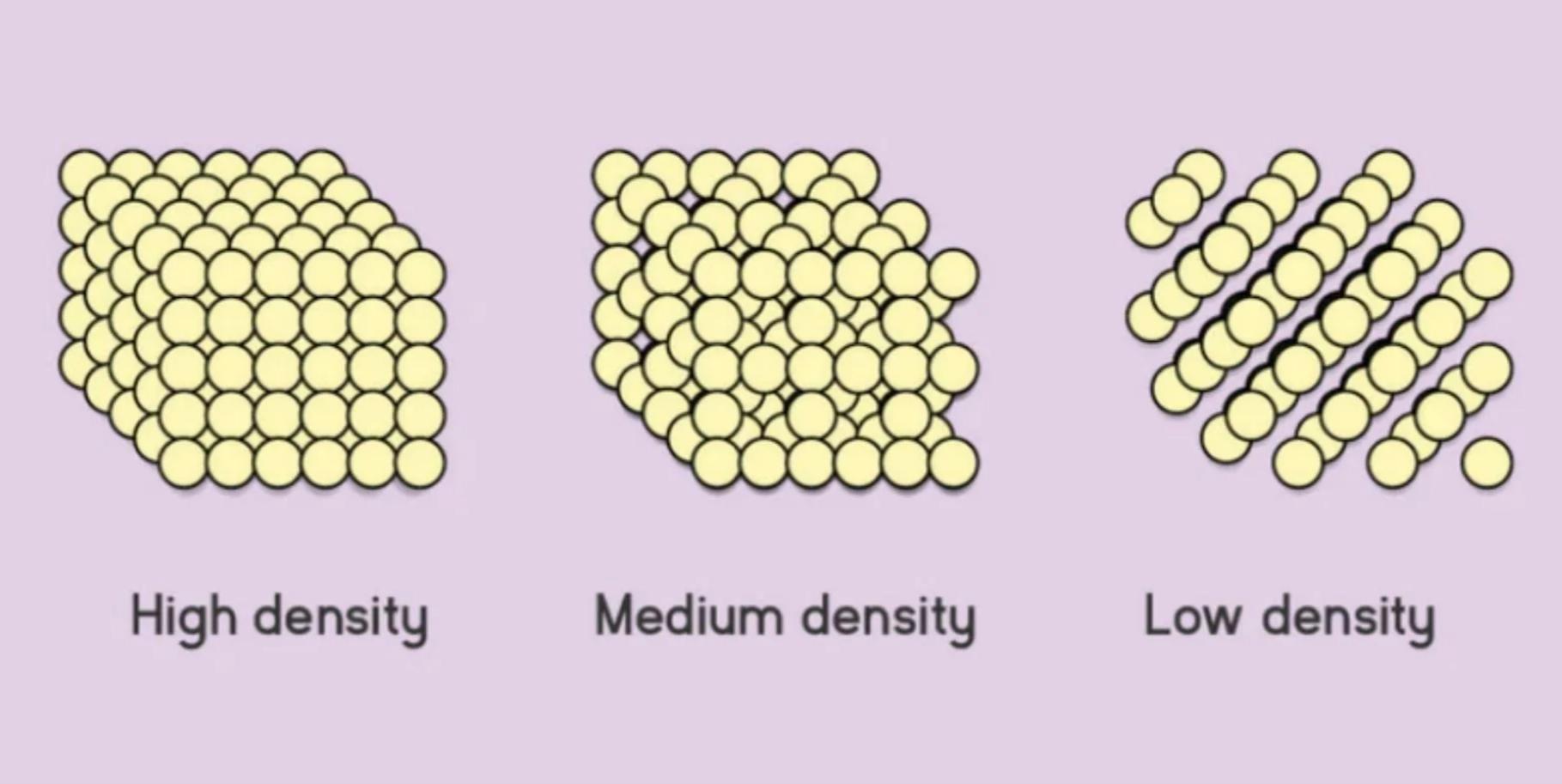
Die Wahl der richtigen Schaumdichte bedeutet, die mechanischen Anforderungen mit den wirtschaftlichen Grenzen in Einklang zu bringen und gleichzeitig die Handhabungsstandards in jedem Sektor zu erfüllen.
Dichte an Produktanforderungen anpassen
In der Elektronik werden häufig EPS-Materialien mit mittleren bis hohen Dichten (zwischen 20 und 30 kg/m³) benötigt, um Vibrationen zu reduzieren, ohne das Gewicht wesentlich zu erhöhen. Für die Lagerung von Lebensmitteln eignen sich EPS-Materialien mit niedrigeren Dichten (10 bis 15 kg/m³), da sie die Wärme speichern und das Gewicht gering halten. In Industriemaschinen kommen geschichtete EPS-Materialien zum Einsatz. Starre Außenschalen und weichere Innenkerne absorbieren unterschiedliche Stoßstärken effizient.
Abwägung von Kosten, Gewicht und Leistung bei Konstruktionsentscheidungen
Eine hohe Dichte erhöht zwar Festigkeit und Tragfähigkeit, steigert aber den Bedarf an Rohstoffen und damit deren Kosten. Leichte Verpackungen reduzieren die Logistikkosten, können jedoch bei ungeeigneter Auswahl die Festigkeit beeinträchtigen. Die Einkaufsabteilung sollte sich bei der Auswahl von Verpackungen an den Transportentfernungen, der Handhabung und der Empfindlichkeit der Produkte orientieren, anstatt eine pauschale Spezifikation für alle Artikelnummern zu verwenden.
Die Rolle der Schaumdichte für die Verpackungsleistung
Die Schaumstoffdichte bestimmt sowohl die mechanische Stabilität als auch die Energieabsorptionseffizienz während des Transports. Sie steht daher im Mittelpunkt von Produktschutzkonzepten in allen Branchen, von der Elektronik bis hin zu Automobilkomponenten.
Auswirkungen auf Stoßdämpfung und Dämpfungseffizienz
EPS mit höherer Dichte bietet eine stärkere Stoßfestigkeit für schwere oder zerbrechliche Gegenstände wie z. B. Präzisionsinstrumente oder Keramik. Es verteilt Stoßbelastungen gleichmäßig über die Schaumstoffmatrix. Varianten mit geringerer Dichte bieten eine leichte Polsterung, die sich für weniger empfindliche Güter eignet, wenn Kostenkontrolle wichtiger ist als extremer Schutz. Die Berücksichtigung dieser Faktoren führt zu einem guten Preis-Leistungs-Verhältnis bei großen Verpackungsprojekten.
Für die Verpackungs- und Transportindustrie bietet HUASHENG leichte und dennoch robuste EPS-Schaumstofflösungen. Diese schützen Waren während des Transports vor Stößen, Vibrationen und Erschütterungen. Die speziell entwickelten Schaumstoffdichten tragen somit direkt zur Produktsicherheit während des gesamten Vertriebszyklus bei.
Einfluss auf die Wärmedämmeigenschaften
Dichterer Schaumstoff reduziert den konvektiven Wärmeaustausch zwischen den Zellen und verbessert die Wärmebeständigkeit. Diese Eigenschaft ist entscheidend für Kühlkettenboxen oder temperaturempfindliche Arzneimittel. EPS mit niedriger Dichte eignet sich zwar weiterhin für Leichtbauanwendungen, bietet aber unter dauerhafter Kompression eine geringere strukturelle Steifigkeit.
Die EPS-Schaumprodukte von HUASHENG bieten im Bereich der Gebäudedämmung eine hohe Wärmedämmleistung und tragen zur Senkung des Energieverbrauchs bei. Dasselbe Prinzip gilt für die Entwicklung von isolierten Verpackungssystemen, die einen kontrollierten Wärmefluss erfordern.
Beschaffungsleitfaden für die Auswahl von EPS-Schaumstoff-Verpackungsmaterialien
Bei der Beschaffung von EPS-Verpackungsmaterialien in großem Umfang tragen strukturierte Bewertungskriterien dazu bei, sowohl die technische Eignung als auch die Lieferzuverlässigkeit über langfristige Verträge hinweg sicherzustellen.
Dichte und Produktrisiko in Einklang bringen
Schwere oder zerbrechliche Güter sollten mit hochdichtem Verpackungsmaterial transportiert werden. Leichte Fracht oder Kurzstreckentransporte können kostengünstig mit niedrigdichtem Verpackungsmaterial erfolgen. Vermeiden Sie pauschale Einkäufe auf Basis einer einzigen Dichte, die Produktunterschiede außer Acht lässt.
Partikelgröße und Formstabilität prüfen
Kleine Partikelgrößen eignen sich für Präzisionseinsätze wie Instrumentengehäuse. Größere Partikel passen in einfache Polsterblöcke. Prüfen Sie die Konsistenz der Formgebung stets durch Stichproben, bevor Sie größere Bestellungen aufgeben.
Bestätigen Sie die Festigkeit und Dämpfungsleistung.
Prüfen Sie die Druckfestigkeitswerte aus den Prüfberichten der Lieferanten. Führen Sie Falltests durch, die reale Logistikbedingungen simulieren. Obligatorische Prüfungen sind wichtig, insbesondere bei Exporten über lange Strecken, wo Vibrationsermüdung eine entscheidende Rolle spielt.
Lieferantenkonstanz und Kostenstruktur bewerten
Priorisieren Sie Lieferanten mit stabiler Chargenfertigung gegenüber dem niedrigsten Stückpreis. Prüfen Sie Mindestbestellmenge (MOQ), flexible Lieferzeiten und die Abstimmung der Produktionskapazität mit den Projektplänen. Stabile Lieferketten erzielen in langfristigen Projekten bessere Ergebnisse als kurzfristige Rabatte.
HUASHENG hat ein digitales Zwillingslabor aufgebaut, das Materialgenbanken und Prozesssimulationssysteme umfasst. Diese Digitalisierung gewährleistet reproduzierbare Qualität bei kundenspezifischen Aufträgen. Dies erweist sich als klarer Vorteil bei der Verwaltung mehrerer regionaler Lager nach einheitlichen Spezifikationen.
Berücksichtigen Sie die gesamten Verpackungskosten.
Berücksichtigen Sie neben dem Materialpreis auch die Ausnutzung des Kartonvolumens, die Bruchquote während des Transports und die Frachtkosten im Verhältnis zum Gesamtgewicht der Verpackung. Die Optimierung der Verpackungsstruktur führt oft zu größeren Einsparungen als reine Preisverhandlungen.
Für Projekte, die recycelbare Lösungen mit gleichbleibenden mechanischen Eigenschaften benötigen, bietet HUASHENG die passende Lösung. EcoPack – recycelbare Verpackung Die Verpackungskosten konnten um 28 % gesenkt und gleichzeitig die ESG-Bewertung um 22 Punkte verbessert werden. Das Ergebnis belegt einen messbaren Mehrwert über den gesamten Lebenszyklus hinweg, der über die Kennzahlen des ursprünglichen Beschaffungspreises hinausgeht.
FAQ (häufig gestellte Fragen)
Frage 1: Welcher Schaumstoffdichtebereich wird am häufigsten für die Verpackung von Elektronikprodukten verwendet?
A1: Die Dichte liegt üblicherweise zwischen 20 kg/m³ und 30 kg/m³, abhängig vom Grad der Sprödigkeit. EPS mit mittlerer bis hoher Dichte, wie z. B. HUASHENGDie B-Serie bietet eine starke Vibrationsdämpfung ohne unnötige Masse hinzuzufügen.
Frage 2: Wie beeinflusst die Umgebungsfeuchtigkeit die endgültige Schaumqualität?
A2: Hohe Luftfeuchtigkeit erhöht den Feuchtigkeitsgehalt der Schaumperlen vor dem Formen und kann zu ungleichmäßiger Ausdehnung führen. Die Einhaltung kontrollierter Lagerbedingungen trägt dazu bei, eine gleichbleibende Schaumdichte über verschiedene Chargen hinweg zu gewährleisten.
Frage 3: Kann HUASHENG kundenspezifische Dichten für bestimmte Industrieprojekte liefern?
A3: Ja. Dank seiner fortschrittlichen Materialgenbank und seines Prozesssimulationssystems passt HUASHENG wichtige Produkteigenschaften flexibel an die Kundenspezifikationen an. Kunden erhalten maßgeschneiderte Lösungen, die vom Design bis zum Kundendienst reichen und innerhalb von 24 Stunden nach Anfragebearbeitung bereitgestellt werden. Der Service eignet sich hervorragend für groß angelegte industrielle Verpackungsprojekte, die präzisionsgefertigte EPS-Schaumstoffe benötigen.
 German
  English
  Spanish
  French
  Arabic