
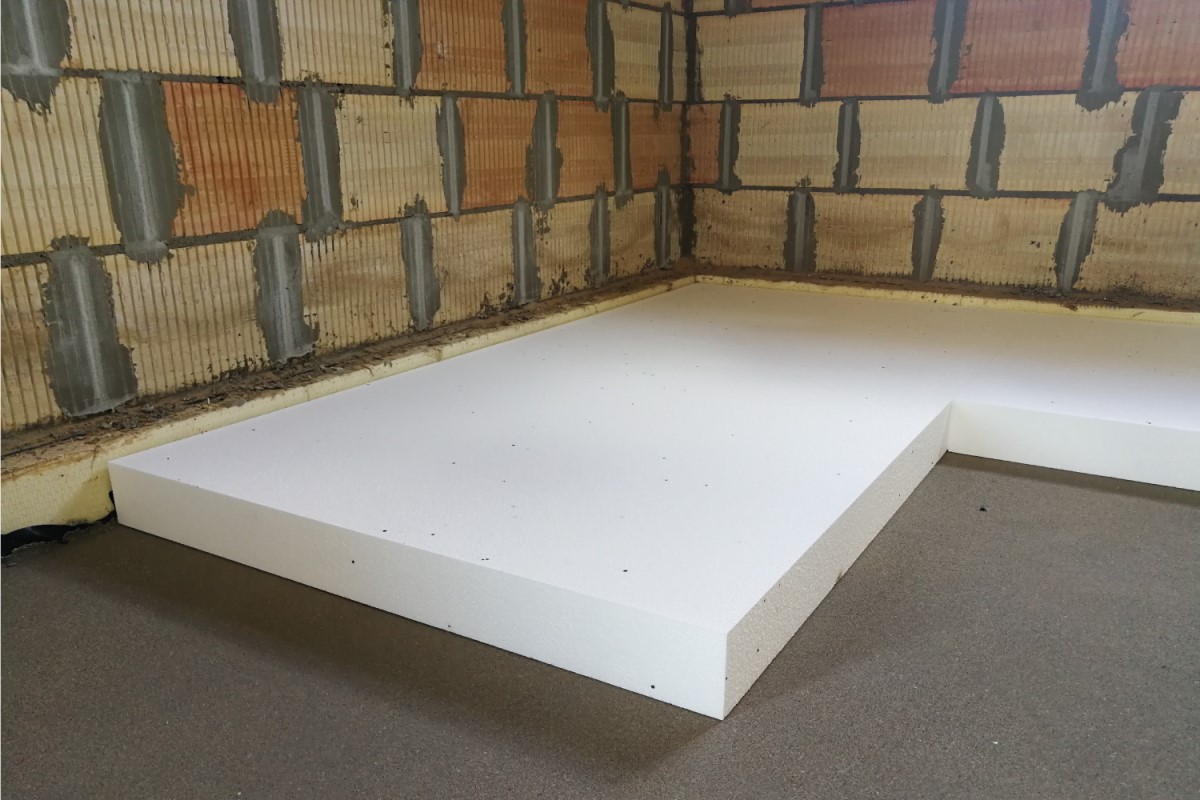
EPS EPS-Dämmstoffe werden häufig eingesetzt, da sie leicht und temperaturbeständig sind und sowohl im Bauwesen als auch in der Verpackung Verwendung finden. Wenn Sie verstehen, wie EPS-Dämmstoffe funktionieren, können Sie besser einschätzen, in welchen Situationen sie ihre Funktion optimal erfüllen und wann zusätzlicher Schutz erforderlich ist.
EPS-Dämmung verstehen
Definition von EPS
EPS (expandiertes Polystyrol) ist ein leichter, formstabiler, geschlossenzelliger Schaumstoff, der durch die Expansion von Polystyrolkügelchen mit Wasserdampf hergestellt wird. Er findet breite Anwendung in Dämmplatten, Schutzverpackungen, Kühlboxen, Baumaterialien und anderen Bereichen, die geringes Gewicht, Polsterung und Wärmedämmung erfordern.
Wie EPS-Dämmung funktioniert
EPS-Dämmung, die auf dem physikalischen Prinzip der Lufteinschließung basiert, verhindert Wärmeverluste. Die geschlossenen Zellen des EPS schließen Luft ein und verhindern so die Wärmeleitung. Dank ihrer sehr geringen Wärmeleitfähigkeit eignet sich EPS hervorragend zur Aufrechterhaltung einer angenehmen Raumtemperatur. Hochwertige EPS-Schaumisolierung bietet eine perfekte Wärmebarriere und trägt dazu bei, dass die Raumtemperatur das ganze Jahr über komfortabel bleibt – ganz ohne Klimaanlage oder Heizung.
Die Struktur von EPS bietet zudem eine ausgezeichnete Feuchtigkeitsbeständigkeit und langfristige Dimensionsstabilität. Für Anwendungen mit starker Beanspruchung, HUASHENG hat einen bahnbrechenden Durchbruch in der Nanoporentechnologie erzielt. Durch die Simulation von Quantencomputern mittels gerichteter Molekülkettenwebtechnik wird ein wabenartiges, dreidimensionales mikroporöses Netzwerk erzeugt.
Materialzusammensetzung und Herstellungsprozess
Der Großteil der Schaumstoffe wird durch eine Kombination aus chemischen und mechanischen Verfahren zu Hochleistungsdämmstoffen verarbeitet. Für den Einkäufer ist es daher unerlässlich, den Beschaffungsprozess zu verstehen und die richtige Materialqualität auszuwählen.
Die in der EPS-Produktion verwendeten Rohstoffe
EPS wird aus Polystyrolkügelchen hergestellt. Um die Kügelchen während der Produktion zum Aufquellen zu bringen, wird Pentangas verwendet. Manche Hersteller fügen weitere Stoffe hinzu, um die Feuerbeständigkeit zu verbessern oder die Lebensdauer zu verlängern.
Die Phasen der EPS-Herstellung
Vorexpansionsprozess
Polystyrolkügelchen werden mit Wasserdampf erhitzt und auf das bis zu 40-fache ihrer ursprünglichen Größe expandiert. Die Kügelchen weisen eine einheitliche Größe auf, und die entstehenden Schaumpartikel sind fließfähig. Dies ist der entscheidende Schritt für die endgültige Dichte des Dämmstoffs.
Reifungsstadium
Die expandierten Kügelchen werden gealtert, um Innendruck und Feuchtigkeit zu stabilisieren. Dadurch haben die Kügelchen ausreichend Zeit, sich gleichmäßiger zu verdichten, was die Verschmelzung im nächsten Produktionsschritt verbessert. Die ausreichende Alterung reduziert zudem das Risiko von Schrumpfung nach dem Einbau des EPS-Materials und trägt dazu bei, dass die fertige Schaumstoffplatte Form und Größe zuverlässiger beibehält.
Formen und Gestalten
Das hochentwickelte Material wird zu Kügelchen verarbeitet und aushärten gelassen. Anschließend wird es in einer Anlage durch Dampffusion zu Blöcken oder individuellen Formen geformt. Die Produktfusion ist gut, und die hohe Schlagfestigkeit bleibt im gesamten Block erhalten.
Thermische und physikalische Eigenschaften von EPS-Dämmstoffen
Die technischen Daten von EPS-Dämmstoffen helfen dabei, festzustellen, ob diese für die Witterungsbedingungen und das Gebäude geeignet sind. Anhand dieser Daten lässt sich überprüfen, ob das Gebäude den geltenden Vorschriften entspricht.
Typische Wärmeleitfähigkeitswerte liegen je nach Dichte im Bereich von 0,032 W/m·K bis 0,038 W/m·K. Für Anwendungen mit hohen Leistungsanforderungen liegt die Wärmeleitfähigkeit von S-32 unter 0,032 W/m·K. Zum Vergleich: Die Wärmeleitfähigkeit von herkömmlichem EPS beträgt 0,039 W/m·K. Die Wärmedämmleistung von S-32 ist somit um mehr als 25 % verbessert. Dank seiner geschlossenzelligen Struktur bietet S-32 eine stabile Langzeit-Wärmedämmleistung.
Es eignet sich sowohl für Anwendungen in kalten als auch in warmen Klimazonen. Die hohe Druckfestigkeit ermöglicht den Einsatz unter Fußböden, Dächern und Wänden. Bei fachgerechter Installation ist das Material formbeständig unter Last. Es behält seine Leistungsfähigkeit auch nach längerer Einwirkung von Umwelteinflüssen. Dadurch wurde die Druckfestigkeit erhöht. REPS Materialien um 40 % verbessert, was das internationale Niveau fortgeschrittener Unternehmen deutlich übertrifft.
Anwendungen von EPS-Dämmstoffen im modernen Bauwesen
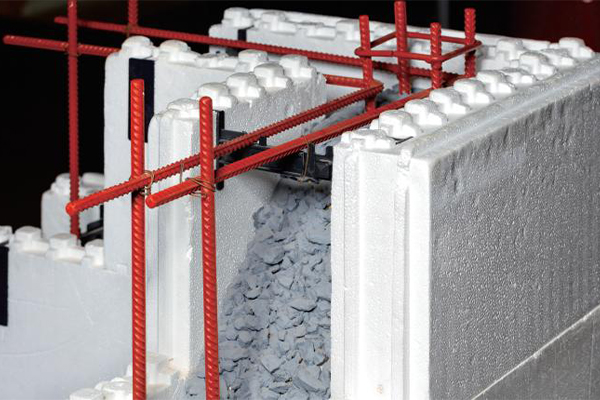
EPS-Dämmung ist äußerst vielseitig und kann in nahezu alle Bauteile vom Fundament bis zum Dach integriert werden. Die Leichtbauweise bietet erhebliche logistische Vorteile bei Großprojekten.
Im Bereich der Gebäudehülle wird es häufig in Wärmedämmverbundsystemen (WDVS) eingesetzt. Diese Produkte zeichnen sich durch hervorragende Wärmedämmeigenschaften aus und reduzieren so effektiv den Energieverbrauch von Gebäuden. Sie verbessern die Wärmeeffizienz in Wohn- und Gewerbegebäuden und sind mit verschiedenen Oberflächensystemen, einschließlich Putz und Verkleidungen, kompatibel.
In Dach- und Bodensystemen dient es als tragende Dämmung unter Betonplatten oder Estrich. Es reduziert Wärmebrücken bei Flach- und Umkehrdachkonstruktionen und vereinfacht durch sein geringes Gewicht die Handhabung bei der Installation.
Im Tiefbau wird es als Leichtfüllmaterial für Straßendämme oder Brückenzufahrten verwendet. Aufgrund seiner geringen Dichte reduziert es Setzungsprobleme auf schwachen Untergründen und bietet ein vorhersehbares Verhalten unter statischen und dynamischen Belastungen.
Umweltaspekte der EPS-Dämmung
Bauherren müssen heute umweltfreundlicher bauen. EPS-Dämmung hilft Gebäuden, die Standards für Umweltzertifizierungen zu erfüllen. Dieses Material wird heute vielfältig eingesetzt, weil… neue Recyclingmethoden existieren.
Die wichtigsten Vorteile der EPS-Dämmung hinsichtlich Energieeffizienz und Reduzierung des CO2-Fußabdrucks sind energieeffiziente Gebäude mit reduzierten Treibhausgasemissionen für die Umwelt während der gesamten Lebensdauer des Gebäudes, Energieeinsparungen und ein geringerer Heiz- und Kühlbedarf mit entsprechend reduzierten betrieblichen CO2-Emissionen.
EPS ist nicht nur ein Dämmstoff, sondern auch vollständig recycelbar. Durch mechanisches und chemisches Recycling verarbeitet HUASHENG bereits 300.000 Tonnen gebrauchtes EPS pro Jahr und spart dadurch 1.500.000 Tonnen Rohöl und 1.200.000 Tonnen CO₂ ein. Die Produktionsabfälle von HUASHENG werden vollständig zu neuem Dämmstoff verarbeitet, beispielsweise zu dem innovativen, flammhemmenden Material der Klasse F.
Warum EPS auch 2026 eine bevorzugte Wahl bleibt – Bautrends
EPS ist aufgrund seiner Kosteneffizienz auch für zukünftige Baustandards das Material der Wahl. Angesichts des weltweit zunehmenden Einsatzes digitaler Fertigungsmethoden und modularer Bauweisen wird EPS auch in Zukunft eine wichtige Rolle spielen.
EPS ist ein kostengünstiges Dämmmaterial, das ein optimales Verhältnis von Preis, Wärmeleistung und Lebensdauer bietet. Da es lokal produziert wird, spart es im Vergleich zu Importalternativen Transportkosten. Die Produktionskosten von EPS sind im Vergleich zu Hartschaumstoffen wie XPS und PIR-Platten am niedrigsten, weshalb kostenbewusste Bauherren für ihre Projekte auf hochwertige Materialien setzen.
Wie bereits erwähnt, ist der Wartungsaufwand minimal, um die langfristigen wirtschaftlichen Vorteile des Bauens mit EPS zu gewährleisten. Darüber hinaus erfüllt EPS alle Anforderungen der sich ständig weiterentwickelnden globalen Bauvorschriften zur Energieeffizienz und ist gleichzeitig mit den meisten modernen Bautechniken, einschließlich Fertigteil- und Modulbauweise, kompatibel.
Im Jahr 2026 werden weiterhin Forschung und Entwicklung betrieben, um das Brandverhalten, die Umweltverträglichkeit und die Gestaltungsflexibilität von EPS-Systemen zu verbessern. Der Markt für Dämmstoffe wird voraussichtlich wachsen, da nachhaltiges Bauen weltweit immer beliebter wird.
FAQ (häufig gestellte Fragen)
Frage 1: Wie hoch sind die Kosten für EPS-Dämmung im Vergleich zu anderen Hartschaumplatten?
A1: EPS-Dämmstoffe sind hinsichtlich des Kosten-Nutzen-Verhältnisses wettbewerbsfähiger als XPS- und PIR-Dämmstoffe. Die lokale Produktion mit einem effizienten Dampfexpansionsverfahren für EPS-Dämmstoffe trägt zur Senkung der Transport- und Produktionskosten bei. Bei großen Projekten ist die Auswahl hochwertiger Materialien empfehlenswert. E-Standard-Materialien Durch die Zusammenarbeit mit kostengünstigen Lieferanten wie Lanzhou Huasheng New Materials Co., Ltd. können die Gesamtbeschaffungskosten minimiert und gleichzeitig die Anforderungen an die thermische Leistung erfüllt werden.
Frage 2: Ist EPS-Dämmung für die hohen Brandschutzstandards von Gewerbegebäuden geeignet?
A2: Ja. EPS-Dämmstoffe sind in speziellen schwer entflammbaren Ausführungen erhältlich. Diese Dämmstoffe enthalten Zusätze, die das Material selbstverlöschend machen. Die fachgerechte Montage innerhalb der Gebäudehülle und die Verkleidung mit geeignetem Putz oder einer geeigneten Fassadenverkleidung gewährleisten die Einhaltung der geltenden Brandschutzbestimmungen für Wohn- und Gewerbegebäude.
Frage 3: Ist es möglich, recyceltes EPS in Bauprojekten einzusetzen?
A3: Moderne Fertigungsverfahren ermöglichen es, hohe Anteile an Recyclingmaterial zu integrieren, ohne die strukturelle Integrität zu beeinträchtigen. Fortschrittliche „REPS“-Materialien nutzen eine gerichtete Webtechnologie für Molekülketten, um die Druckfestigkeit im Vergleich zu herkömmlichen Materialien um bis zu 40 % zu erhöhen. Dadurch eignen sie sich für tragende Anwendungen im Bodenbau und im Tiefbau.
 German
  English
  Spanish
  French
  Arabic