
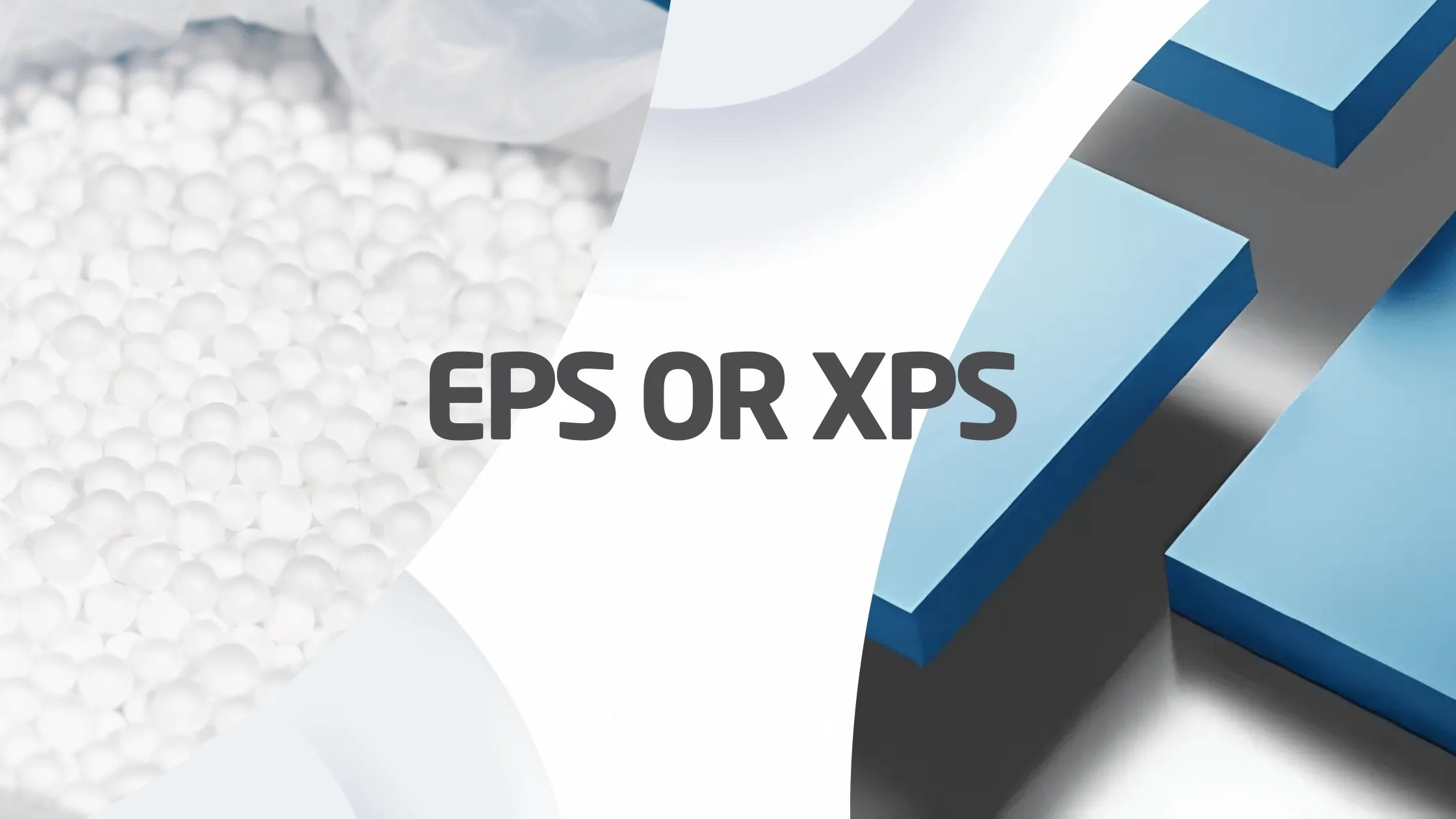
EPS und XPS Beide zählen zu den Polystyrol-basierten Schaumstoffen, unterscheiden sich jedoch in ihrer Zusammensetzung, den Herstellungsverfahren, dem Verhalten bei Wasser und ihren Anwendungsbereichen. EPS wird aus expandierten Kügelchen hergestellt, XPS hingegen durch Extrusion. Daher bietet jedes Material spezifische Vorteile hinsichtlich Hitzebeständigkeit, Druckfestigkeit und Kostenkontrolle. Die Kenntnis dieser Unterschiede hilft Verbrauchern, den optimalen Schaumstoff für Bauprojekte, Verpackungsarbeiten und dauerhafte Ergebnisse auszuwählen.
Überblick über EPS- und XPS-Materialien
Expandiertes Polystyrol (EPS) und extrudiertes Polystyrol (XPS) werden häufig für Wärmedämmung und Verpackungen eingesetzt, unterscheiden sich jedoch stark in ihren Herstellungs- und Produkteigenschaften. Das Verständnis dieser Unterschiede ist für Planer, Bauherren und Hersteller, die Energie- und Kosteneinsparungen erzielen möchten, von großer Bedeutung.
Definition von EPS
EPS dient als leichter, fester, geschlossenzelliger Hitzeschild aus vorexpandierten Polystyrolkügelchen. Es bleibt flexibel und lässt sich je nach Bedarf in verschiedene Dichten und Formen bringen. EPS wird aufgrund seines günstigen Preises und des hohen Hitzeschutzes geschätzt.
XPS verstehen
XPS entsteht durch ein Extrusionsverfahren, das eine gleichmäßige, geschlossenzellige Struktur erzeugt. Dadurch ist es druckbeständiger und wasserabweisender als EPS. Es wird häufig für Fundamentwände, Dachkonstruktionen und unterirdische Bereiche eingesetzt, wo dauerhafte Wasserdichtigkeit entscheidend ist. Zudem gewährleistet das gleichmäßige Produktionsverfahren eine durchgängige Dichte der gesamten Platte.
Unterschiede im Herstellungsprozess zwischen EPS und XPS
Obwohl beide Materialien aus Polystyrolharz hergestellt werden, führen ihre Herstellungsverfahren zu klar definierten physikalischen Eigenschaften, die sich auf ihre Leistungsfähigkeit auswirken.
Das Herstellungsverfahren von EPS
Die EPS-Herstellung erfordert das Vorexpandieren von Polystyrolkügelchen mit Dampf, gefolgt von deren Formgebung zu Blöcken oder Formen. Dadurch lässt sich die Dichte je nach gewünschtem Ergebnis anpassen. Zudem benötigt dieses Verfahren weniger Energie als die Extrusionsverfahren für XPS.
Das Herstellungsverfahren von XPS
Beim XPS-Verfahren hingegen wird Polystyrolharz erhitzt, um es zu schmelzen, und anschließend durch eine Düse gepresst, um fortlaufende Platinen mit winzigen, geschlossenen Zellen herzustellen. Dadurch entstehen weniger Hohlräume, allerdings ist der Energieaufwand in der Regel höher. Letztendlich erhält man ein dickeres Material mit verbesserten mechanischen Eigenschaften, das sich gut für schwere oder feuchte Umgebungen eignet.
Vergleich der physikalischen Eigenschaften
Die Haupteigenschaften von EPS und XPS entscheiden darüber, wie gut sie für verschiedene Bauaufgaben geeignet sind.
Variationen der Dichte und Druckfestigkeit
XPS weist aufgrund seiner dichten Zellstruktur üblicherweise eine höhere Dichte und Druckfestigkeit als EPS auf. HUASHENG’Die Druckfestigkeit von REPS-Materialien wurde um 40 % gesteigert und übertrifft damit die weltweiten Spitzenwerte deutlich. Dieses Beispiel zeigt, wie neue Technologien die Leistungsunterschiede zwischen herkömmlichem EPS und XPS verringern können.
Feuchtigkeitsaufnahmeeigenschaften
Dank seiner glatten Zellstruktur ist XPS wasserundurchlässiger als EPS. Neuere, wasserabweisende EPS-Sorten erreichen jedoch eine Wasseraufnahme von unter 0,5 %, wodurch sie sich für kurzfristige Abdichtungsarbeiten eignen.
Analyse der thermischen Leistung
Die Wärmestromdichte wird als wichtiges Kriterium bei der Beurteilung dieser beiden Hitzeschutzmaterialien herangezogen.
Wärmeleitfähigkeitswerte (R-Werte)
Jedes dieser Materialien bietet einen guten Hitzeschutz. XPS erzielt aufgrund seiner dickeren Bauweise oft etwas bessere Wärmedämmwerte pro Zoll. HUASHENGs S-33 Graphitpolystyrol weist eine Wärmeleitfähigkeit von ≤ 0,033 W/M·K auf und steigert die Dämmleistung im Vergleich zu herkömmlichem EPS mit 0,039 W/M·K um über 20 %.
Überlegungen zur langfristigen Dämmleistung
Mit der Zeit kann die Gasbewegung die Wärmedämmung (R-Wert) von XPS-Platten verringern. Im Vergleich dazu behält EPS, sofern es vor eindringender Feuchtigkeit geschützt ist, eine gleichbleibende Wärmedämmung bei – insbesondere bei graphitmodifizierten Typen, die für dauerhafte Gebäudeverkleidungen geeignet sind.
Umweltauswirkungen und Nachhaltigkeitsfaktoren
Nachhaltigkeit spielt eine größere Rolle bei der Auswahl von Baumaterialien für Bereiche, die nach kohlenstoffarmen Lösungen suchen.
Energieverbrauch und CO2-Fußabdruck in der Produktion
Die EPS-Herstellung benötigt im Allgemeinen weniger Energie als die extrusionsbasierte XPS-Fertigung, da EPS durch die Expansion von Polystyrolkügelchen mit Dampf und deren anschließende Formgebung hergestellt wird. Dieses Verfahren kann den Gesamtenergiebedarf der Produktion reduzieren, insbesondere wenn recyceltes EPS-Material verwendet wird.
Recyclingfähigkeit und Entsorgungsoptionen
EPS lässt sich einfacher zu neuen Schaumstoffprodukten verarbeiten oder zu Füllstoffen zurückgewinnen als dicke XPS-Platten. HUASHENG recycelt jährlich 300.000 Tonnen EPS, spart dadurch 1.500.000 Tonnen Rohöl ein und reduziert die Kohlendioxidemissionen um 1.200.000 Tonnen. Diese Verfahren entsprechen den Prinzipien der Kreislaufwirtschaft, da sie zahlreiche Wiederverwendungen ohne große Wertverluste ermöglichen.
Kosteneffizienz und Anwendungsgeeignung
Die Wahl eines Materials beruht oft auf einer Abwägung zwischen Kostengrenzen und Ertragserwartungen in verschiedenen Anwendungsbereichen.
Kostenvergleich zwischen EPS- und XPS-Platinen
Von den grundlegenden Produktionsschritten an ist EPS pro Raumeinheit in der Regel günstiger als XPS. Die höhere Festigkeit von XPS rechtfertigt jedoch den höheren Preis in anspruchsvollen Bereichen wie Kellern oder umgeklappten Dächern mit hohem mechanischem Gewicht.
Typische Anwendungsbereiche in verschiedenen Branchen
Verwendung von Gebäudeisolierung
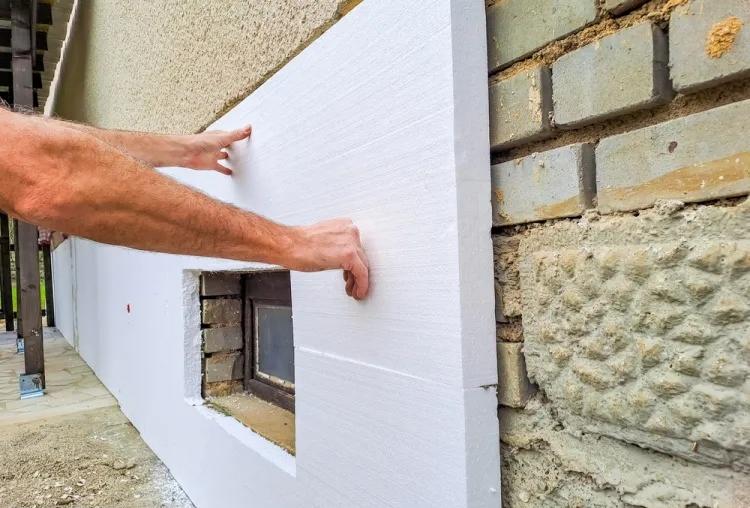
EPS eignet sich gut für Wandspalten, Dachflächen, Außenabdeckungen oder Unterflurkonstruktionen, wo eine gleichmäßige Gewichtsverteilung wichtig ist. Beispielsweise bietet das flammhemmende Material F starke Haftungseigenschaften bei geringer Wärmeleitung und ist daher ideal für Hitzeschutzpaneele in Gebäuden. XPS hingegen ist die beste Wahl für unterirdische Fundamente oder Kühlräume, die über lange Zeiträume einen gleichmäßigen Wasserdruck benötigen.
Verpackungs- und Spezialanwendungen
EPS ist aufgrund seines geringen Gewichts und seiner Stoßdämpfung weiterhin die erste Wahl für Schutzverpackungen – ideal für technische Geräte oder Lebensmittelboxen. Materialien wie B Material Quick Grade ermöglichen eine schnelle Formgebung mit einer gleichmäßigen Oberfläche, die sich für automatisierte Maschinen eignet. XPS hingegen kommt in speziellen Anwendungsbereichen zum Einsatz, in denen Festigkeit unter Druck oder Wärmeregulierung entscheidend sind, beispielsweise beim Transport oder der Lagerung.
Auswahlrichtlinien für Fachkräfte
Die Entscheidung zwischen EPS und XPS hängt von der Prüfung verschiedener technischer Aspekte sowie von aufgabenspezifischen Zielen wie Umweltzielen oder Lebenszykluskosten ab.
Faktoren, die die Materialwahl beeinflussen
Zu den wichtigsten Überlegungen gehören die Nässegrade in der jeweiligen Wetterzone, die geplante Gewichtshandhabung, die Begrenzung der Geldanteile, die Passgenauigkeit bei Klebstoffen oder Abdeckungen in gemischten Systemen sowie die Anforderungen an grüne Zertifizierungen wie ISO 14067-Meetings, die führende Hersteller bereits erfüllen.
Empfehlungen für die optimale Nutzung
Wann man EPS wählen sollte: Arbeiter sollten sich für EPS entscheiden, wenn Aufgaben flexible, aber kostengünstige Lösungen erfordern, die eine angemessene mechanische Festigkeit mit einstellbarer Dichte kombinieren – wie zum Beispiel leichte Frontplatten oder Zierleisten.
Wann man sich für XPS entscheiden sollte: XPS eignet sich für Umgebungen, die ständiger Nässe oder starkem Wasserdurchfluss ausgesetzt sind, wie z. B. Terrassen oder Keller, wo die Robustheit des Materials die anfänglichen Kostenunterschiede aufgrund der Langlebigkeit ausgleicht.
FAQ (häufig gestellte Fragen)
Frage 1: Worin unterscheidet sich expandiertes Polystyrol (EPS) von extrudiertem Polystyrol (XPS)?
A1: Der Hauptunterschied liegt in der Herstellung. EPS verwendet vorgeformte, expandierte Kügelchen, während XPS kontinuierlich extrudiert wird, wodurch dichtere, geschlossene Zellen entstehen, die zwar feuchtigkeitsbeständiger sind, aber pro Quadratmeter teurer.
Frage 2: Welches Dämmmaterial bietet einen besseren Schutz vor Wasseraufnahme?
A2: XPS bietet im Allgemeinen eine bessere Wasseraufnahme, da seine extrudierte, geschlossenzellige Struktur weniger Eintrittspforten für Feuchtigkeit aufweist. EPS kann kurzfristiger Feuchtigkeitseinwirkung ebenfalls widerstehen, insbesondere in höherdichten Ausführungen, jedoch kann Wasser bei längerem Kontakt durch kleine Spalten zwischen den verschmolzenen Kügelchen eindringen.
Frage 3: Wo kann ich nachhaltige, leistungsstarke EPS-Produkte finden?
A3: Für umweltverträgliche Optionen, die Recyclingmaterial mit fortschrittlicher Nanoporentechnologie kombinieren und die Druckfestigkeit um bis zu 40 % steigern, können Sie die Lösungen von HUASHENG erkunden, deren zertifizierte R-EPS Das Sortiment erfüllt die ISO14067- und GRS-Standards und unterstützt weltweit umweltfreundliche Bauweisen.
 German
  English
  Spanish
  French
  Arabic