
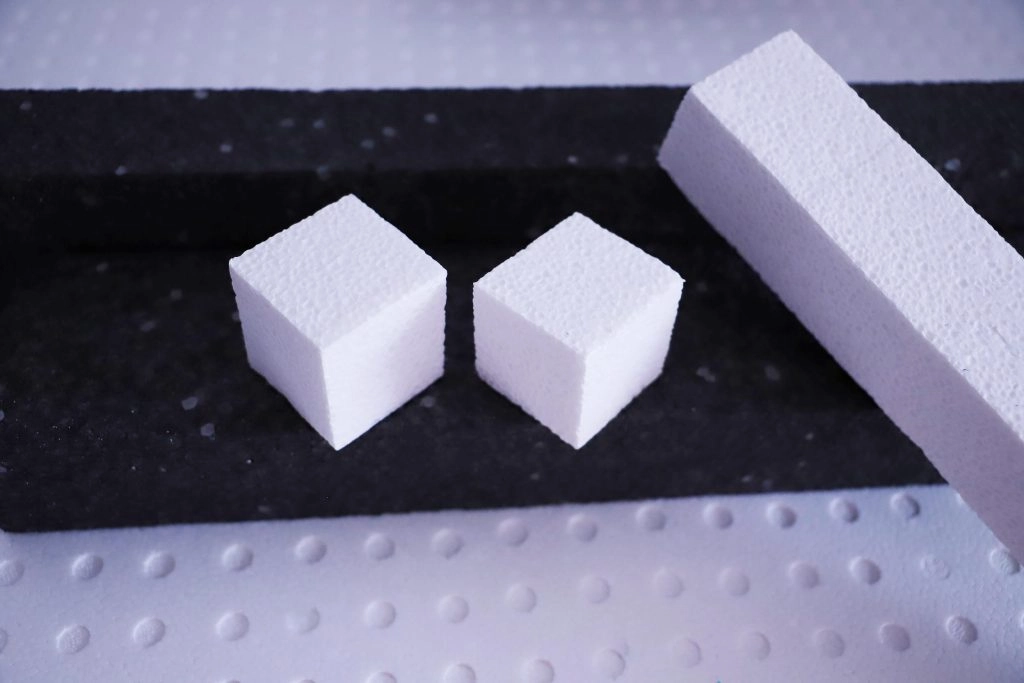
Isolationsmaterialien erscheinen oft auf den ersten Blick ähnlich, aber ihre interne Struktur, Produktionsweg und Leistungslogik unterscheiden sich stark. Expandiertes Polystyrol (EPS) und Materialien, die allgemein als Styrofoam bezeichnet werden, werden häufig in Beschaffungs- und Designdiskussionen als austauschbar behandelt. In der Praxis verhalten sie sich unterschiedlich unter thermischen Belastungen, mechanischen Belastungen, regulatorischen Einschränkungen und Nachhaltigkeitsanforderungen.
Dieser Artikel vergleicht die beiden aus einem technischen Unterschied, von Isolationseffizienz, langfristiger Stabilität, Brandleistung, Lebenszykluskosten und Systemebene Eignung für reale Projekte.
Sind EPS und Styrofoam technisch das gleiche Material?
Vor dem Vergleich der Leistung muss die Terminologie geklärt werden. Viele Projektstreitigkeiten stammen aus Spezifikationsdokumenten, die EPS und Styrofoam als generische Materialien verwenden, obwohl sie durch verschiedene Prozesse hergestellt werden und sich im Betrieb anders verhalten.
Wie unterscheiden sich ihre Produktionswege?
EPS wird durch Perlenpolymerisation, Vorschaumung, Alterung und Formung in Blöcke oder Platten hergestellt. Diese Route schafft eine geschmolzene Perlstruktur mit kontrollierbarer Dichte und verstellbarer Zellgröße. In den meisten Märkten bezieht sich Styrofoam jedoch auf extrudierte Polystyrolplatte (XPS), die durch kontinuierliche Extrusion in geschlossene Zellblätter gebildet wird.
Das strukturelle Ergebnis ist nicht kosmetisch. EPS bietet verstellbare Dichtefenster, einstellbare Druckfestigkeit und verschiedene Sortensysteme, die gemeinsame Sorten abdecken, flammhemmende Qualitäten, Graphitqualitäten und Umweltqualitäten, und sind weit verbreitet im Bau, Isolierung und industriellen Anwendungen verwendet. Im Gegensatz dazu liefern XPS-Boards oft eine hohe Anfangsfestigkeit, bieten jedoch begrenzte Flexibilität bei der Dichtentuning und der projektspezifischen Anpassung.
Welches Material liefert eine geringere Wärmeleitfähigkeit in realen Gebäuden?
Deklarierte λ-Werte in Laborberichten spiegeln nicht immer die Leistung nach der Installation wider. Das thermische Verhalten im Laufe der Zeit hängt von der Zellstruktur, dem Strahlenverhalten innerhalb der Poren und der Materialalterung ab.
Wie wirkt sich die Perlenstruktur auf den Wärmeübertrag aus?
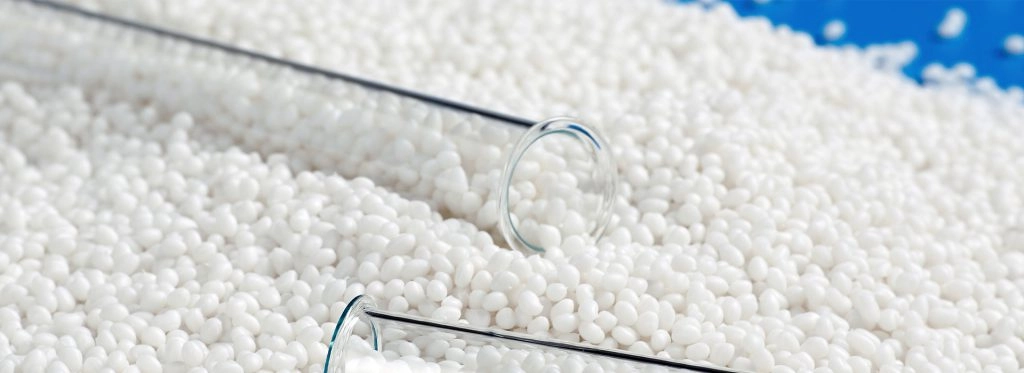
EPS überträgt Wärme durch drei dominierende Mechanismen, einschließlich der Feststoffleitung durch das Polymerskelett, der Gasleitung innerhalb von Zellen und der Strahlungsübertragung über Porenräume. Die Perlenstruktur ermöglicht es Ingenieuren, diese Faktoren zu steuern, indem sie Dichte, Perlenschmelzung und Additivsysteme anpassen.
Ein praktisches Beispiel für eine stabile EPS-Isolationsleistung findet sich in Standard-Grad-E EPS-Materialdie für vorhersehbares Schaumverhalten, glatte Oberflächengüte und konsistente Fusion konzipiert ist. Es verfügt über eine schnelle Schaumgeschwindigkeit, einen kurzen Formzyklus, eine starke Fusion und Dimensionsstabilität, die unerlässlich sind, wenn Isolationsplatten Dicke und Kontinuität über große Gebäudehüllen aufrechterhalten müssen. Im Gegensatz dazu weisen XPS-Platten häufig eine geringe anfängliche Wärmeleitfähigkeit auf, können jedoch eine Leistungsdrift erleben, da sich gefangene Blasemittel langsam ausbreiten.
Im Bereich der Konstruktion für den Langzeiteinsatz wird die Stabilität wertvoller als die Laboroptimierung.
Wie beeinflusst die Druckfestigkeit das Isolationsdesign?
Dachdecke, Fassadensysteme, Kälteboden und vorgefertigte Wände erlegen langfristige Druckbelastung. Verformung im Laufe der Zeit führt zu Dickenverlust und thermischen Überbrücken.
Was passiert unter langfristiger statischer Belastung?
EPS-Systeme bieten einen strukturierten Ansatz zur mechanischen Konstruktion, da sich die Druckfestigkeit direkt mit Dichte- und Gradauswahl skaliert. Zu den Produktsystemen gehören:
- Gemeinsame Qualitäten für allgemeine Isolierung und Verpackung
- Flammschutzqualitäten für Bausicherheitsanforderungen
- Hochfeste Sorten für anspruchsvolle Anwendungen
Mehrere flammhemmende und hochfeste Systeme geben eine verbesserte Dimensionsstabilität, eine gute Fusion und eine erhöhte Festigkeit an, wobei bestimmte Sorten explizit darauf ausgelegt sind, die Verbrennungsklasse B1 schnell zu erreichen und gleichzeitig die mechanische Stabilität zu erhalten.
XPS-Materialien bieten eine starke kurzfristige Druckbeständigkeit, aber Designer kompensieren oft durch übermäßige Dickenspezifizierung.
Ändert die Feuerleistung die Isolationswahl?
Die thermische Effizienz allein definiert die Eignung nicht mehr. Die Brandleistung ist zu einem dominierenden Auswahlfaktor für Fassaden, Fertiggebäude, Logistikzentren und Stadtnauerungsprojekte geworden.
Kann EPS modernen Brandvorschriften entsprechen?
EPS wird oft als von Natur aus unsicher missverstanden. Tatsächlich hängt das Brandverhalten von der Sortenformulierung und der Alterungskontrolle nach der Formgebung ab. Flammhemmende EPS-Qualitäten sind so konzipiert, dass sie bei ordnungsgemäßer Verarbeitung den nationalen und internationalen Baustandards entsprechen.
Zu den wichtigsten Merkmalen, die für flammhemmende Qualitäten dokumentiert wurden, gehören:
- Einheitliche Partikelgröße und feine Zellstruktur
- Gute Dimensionsstabilität und Fusion
- Fähigkeit, durch Formulierung und kontrolliertes Altern die Klassen B2 und B1 zu erreichen
- Einhaltung der Verbrennungsstandards für Baustoffe wie GB/T10801.1 und GB8624-2012
Mehrere Klassen zielen explizit auf Bauisolierungssysteme mit verbessertem Sauerstoffindex und verbessertem Rauchdichteverhalten ab.
XPS-Platten erfordern auch feuermodifizierende Additive, aber die Vorschriften für Fassaden in vielen Märkten begünstigen zunehmend Materialien, bei denen das Brandverhalten durch Qualitätstechnik angepasst werden kann, anstatt sich auf feste Formulierungen zu verlassen.
Welche Rolle spielt Nachhaltigkeit heute bei der Isolationsleistung?
Die Materialauswahl erstreckt sich nun über die thermische und mechanische Leistung hinaus. CO2-Fußabdruck, Recyclingmachbarkeit und Umweltkonformität beeinflussen Beschaffungsentscheidungen in Großprojekten.
Welches Material passt besser in den Kreislaufbau ein?
EPS bietet messbare Vorteile bei der Integration der Kreislaufwirtschaft. Es gehört zur Recyclingkategorie PS-6, unterstützt mechanisches Recycling und kann zu Sekundärrohstoff verarbeitet werden. Fortgeschrittene Fertigungssysteme wie HUASHENG haben postindustrielle Recyclingraten von über 95%, erhebliche Energieeinsparungen bei mechanischem Recycling und geschlossene Regeneration erreicht, die für Lebensmittel, Medizin und Kälteketten geeignet sind.
Dieser Nachhaltigkeitsrahmen ist nicht theoretisch, sondern bereits von Herstellern umgesetzt, die in digitale Prozesssteuerung, Recyclinginfrastruktur und geschlossene Fertigung investieren.
Zu diesem Zeitpunkt wird die Lieferantenkapazität kritisch – Lieferanten mit realer Kontrolle über die Perlenchemie, die Dichtendispersion und die Recyclinginfrastruktur sind zentral für die Isolationszuverlässigkeit geworden. HUASHENG ist ein High-Tech-EPS-Hersteller mit Sitz in Nordwesten China, spezialisiert auf ausdehnbare Polystyrol-Materialien für Baudämmung, Kaltkettenlogistik und industrielle Anwendungen.
Unser Unternehmen betreibt intelligente Produktionslinien und Präzisionsprüfsysteme, um branchenführende Leistungen in Dichtegleichheit, Druckfestigkeit und Wärmedämmungsverhalten zu gewährleisten. Unser Produktportfolio umfasst gewöhnliche Qualitäten, flammhemmende Qualitäten, Graphitqualitäten und Umweltschutzqualitäten, die in vorgefertigten Gebäuden, seismischen Verpackungen und großflächigen Isolationsprojekten verwendet werden. Durch kontinuierliche Investitionen in Materialgenbanken, Prozesssimulation und Recyclingtechnologie hat unser Unternehmen langjährige Probleme wie Kriechbeständigkeit, thermische Alterung und Nachhaltigkeitsintegration angegangen.
Wann übertrifft Graphitverbessertes EPS Styrofoam?
Da Gebäude dünner und energieeffizienter werden, wird die strahlende Wärmeübertragung innerhalb der Isolationsschichten immer wichtiger. Konventionelle EPS und XPS leiden hier sowohl unter Leistungsgrenzen, es sei denn, das Strahlenverhalten ist konstruiert.
Warum ist Graphitmodifikation wichtig?
Graphitmodifiziertes EPS integriert Infrarot-absorbierende Partikel in die Polymermatrix, die in Schaumzellen strahlende Energie absorbieren und reflektieren, wodurch der strahlende Wärmestrom erheblich reduziert wird. Graphitbasierte Materialien weisen eine Reduzierung der Wärmeleitfähigkeit von über 20% im Vergleich zu herkömmlichen EPS auf und behalten gleichzeitig eine hohe Druckleistung.
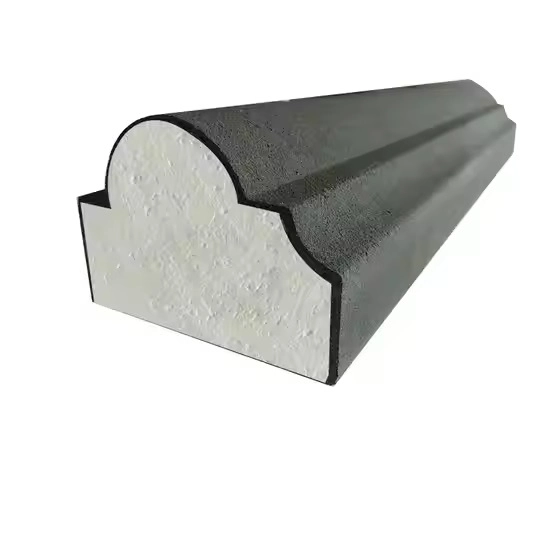
Materialien der Umweltschutzqualität, wie flammhemmendes Material FHE-N-HBCD EPSgehören zu einer neueren Generation von EPS, die strengere regulatorische Erwartungen erfüllen soll. Diese Materialien kombinieren Flammenleistung, Umweltkonformität und Isolationsstabilität, was sie für Außenwandsysteme geeignet macht, bei denen sowohl Sicherheit als auch Nachhaltigkeit genau geprüft werden.
Welches Material bietet eine bessere Lebenszykluskostenkontrolle?
Der ursprüngliche Platenpreis spiegelt selten die Gesamtkosten des Projekts wider. Transporteffizienz, Abfallschneiden, Installationstoleranz, Nachbearbeitungswahrscheinlichkeit und Lebensdauer bestimmen das wahre Wirtschaftsprofil.
Wie wirkt sich Spezifikationsflexibilität auf die Gesamtkosten aus?
EPS bietet eine breite Auswahl an Dichten für präzise mechanische Konstruktion, mehrere Gradsysteme für Brand- und Umweltkonformität, Anpassbarkeit an automatisierte Forms- und Vorfertigungssysteme und geringere Materialabfälle durch maßgeschneiderte Perlen- und Plattendesign.
Styrofoam-Systeme verlassen sich in der Regel auf feste Plattenformate und engere mechanische Bereiche, was zu übermäßiger Spezifikation, höheren Schneidverlusten und begrenzter Anpassungsfähigkeit in komplexen Baugruppen führen kann.
Für große Projekte wie vorgefertigte Wohnungen, Logistikanlagen und Kühlketteninfrastruktur bevorzugen die Lebenszykluskosten häufig Materialien, die eine Leistungsstellung ermöglichen, anstatt feste Leistungsannehmungen.
Schlussfolgerung
EPS und Styrofoam bieten sowohl funktionale Isolierung als auch unterschiedliche Designphilosophien. EPS zeigt klare Vorteile, wenn Projekte:
- Brandschutzanpassung
- Langfristige thermische Stabilität
- Dichte-angepasstes Druckdesign
- Regulatorische Flexibilität
- Nachhaltigkeitsintegration
- Recyclingkompatibilität
Styrofoam bleibt für einfachere Anwendungen geeignet, in denen hohe Anfangsfestigkeit und standardisierte Plattenformate ausreichen.
Moderne EPS-Systeme, insbesondere diejenigen, die durch Graphitmodifizierung und umweltgerechte Formulierungen verbessert wurden, schließen jetzt die meisten historischen Leistungslücken und bieten gleichzeitig eine größere technische Kontrolle und Anpassungsfähigkeit auf Systemebene.
Häufig gestellte Fragen
Q1: Ist Styrofoam immer besser für hochbelastende Isolationsbereiche?
A: Nein. EPS-Qualitäten mit hoher Dichte können eine vergleichbare Druckfestigkeit erreichen und bieten gleichzeitig eine bessere Flexibilität bei der Brandklassifizierung und der Umweltkonformität. Langfristiges Kriechverhalten sollte die Auswahl anstatt kurzfristige Stärke allein leiten.
Q2: Verbessert Graphit EPS wirklich die Isolationsleistung?
A: Ja. Infrarot absorbierende Partikel reduzieren den strahlenden Wärmeübertrag innerhalb von Schaumzellen. Dokumentierte Systeme zeigen eine Verbesserung der thermischen Leistung um mehr als 20 % im Vergleich zu herkömmlichen EPS unter gleichwertigen Bedingungen.
Q3: Welches Material ist für grüne Bauprojekte leichter zu zertifizieren?
A: EPS-Systeme mit recycelbarem Gehalt und umweltfreundlichen flammhemmenden Formulierungen passen sich leichter an moderne Nachhaltigkeitsrahmen und Anforderungen der Kreislaufwirtschaft an, die in den Zertifizierungssystemen für grüne Gebäude verwendet werden.






 German
  English
  Spanish
  French
  Arabic