
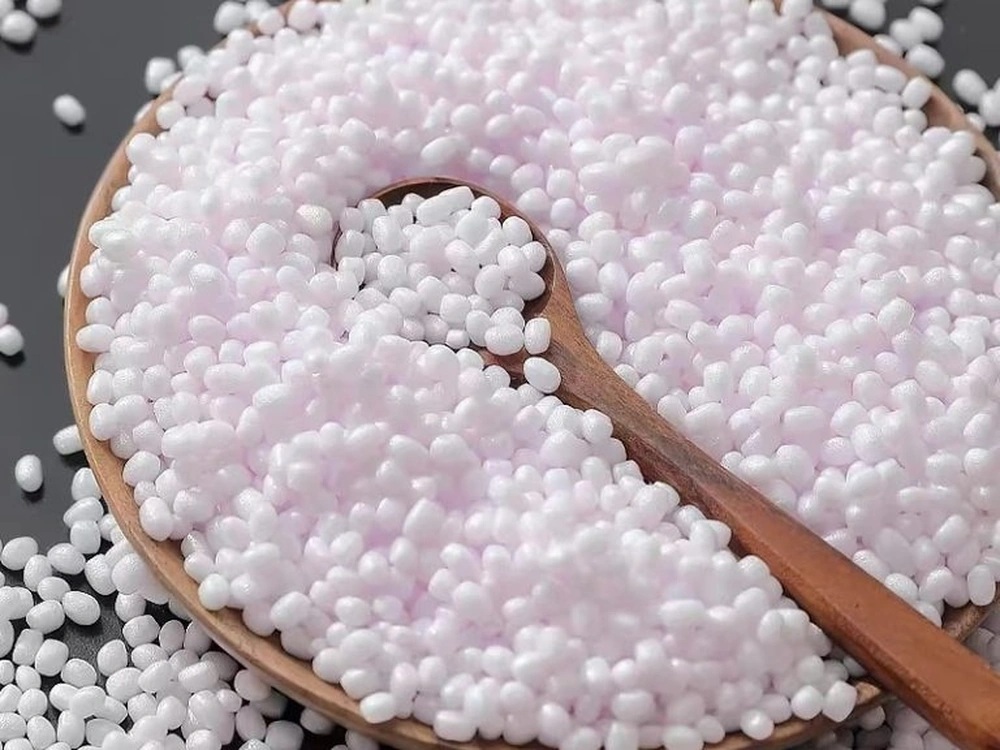
PS und Polystyrol bezeichnen üblicherweise dasselbe Basispolymer. Die eigentliche Problematik bei der Beschaffung beginnt jedoch erst danach: EPS, XPS, Styropor und REPS gehören nicht zur selben Produktkategorie, auch wenn diese Begriffe in vielen Angeboten synonym verwendet werden. Für Käufer von EPS-Schaum kann diese Unterscheidung Einfluss auf die Partikelgröße, das Expansionsverhältnis, das Formverhalten, die Dichte, das Brandverhalten und die endgültigen Lieferkosten haben.
Wenn ein Käufer fragt HUASHENG Bei Schaumstoffen beschränkt sich die sicherste Angebotsanfrage nicht auf „PS“ oder Polystyrol. Die Anfrage sollte die Anwendung, die Zieldichte, das Verarbeitungsverfahren, die Qualitätsanforderungen sowie etwaige Recycling- oder Brandschutzanforderungen enthalten. Das ist der Unterschied zwischen der Anfrage nach einem Rohmaterialnamen und der Anfrage nach einer verwendbaren Produktionsspezifikation.
Warum sind PS und Polystyrol nicht zwei verschiedene Materialien?
Viele Fehler bei der Beschaffung beginnen mit einer einfachen Abkürzung. PS ist die Kurzform von Polystyrol, während Polystyrol-Material die vollständige chemische Bezeichnung für die Harzfamilie ist. Ein Käufer findet möglicherweise beide Begriffe in einem Angebot, einem Importdokument oder einem technischen Datenblatt, doch bezeichnen die beiden Wörter nicht automatisch zwei verschiedene Materialien.
PS ist die Abkürzung für Polystyrol.
In den meisten Beschaffungsunterlagen steht PS für Polystyrol. Es handelt sich um ein thermoplastisches Polymer, das in Hartkunststoffprodukten, Schaumstoffperlen, Dämmplatten, Verpackungseinsätzen und Formteilen verwendet wird. Die Bezeichnung „PS-Material“ sollte daher in erster Linie als Abkürzung und nicht als endgültige Produktbeschreibung verstanden werden.
Dieses Detail ist wichtig, da Polystyrol in verschiedenen Formen vorkommen kann. Massive PS-Platten, spritzgegossene PS-Teile, expandierte Polystyrol-Kügelchen, EPS-Formteile und XPS-Dämmplatten gehören zwar zur selben Polymerfamilie, verhalten sich aber in der Produktion unterschiedlich. Ein Lieferant kann kein präzises Angebot abgeben, wenn in der Angebotsanfrage lediglich „PS-Schaum“ ohne weitere Erläuterungen angegeben ist.
Verwirrung bei der Materialbenennung beginnt oft schon in der Angebotsanfrage.
Unklare Beschaffungsbedingungen für Schaumstoffe erleichtern den internen Einkauf zwar kurzfristig, schieben das Problem dann aber an die Entwicklungs-, Formgebungs- und Qualitätsabteilungen weiter. Eine Abteilung schreibt vielleicht Polystyrol als Material, weil der Begriff allgemein klingt. Eine andere erwartet EPS-Kügelchen für eine Formanlage. Eine dritte vergleicht das Angebot mit den Preisen für XPS-Platten und wundert sich über die Diskrepanz.
Eine präzisere Angebotsanfrage trennt das Basispolymer vom fertigen Schaumstoff. Anstatt lediglich nach PS oder Polystyrol zu fragen, sollten Käufer die Materialform, das Anwendungsgebiet, den erwarteten Dichtebereich, das erste Expansionsverhältnis, die Partikelgröße und das Herstellungsverfahren angeben. Diese Formulierung gibt dem Lieferanten genügend Spielraum, die richtige Qualität auszuwählen, anstatt anhand einer Abkürzung raten zu müssen.
Was ändert sich, wenn PS-Harz zu EPS-Schaum wird?
EPS wird aus expandierbaren Polystyrolkügelchen hergestellt, doch die Kaufentscheidung hängt nicht mehr allein vom Namen des Polymers ab. Nach dem Vorexpandieren, Aushärten, Formen und Verschmelzen der Kügelchen ist das endgültige Schaumverhalten maßgeblich vom Verarbeitungsverhalten abhängig. Daher muss die EPS-Materialspezifikation sowohl die Eigenschaften der Kügelchen als auch die vom Formteil zu erwartenden Eigenschaften beschreiben.
Wulstbildung, Vorexpansion und Formverhalten bestimmen das Endprodukt
Expandierte Polystyrolkügelchen sind so konzipiert, dass sie während der Vorexpansion wachsen und sich dann beim Formgebungsprozess verbinden. Die Partikelgröße beeinflusst das Füllverhalten, die Oberflächenglätte und die Detailgenauigkeit, die eine Form erfassen kann. Das erste Expansionsverhältnis wirkt sich auf Dichte, Materialverbrauch, Dämmwert und Druckfestigkeit aus. Diese Details verbergen sich hinter den einfachen Bezeichnungen PS und Polystyrol.
Für allgemeine EPS-Anwendungen können Käufer die Spezifikationen vergleichen mit HUASHENG Produktkategorien Anschließend wird die Qualität anhand der Formgebungsanlagen, des Zielprodukts und des Produktionsplans weiter eingegrenzt. Eine Paneellinie, eine Linie für Schutzeinsätze und eine Werkstatt für dekorative Formteile beziehen zwar alle EPS, sollten aber nicht blindlings dieselbe EPS-Materialspezifikation verwenden.
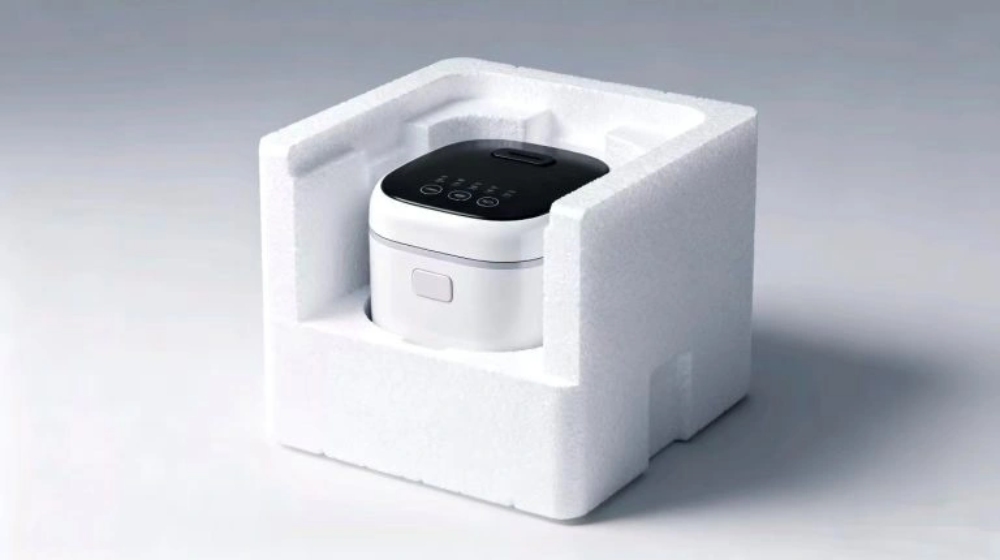
EPS gehört einer anderen Einkaufskategorie an als massives PS oder XPS.
Massives Polystyrol (PS) wird als starrer Kunststoff bezogen. XPS wird durch Extrusion hergestellt und häufig für Dämmplatten verwendet. EPS ist als expandierbares Material oder als Formschaum erhältlich. Styropor wird im Handel häufig als Sammelbegriff verwendet, kann aber im Beschaffungswesen die Unterscheidung zwischen EPS und XPS verwischen.
Am sichersten ist es, die Benennung in eine Spezifikationscheckliste umzuwandeln. Die folgende Tabelle führt die gängigen Begriffe getrennt auf, sodass der Käufer erkennen kann, welches Wort in eine Materialbeschreibung gehört und welche Details vor dem Kauf noch bestätigt werden müssen.
| Begriff in der Angebotsanfrage | Was Käufer meinen | Spezifikationspunkt zur Bestätigung |
|---|---|---|
| PS oder Polystyrol | Die Basispolymerfamilie. | Form, Klasse, Antrag und Bearbeitungsverfahren. |
| EPS | Expandierte Polystyrolkügelchen oder Formschaum. | Partikelgröße, erstes Expansionsverhältnis, Dichte und Formgebungszyklus. |
| XPS | Extrudierte Polystyrolplatte. | Extrusionsqualität, Plattendicke, Druckfestigkeit und Verwendungszweck als Dämmstoff. |
| Styrofoam | Ein Marktbegriff, der oft ungenau verwendet wird. | Ob das Projekt tatsächlich EPS, XPS oder einen anderen Schaumstoff erfordert. |
| REPS | Ein recycelter oder modifizierter EPS-ähnlicher Schaumstoff für spezielle Anforderungen. | Recyclinganteil, Farbe, Leistungsziel und Anwendungsgrenzen. |
Was läuft schief, wenn die Beschaffungsbedingungen für Schaumstoffe zu lax sind?
Eine unpräzise Angebotsanfrage mag zwar ein Angebot einbringen, doch dieses kann eine Diskrepanz verschleiern. Schaumstoffkäufer kaufen nicht nur Kilogramm Material. Sie erwarten ein vorhersehbares Formgebungsverhalten, ein stabiles Bauteilgewicht, eine akzeptable Oberflächenqualität und ein Material, das für die Produktumgebung geeignet ist. Unklare Formulierungen können dazu führen, dass zwei Lieferantenangebote vergleichbar erscheinen, obwohl sie es nicht sind.
Fehlpaarungen zwischen Dichte und Expansionsverhältnis führen zu Produktionsdrift
Die Dichte ist einer der ersten Punkte, an denen ungenaue Formulierungen Probleme verursachen. Eine Verpackungseinlage mit geringer Dichte mag zwar Gewicht sparen, kann aber bei einem Falltest durchfallen, wenn das Material nicht für das Produkt geeignet ist. Eine dichtere Platte mag sich stabiler anfühlen, kann aber die Materialkosten und das Versandgewicht erhöhen. Das erste Ausdehnungsverhältnis stellt das Verhältnis zwischen dem Verhalten der Dichtungsmasse und der endgültigen Dichte dar.
Käufer sollten Lieferanten bitten, Angebote nicht nur nach Sortenbezeichnung, sondern auch nach Partikelgröße und erstem Expansionsverhältnis einzuholen. Dies ist besonders wichtig, wenn ein Werk Testmaterialien verschiedener Hersteller vergleicht. Bereits geringfügige Änderungen der Raupenexpansion können Zykluszeit, Dampfverbrauch, Oberflächengüte und Endgewicht des Bauteils beeinflussen.
Anforderungen an Feuerbeständigkeit, Antistatik und Temperaturbeständigkeit erfordern eine separate Formulierung.
Eine bloße Angabe in der Beschaffungsbeschreibung, beispielsweise „Polystyrol“, gibt dem Lieferanten keine Auskunft darüber, ob das Projekt flammhemmende Eigenschaften, antistatische Handhabung, geringe Wärmeleitfähigkeit oder eine Temperaturbegrenzung erfordert. Dies sind keine unwesentlichen Zusatzanforderungen. Sie können die Auswahl der Materialqualität, die Prüfdokumentation und die Eignung des Materials für Bauwesen, Elektronik oder allgemeine Verpackungen beeinflussen.
Aus diesem Grund sollten die EPS-Materialspezifikationen die besonderen Anforderungen direkt benennen. Wird der Schaumstoff in der Nähe von elektrischen Bauteilen verwendet, sollten Käufer die Antistatik-Eigenschaften klären. Bei Verwendung zur Gebäudeisolierung müssen die Brandschutz- und Wärmedämmungsanforderungen frühzeitig geklärt werden. Für die Kühlkette oder Lebensmittelverpackung sind außerdem die Anforderungen an Handhabung und Hygiene zu berücksichtigen.
Verpackungsbegriffe und Begriffe für Gebäudeisolierung sollten getrennt bleiben.
Einkäufer von Verpackungen achten oft auf Polsterung, Formbeständigkeit, Passgenauigkeit und Kartongewicht. Einkäufer von Baumaterialien legen hingegen mehr Wert auf Wärmedämmung, Plattenstabilität, Brandschutzklasse und Montagefreundlichkeit. Beide Gruppen sprechen zwar von EPS, doch die Kauflogik ist unterschiedlich.
Ein Käufer, der Schutzverpackungen beschafft, kann Folgendes verwenden Extra Light Grade – P Als Referenzpunkt dient er dann, wenn leichter Formschutz, glatte Oberflächenqualität und hohe Schäumeffizienz wichtiger sind als die Festigkeit schwerer Platten. So bleibt das Angebot an die konkrete Anwendung gebunden und wird nicht pauschal als Schaumstoffprodukt bezeichnet.

Wie sollten Käufer das richtige HUASHENG-Schaumstoffmaterial auswählen?
Eine gute Angebotsanfrage für Schaumstoffe ist kurz, aber präzise. Sie definiert die Basisbezeichnung, die gewünschte Schaumstoffform, den Anwendungsfall, den Verarbeitungsprozess und die Leistungsanforderungen. Sind diese Punkte klar definiert, kann der Lieferant eine passende Qualität für die Produktion empfehlen, anstatt den Käufer zur Auswahl aus ähnlichen Bezeichnungen zu zwingen.
Standardqualität E Passend für stabile allgemeine EPS-Anwendungen
Für viele allgemeine EPS-Projekte Standardklasse – E ist ein praktischer Ausgangspunkt, da es für stabile Expansion, zuverlässiges Verschmelzen der Schweißnähte, glatte Oberflächenqualität und die Verwendung mit gängigen Formgebungsanlagen konzipiert ist. Käufer, die automatische Vakuumformmaschinen, elektrisch angetriebene Formmaschinen oder Hydraulikpressen einsetzen, können prüfen, ob diese Sorte für die Produktionslinie und die Produktform geeignet ist.
Diese Güteklasse eignet sich, wenn der Käufer eine vorhersehbare Verarbeitung von Paneelen, elektrischen Gehäusen, dekorativen Bauteilen oder integrierten Schaumstoffbehältern benötigt. Die Angebotsanfrage sollte dennoch Partikelgröße, erstes Expansionsverhältnis, Zieldichte sowie alle Anforderungen an Oberfläche und Festigkeit enthalten, da die Güteklasse „E“ lediglich eine Produktfamilienbezeichnung und keine vollständige Auftragsbeschreibung darstellt.
Besonders leichte Qualität – P unterstützt leichte Schutzverpackung
Wenn es um leichtere Schutzverpackungen geht, kann Extra Light Grade® P Käufern helfen, das Gewicht der Teile zu reduzieren und gleichzeitig die Polsterwirkung von EPS-Schaum beizubehalten. Es eignet sich besonders für zerbrechliche Güter, Formteile, Verpackungskartons, Displaytafeln und Anwendungen, bei denen das Gewicht während langer Transportwege eine Rolle spielt.
Die Kaufberatung sollte weiterhin präzise sein. Käufer sollten angeben, ob der Schaumstoff Keramik, Glas, Elektronik, Haushaltsgeräte oder verschiedene Produkte schützen soll. Sie sollten außerdem die Form der Form, die Passgenauigkeit im Karton und die Prüfnorm festlegen. Dadurch wird aus einer vagen Materialanfrage bezüglich Polystyrol eine Diskussion über die Leistungsfähigkeit der Verpackung.
Maßgeschneiderte REPS-Anzüge für Nachhaltigkeit oder spezielle Leistungsanforderungen
Für Projekte, die Recyclingmaterial, Farbanpassungen oder spezielle Partikeleigenschaften erfordern, Extrusion maßgeschneiderte REPS Dies ermöglicht Käufern eine individuellere Herangehensweise. REPS-Schaumstoff sollte nicht einfach als Ersatz für EPS verwendet werden. Er benötigt eigene Leistungsziele, Erwartungen an den Recyclinganteil, einen eigenen Schäumbereich und einen eigenen Anwendungsbereich.
Ein Käufer kann sich für kundenspezifische Recyclingmaterialien entscheiden, wenn Nachhaltigkeitsanforderungen, die Verpackungsrichtlinien des Kunden oder spezielle Farbkennzeichnungen relevant sind. Die Anfrage sollte weiterhin die Produktform, die erwartete Einsatzumgebung, die Kompressionsanforderungen und alle Dokumentationsanforderungen umfassen. Dadurch bleibt die Entscheidung für Recyclingmaterialien an realen Produktionsbedingungen und nicht an allgemeinen Umweltversprechen geknüpft.
Schlussfolgerung
PS und Polystyrol bezeichnen üblicherweise dasselbe Basispolymer, während EPS, XPS, Styropor und REPS unterschiedliche Materialformen, Verarbeitungsprozesse und Leistungsanforderungen beschreiben. Für Einkäufer besteht die praktische Aufgabe nicht darin, die längste Bezeichnung zu wählen, sondern eine Angebotsanfrage (RFQ) zu verfassen, die Anwendung, Zieldichte, Partikelgröße, Expansionsverhältnis, Formgebungsverfahren und spezielle Anforderungen klar definiert.
Wenn Ihr Team die Beschaffungsbedingungen für Schaumstoffe in Angeboten, Zeichnungen oder Lieferantenmustern vergleicht, Kontaktieren Sie uns um den Wortlaut in eine klarere HUASHENG EPS- oder REPS-Spezifikation zu übersetzen, bevor die nächste Bestellung freigegeben wird.
Häufig gestellte Fragen
Frage 1: Ist PS dasselbe wie Polystyrol?
A1: Ja. In den meisten Materialdokumenten ist PS die Abkürzung für Polystyrol. Käufer müssen jedoch weiterhin angeben, ob sie massives PS, EPS-Kügelchen, geformten EPS-Schaum, XPS-Platten oder REPS-Schaumstoff benötigen.
Frage 2: Was sollte eine EPS-Materialspezifikation beinhalten?
A2: Eine praxisorientierte Spezifikation für EPS-Materialien sollte Angaben zur Anwendung, Partikelgröße, zum ersten Expansionsverhältnis, zur Zieldichte, zum Formgebungsverfahren, zu Brandschutz- oder antistatischen Anforderungen sowie zu etwaigen Verpackungs- oder Isolationsleistungszielen enthalten.
Frage 3: Warum sollten Käufer die Verwendung von Styropor als einzigen Angebotsanfragebegriff vermeiden?
A3: Der Begriff Styropor wird im Markt oft ungenau verwendet. Wenn ein Käufer ihn allein verwendet, können Lieferanten die Anfrage unterschiedlich interpretieren. Es ist sicherer, EPS, XPS oder REPS anzugeben und anschließend die genauen Leistungsanforderungen zu ergänzen.
 German
  English
  Spanish
  French
  Arabic