
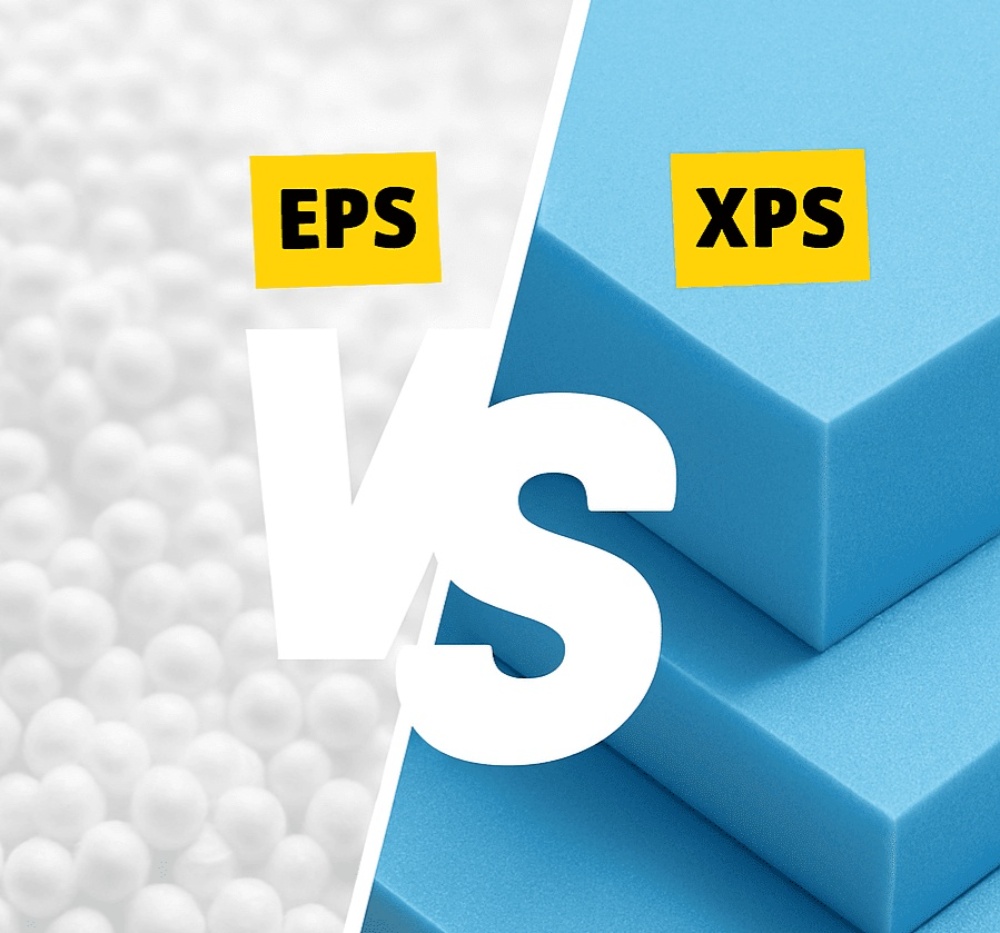
Expandiertes Polystyrol (EPS) und extrudiertes Polystyrol (XPS) EPS-Schaumstoffe sind beliebte Dämmstoffe. Sie unterscheiden sich jedoch in ihrer Struktur, ihren Kosten, ihrer Feuchtigkeitsbeständigkeit und ihren Anwendungsmöglichkeiten. Um zu verstehen, warum EPS für viele Projekte besser geeignet sein könnte, ist es hilfreich, die Herstellung und Anwendung dieser Schaumstoffblöcke in der heutigen Baupraxis zu vergleichen.
Hintergrundinformationen zu EPS- und XPS-Blöcken
Überblick über EPS- und XPS-Materialien
EPS und XPS dienen beide als feste Schaumstoffdämmstoffe in Bauprojekten, Kühlkettenverpackungen und Anwendungen zur Temperaturregulierung.
EPS wird von Herstellern aus expandierten Polystyrolkügelchen hergestellt. Dadurch erhält es ein geringes Gewicht, eine gute Isolierfähigkeit und ist einfach zu handhaben.
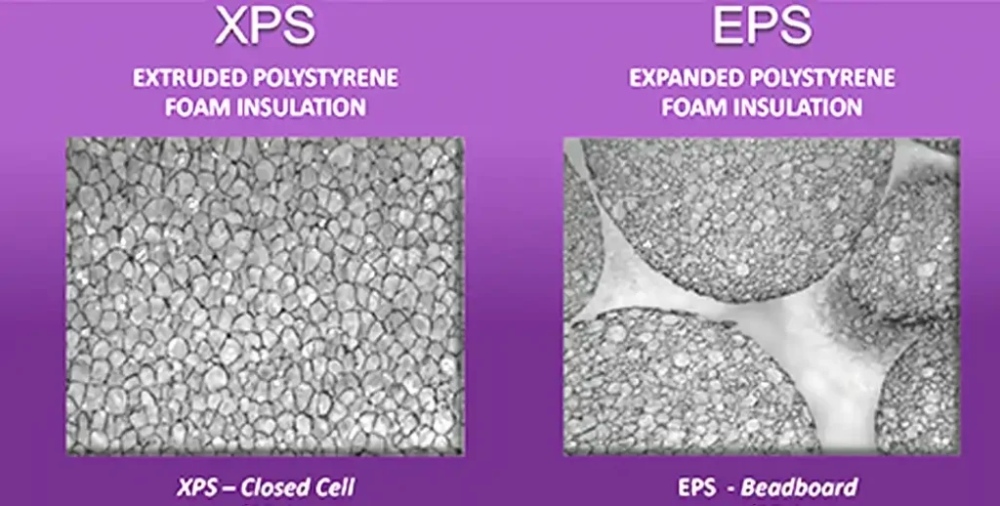
XPS wird von Herstellern im Extrusionsverfahren hergestellt. Dadurch entsteht eine dichtere, geschlossenzellige Struktur mit guter Wasserbeständigkeit und hoher Druckfestigkeit. Die Kenntnis dieser grundlegenden Materialeigenschaften erklärt, warum sich die einzelnen Materialien für bestimmte Dämmaufgaben besser eignen.
Der Vergleichskontext von 2026
Die 2026 durchgeführte Studie zu XPS- und EPS-Blöcken untersuchte drei Hauptleistungsaspekte: Wärmeleitfähigkeit (λ), Druckfestigkeit (kPa) und Gesamtkosteneffizienz. Damals stellten Experten fest, dass XPS eine etwas geringere Wärmeleitfähigkeit (~0,032 W/m·K) aufwies. Verbesserte, graphitmodifizierte EPS-Produkte wie S-32-Graphit-Polystyrol (Extrusionsverfahren) erreichten jedoch mit λ ≤ 0,032 W/m·K das gleiche Niveau. Dieser Fortschritt verringerte die Leistungslücke erheblich. Die Studie erwies sich als wichtig, da neue internationale Umweltrichtlinien die Hersteller dazu aufforderten, hohe Dämmleistung mit umweltfreundlichen Produktionsverfahren zu kombinieren.
Bewertung der Materialleistung unter den aktuellen Bedingungen
Seit 2026 hat sich die Leistungsfähigkeit von EPS und XPS aufgrund neuer technologischer Fortschritte und Umweltauflagen, die den Dämmstoffsektor neu gestalten, verbessert.
Wärmedämmeffizienz in modernen Anwendungen
Neue Daten deuten darauf hin, dass graphitverstärkte EPS-Typen mittlerweile ähnliche oder sogar bessere Wärmeleitfähigkeitswerte als Standard-XPS erreichen. Zum Beispiel S-33 Graphitpolystyrol (Extrusionsmethode) Durch Extrusion wird natürliches Flockengraphit als Infrarot absorbierendes Material in das Polystyrolpolymer eingearbeitet. Die Graphitpartikel fangen die Strahlungsenergie ein und lenken sie innerhalb der Schaumkügelchen um. Dadurch wird die Wärmedämmung des flexiblen Polystyrolkerns verbessert. Die Wärmeleitfähigkeit von S-33 liegt unter 0,033 W/mK. Diese Ergebnisse zeigen, wie moderne EPS-Varianten frühere Lücken in der Dämmleistung geschlossen haben.
Bedingungen wie die Luftfeuchtigkeit beeinflussen beide Materialien weiterhin auf unterschiedliche Weise. XPS absorbiert Wasser dank seiner dichteren Struktur besser. Neue hydrophobe Beschichtungen auf EPS-Blöcken lösen dieses Problem jedoch mittlerweile sehr gut. Darüber hinaus haben neuere Produktionsmethoden mit nanostrukturierten, geschlossenen Porenstrukturen die Wärmespeicherung beider Materialien weiter verbessert.
Druckfestigkeit und strukturelle Integrität
XPS zeichnet sich weiterhin durch seine hohe Druckfestigkeit aus. Jüngste Verbesserungen haben jedoch auch die Haltbarkeit von EPS deutlich erhöht. Die flammhemmende Güteklasse FSH (europäischer Standard) eignet sich für die Wärmedämmung im Bauwesen und in der Industrie. Ihre Druckfestigkeit übertrifft die anderer Güteklassen um mehr als 20 %. Dank dieser Verbesserungen kann hochdichtes EPS nun auch statische Anforderungen erfüllen, die früher nur mit XPS realisierbar waren.
Untersuchungen zur Alterung zeigen, dass die Feuchtigkeitsaufnahme ein entscheidender Faktor für die Langzeitstabilität ist. Neuere EPS-Typen, wie beispielsweise mit Graphit oder Ruß modifiziertes EPS, weisen jedoch eine bessere Dimensionsstabilität auf. Dadurch behalten diese modernen EPS-Blöcke auch unter wiederholter Umwelteinwirkung ihre gleichbleibende mechanische Festigkeit.
Umwelt- und Nachhaltigkeitsaspekte
Der zunehmende Fokus auf den Umweltschutz hat zu strengeren Regeln geführt, die sich auf die Herstellung und das Recycling von Materialien wie EPS und XPS auswirken.
Sich wandelnde Umweltvorschriften und ihre Auswirkungen
Strengere Baunormen legen heute Wert auf kohlenstoffarme Alternativen mit hoher Recyclingfähigkeit. Das flammhemmende Material FHE-N-HBCD verwendet HBCD-freie Flammschutzmittel und entspricht den EU-REACH- und RoHS-Richtlinien. Es zeichnet sich durch gleichmäßige Schaumperlen und schnelles Aufschäumen aus und bietet zudem eine zuverlässige Flammschutzwirkung. Dieser Einsatz sichererer Additive entspricht den weltweiten Nachhaltigkeitszielen.
Darüber hinaus haben Unternehmen, die auf Kreislaufwirtschaft setzen, die Recyclingstandards angehoben. EPS-Hersteller erreichen mittlerweile Recyclingquoten von über 95 %. Dadurch wird der Abfall auf Deponien deutlich stärker reduziert als bei herkömmlichen Kunststoffen. Lebenszyklusanalysen zeigen, dass recyceltes EPS eine bis zu 72 % geringere CO₂-Bilanz aufweist als neue Produktionsmethoden.
Trends zur Energieeffizienz bei Baumaterialien
Trends im Bereich energiesparender Bauweisen setzen zunehmend auf kombinierte Systeme, die verschiedene Dämmmethoden miteinander verbinden. Hybridkonstruktionen, die Aerogelschichten oder pflanzenbasierte Polymere mit expandierten Polystyrolkernen kombinieren, erzielen höhere Wärmedämmwerte bei gleichzeitig geringem Gewicht. Programme wie LEED oder BREEAM würdigen diese fortschrittlichen Systeme mittlerweile als Beitrag zu umweltfreundlichen Bauweisen.
Ökonomische Faktoren, die die Materialwahl heute beeinflussen
Die aktuellen Marktkräfte bestimmen weiterhin, ob Bauherren EPS- oder XPS-Blöcke wählen, abhängig von den lokalen Liefermöglichkeiten und den Projektbudgets.
Marktpreise und Entwicklungen in der Lieferkette
Weltweit hat EPS aufgrund seiner unkomplizierten Herstellung und des breiten Rohstoffzugangs einen klaren Preisvorteil. P-extra leichtes Material EPS ist ein gängiges Standard-EPS. Es dient als Rohstoff mit hoher Schaumbildungsrate. Es findet breite Anwendung in der Verpackung von mechanischen und elektrischen Produkten sowie als Wärmedämmstoff. Seine Skalierbarkeit ermöglicht es Herstellern, schnell auf Lieferengpässe zu reagieren. Dies erwies sich seit 2026 als entscheidend, da Schwankungen im Petrochemiesektor die weltweiten Polymerversorgungsketten beeinflussen.
Im Vergleich dazu benötigt XPS spezielle Extrusionsanlagen. Dies führt häufig zu höheren Produktionskosten. Allerdings gewährleistet es eine gleichbleibende Qualität auch für anspruchsvolle Anwendungen wie Kühlhäuser oder unterirdische Abdichtungsanlagen.
Lebenszykluskostenanalyse für moderne Projekte
EPS-Systeme sind aufgrund ihres niedrigen Preises in der Anschaffung immer noch günstiger in der Installation. Darüber hinaus zeigen Lebenszyklusanalysen, dass die verbesserte Haltbarkeit – insbesondere bei flammhemmenden oder graphitverstärkten Ausführungen – die Nutzungsdauer deutlich verlängert. FGE-Graphit-Polystyrol (Suspensionsverfahren) Sie bieten nachhaltigen Wert. Dies erreichen sie durch reduzierten Energieverbrauch und geringen Wartungsaufwand.
Technologische Fortschritte, die die Relevanz des Vergleichs prägen
Laufende Innovationen haben die Sichtweise auf beide Materialien im heutigen Bauwesen verändert.
Innovationen in Fertigungsprozessen
Die Automatisierung hat beide Bereiche grundlegend verändert. Moderne Doppelschneckenextruder aus Europa ermöglichen die präzise Steuerung der Expansionsgeschwindigkeit der Polymerwülste. Dies gewährleistet eine gleichmäßige Dichte in jedem Block. HUASHENG importierte 2015 die weltweit führende Produktionsanlage für Graphit-Polystyrol – einen Doppelschneckenextruder aus Europa. Additive wie Ruß oder Nano-Siliciumdioxid verbessern die Feuerbeständigkeit und Druckfestigkeit. Gleichzeitig erhalten sie das geringe Gewicht.
Integration mit intelligenten Gebäudesystemen
Moderne digitale Modellierungssoftware (BIM) ist direkt mit Herstellerdatenbanken verknüpft. Dies ermöglicht präzise Simulationen von Wärmemustern in Gebäudehüllen. In Wandelemente integrierte Sensoren liefern Echtzeitdaten zu Temperaturänderungen. Solche Werkzeuge liefern wertvolle Informationen über die tatsächliche Leistung im Vergleich zu den geplanten Schätzungen.
Eine erneute Betrachtung der Relevanz des Vergleichs von 2026 heute
Die Dämmtechnologie hat sich seit 2026 rasant weiterentwickelt. Daher hilft ein Blick zurück auf frühere Erkenntnisse den Experten, im Rahmen der aktuellen Richtlinien kluge Entscheidungen zu treffen.
Wichtige Faktoren, die sich seit 2026 verändert haben
Technologische Entwicklungen wie Nanoporenstrukturen und umweltfreundliche Rezepturen haben neue Maßstäbe für Effizienz und Nachhaltigkeit gesetzt. Vorschriften zur klimaneutralen Produktion haben Unternehmen, die sich auf Öko-Innovationen konzentrieren, ebenfalls Wettbewerbsvorteile verschafft. Dennoch gelten einige Grundregeln weiterhin: XPS erzielt die besten Ergebnisse in feuchten Umgebungen, während weiterentwickelte EPS-Typen hinsichtlich der Kosten pro Wärmewiderstandseinheit führend sind.
Leitfaden für Branchenexperten für die Zukunft
Experten sollten die Projektdetails prüfen, bevor sie sich für eines dieser Materialien entscheiden. Hochdichtes oder graphitmodifiziertes EPS ist dann die richtige Wahl, wenn Budgeteinsparungen mit Leistungsanforderungen übereinstimmen. XPS eignet sich besonders für Projekte, bei denen Hitzebeständigkeit und Wasserbeständigkeit im Vordergrund stehen. Für zukunftsorientierte Projekte mit Fokus auf Umweltschutz sind recycelbare Optionen wie FHE-N-HBCD (flammhemmend) ideal und entsprechen den Zielen nachhaltigen Bauens, die durch heutige globale Zertifizierungen unterstützt werden.
FAQ (häufig gestellte Fragen)
Frage 1: Was sind die wichtigsten strukturellen Unterschiede zwischen EPS und XPS?
A1: EPS besteht aus verschmolzenen Kügelchen, die unter Vergrößerung ein offenes Zellmuster bilden. XPS hingegen bildet durch Extrusion eine durchgehende, geschlossenzellige Struktur. Dadurch erhält es eine höhere Dichte und eine stärkere Feuchtigkeitsbeständigkeit.
Frage 2: Wie schneiden moderne, mit Graphit modifizierte EPS-Blöcke im Vergleich zu herkömmlichen XPS-Blöcken thermisch ab?
A2: Graphitverstärkte EPS-Typen wie S32 oder S33 erreichen λ-Werte von ≤ 0,033 W/m·K und liegen damit in ihrer Wärmeleistung nahe an vielen herkömmlichen XPS-Dämmstoffen. Das bedeutet, dass sie eine hohe Wärmebeständigkeit bieten und gleichzeitig die für EPS-Blöcke typischen Vorteile wie geringes Gewicht, flexible Verarbeitung und Kosteneffizienz beibehalten.
Frage 3: Gibt es umweltfreundliche Alternativen innerhalb der heutigen Polystyrol-Produktlinien?
A3: Ja, Flammschutzmittel ohne HBCD wie FHE N HBCD erfüllen die EU-REACH/RoHS-Standards. Sie bieten Brandschutzklasse B1. Diese Umweltklassen unterstreichen die Bemühungen der Branche hin zu nachhaltigen Designkonzepten. HUASHENG.
 German
  English
  Spanish
  French
  Arabic