
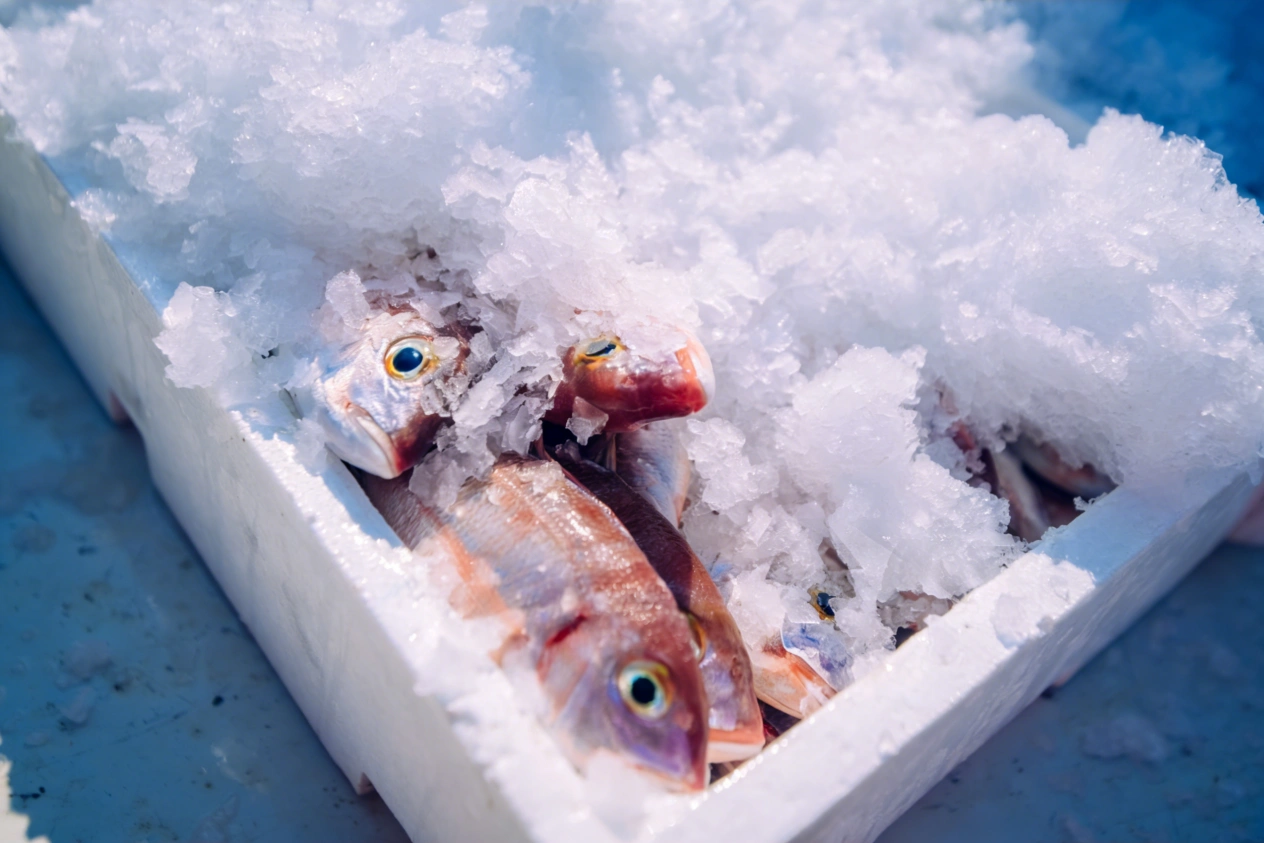
Haben Sie schon einmal ein frisches Mahlzeitskit oder Spezialmedikamente online bestellt? Wenn die Box an Ihrer Haustür ankommt, ist sie in der Regel dicht mit Eisbeuteln und dicken Schaumwänden verpackt. Im Sommer 2025 erreichten Online-Lebensmittel- und Apothekenlieferungen Rekordhöhen. Dies drückte die Nachfrage nach zuverlässigen Kühlkettenverpackungen direkt durch das Dach. Doch im Raum befindet sich ein riesiger Elefant. Berge von Verpackungsabfällen landen unmittelbar nach einer einmaligen Verwendung auf lokalen Deponien. Die Schiffer stehen heute vor einer sehr schwierigen Wahl. Sie brauchen Materialien, die Produkte 48 Stunden kalt halten, aber sie stehen auch strengen neuen Umweltvorschriften und Steuern gegenüber. Traditioneller weißer Schaum funktioniert gut für die Temperaturregelung, aber moderne Käufer hassen den Abfall. Genau hier erlebt die Logistikbranche einen großen Wandel. Unternehmen wenden sich an REPS-Schaum - eine recycelte Alternative, die das Müllproblem löst, ohne das Eis schmelzen zu lassen. Let’ Schauen Sie sich an, wie dieses Material ein defektes System ruhig behebt.
Die steigenden Kosten von Temperaturfehlern
Die moderne Lieferkette ist überraschend zerbrechlich, wenn es um temperaturempfindliche Waren geht. Eine leichte Wetteränderung oder ein verspäteter Lieferwagen können eine ganze Sendung in nur wenigen Stunden ruinieren.
Laut jüngsten Versorgungskettenberichten verliert die globale Pharmaindustrie allein über 35 Milliarden Dollar pro Jahr, einfach weil Medikamente während des Transits zu warm werden. Die Zahl der Lebensmittelverschwendung ist noch schlimmer. Wenn ein Unternehmen frischen Lachs oder empfindliche Impfstoffe liefert, sind die Einsätze unglaublich hoch. Sie verlassen sich stark auf Kältekettenverpackungen, um ein strenges Klima im Inneren der Box aufrechtzuerhalten.
Hier ist, was passiert, wenn die Verpackung ausfällt:
- Zerstörtes Inventar: Eine gebrochene Dichtung oder eine schwache Box-Wand bedeutet Tausende von Dollar an verdorbenen Waren, die direkt in den Müll gehen.
- Wütende Kunden: Niemand will eine Kiste warmer, riechender Meeresfrüchte oder geschmolzener Schokolade öffnen. Die Marke trifft, und der Kunde kommt selten zurück.
- Höhere Frachtrechnungen: Wenn Sie eine Box mit Trockeneis überpacken müssen, nur weil die Wände kalte Luft lecken, wird die Box sehr schwer. Schwere Boxen kosten viel mehr, um über das Land zu fliegen oder zu fahren.
Eine gute isolierte Schaumstoffverpackung muss zwei Dinge perfekt tun. Es muss die äußere Sommerhitze blockieren, und es muss die kalte Luft aus den Eispacken im Inneren fangen. Jahrzehnte lang war Standard-expandiertes Polystyrol hier der Held. Die Zeiten ändern sich, und so ändern sich auch die Regeln.
Warum herkömmliche Materialien zurückfallen
Lange Zeit waren Standard-Schaumstoffboxen die einzige logische Wahl für den Versand kalter Güter. Sie sind billig, unglaublich leicht und halten die Dinge für Tage kalt. Aber da sich die Verbrauchergewohnheiten ändern und die Regierungen neue Gesetze schreiben, wird das Vertrauen auf brandneue Einwegkunststoffe zu einer ernsten Verantwortung für Unternehmen.
Der Druck auf grünere Alternativen
Vor fünf Jahren kümmerten sich die meisten Einkaufsmanager nur um den Preis pro Box. Heute müssen sie sich Nachhaltigkeitsbeamten und strengen lokalen Verpackungsgesetzen stellen. Mehrere Staaten und europäische Länder besteuern Unternehmen jetzt stark, wenn sie unberührte Kunststoffe verwenden. Diese finanzielle Belastung zwingt einen massiven Wechsel auf umweltfreundliche Schaumstoffoptionen. Der Austausch von Standardmaterialien ist jedoch nicht so einfach wie das Umschalten eines Schalters. Viele “ grün” Alternativen wie schwere Papiermasse oder auf Pilzbasis basierende Verpackungen schmelzen oder zerbrechen einfach ab, wenn sie durch Kondensation nass werden. Ein echter Kältekettenschaum muss Feuchtigkeit, raue Handhabung und extreme Hitze bewältigen, ohne einen Schweiß zu brechen.
Leistung mit Nachhaltigkeit in Einklang bringen
Die größte Angst eines Logistikmanagers vor dem Wechsel von Materialien ist der Leistungsverlust. Wenn Sie auf ein Recyclingmaterial wechseln, hält es immer noch die strenge Temperatur? Die Wissenschaft hinter der Wärmedämmung EPS basiert auf Millionen winziger, gefangener Lufttaschen. Diese Taschen verhindern, dass sich Wärme durch die Wände bewegt. Die Herausforderung bestand darin, einen Weg zu finden, den alten, gebrauchten Schaum zu nehmen, abzubrechen und genau die gleichen Lufttaschen neu aufzubauen. Nun ermöglicht die fortschrittliche Fertigung die Herstellung von recycelten Produkten, die die genauen physikalischen Eigenschaften des Originalmaterials widerspiegeln. Sie müssen nicht mehr zwischen grünem Handeln und der Sicherheit Ihrer Produkte wählen.
Wie REPS Foam das Spiel für Versander verändert
REPS-Schaumstoff (Recycled Expanded Polystyrene) verändert die Art und Weise, wie Unternehmen ihre empfindlichsten Gegenstände verpacken und versenden. Es nimmt post-konsum- oder post-industrielle Abfälle und verwandelt sie direkt zurück in hochwertige Verpackungen.
Dies schafft ein geschlossenes System, das den Bedarf an Roh-fossilen Brennstoffen drastisch reduziert. Aber außer nur besser für die Erde zu sein, bringt es ernsthafte praktische Vorteile für den Lagerboden und den Schiffshaus. Wenn Sie Ihre Versandlinien aktualisieren möchten, sind hier die Hauptgründe, warum dieses Material auf sich greift:
- Ausgezeichnete Hitzebeständigkeit: Es entspricht dem R-Wert (ein Maß dafür, wie gut ein Material Hitze widersteht) von Virgin Schaum. Eine 2 Zoll dicke Wand dieses Materials hält Trockeneis gefroren, so lange wie das alte Zeug.
- Drop Schutz: Kaltkette Schaumstoff doesn’ t nur Hitze stoppen; Es stoppt den körperlichen Schock. Glasflaschen mit Medikamenten oder weichen Früchten benötigen ein Kissen. Das Material absorbiert den Aufprall, wenn ein müder Lieferfahrer die Box auf eine Betonveranda fällt.
- Gewichtseinsparungen: Das Material besteht zu etwa 98% aus Luft. Wenn Sie für den Versand nach dem Pfund bezahlen, führt die Verwendung eines umweltfreundlichen Schaumstoffs, der fast nichts wiegt, zu massiven Einsparungen auf Ihrem jährlichen Frachtbudget.
Unternehmen können ihre alten Boxen einfach gegen diese recycelten Versionen austauschen, ohne ihre Verpackungslinien zu ändern. Sie können sehen, wie Standardformen und -größen direkt in regelmäßige Versandroutinen passen, indem Sie Standard überprüfen REPS Schaumstoff Optionen, die heute verfügbar sind.
Besondere Bedürfnisse mit maßgeschneiderten Designs erfüllen
Standard-Quadratkühler funktionieren gut für grundlegende Gegenstände wie gefrorene Steaks oder generische Medikamentflaschen. Hochwertige Sendungen haben jedoch oft seltsame Formen oder erfordern eine spezifische Platzierung von Eispackungen. Wenn Sie teure medizinische Geräte oder Spezialorgane versenden, schafft eine One-Size-fits-all-Box einfach zu viel Risiko.
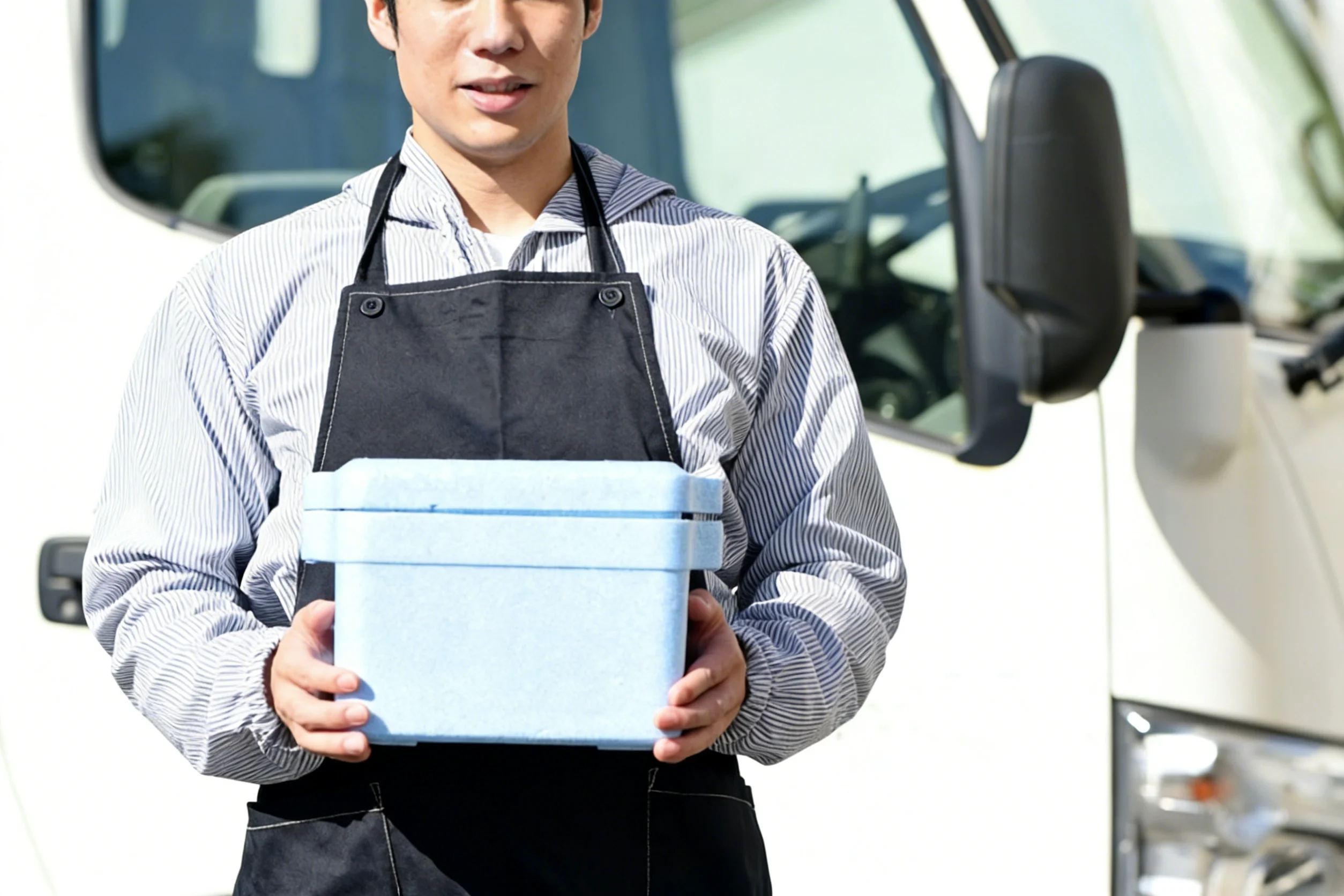
Der Wert von Precise Fit
Wenn Arbeiter ein kleines und empfindliches Element in eine große quadratische Kiste legen, müssen sie den gesamten leeren Raum um sie herum füllen. Die meiste Zeit fügen sie Bubble Wrap oder lose Verpackungs-Erdnüsse hinzu, um die Arbeit zu erledigen. Dieser Schritt verbraucht zusätzliche Minuten auf der Montagelinie und hinterlässt ein chaotisches Aussehen, wenn der Kunde das Paket öffnet. Noch schlimmer ist, dass sich der zusätzliche Raum der kalten Luft ungleichmäßig bewegt. Custom Forming löst dieses Problem. Sie können isolierte Schaumstoffverpackungen formen, um das Produkt genau zu umarmen. Sie können sogar eingebaute Schlitze entwerfen, um Gelpackungen genau zwei Zoll von einer Impfstoffflasche entfernt zu halten, um Gefrierschäden zu verhindern. Dieses Präzisionsniveau ist der Grund, warum viele Marken maßgeschneiderte REPS um ihre wertvollsten Sendungen zu schützen.
Senkung der Frachtkosten
Kundenspezifische Formen tun viel mehr als nur professionell aussehen, wenn der Kunde die Box öffnet. Sie sparen tatsächlich echtes Geld. Durch die Formung der Wärmedämmung EPS um die genauen Kurven Ihres Produkts machen Sie die gesamte Box kleiner. Eine kleinere Box nimmt weniger Platz auf einer Holzpalette ein. Wenn ein Lkw jetzt 120 Boxen statt nur 100 tragen kann, sinken die Versandkosten über ein ganzes Jahr drastisch. Darüber hinaus bedeutet ein kleinerer leerer Raum im Inneren der Box, dass weniger Eispackungen notwendig sind, um die richtige Temperatur aufrechtzuerhalten. Sie kaufen weniger Kühlmittelmaterial, zahlen niedrigere Gebühren für reduziertes Versandgewicht und erreichen trotzdem jedes grüne Ziel, das Ihr Unternehmen gesetzt hat.
Schlussfolgerung
Die Kühlkettenlogistikindustrie steht unter starkem Druck, den Müll aufzuhören, während die Ware perfekt gekühlt bleibt. REPS Schaumstoff bietet eine einfache Antwort auf dieses schwierige Problem. Es bietet den gleichen starken thermischen Schutz und die gleiche Fallsicherheit, die herkömmliche Materialien immer bieten. Gleichzeitig nimmt es schließlich die Sorge, die Umwelt zu schädigen. Ob Ihr Unternehmen gewöhnliche Gefrorene in Standardkühler schickt oder wichtige Medikamente in maßgeschneiderte Behälter transportiert, das richtige Material macht einen echten Unterschied im täglichen Betrieb. Wenn Ihr Unternehmen bereit ist, den Abfallgehalt zu senken, das Frachtgewicht zu verringern und Ihre Versandstrategie neu zu beleben, wenden Sie sich bitte an HUASHENG heute am info@r-eps.comDas Team hilft Ihnen gerne, zuverlässige und nachhaltige Verpackungslösungen zu finden, die genau Ihren Bedürfnissen entsprechen.
 German
  English
  Spanish
  French
  Arabic