
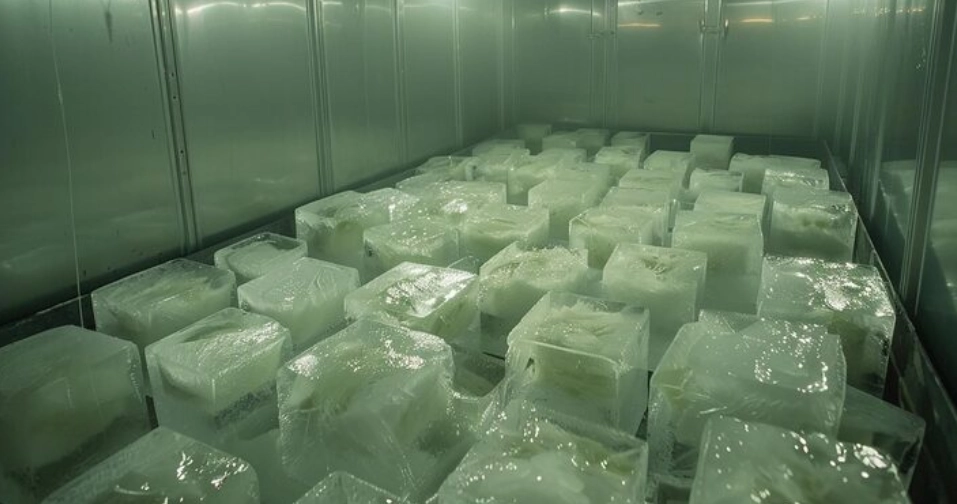
EPS-Schaumstoff stellt eine leichte Substanz dar, deren Fähigkeiten von seiner geschlossenen Zellstruktur, seiner winzigen Struktur, seiner Perlenbindungsqualität, seiner Dichte und seiner Produktionsgenauigkeit abhängen, was alles seine Wärmedämmung, seine physikalische Festigkeit, seine Wasserbeständigkeit und seine dauerhafte Größenstabilität bestimmt. Gleichmäßige Zellverteilung und starke Perlenfusion erhöhen die Gewichtsträgerfähigkeit und den geringeren Wärmedurchgang, während Additive wie Flammenblocker und Graphit die Brandsicherheit und die thermische Effizienz weiter verbessern. Moderne Produktionsmethoden, von der sorgfältigen Vorausdehnung bis hin zur kontrollierten Formgebung, sind von entscheidender Bedeutung, um eine konsistente, starke EPS für Gebäude, Verpackungen und energiesparende Anwendungen zu erreichen.
Was ist EPS-Schaum und warum ist seine Mikrostruktur so wichtig?
EPS-Schaum ist ein System von geschlossenen Zellperlen, das die Leistung auf molekularer Ebene definiert
EPS-Schaum besteht aus expandiertem Polystyrol, einem leichten Thermoplast, der durch das Wachstum von Polystyrolperlen mit Dampf entsteht. Dieser Prozess verwandelt festes Polystyrol-Material in geringgewichtigen Schaum, der 95-98% Luft enthält, der in unzähligen versiegelten Zellen gehalten wird. Die geschlossene Zelle-Konstruktion hält die Luft in zahlreichen kleinen Kugeln gefangen und bietet Isolation, Stoßdämpfung und strukturelle Integrität. Diese Lufttaschen wirken als Wärmebarrieren und Energiedämpfer, wodurch EPS sowohl für Wärmedämmung als auch für Schlagwiderstandsaufgaben geeignet ist.
Die physikalische Struktur von EPS, insbesondere die Dichte, das Niveau der Perlenfusion und die Gleichmäßigkeit der Zellplatzierung, beeinflussen direkt seine endgültigen Eigenschaften. Höhere Dichte Schaumstoffe mit gleichmäßiger Perlenfusion zeigen eine bessere Druckbeständigkeit, während eng verwaltete Zellstrukturen die Wärmeleitfähigkeit verringern und die Größenständigkeit im Laufe der Zeit erhöhen.
Wie beeinflusst der Perlenfusionsprozess mechanische und thermische Eigenschaften?
Die Qualität der Perlenfusion ist von großer Bedeutung. Die partielle Verklebung führt zu schwachen Stellen zwischen den Perlen und verringert die Gewichtstragfähigkeit. Diese Lücken zwischen den Perlen dienen als Druckkonzentratoren und schwächen die allgemeine Festigkeit von Formteilen oder Platten. Umgekehrt bilden gleichmäßig verklebte Perlen ein festes Netzwerk, das einer Verformung unter Spannung widersteht, was insbesondere bei konstruktiven Anwendungen wie Unterplattenschutz oder Schutzverpackung für empfindliche Instrumente entscheidend ist.
Für die thermischen Aspekte verbessert sich die Wärmedämmung, wenn Luft in gleichmäßigen Zellgrößen ausgewogen verteilt wird. Regelmäßige Zellen reduzieren den konvektiven Wärmeübertrag innerhalb der Schaumschicht und ermöglichen niedrigere Wärmeleitfähigkeitswerte.
Wie bewerten Sie die Leistung des EPS-Schaumstoffs anhand seiner physikalischen Eigenschaften?
Welchen Dichtebereich sollten Sie für strukturelle und isolierende Anwendungen wählen?
Die Dichtewahl steht als Hauptfaktor für geeignete Anwendungen. EPS mit niedriger Dichte (10-15 kg/m³) ist ideal für Wärmedämmungen, bei denen die Druckfestigkeit nicht kritisch ist. Es funktioniert gut für Wandverkleidungen oder Hüllsysteme, bei denen die Hauptanforderung die Reduzierung des U-Wertes ist.
Mit einer mittleren Dichte (20–30 kg/m³) wird zwischen Isolierung und physikalischer Beständigkeit für Verpackung oder Konstruktion ausgewogen und genügend Steifigkeit für die Lastverteilung in Sandwich-Platten oder Bodensiolierung gewährleistet.
Die hohe Dichte (>30 kg/m³) erfüllt Gewichtsstützungsbedürfnisse wie Unterplattensiolierung oder Schlagschutz. Diese Klasse tritt oft in großen Projekten auf, die eine dauerhafte Verformungsbeständigkeit erfordern.
Warum hängt die Feuchtigkeitsbeständigkeit von der Zellintegrität ab und nicht nur von der Beschichtung?
Viele glauben, dass allein eine äußere Barriere Wasserabweisung gewährleistet, aber Wasserdampf kann durch schlecht gebundene oder gebrochene Zellen eindringen. Kleine Wege zwischen locker verbundenen Perlen ermöglichen eine Wasserbewegung durch Saugen. Eine gut versiegelte Struktur verhindert jedoch die Kapillareinwirkung und behält den R-Wert im Laufe der Zeit. Langfristige Leistung hängt mehr von innerer Kohäsion ab als jede Oberflächenbehandlung.
Zusätzliche Substanzen verbessern die Leistung, können jedoch nicht eine schwache Innenausrichtung kompensieren. EPS-Optionen auf technischer Ebene wie REPS von HUASHENG lösen dieses Problem durch Nano-Skala-Poren-Uniformität und Richtung molekulare Verknüpfung.
Welche Rolle spielen Additive bei der Verbesserung der EPS-Schaumstoffkapazitäten?
Wie ändern Flammschutzmittel das Verhalten von EPS bei Zündszenarien?
In Einstellungen, in denen die Sicherheit sehr wichtig ist, wie etwa im Bau, wird eine flammhemmende Leistung erforderlich. Flammschutzqualitäten wie FB-Licht flammhemmendes Material die Verbrennung verlangsamen, indem eine Schutzkohlenschicht gebildet wird, die die Zündung verzögert und die Brandausbreitung mildert. Diese Materialien reduzieren die Raucherzeugung und verzögern den Flashhover in Bauanwendungen. Wenn sie richtig in die Polymermatrix integriert werden, bleiben sie auch bei niedrigen Konzentrationen wirksam.

Effektiv auch bei niedrigen Konzentrationen bei gleichmäßiger Verteilung in der Polymermatrix. Die FSH- und FS-Serien von HUASHENG zeigen dies durch die Erreichung von Verbrennungswerten B1 bei Beibehaltung der strukturellen Festigkeit.
Können Graphitpartikel die thermische Effizienz erheblich verbessern, ohne die Dichte zu erhöhen?
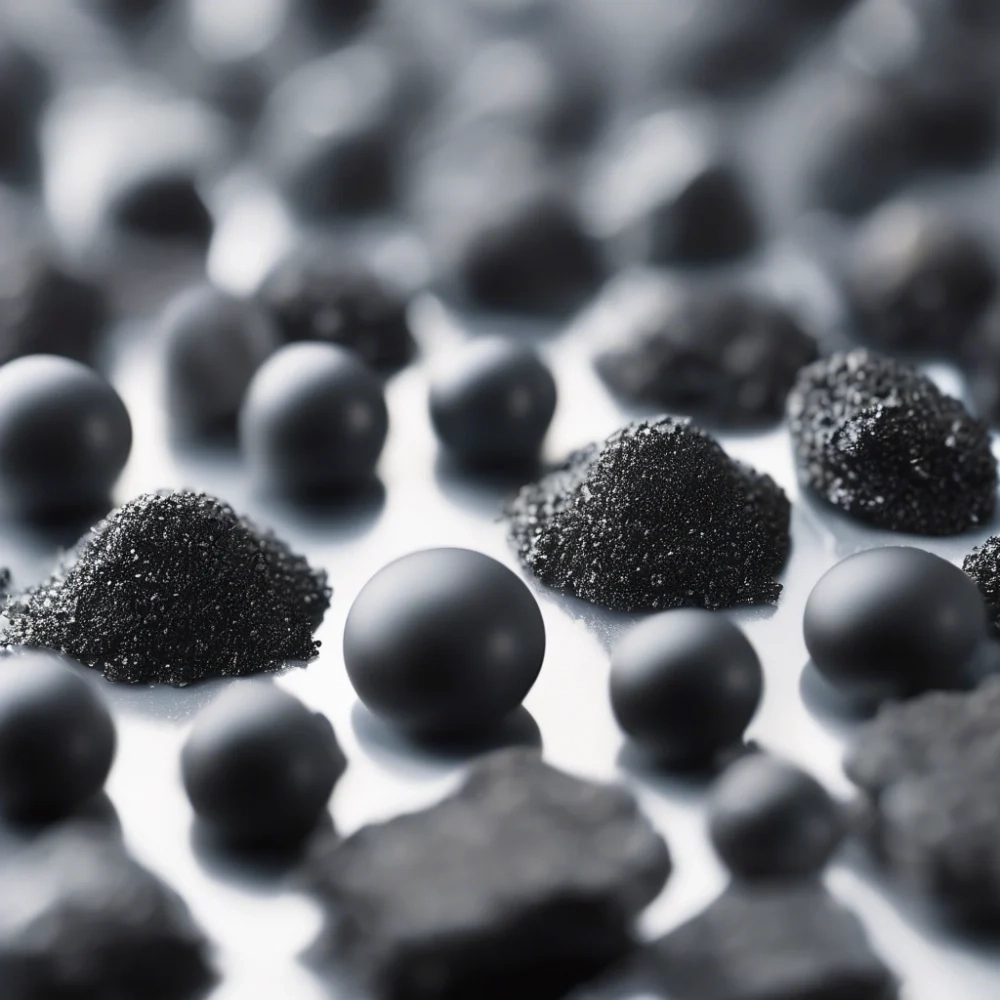
Auf jeden Fall. Graphitinfusiertes EPS wie S33 reflektiert strahlende Wärme innerhalb der Zellwände. Die eingebetteten Graphitpartikel wirken als Infrarotreflektoren und sprengen die thermische Strahlung durch die Schaumstoffmatrix zurück, wodurch die Wärmeleitfähigkeit im Vergleich zu Standard-weißem EPS um bis zu 20% reduziert wird. Mit typischen λ-Werten von 0,032W/m·K ermöglicht es dünnere Isolationsschichten in leistungsstarken Gebäudehüllen.
HUASHENGs S-33 Die Serie zeigt dies mit Dichten von 18–30 kg/m³, die für Passivhaus-Standards optimiert sind.
Wie beeinflussen Verarbeitungstechniken die Konsistenz des Endprodukts?
Warum definiert die Vorausdehnungssteuerung langfristige Leistung mehr als die Endformung?
Die EPS-Verarbeitung beginnt mit der Pre-Expansion – einer Phase, die die Bühne für alle nachgelagerten Ergebnisse bereitet. Die Vorausdehnung bestimmt die Perlengrößenverteilung und den internen Druckausgleich. Eine schlechte Kontrolle führt hier zu ungleichmäßigen Ausdehnungsraten beim Formieren.
Eine einheitliche Vorausdehnung gewährleistet den erwarteten Schrumpf und die Maßgenauigkeit nach dem Formformen, was in Anwendungen wie Bauplatten oder geformten Verpackungen sehr wichtig ist, wo die Grenzen eng bleiben. Schlecht kontrolliertes Wachstum führt zu Biegen oder inkonsistenter Dichte in Platten.
Die intelligenten Produktionslinien von HUASHENG bewältigen dies über Live-Monitoring und KI-basierte Verbesserungssysteme.
Was sind die Risiken einer Überverdampfung oder Unterhärtung während des Forms?
Die Formung ist eine empfindliche thermische Operation. Überdampfen deformiert die Perlenform und schwächt die Bindungszonen zwischen den Perlen, was zu einem zellulären Zusammenbruch und einer schlechten strukturellen Kohäsion führt. Umgekehrt führt eine Unterhärtung zu internen Belastungen, die im Laufe der Zeit Risse verursachen. Restfeuchtigkeit und Spannungsgradienten können auch zur Nachformdeformation während der Lagerung oder Verwendung führen. Optimale Härtungszyklen stabilisieren die Zellstruktur und minimieren die Verformung nach der Produktion. HUASHENGs fortschrittliche Schaumtechnologie gewährleistet die Härtungspräzision über geschlossene Temperatur- und Druckregelsysteme.
Wo finden Sie konsistente Hochleistungs-EPS-Lösungen?
Warum ist es wichtig, von Herstellern mit vertikaler Integration und präzisen Steuersystemen zu beschaffen?
Konsistenz in der EPS-Leistung geht nicht nur um Rohstoffe – es geht darum, wie jede Produktionsphase verwaltet wird. Ein Lieferant muss den Prozess von der Materialwahl bis zum endgültigen Blockschneiden mit einer klaren Verfolgung für jede Gruppe bearbeiten.
Dies erklärt, warum HUASHENG ausgezeichnet. Mit vielen Jahren in der fortgeschrittenen Polymerverarbeitung, automatischen Linien und R & amp; D-driven Materialfortschritt, bieten wir maßgeschneiderte Lösungen für anspruchsvolle Anforderungen in Bau, Verpackung und Industrie. Unsere Kompetenz bei der Einstellung von flammhemmenden Typen oder mit Graphit zugesetzten Materialien sorgt für eine stetige Qualität bei jeder Lieferung, die durch technische Unterstützung unterstützt wird, die für Fachleute geeignet ist.
Häufig gestellte Fragen
F: Wie unterscheidet sich graphitverstärktes EPS in Bezug auf die Anwendung von herkömmlichem weißem EPS?
A: Graphitverbessertes EPS bietet eine geringere Wärmeleitfähigkeit bei engen Dichten. Diese Funktion eignet sich für dünnere Schutzschichten ohne Festigkeitsverlust – besonders hilfreich bei Passivhausprojekten oder Aufrüstungen mit begrenztem Platz.
F: Können flammhemmende Zusatzstoffe die Recyclingfähigkeit von EPS-Schaumstoff beeinflussen?
A: Ja, einige flammhemmende Stoffe können das Recycling aufgrund lokaler Regeln einschränken; Viele aktuelle Mischungen vermeiden jedoch Halogene und passen besser den Umweltbedarf an.
F: Wie ist die Haltbarkeit oder das Alterungsverhalten von leistungsstarken EPS-Schaumstoffen wie FB-light oder S33?
A: Wenn diese Gegenstände richtig von Sonnenlicht und Wasser entfernt gehalten werden, erhalten sie strukturelle Festigkeit und Hitzebeständigkeit für viele Jahre - Alterungsänderungen bleiben gering, wenn die Produktionsqualität hoch bleibt.
 German
  English
  Spanish
  French
  Arabic