
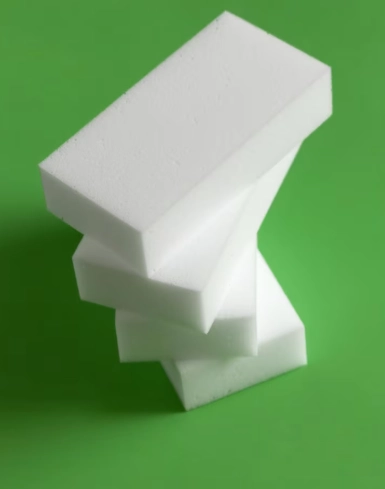
Lots of people call every white foam “Styrofoam,” but that’s not quite right. Styrofoam is actually a brand name for one special kind of extruded polystyrene foam (XPS). The real fight is between Expanded Polystyrene (EPS) and XPS. EPS comes from little beads that grow and stick together. It’s super light and cheap, perfect for cups and packing stuff. XPS gets squeezed out like toothpaste into hard boards. That makes it tougher, keeps water out better, and stops heat from escaping faster. Pick the wrong one on a job site and things can go really bad.
Understanding Polystyrene Foam and Its Industrial Significance
Clarifying the Term “Styrofoam” in Technical Contexts
Styrofoam is a name owned by one company. It only means blue or pink extruded foam boards. Most folks use the word for any white chunky foam they see. They point at coffee cups or box fillers and say “Styrofoam.” That’s wrong. Those are usually EPS, not real Styrofoam.
Real Styrofoam is always extruded polystyrene foam (XPS). It’s not the bead stuff. Mixing them up can cause big trouble on building jobs.
The Chemistry Behind Polystyrene Foam
Both types start with the same basic plastic – polystyrene. Factories turn liquid styrene into solid little beads or pellets. That’s the easy part.
For EPS, they put a special gas inside the beads. Steam makes the beads puff up huge, then they glue themselves together into blocks or shapes.
For XPS, they melt the pellets completely. Then they push the hot goo through a slot. It cools into smooth, strong sheets. Same family, totally different kids.
Key Differences Between EPS and XPS Foam
Structural and Mechanical Properties
EPS looks like tiny balls squished together. You can sometimes see the round shapes if you break it. There are little gaps between the balls. That keeps it light but not super strong.
XPS has no balls at all. Everything is one smooth piece. No gaps. That makes it harder to break and much stronger when something heavy sits on it.
Performance Characteristics Comparison
Thermal Insulation Performance
XPS wins at keeping heat inside. The cells are tiny and perfectly sealed. Heat has a hard time sneaking through. EPS works okay for normal jobs, but it lets more heat slip away.
Moisture Resistance and Durability
Water hates XPS. Even if you bury it in wet dirt, it stays dry inside. EPS can drink a little water through those tiny gaps between beads. Once it gets wet, it doesn’t keep heat as well.
Compression Strength and Load-Bearing Capacity
Put a truck on XPS and it laughs. Put the same truck on regular EPS and it squishes flat. That’s why XPS goes under concrete floors and EPS does not.
Comparing Applications: Where EPS vs. XPS Makes Sense
Typical Uses of Expanded Polystyrene (EPS)
EPS is the king of cheap and light jobs:
– Foam corners that protect your new TV in the box
– White coffee cups and take-out boxes
– Big blocks that fill space under roads or hills
You touch EPS almost every day.
Common Applications of Extruded Polystyrene (XPS) Foam Boards
XPS shows up where things get tough:
– Pink or blue boards on basement walls
– Under the concrete in your garage floor
– Flat-roof insulation that never sees water get in
Builders grab XPS when they can’t afford mistakes.
Advanced Extruded Graphite Polystyrene Solutions by HUASHENG
Introduction to HUASHENG’s S-Series Graphite Polystyrene Products
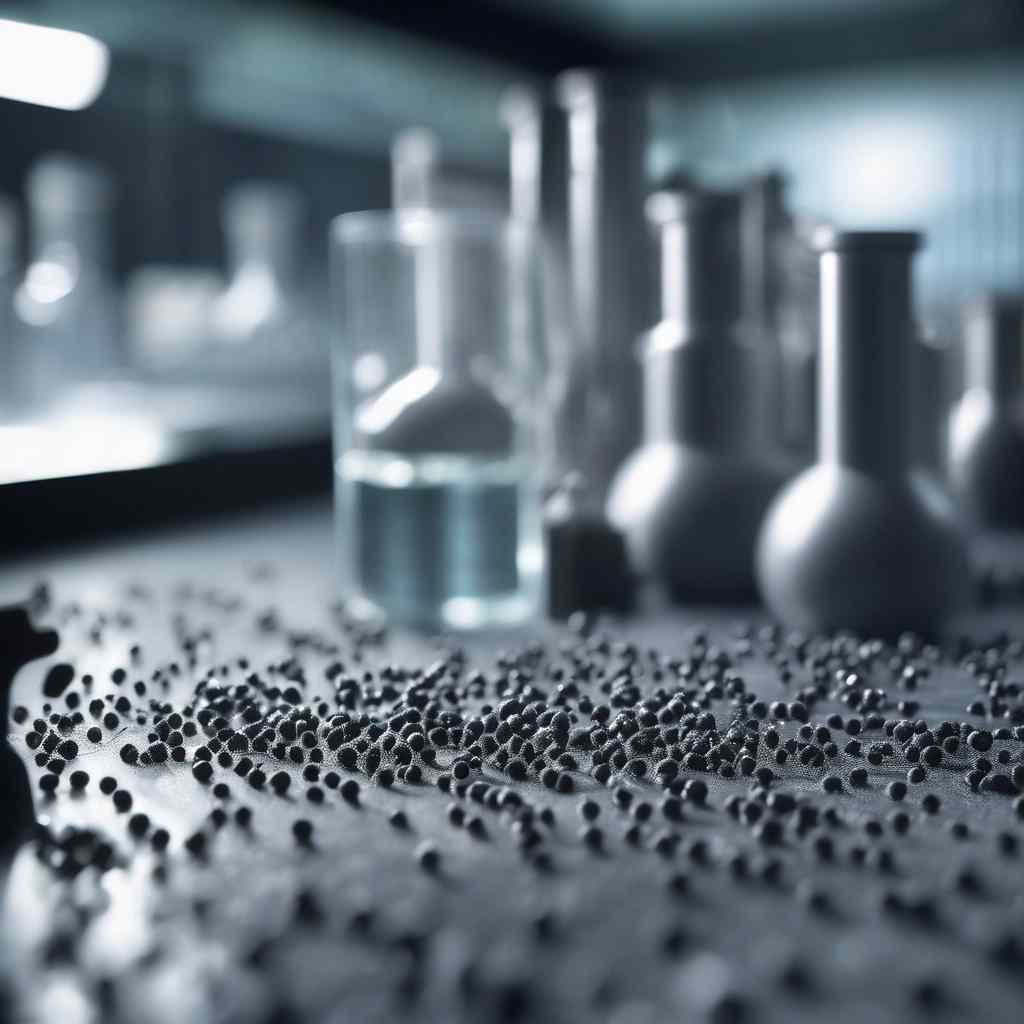
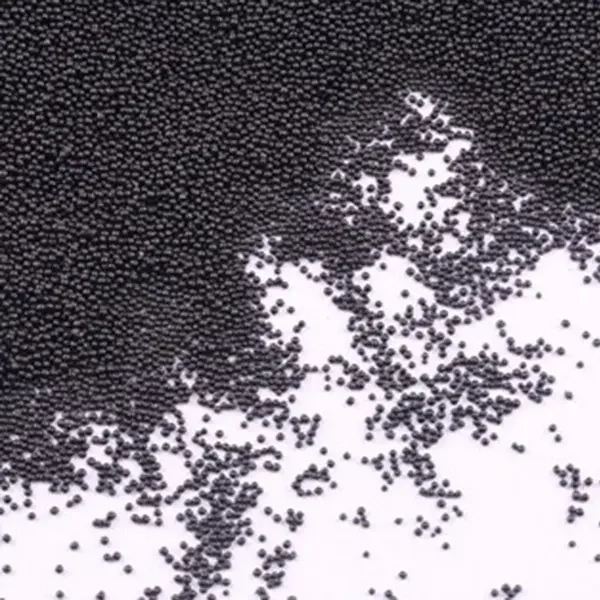
HUASHENG takes normal polystyrene foam and adds tiny shiny graphite bits. Those bits bounce heat back like a mirror. You get way better warmth from the same thickness.
S-32 Graphite Polystyrene (Extrusion Method) Overview
The S-32 boards have graphite mixed right in. Heat waves hit the shiny bits and bounce back inside the house. Perfect for walls and roofs when you want to beat tough energy rules without spending crazy money.
S33 Graphite Polystyrene (Extrusion Method) Overview
S33 is the tougher brother. It’s made for cold winters and wet ground. Freeze and thaw all you want – it stays straight and strong. Great for green building projects that need top scores.
Environmental Considerations of Polystyrene Foams
Challenges in Recycling EPS and XPS Materials
Both kinds can be recycled, but it’s not easy. EPS gets dirty with food or tape. Most towns won’t take it. XPS is clean but super thick, so special machines have to crush it first. Not many places have those machines.
Environmental Impact of Improper Disposal
These foams never rot away. Leave them in nature and they stay forever. Wind blows little broken bits into rivers and oceans. Animals eat them. Not good.
Sustainable Alternatives and Innovations
HUASHENG helps by making buildings use way less energy for heat and cooling. They also reuse factory scraps to make new boards. The result is to reduce less waste with same great product.
Addressing Common Misconceptions About “Styrofoam” Terminology
Why the Term “Styrofoam” Is Often Misused
One big company made the blue foam famous years ago. Everyone started calling all white foam by that name, even when it was totally different stuff. Now the wrong name stuck.
Importance of Proper Material Identification in Professional Use
On real jobs, mistakes cost big money. Put cheap EPS under a slab instead of XPS and the floor can crack. Water gets in. The building fails inspection. Always read the label and know exactly what you’re buying.
FAQs
Q: What are polystyrene foam beads made from?
A: The beads start as tiny bits of solid plastic. Factories make them by joining styrene pieces together. Then they add a gas so steam can blow them up big later.
Q: How does graphite enhance the performance of polystyrene foam?
A: Little gray graphite bits act like mirrors inside the foam. They bounce heat rays back where they came from. Less heat gets out, so your house stays warmer with thinner boards.
Q: Can HUASHENG’s S-series graphite polystyrene be used below grade?
A: Yes! Both S32 and S33 are strong and keep water out. They work great under concrete slabs or outside basement walls where the ground stays wet.






 English
  German
  Spanish
  French
  Arabic